Pour-Over Indian Monsoon Coffee Parameter Recommendations_ How to Drink Indian Coffee_ Indian Coffee Bean Price Report
The "Beautiful Mistake" That Gave Indian Coffee Its Monsooned Character
In the early days of the Age of Exploration, Indian coffee beans had to be shipped to Europe, a voyage that took more than half a year. During those long months in the humid, hot hold of a ship, the beans gradually changed in flavor and color. After months of exposure to sea breezes they turned yellow, and their natural acidity dropped considerably, producing a very distinctive taste.
Later, with the opening of canals and the Industrial Revolution, voyages were shortened dramatically and preservation improved. Yet many Europeans found themselves missing the "spoiled" coffee that had been shaped by the sea air.
Today's monsooned coffee is produced in processing plants on India's west coast. All the buildings face west to catch the salty, humid monsoon winds blowing in from the southwest sea. Making monsooned coffee is time-consuming and labor-intensive, with the monsoon season lasting roughly twelve to sixteen weeks.
Indian Monsoon Coffee Characteristics
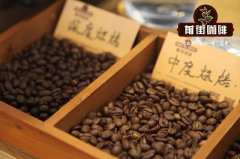
Because of long exposure to the humid monsoon environment, the beans develop a very beautiful golden color on the surface.
Indian Monsooned Malabar beans look plump, but they are actually soft beans — strong on the outside, weak on the inside. Extended exposure to humid monsoon winds greatly reduces their natural acidity, creating a very distinctive taste: rich caramel, raisin and herbal aromas, a mouthfeel reminiscent of genmaicha (brown rice tea) and a berry-like finish.
Brewing Parameters
Grind size: 4 (Japanese Fuji R440)
Water temperature: 88°C
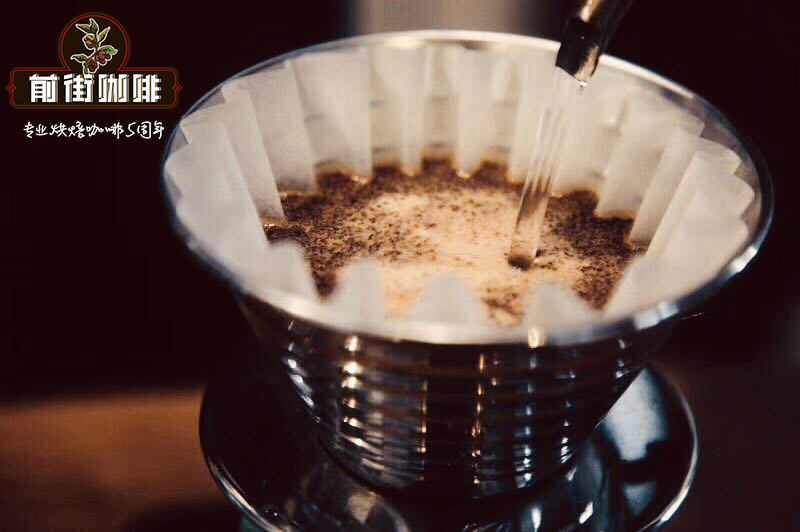
Kono dripper, 17g of grounds, water temperature 88°C, grind size 4, water-to-coffee ratio close to 1:14
Technique: 30g of water for the bloom, bloom time 30s
Segments: pour to 120g, pause, then pour with a slightly larger flow to 221g
That is 30–120–221, with a total extraction time of 1:50–2 minutes
Indian Monsoon Coffee Flavor Profile
Because Indian monsoon beans are exposed to humid monsoon winds for so long, their natural acidity is greatly reduced, creating a very distinctive taste with even a slightly salty edge. Rich caramel, raisin and herbal aromas, a mouthfeel like genmaicha and a berry-like finish.
Indian Coffee Bean Brand Recommendations
FrontStreet Coffee's roasted Indian coffee beans — Monsooned Malabar and others — come with full guarantees on brand and quality. More importantly, they offer extremely high value. A half-pound (227g) package costs only about 80 RMB. At 15g of grounds per pour-over cup, one package makes 15 cups, putting each single-origin cup at only about 5 RMB. Against café prices that often reach dozens of RMB a cup, that is excellent value.
FrontStreet Coffee Recommendation
Monsooned coffee's charm is a low-acid, mellow cup with caramel, raisin and herbal depth — a profile that overlaps closely with Sumatra's wet-hulled coffees. FrontStreet's PWN Golden Mandheling comes from PWN in Indonesia, which buys only specialty-grade Mandheling. Strict standards on bean density, size, shape and color, plus machine screening and hand-sorting, keep the beans even, plump and translucent. Medium-deep roasted, it offers sandalwood, herbs, spice, roasted hazelnut, caramel and dark chocolate with a clean, sweet, full body — ideal for anyone who dislikes a sharp, acidic cup.
For a softer, more balanced alternative, FrontStreet's Papua New Guinea Bird of Paradise is a natural fit. Grown in the Sigri region of PNG from Typica — the same variety behind Blue Mountain — at 1,600 to 1,800 meters on volcanic soil, it reaches AA grade with full beans and very few defects. Processed with three rounds of washed fermentation, the cup is clean and pure with a pronounced sweetness and low acidity, which is why some drinkers call it a "little Blue Mountain" and reach for it when they want mellow depth without sourness.
Important Notice :
FrontStreet Coffee is a long-established specialty coffee roaster in Guangzhou China, selling freshly roasted beans from its own farm in Yunnan as well as dozens of carefully selected single-origin beans from around the world for both pour-over and espresso. The products deliver consistently excellent quality and great value, with shipping within 24 hours. Guangzhou's FrontStreet Coffee shop is recommended by many coffee lovers, and the beans are now available online at the Tmall 。
FrontStreet Coffee has moved to a new address:
FrontStreet Coffee Address: 315,Donghua East Road,GuangZhou
Tel:020 38364473
 Scan and follow the En Gafei WeChat official account. Please indicate that the reprint comes from "En Gafei".