What is Hainan Coffee Bean_ Hainan Coffee Bean Varieties Revealed_ How is Hainan Coffee Processed?
When it comes to Chinese coffee, most people immediately think of Yunnan. But Chinese coffee is not limited to Yunnan — that province simply dominates production as the country's main growing region. China's coffee cultivation is concentrated mainly in Taiwan, Yunnan, and parts of Hainan. Beyond Yunnan coffee, Hainan coffee is also excellent, with a strong local character, even though we rarely drink it on the mainland.
Hainan's Ideal Coffee Growing Conditions
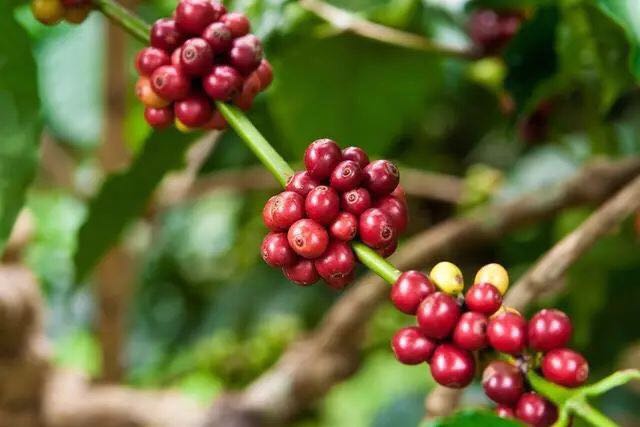
Yunnan's growing region sits in the "golden zone," producing coffee with notes of nuts, tea, brown sugar, and plum acidity, a faint pine-like mouthfeel, and a relatively full body. Hainan, by contrast, enjoys a high average annual temperature above 20°C and abundant rainfall exceeding 1,600 millimeters a year, placing it squarely in the golden heart of the "coffee belt." The island's volcanic soil is also exceptionally fertile, leaving many areas with well-drained, volcanic-ash-rich earth.
The result is coffee that is aromatic and mellow — fragrant but not bitter, rich but not harsh. That is the defining character of Hainan coffee. Beyond its distinctive fragrance, the local roasting technique intensifies the aroma even further. The craft inherits and elevates Southeast Asian methods, famous for producing coffee of "excellent color and flavor, rich but not bitter, fragrant but not intense," with a lingering aftertaste that fills the room — a genuine premium product in color, aroma, and taste alike.
Main Coffee Production Areas in Hainan
Hainan primarily grows the medium-bean variety — Robusta. The key growing areas span six cities and counties: Chengmai, Wanning, Wenchang, Qiongzhong, Baisha, and Sanya. Hainan is one of China's oldest coffee-growing regions, and two names stand out: Xinglong coffee in Wanning, and Fushan coffee in Chengmai. The island's premium coffee brands also include Chunguang, Nanguo, Houchen, and Lishen.
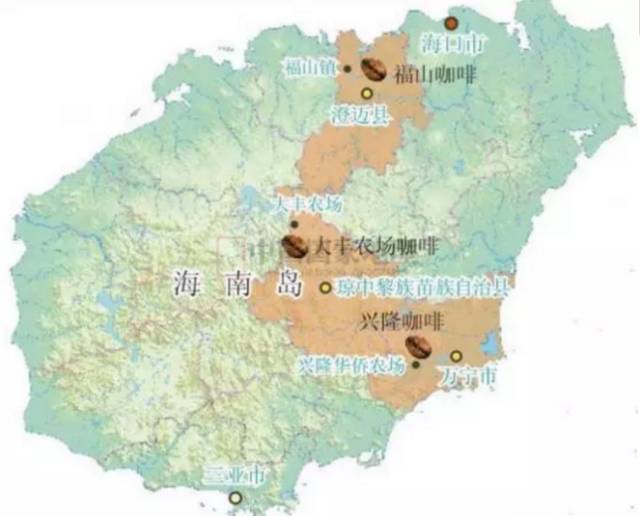
Both the Xinglong and Fushan coffee areas began cultivation after the founding of the People's Republic of China. In 1953, shortly after the Hainan Xinglong Overseas Chinese Farm was established, returned overseas Chinese introduced coffee seedlings from abroad. By the 1970s, Xinglong's coffee cultivation area had grown to over 1,000 mu. Fushan had a similar start: in the 1950s, Chengmai County's coffee cultivation covered only about 100 mu. In the early 1970s, "Fushan" founder Xu Xiuyi established the Fushan Coffee Plantation and Processing Plant in Fushan Town, in northern Chengmai County, clearing wasteland to develop coffee on a large scale. By 2013, Fushan's cultivation area had reached roughly 60,000 mu, with an annual output of 3,000 tons of dried coffee beans.
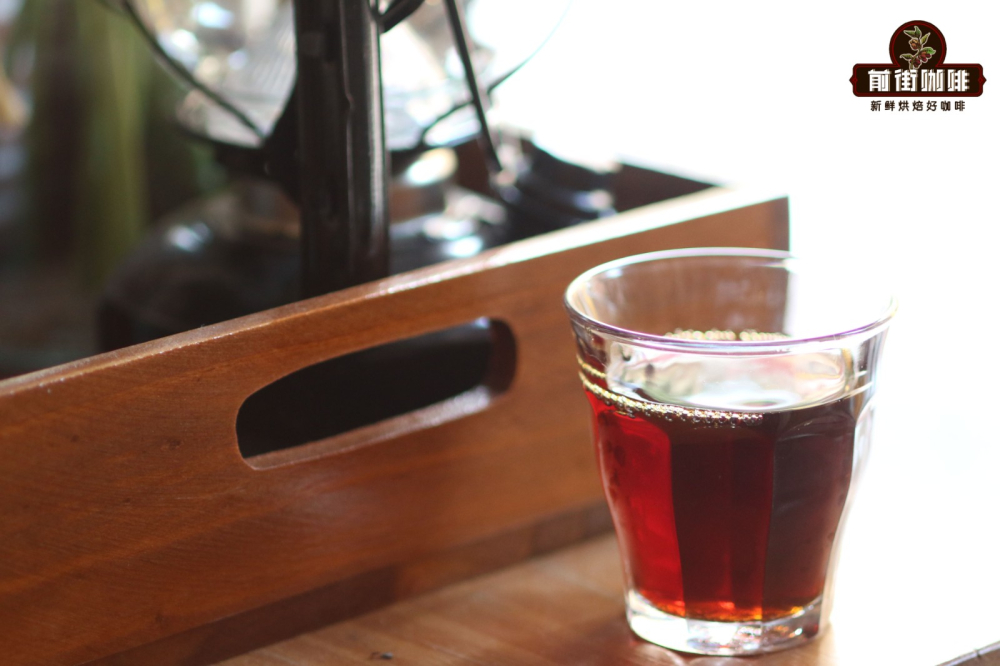
Xinglong coffee beans, from the Xinglong region of Wanning, hold a geographical indication with mutual EU recognition. They are carefully selected from premium Robusta beans and finished with a distinctive honey processing method that lends the beans a wonderful aroma and taste: mellow and full-bodied yet clear and smooth, with a mouthwatering, long-lasting sweet finish. The flavor springs from a unique terroir shaped by years of sedimentation and change, the seasonal climate, and variety factors, and the special processing splits the product into finished branches such as black honey and red honey.
Hainan Coffee Variety — Robusta
Arabica coffees account for most specialty coffee, with far more demanding requirements for their growing environment — high altitude, shade trees, and so on. Robusta is less fussy, with stronger adaptability and disease resistance. Since higher altitude generally improves flavor, Arabica naturally tastes better than Robusta, which is why Robusta beans mostly go into commercial coffee such as instant coffee or espresso.
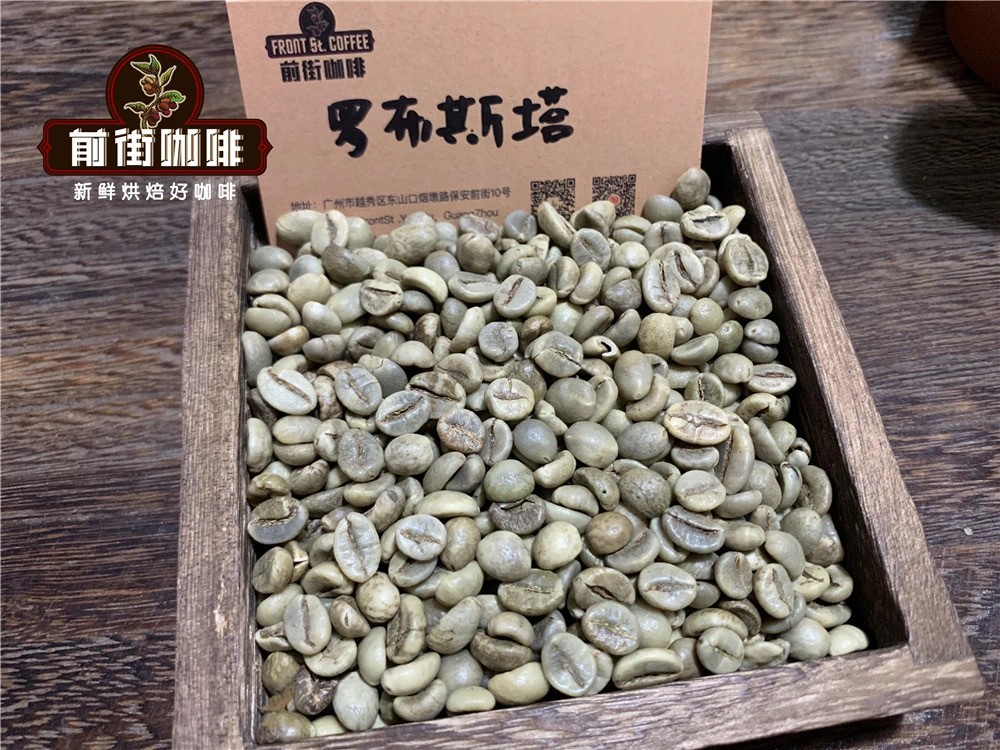
Hainan's coffee-growing environment is generally low in altitude — ideal conditions for Robusta trees — so the whole island basically focuses on cultivating the Robusta variety.
Hainan Coffee Bean Roasting Method
The coffee most of us drink is machine-roasted before brewing, but Hainan roasts differently, with a signature style of its own: the traditional sugar-roasting method. Returned overseas Chinese brought back the Southeast Asian deep-roasting technique, and it defines Hainan's special flavor. Unlike modern roasting plants that rely on drum roasters, Hainan's coffee is roasted in large iron pans. The Southeast Asian method suits this local coffee best: the roaster must manage the heat and, at the right moment, add white sugar, salt, and butter, making the coffee exceptionally fragrant and rich.
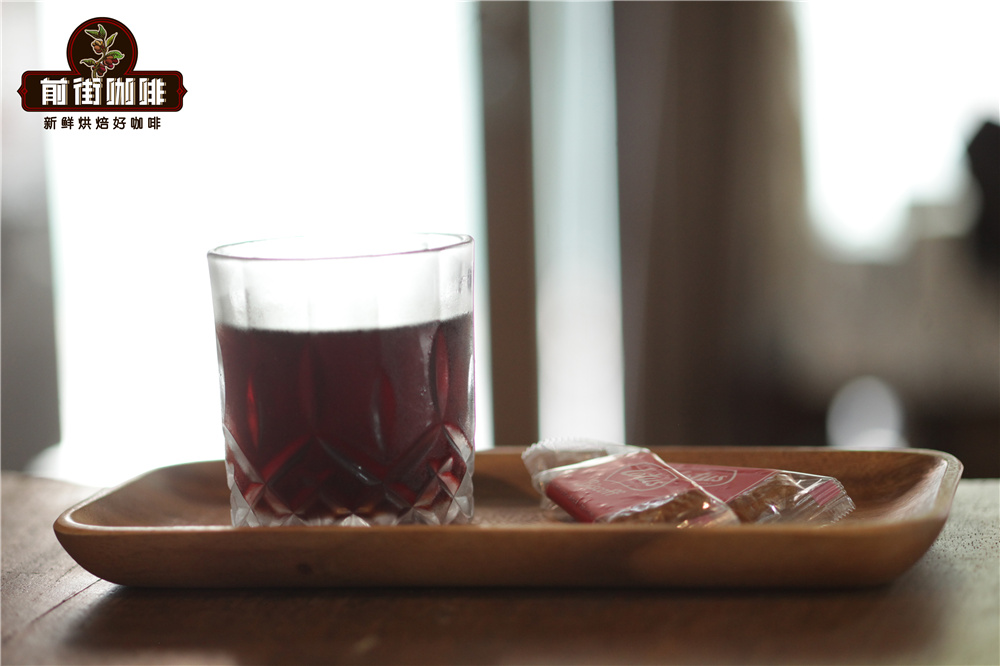
Fushan's roasting is a scene unto itself: a large pan set over a wood fire, a big iron shovel, and the beans poured in and stirred constantly. It looks simple, but the fire and the roasting time rest entirely on experience, and both directly shape the taste. Fushan's signature move comes at the end: once the sun-dried Robusta beans reach first crack in the charcoal-fired pan, the master seizes the moment to add large amounts of white sugar while stirring constantly. When the sugar merges with the beans and gradually caramelizes, and the beans turn glossy and black, they are removed to cool.
Ordinarily we add sugar to coffee to cut bitterness and sweeten the cup, but sugared Hainan roasts are not about extra sweetness. The dissolved sugar forms a coating over the surface of the beans, sealing in their aroma. After this process the beans shift from brownish-black to black, at which point the roasting of Xinglong coffee beans is complete. Many manufacturers have switched to machine roasting, but the people of Fushan insist that only wood-fire-roasted coffee carries human warmth. Of course, these traditional coffees differ from the original regional flavors celebrated by specialty coffee — they are more of a distinctly local coffee craft.
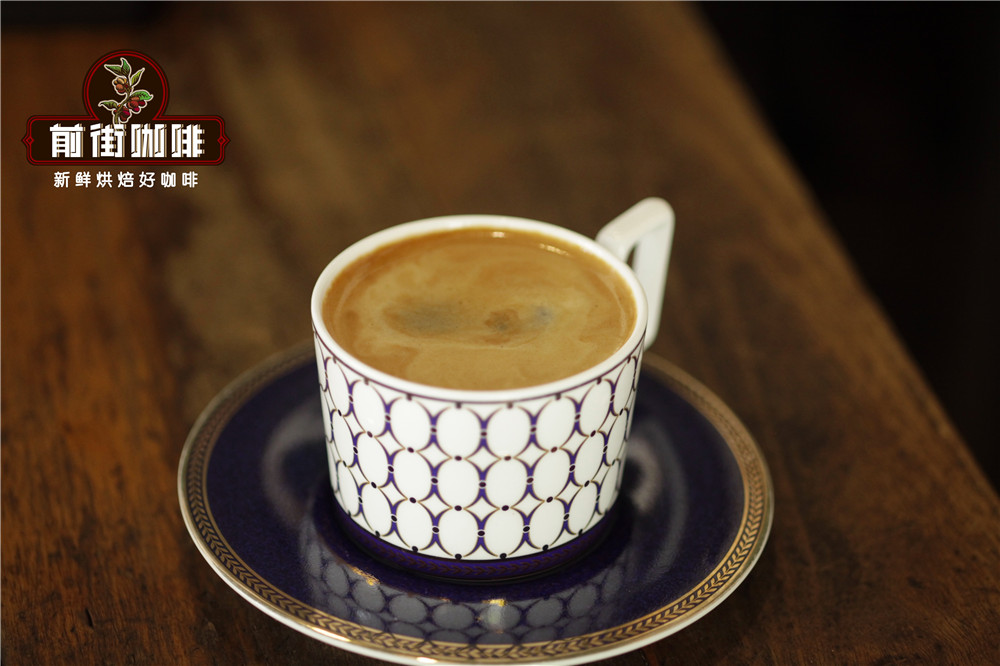
Some drinkers may not take to this style, and locally it is more common to add condensed milk or sugar when drinking — itself a local specialty. Still, FrontStreet Coffee believes that if you ever have the chance, you should experience Hainan coffee to appreciate a different side of the coffee world. Of course, we also carry more than fifty different coffee regions — over ten single origins from Ethiopia, the coffee gene bank; the beloved Panama Geisha; floral Colombian coffee; the whiskey-tinged Sherry coffee, and more.
Whichever coffee you choose, FrontStreet Coffee recommends brewing with fresh beans. Everything we ship is roasted within the last 5 days. Our roasting philosophy is "freshly roasted good coffee," so every order arrives at its peak: the resting period runs about 4-7 days, right when the beans are delivered.
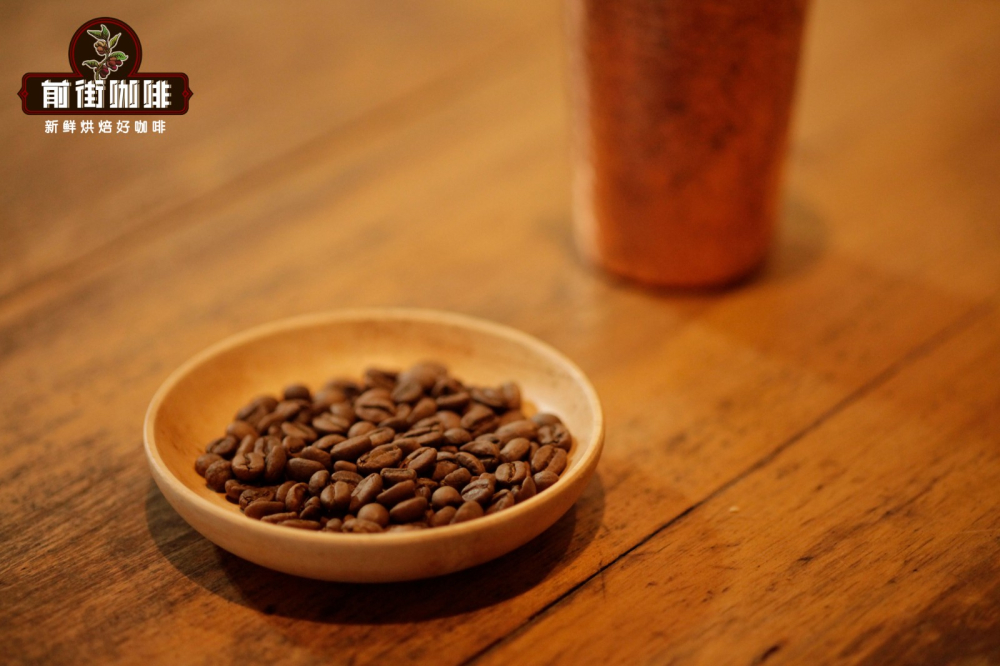
A note for those who need pre-ground coffee: if the beans are ground in advance, no resting period is needed, because during transport the pressure of carbon dioxide in the package helps the flavor round out, so you can brew a cup the moment it arrives. But ground coffee must be brewed promptly — exposed to air it oxidizes quickly, the flavor dissipates faster, and the cup suffers. That is why FrontStreet Coffee recommends buying whole beans and grinding just before brewing to get the most from your coffee.
Professional coffee knowledge exchange and more coffee bean information, please follow Coffee Workshop (WeChat official account: cafe_style)
For more specialty coffee beans, please add FrontStreet Coffee on WeChat: qjcoffeex
FrontStreet Coffee Recommendation: Chinese Coffee from Yunnan's Golden Belt
If Hainan's coffee culture sparks your curiosity about domestic origins, FrontStreet Coffee recommends starting with our Yunnan Arabica from Baoshan. Washed processed and roasted medium, it shows soft nut and chocolate sweetness with a gentle plum acidity — an approachable first taste of Chinese specialty coffee. For clearer, more defined Yunnan character, try our 2013 Yunnan Natural Typica, grown on our own estate: the fully ripe red cherries are sun-dried, yielding a fuller body with citrus and berry tones, a touch of fermented wine aroma, caramel sweetness, and a creamy finish. For espresso, our Black Cocoa Blend — Yunnan Arabica with Brazil Cerrado — balances nuts and brown sugar sweetness with chocolate and citrus, and pulls a smooth, almond-creamy latte.
Important Notice :
FrontStreet Coffee is a long-established specialty coffee roaster in Guangzhou China, selling freshly roasted beans from its own farm in Yunnan as well as dozens of carefully selected single-origin beans from around the world for both pour-over and espresso. The products deliver consistently excellent quality and great value, with shipping within 24 hours. Guangzhou's FrontStreet Coffee shop is recommended by many coffee lovers, and the beans are now available online at the Tmall 。
FrontStreet Coffee has moved to a new address:
FrontStreet Coffee Address: 315,Donghua East Road,GuangZhou
Tel:020 38364473
 Scan and follow the En Gafei WeChat official account. Please indicate that the reprint comes from "En Gafei".