Kenya Africa Coffee Bean Flavor Profile Introduction What to Do with Kenya AA Grade Coffee Being Too Sour
 For professional coffee knowledge and more information on coffee beans, follow Coffee Workshop (WeChat official account: cafe_style)
When it comes to coffee regions with distinct acidity, enthusiasts often think of Ethiopia. But beyond Ethiopia's citrus and lemon acidity, neighboring Kenya's beans—with their black plum and cherry tomato acidity—are also beloved by FrontStreet Coffee enthusiasts. Although Kenya's coffee development began later than Ethiopia's, it has leapt into the specialty market with its exquisite washed processing and beans that carry such pleasant acidity. This article from FrontStreet Coffee discusses where Kenyan coffee's acidity comes from.
Why Kenyan Coffee Beans Are Acidic
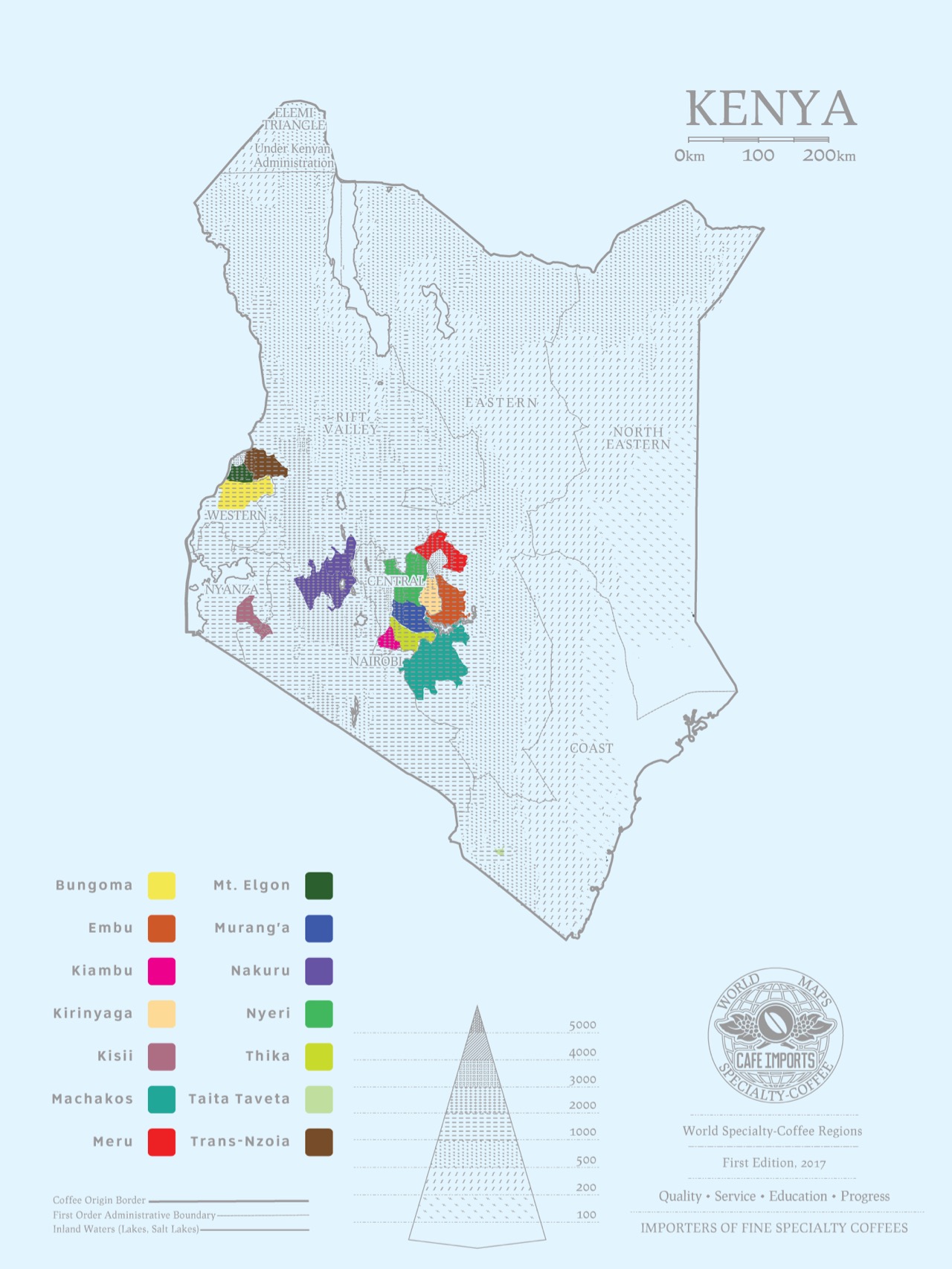 Enthusiasts know that among the three major coffee-growing regions, Africa is famous for its acidity. Kenya sits in eastern Africa, bordering Ethiopia, yet the two express acidity in completely different ways. Kenya's coffee history began in the early 20th century, when it was introduced by British colonizers. Despite the late start, colonial rule laid the foundations—both cultivation systems and grading—for Kenyan coffee to enter the specialty market and gain its world-renowned status.
So why does Kenyan coffee have such pleasant acidity? FrontStreet Coffee believes it is closely tied to the local, exquisite washed processing. Washed processing highlights a bean's original flavors, removes impurities, and makes flavor expression brighter and cleaner. The famous Jamaican Blue Mountain coffee, for example, has long dominated the market with its washed Blue Mountain beans. Kenya's washed method takes this a step further: the K72 washed process.
Kenyan K72 Washed Processing Method
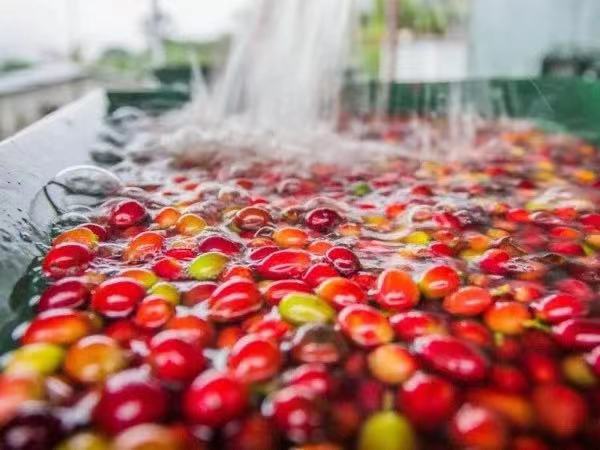 Kenyan-style washed processing involves a cyclically repeated washing and cleaning after the cherries ferment. Farmers first harvest and select the highest-quality cherries, then remove the peel and ferment for 24 hours. After 24 hours they wash the beans with clean river water, then ferment again in clean river water for another 24 hours, then wash again—repeating this cycle three times to reach 72 hours. That is why it is called the Kenyan 72-hour fermented washed method, or K72 for short. This process lets the beans ferment for a long time at low temperatures, giving them flavors that are brighter and cleaner yet fuller.
Kenyan Coffee Bean Varieties
Kenyan varieties also contribute to that excellent acidity. FrontStreet Coffee has noted in previous articles that the three main factors affecting flavor are growing region, variety, and processing method. Kenyan beans come mainly from hybrids of Ethiopian native varieties and Bourbon, named SL28 and SL34. The main varieties cultivated in Kenya are SL-28, SL-34, Ruiru 11, and Batian.
SL-28, SL-34
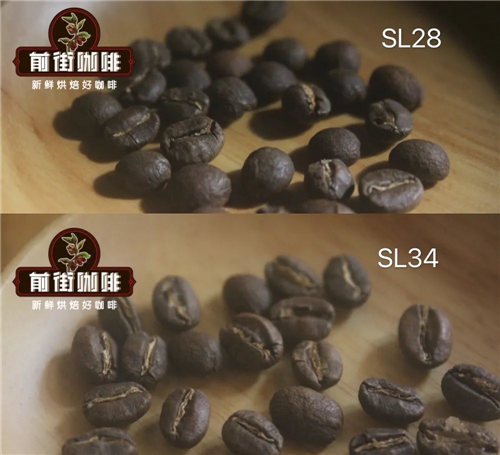 SL stands for Scott Labs, Scott Laboratories. In the 1930s, Scott Laboratories was commissioned by the Kenyan government to research coffee breeding and classification, seeking varieties that could adapt to Kenya's terroir, suit large-scale cultivation, and hold commercial value. SL-28 and SL-34 were two of the many results. The organization was active from the 1930s to the 1960s but no longer exists.
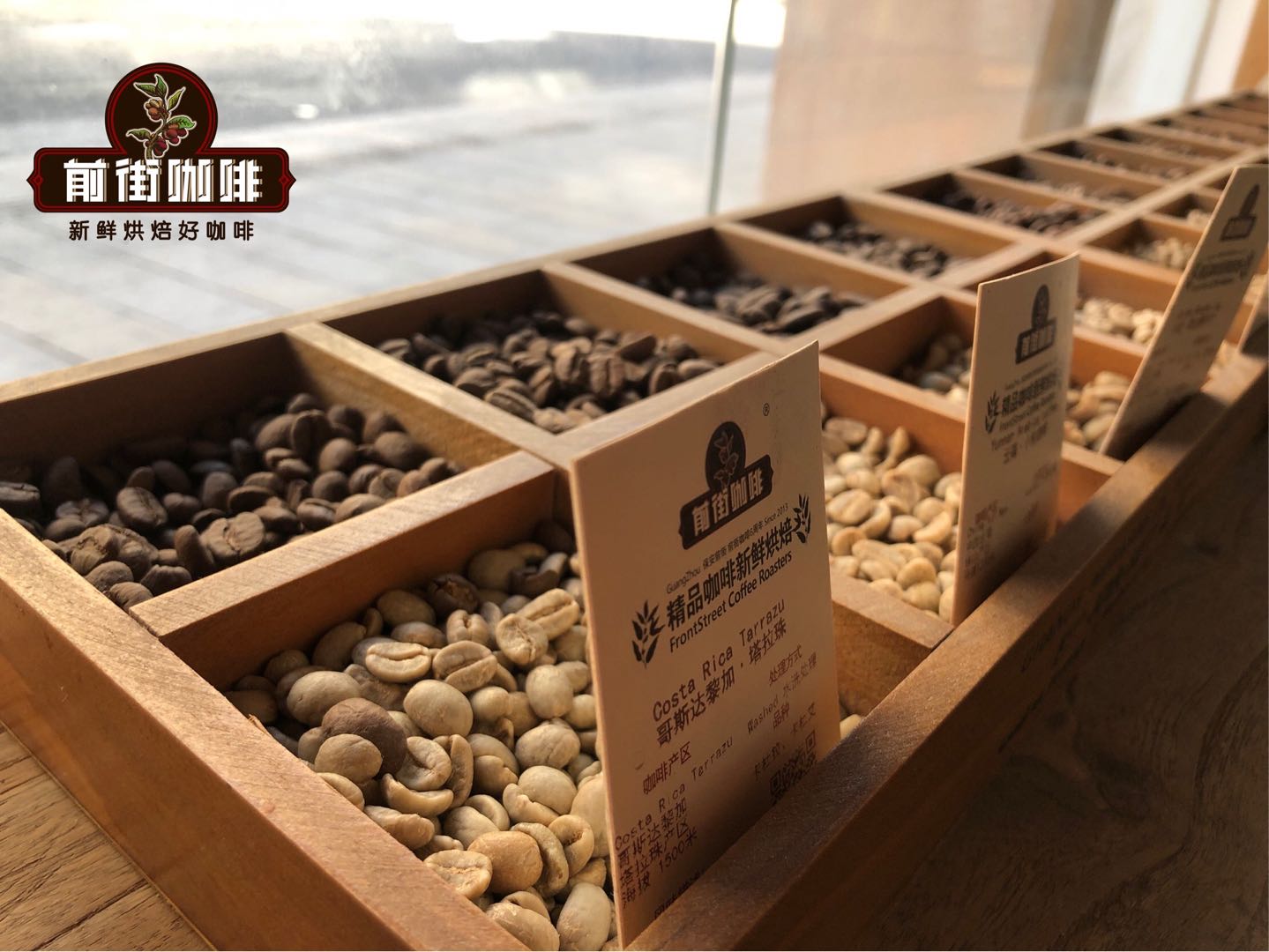
The SL series was developed from research and selection of ancient Yemen Mocha varieties and Bourbon from Réunion Island. Today they account for the majority of Kenya's coffee production. Relatively speaking, SL-28 has earned higher recognition, while SL-34 has higher yields and is grown at slightly lower altitudes.
According to SL laboratory botanists, SL28 and SL34 are genetic variants. SL28, in particular, has mixed heritage from Mocha and Yemen Typica. It was originally cultivated to mass-produce beans that combined high quality with disease and pest resistance.
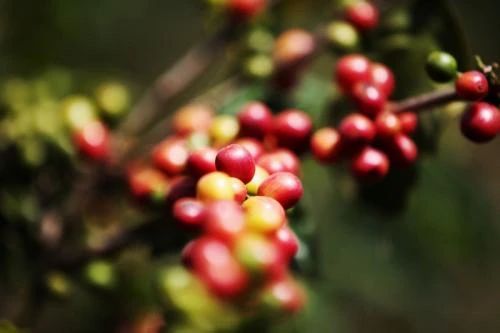 Although SL28's yields never met those lofty expectations, it survives today because of its copper-colored leaves, broad bean-shaped seeds, wonderful sweetness, balance, complex and varied flavors, and pronounced citrus and black plum character. This is also the main reason Kenyan coffee is so rich in pleasant acidity.
SL34 has flavors similar to SL28—complex, varied acidity and a wonderful sweet finish—but its body is heavier, richer, and cleaner than SL28's. SL34 carries more Bourbon and Typica heritage. Its beans look similar to SL28's but the plant is more resilient, for example tolerating sudden heavy rain.
Ruiru 11
Ruiru appeared after SL28 and SL34. According to FrontStreet Coffee's understanding, in the 1970s the Ruiru station began experimenting with different CBD- and rust-resistant varieties. The result was Ruiru 11, released in the 1980s. High yield with CBD and rust resistance seemed to solve all of Kenya's production problems.
Batian
The Batian variety was launched by the Coffee Research Institute (CRI) on September 8, 2010, and is Kenya's newest variety. It grew out of lessons learned from Ruiru 11. Genetically it was essentially selected from backcrosses of SL28 and SL34, making it closer to SL28 than Ruiru 11. This also eliminated the problematic Robusta elements, improving cup quality.
The Impact of Roast Degree on Kenyan Coffee Bean Acidity
As FrontStreet Coffee noted above, the strength of coffee's acidity relates to variety and processing method, and secondarily to a country's soil, climate, and altitude. Coffee contains acidity because the beans fully absorb fruit acids from the pulp during growth and processing. In terms of variety, high-quality Arabica beans are more acidic, so Blue Mountain, Kenya, Guatemala, Mocha, Costa Rica, and others all carry some fruit acidity. Robusta, which is easier to cultivate and cheaper, has almost no acidity.
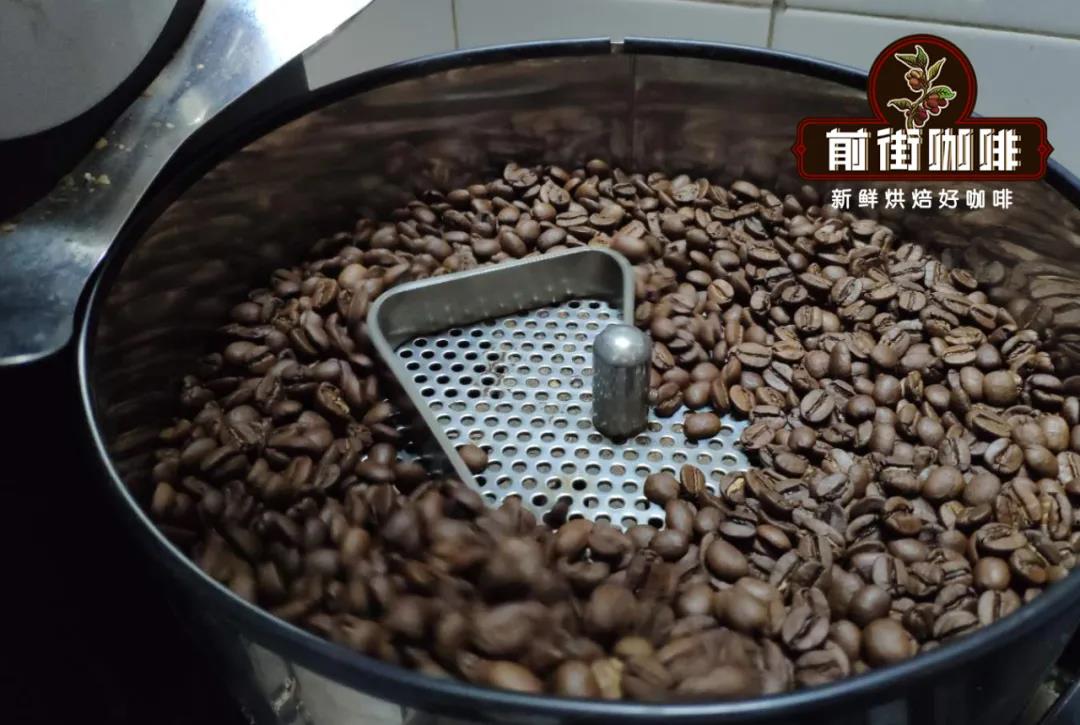 Beyond that, roast degree can greatly affect acidity. According to FrontStreet Coffee's roaster's practice, lightly roasted Kenyan beans have a pH between 4.5 and 4.7, medium-dark roast coffee has a pH around 5–5.5, and dark roast has a pH above 5.5. For ordinary taste buds, once a drink's pH exceeds 5.5 the sour taste is hard to detect, so heavily dark-roasted beans are less likely to taste acidic.
Roast degree therefore controls both the "bitterness" and the "acidity" of coffee: the darker the roast, the lower the acidity and the higher the bitterness. As roasting deepens, though, the bean's original characteristics fade due to increased carbonization, so dark roasting does not suit coffees with obvious acidity. This is why FrontStreet Coffee's African coffees are almost all lightly roasted.
So FrontStreet Coffee suggests that those who like tangy, evolving coffee choose lightly roasted African and Central American beans—Kenya, Ethiopia, Yemen Mocha, Guatemala, Costa Rica, and so on are all excellent acidic coffees. Those who prefer rich, aromatic, sweet coffee can choose Asian dark-roasted beans such as Indonesian Mandheling or Brazilian Queen Estate.
That is FrontStreet Coffee's summary of where Kenyan coffee's acidity comes from. Next, FrontStreet Coffee shares its news and its roasting and brewing data for Kenyan coffee.
FrontStreet Coffee Kenya Asalia Coffee Beans
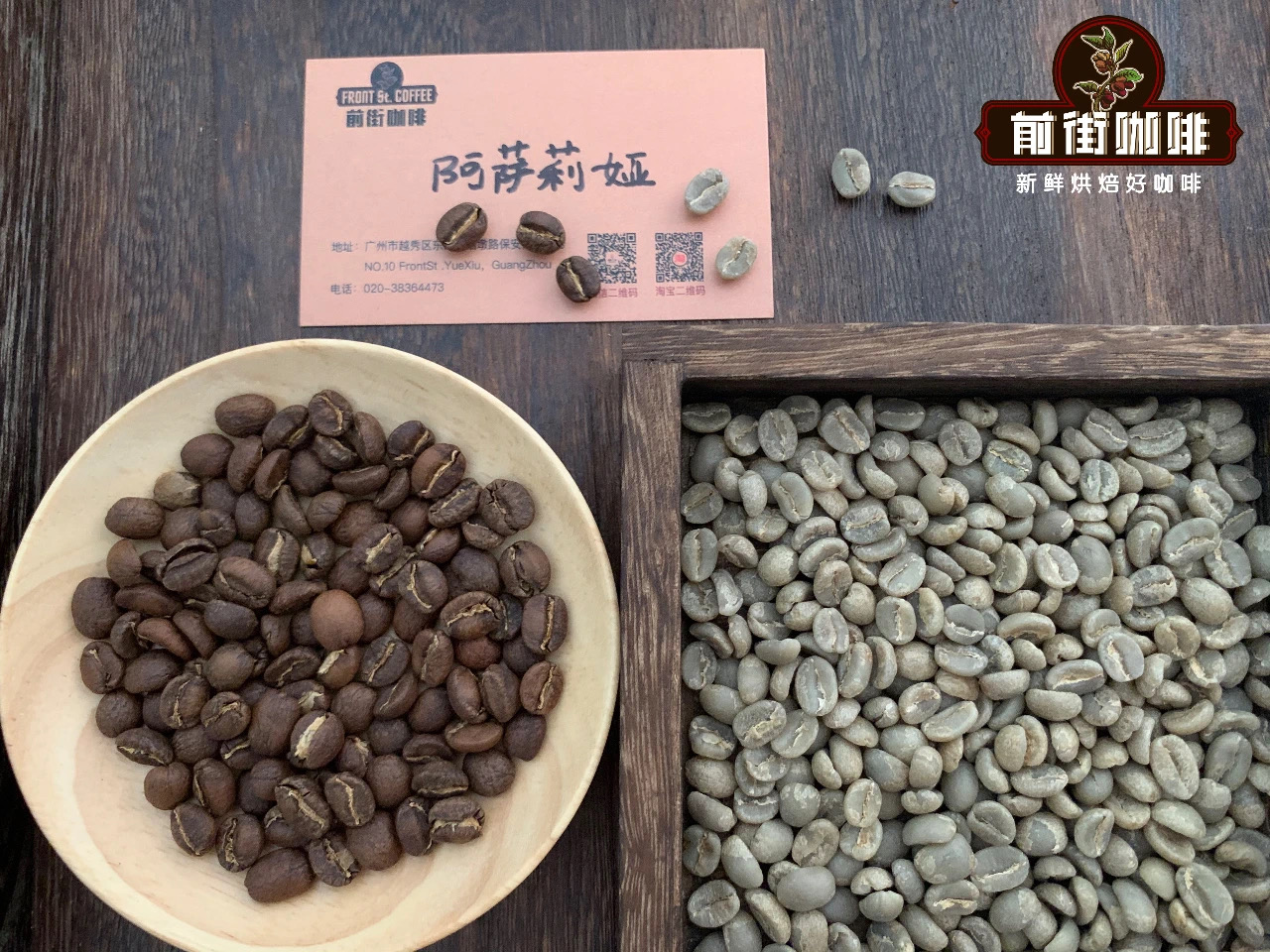 Country: Kenya
Region: Asali (Honey Processing Station)
Altitude: 1550-1750m
Variety: SL28, SL34
Processing: 72-hour washed processing
Flavor: Snow pear, black plum, brown sugar, cherry tomato, plum
FrontStreet Coffee Kenya Thagini Estate PB Coffee Beans
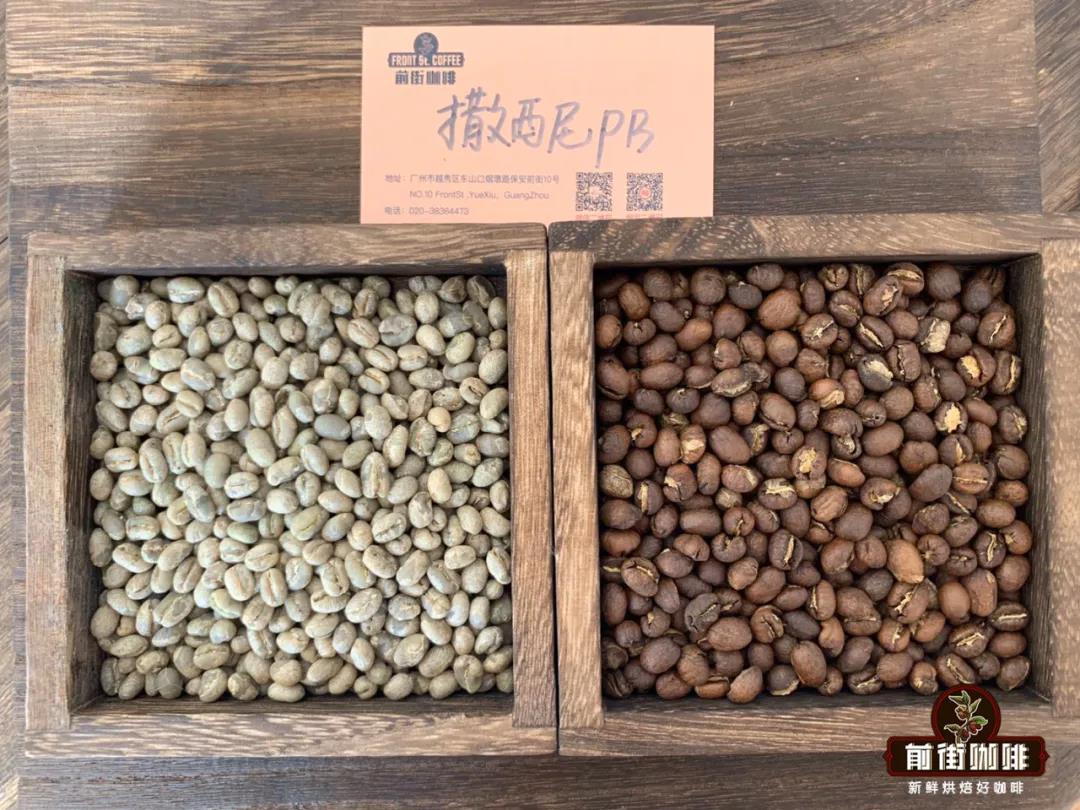 Country: Kenya
Region: Thagini Estate
Altitude: 1680m
Variety: SL28, SL24, Ruiru
Processing: 72-hour washed processing
Flavor: Cherry tomato, almond, black plum, honey, grape
FrontStreet Coffee Roasting Analysis
For this roast, FrontStreet Coffee chose Kenya Thagini beans. This dense coffee comes from a high altitude and has relatively hard beans. We started with a higher rate of rise, with yellowing at about 5 minutes, then reduced the heat to enter the Maillard reaction, and reduced the heat again at 166°C to extend the Maillard phase. When first crack begins, the endothermic reaction is strong, so it is best to maintain heat at this stage to prevent stalling. A longer first-crack development helps reduce acidity and develop flavor.
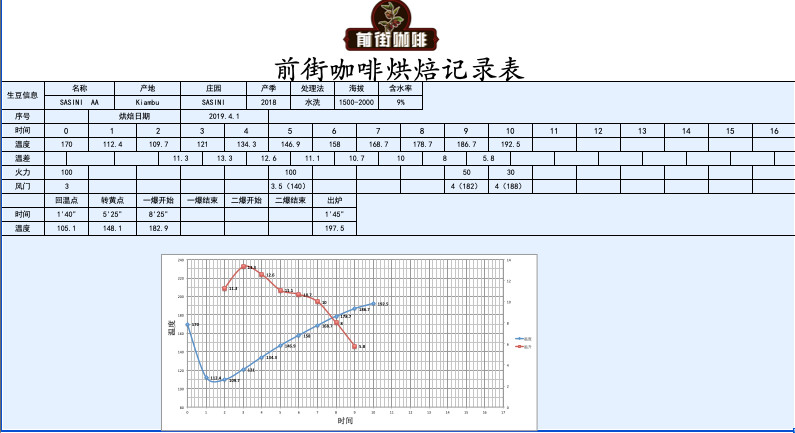 Roaster: Yangjia 800N (300g batch size)
Charge temperature: 170°C, heat 100%, damper 3; return point at 1'42", when temperature reaches 140°C, open damper to 3.5, heat unchanged; at 149°C the bean surface turns yellow, the grassy smell disappears completely, entering the dehydration stage.
7'14" dehydration complete, heat and damper unchanged; at 7'30" the bean surface shows wrinkles and black patterns, the toast aroma turns to coffee aroma, the prelude to first crack—listen carefully for the first crack sound. At 8'20" first crack begins, open damper to 4, reduce heat to 50. Post-first-crack development time 1'50", reduce heat to 30 at 188°C, flatten the rise, discharge at 193.3°C.
FrontStreet Coffee Brewing Suggestions
 Dripper: V60 or flat-bottom dripper
Water temperature: 88-90°C
Coffee-to-water ratio: 1:15
Grind size: Fine grind (Chinese standard 20-mesh sieve, 80% pass-through)
Brewing method: pour-over in stages. Use 30g of water for a 30-second bloom, continue pouring in small circles to 124g, then segment. When the water level drops and is about to expose the coffee bed, continue pouring to 228g and stop. When the level drops again and is about to expose the bed, remove the dripper (timing starts from the bloom). Extraction time: 1'55".
Brewed in a V60 it smells floral, with cherry tomato, citrus, and nutty acidity at entry, cream aroma in the middle, a brown sugar sweetness on the finish, and cocoa and oolong tea in the aftertaste. The layers are rich, with an obvious floral aroma. Brewed in a flat-bottom dripper it smells of herbs and cherry tomato, the juice quality is more obvious, and the acidity is more lively.
For more specialty coffee beans, please add FrontStreet Coffee's private WeChat: kaixinguoguo0925
FrontStreet Coffee Recommendation
Kenyan coffee's bright, complex acidity is what draws so many people in, and it is a love-it-or-leave-it trait. If that style is not for you, FrontStreet's Jamaican Blue Mountain No. 1 is the classic balanced alternative. It comes from the historic Clifton Estate and is a top-grade lot, with the estate's coffee cultivation dating back to around 1750. Grown at an average of 4,300 feet (1,310.64 m), it develops the creamy, caramel, chocolate, nutty, and honeyed complexity Blue Mountain is known for—smooth and rounded, sweet through the middle, and clean on the long finish.
FrontStreet's Blue Mountain is medium-dark roasted and best brewed with a Kono dripper at 87–88°C, 15 g of coffee, a 1:15 ratio, and a slightly coarser grind than a light roast, poured in three stages. Genuine Blue Mountain is shipped in traditional wooden barrels in 15, 45, and 70 kg sizes, each barrel itself a mark of authenticity, and FrontStreet displays the Clifton Estate certificate and origin documentation. For those who want the full, layered Kenyan character, the Asali and Thagini lots listed above are excellent places to start.
Important Notice :
FrontStreet Coffee is a long-established specialty coffee roaster in Guangzhou China, selling freshly roasted beans from its own farm in Yunnan as well as dozens of carefully selected single-origin beans from around the world for both pour-over and espresso. The products deliver consistently excellent quality and great value, with shipping within 24 hours. Guangzhou's FrontStreet Coffee shop is recommended by many coffee lovers, and the beans are now available online at the Tmall 。
FrontStreet Coffee has moved to a new address:
FrontStreet Coffee Address: 315,Donghua East Road,GuangZhou
Tel:020 38364473
 Scan and follow the En Gafei WeChat official account. Please indicate that the reprint comes from "En Gafei".