What are the Characteristics of Ethiopian Washed Yirgacheffe and Natural Process Coffee Beans?

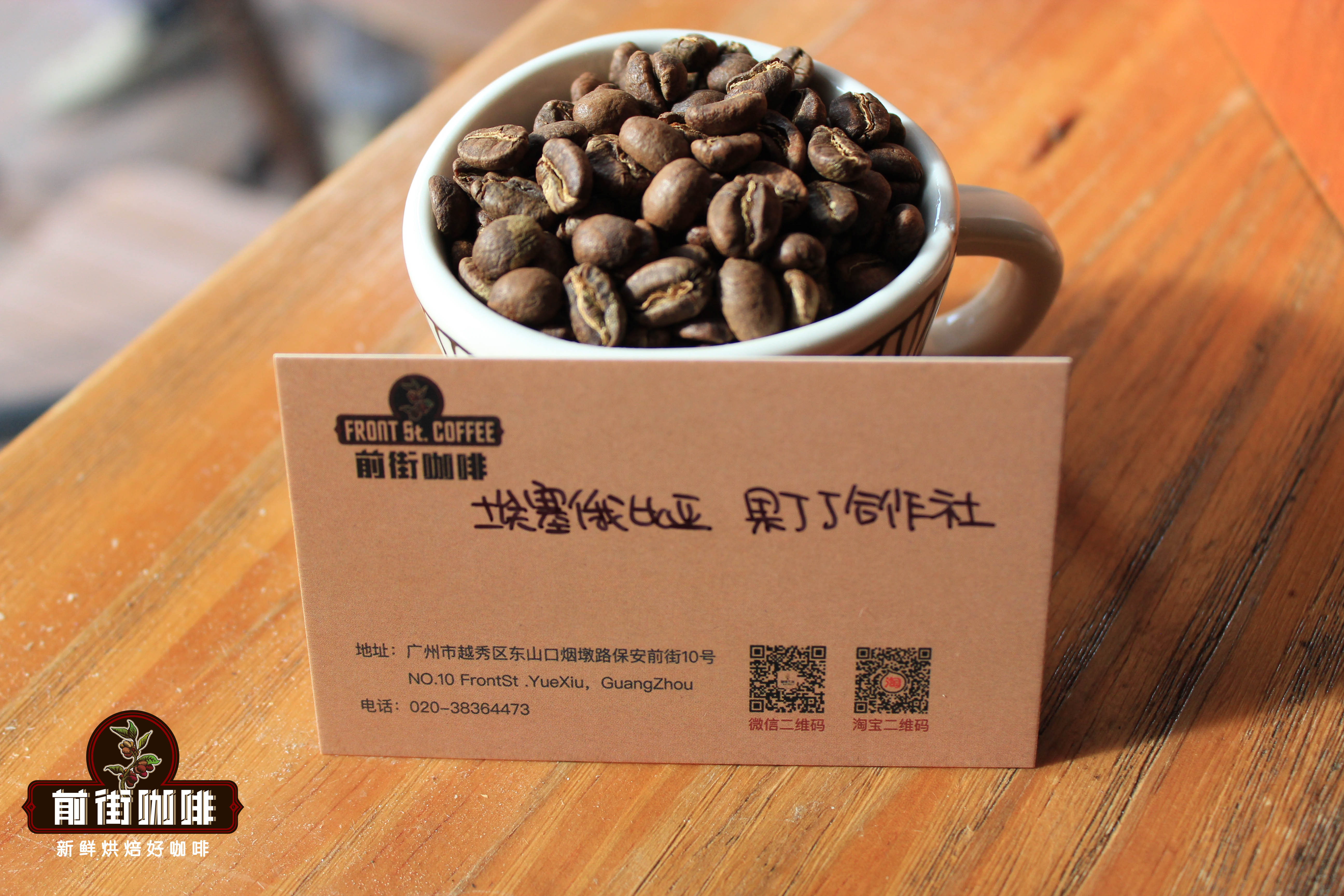
As a fan of floral and fruity coffees, FrontStreet Coffee offers multiple Ethiopian coffees on its menu, the most representative being the washed Banko Gotiti Cooperative, natural Red Cherry, Sidamo Guji, and the iconic washed Yirgacheffe daily brew. Among customers who visit FrontStreet Coffee, those seeking bright, uplifting fruit acidity are guided by the baristas toward washed Yirgacheffe from the bean shelf, such as Banko Gotiti Cooperative; for those who want full, rounded fruit sweetness, FrontStreet Coffee believes naturally processed coffee is more suitable, such as natural Red Cherry.
Ethiopian Origin
As the universally recognized birthplace of coffee, Ethiopia boasts unparalleled varieties and exceptional quality. Coffee is not only an important local economic crop and export commodity but also a significant part of Ethiopia's long-standing cultural heritage. Coffee can truly be called Ethiopians' greatest source of pride.

The terrain in Ethiopia is extremely high in altitude, with vast highlands creating an excellent climate and significant day-night temperature differences. Mornings are shrouded in clouds and mist with gentle mountain breezes, afternoons offer abundant sunshine, and nighttime temperatures drop to around ten degrees Celsius without frost—creating the perfect environment for coffee cultivation. Ethiopia has numerous growing regions, and with different soils and microclimates, combined with variations in post-processing, coffee flavors vary accordingly. The names most often heard in coffee shops are Yirgacheffe, Sidamo and Guji—major flavor representatives whose distinctive aromas have been passed down by word of mouth in the coffee community.
Thanks to Ethiopia's superior natural conditions, coffee trees are ubiquitous, with households planting them alongside other crops in their front yards and back gardens. Yields are not high, so cherries are typically picked and sent directly to town processing stations, ultimately named and sold by the processing plant (cooperative) name—Banko Gotiti Cooperative, for example, is a well-known local production team. This pastoral model is the most common planting pattern locally and provides basic income support for more Ethiopians.
Banko Gotiti Cooperative's Washed Processing Techniques

Banko Gotiti Cooperative, named after a small village in the Gedeo region, is renowned for growing Ethiopia's finest-quality coffee. Originally part of the Worka Cooperative under the Yirgacheffe Coffee Farmers Cooperative Union (YCFCU, comprising 26 cooperatives with 45,000 members), Banko Gotiti became independent in 2012 thanks to its mature washed processing techniques, becoming a household name.
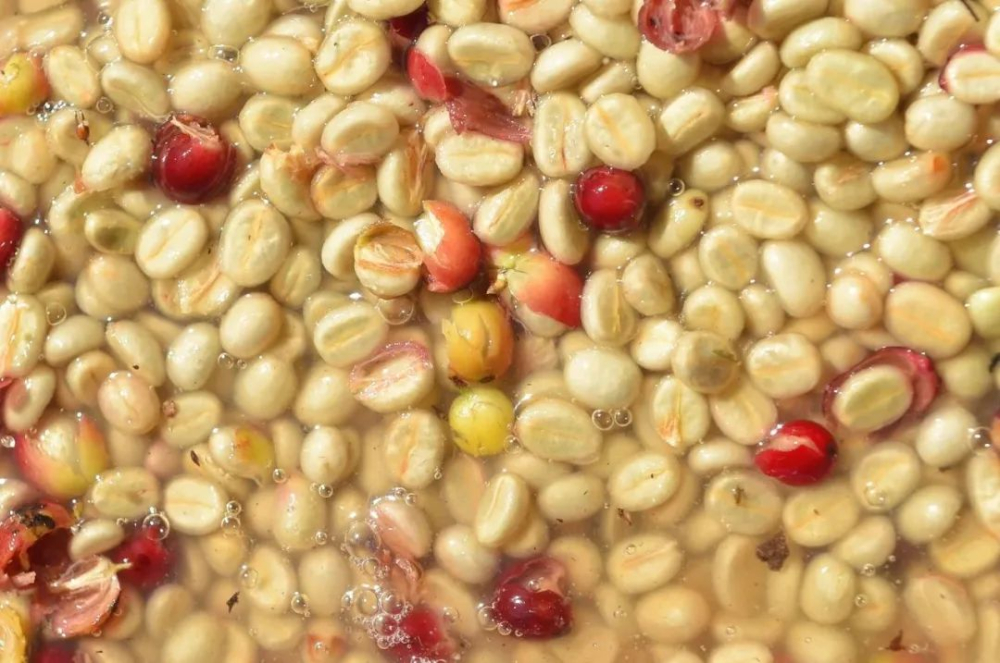
Traditionally, farmers placed harvested cherries directly on terraces or spread them on the ground, drying them under direct sunlight until they reached about 12% moisture content before being sent for hulling and packaging. Coffee processed this way often showed earthy flavors, over-fermentation and rotten-fruit notes. To improve these flawed flavors, Ethiopia introduced washed processing technology from Central and South America. Cooperative members sort, clean, ferment and remove pulp and mucilage from purchased cherries, then place them on raised beds for drying. Each step must be handled properly to ensure the final quality.
The washed processing method transformed Yirgacheffe coffee from its previous inconsistency, revealing fresh citrus tones and elegant white floral aromas after roasting, with overall bright, delicate flavors. Consequently, Yirgacheffe became independent from the Sidamo region to become today's renowned growing area celebrated in the coffee community.
What Are the Flavor Characteristics of Natural Processed Yirgacheffe?
Ethiopia's high altitude, low rainfall and long sunshine hours make it ideal for natural drying. The so-called "natural process" involves drying ripe cherries directly after harvest. During drying, sugars and aromas from the fruit pulp are well preserved and permeate into the raw beans. The longer the natural processing time, the more thorough the fermentation. Because the cherries dry naturally, the beans mature within the fruit without external interference, so naturally processed coffee amplifies its inherent flavors, with distinct tropical fruit notes, full fermentation and sweetness. FrontStreet Coffee's Sunflower Warmth Italian blend incorporates 30% naturally processed Yirgacheffe Red Cherry coffee beans, carrying a berry-like sweet-and-sour charm.
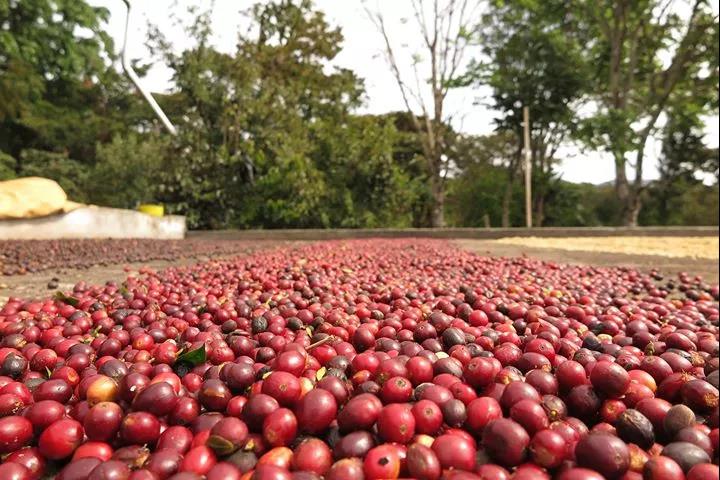
The name Red Cherry coffee originates from the 2007 "Red Cherry Project," led by the then-largest Dutch coffee merchant Trabocca BV, aiming to encourage Ethiopian farmers to produce higher-quality coffee. It focused on improving washed, semi-washed and natural processing in high-altitude regions like Yirgacheffe, with professional cuppers involved. During harvest, different picking quantities were set for different microclimate zones, requiring the harvest of only 100% mature red cherries. Appropriately ripe cherries combined with refined processing enabled flavors to achieve a qualitative leap, with farmers receiving correspondingly richer compensation—a win-win outcome.
Yirgacheffe's Flavor and Mouthfeel
FrontStreet Coffee believes the greatest characteristic of Ethiopian coffee lies in its fruit acidity and floral aromas, praised by many coffee professionals as "fruit bombs." Since such explosive aromas should be highlighted, the roast level naturally shouldn't go too deep, so FrontStreet Coffee uses medium-light roasting to showcase the coffee's fruity notes.
Cupping Flavors:
The dry aroma of washed Banko Gotiti Cooperative coffee gives off fresh passion fruit, citrus and berry sour notes. The wet aroma reveals citrus and berries, with citrus acidity and berry sweetness on entry, accompanied by almond and tea-like sensations and a honey-sweet aftertaste. Light body, bright acidity, clean and refreshing.

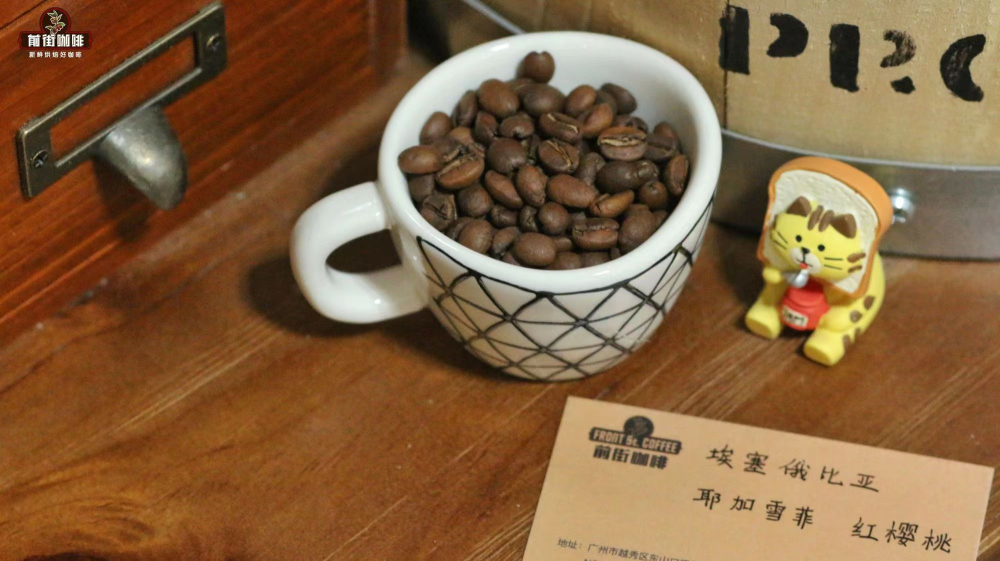
The dry aroma of natural Red Cherry coffee presents full berry sweet-and-sour notes. At different temperatures it reveals gentle berry sweet-and-sourness, mature fruit fermentation, distinct honey sweetness and a black-tea aftertaste, with a smooth mouthfeel.

FrontStreet Coffee's Yirgacheffe daily brew also uses washed processing and a medium-light roast, carrying classic Yirgacheffe flavor notes and suiting various brewing methods including pour-over, cold brew and French press. The daily brew series lets newcomers experience basic regional flavors at affordable prices, with small packaging designs that prevent waste from unfinished coffee. If you wish to taste Yirgacheffe's classic aromas, FrontStreet Coffee believes hand-poured black coffee is most suitable.
Yirgacheffe Pour-Over Parameters Sharing
Dripper: V60
Water Temperature: 92-93°C
Dose: 15g
Ratio: 1:15
Grind Size: Fine sugar size (78% retention in #20 sieve cup)

Three-Stage Pour: Wet the coffee bed with twice the amount of water as the coffee dose, forming a dome for a 30s bloom, then pour with a small water stream from inside to outside in circles to 125g for the first split. Wait until the coffee bed drops to half the dripper level, then continue with the same fine stream for the third stage to 225g. Remove the dripper once all coffee liquid has filtered through, taking approximately 2 minutes total.

When washed Yirgacheffe daily brew coffee is ground into powder, you can smell honey and jasmine fragrance. As FrontStreet Coffee pours hot water, it begins to release subtle berry aromas. The hand-poured black coffee enters with bright lemon, citrus and green tea notes, revealing berry, cream and sugarcane aftertastes as the temperature changes, with a distinct sweet aftertaste and a clean, sweet mouthfeel.
FrontStreet Coffee Recommendation
If you are new to the region, FrontStreet's washed Yirgacheffe daily bean is the classic starting point. It is known for white jasmine, bright citrus and lemon acidity and a tea-like body, and its friendly price has made it the first specialty bean for many drinkers. Brew it as pour-over with a V60 at 90-91°C, 15g at a 1:15 ratio and a fine-sugar grind, and you get exactly the clean, refreshing cup described above.
For a more precise single-lot version of that washed style, FrontStreet Yirgacheffe Gutingin Cooperative comes from a skilled station in Gutingin village, in the Worka area at the southeastern edge of Yirgacheffe. The traditional washed processing strips the fruit before drying, so the inherent aromas come through more clearly: elegant white florals, citrus and lemon, bright and delicate overall.
If you want the natural side instead, FrontStreet Yirgacheffe Natural Red Cherry is made from 100% fully ripe red cherries. Because the fruit dries with the pulp attached, it keeps the typical Yirgacheffe character while adding tropical fruit, a berry-juice body, honey sweetness and a creamy smoothness, a fuller and sweeter counterpart to the crisp washed lots.
Important Notice :
FrontStreet Coffee is a long-established specialty coffee roaster in Guangzhou China, selling freshly roasted beans from its own farm in Yunnan as well as dozens of carefully selected single-origin beans from around the world for both pour-over and espresso. The products deliver consistently excellent quality and great value, with shipping within 24 hours. Guangzhou's FrontStreet Coffee shop is recommended by many coffee lovers, and the beans are now available online at the Tmall 。
FrontStreet Coffee has moved to a new address:
FrontStreet Coffee Address: 315,Donghua East Road,GuangZhou
Tel:020 38364473
 Scan and follow the En Gafei WeChat official account. Please indicate that the reprint comes from "En Gafei".