Robusta Coffee Bean Prices - Why Robusta Has a Bad Reputation - How to Brew Robusta Coffee
People might put it this way: if Arabica is a gift from angels, Robusta is like the devil's snot — forever scorned and rejected by coffee connoisseurs.
We tend to see the world in binaries: good and bad, kind and evil, superior and inferior. The coffee world is no exception.
Arabica is always filed under "good," while its distant cousin Robusta is usually filed under "bad." If Arabica is a gift from angels, Robusta is the devil's snot, right? Not so fast.
Why Does Robusta Have Such a Bad Reputation?
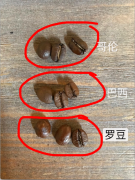
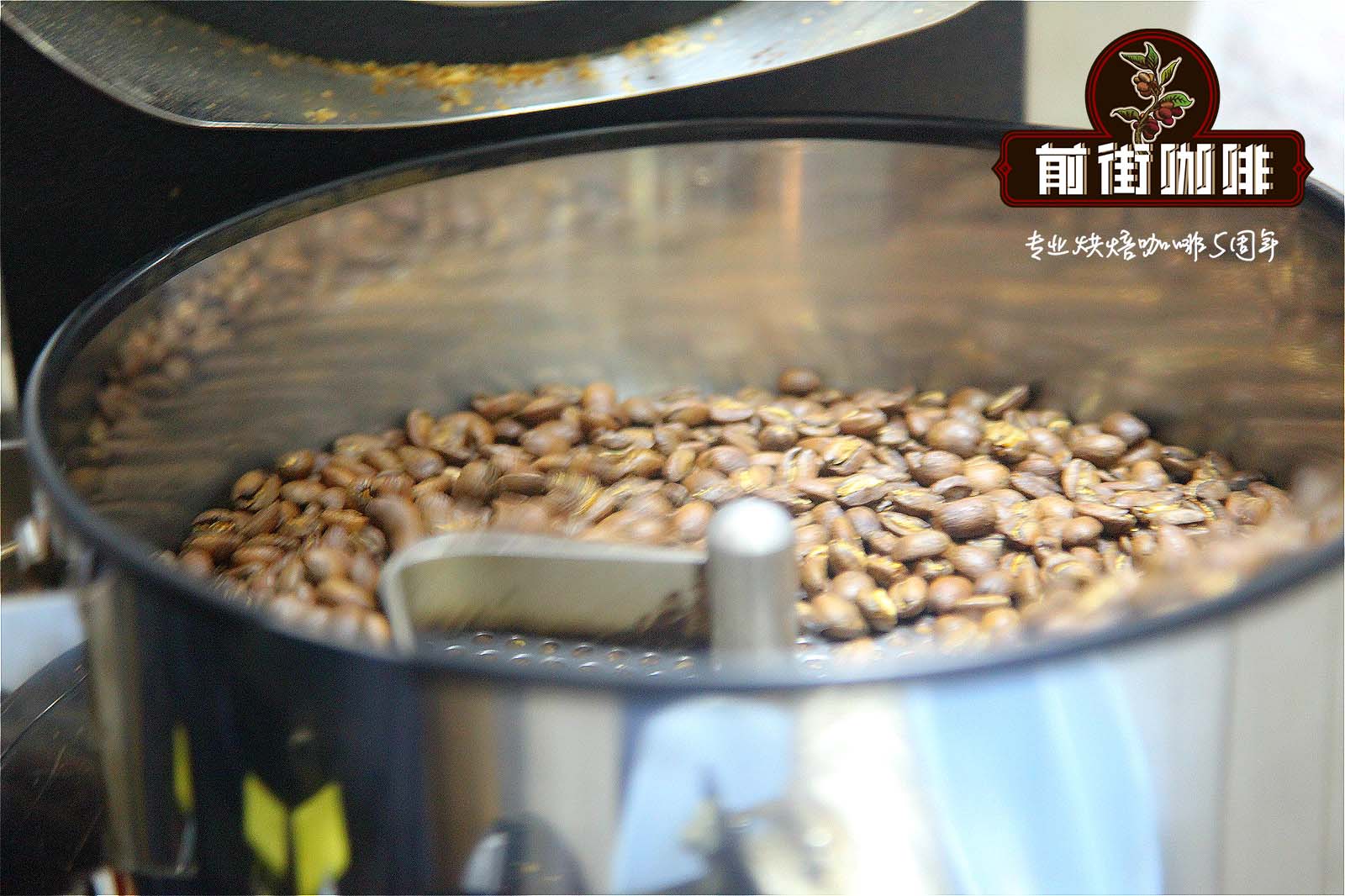
Robusta beans are round and, at a glance, resemble soybeans. The plants resist disease and pests well, yield heavily, and sell cheap. The specialty industry's historic dislike of Robusta comes from the fact that it usually lacks charming, delicate flavors.
The bigger problem is its position as a cheap commodity: because it is treated as a low-priced product, cultivation and processing are often extremely rough, producing a flood of defect flavors — earthy, dirty tastes, and sometimes even notes of burnt tires or burning plastic.
Ten years ago I had the chance to taste several cheap Vietnamese Robustas, and a few of them were unforgettable for the wrong reasons: burnt barley tea seasoned with tire, trailed by nine other defect flavors. I spat them out and never wanted another sip.
Why Discuss Robusta If It's So Bad?
Fair question. But everything has a good side and a bad side. Great beans take you to heaven; bad ones make you pound your chest — and that is as true of Arabica as it is of Robusta.
With the specialty coffee wave of recent years, carefully processed specialty Robustas have emerged around the world. The flagship example is India's "Kaapi Royale" grade.
"Kaapi Royale" means "top grade," and today at least four — and counting — private estates in India are producing it to the same standards and procedures used for specialty Arabica: meticulous full-washed processing, plus the pulp-natural method (a mucilage-dried, semi-washed process) that has become so popular in recent years.
The arrival of Kaapi Royale is quietly changing the world's impression of Robusta. Most people who try it are amazed by the combination of thickness and cleanliness. Thanks to rigorous cultivation and processing, its flavor profile is genuinely clean, free of the disturbing defect flavors found in cheap commercial Robusta.
The Unique Characteristics of Robusta
Robusta naturally lacks Arabica's ethereal aromatics. What it offers instead is a thicker, deeper mouthfeel, along with walnut, peanut, hazelnut, wheat, and grain notes reminiscent of peanut butter and hazelnut spread.
Production of Kaapi Royale is still small, but it is steadily winning over elite specialty professionals. In Seattle, David C. Schomer's renowned Espresso Vivace began adding 14% Indian Kaapi Royale to its espresso blends a decade ago. And Paradise Roasters, long ranked among America's top-scoring roasteries, broke ground in the North American specialty market by launching a 100% Robusta Indian CxR single-origin espresso in 2009, earning 90- and 91-point ratings from Coffee Review in 2009 and 2010. Robusta is no longer what it used to be.
Incidentally, Kaapi Royale is not cheap — it rivals many high-end Arabicas. So please, stop saying all Robusta is bad beans. Times have changed, and as quality Robusta gains recognition, it will inevitably set off chain reactions in specialty coffee culture.
Italy's Love Affair with Robusta
Ask which country loves Robusta most and there is no contest: Italy, the home of espresso. More precisely, the heaviest Robusta usage is in the south — Palermo, Naples, Sicily and their neighbors.
In southern Italy, the coffee people drink daily often contains a very high share of Robusta: 30% to 60% is commonplace, and some blends run to 80% or even 100%.
Open a local green-coffee wholesaler's catalog and you will find dozens of Robusta lots from producing countries around the world, ready for local roasters to choose from — a phenomenon that would be almost unimaginable in the US, Canada, Northern Europe, or Japan.
The Italian Secret: Beyond Crema
You might wonder why Italians mix so much Robusta into their Arabica. The standard explanation is that Robusta boosts the crema in espresso.
That is only half the story. There is another, lesser-known reason.
Southern Italy was historically poor, and people could only afford the cheapest coffee. Robusta entered the blend, first of all, to cut costs.
But after decades of roasting and blending with Robusta — and with the Italians' natural instinct for good cooking — they discovered that Robusta brings aromas and qualities Arabica simply doesn't have. A skilled roaster, like a skilled chef, who understands those qualities can turn them into something with genuine magic.
Scientific Differences and a Metaphor
Arabica has 44 pairs of chromosomes; Robusta has only 22. Their caffeine contents run about 1.5% and 2.8% respectively. The two cannot be cross-bred — they are entirely different species, which explains why Arabica and Robusta differ in so many ways.
Here is my favorite analogy: Arabica beans are like "earthlings" — we run into them everywhere and know them well. Robusta beans are like "aliens" — outwardly similar, inwardly completely different. Earthlings and aliens each have their own strengths. They are different species that can never intermarry, yet with clever arrangement they can be placed side by side to complement each other and spark surprising chemistry.
Everything has its purpose. Robusta and Arabica are both gifts from heaven; the only difference is how you use them.
FrontStreet Coffee Recommendation
If this article makes you curious what a touch of Robusta can do, FrontStreet Coffee's Classic Blend is a great demonstration. It pairs soft, mellow Brazilian beans with wild Mandheling and a small proportion of Robusta, extracting a crema that is abundant yet fine, with layered aromatics — butter and roasted chestnut shine through in a Dirty, and it pulls dependable shots on almost any machine.
For a Robusta-free counterpart with the same deep-roast comfort, FrontStreet's PWN Golden Mandheling SOE is top-grade G1 Mandheling, triple hand-sorted, roasted medium-dark for caramel, dark chocolate, and toasted bread notes with a thick body and long, sweet finish.
Important Notice :
FrontStreet Coffee is a long-established specialty coffee roaster in Guangzhou China, selling freshly roasted beans from its own farm in Yunnan as well as dozens of carefully selected single-origin beans from around the world for both pour-over and espresso. The products deliver consistently excellent quality and great value, with shipping within 24 hours. Guangzhou's FrontStreet Coffee shop is recommended by many coffee lovers, and the beans are now available online at the Tmall 。
FrontStreet Coffee has moved to a new address:
FrontStreet Coffee Address: 315,Donghua East Road,GuangZhou
Tel:020 38364473
 Scan and follow the En Gafei WeChat official account. Please indicate that the reprint comes from "En Gafei".