Introduction to Robusta Coffee Bean Characteristics and Differences Between Robusta and Arabica Beans - Pros and Cons
Introduction to Coffee Varieties
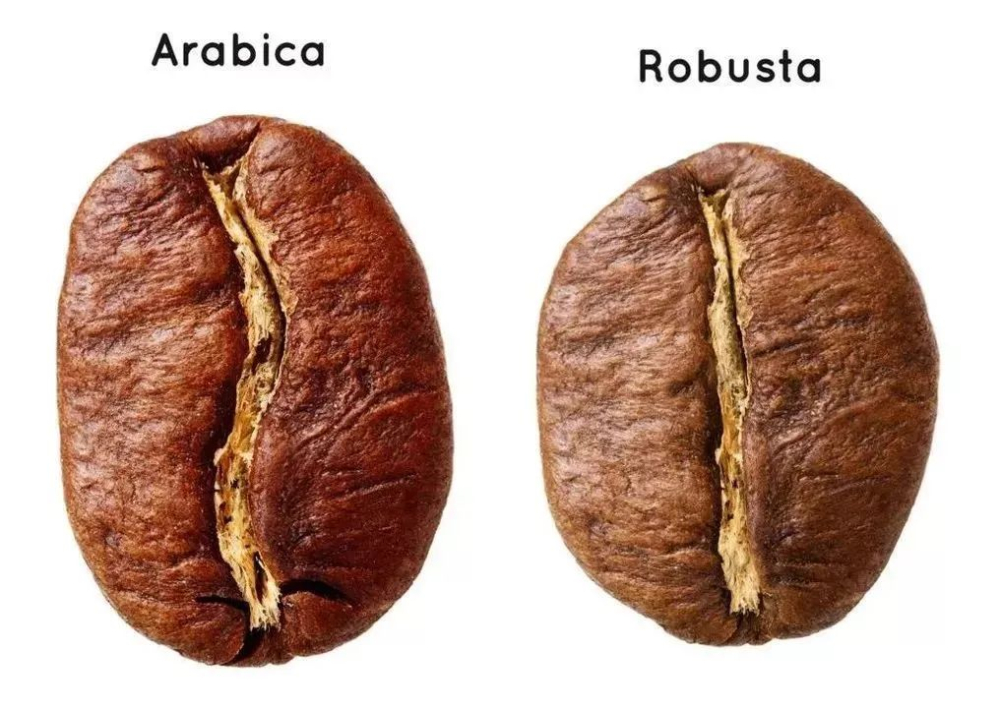
In daily life we often hear about two major coffee varieties: Arabica and Robusta. Compared with the universally beloved Arabica, it seems hard to find Robusta on the market. Why is Robusta so unpopular? In this article, FrontStreet Coffee compares the two varieties to show you exactly what sets them apart.
Two Commercially Grown Coffee Varieties
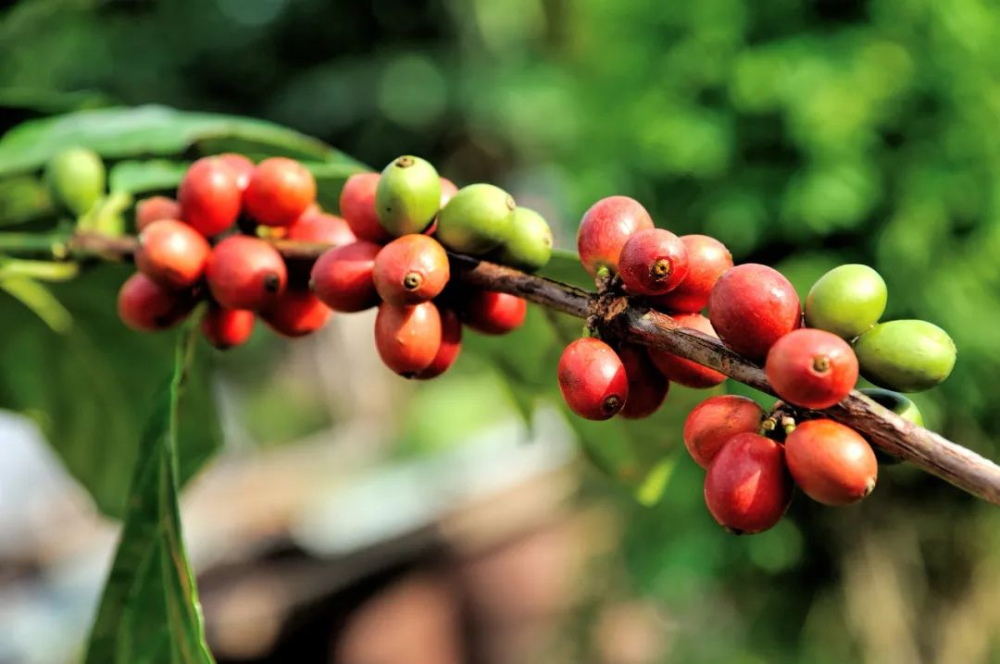
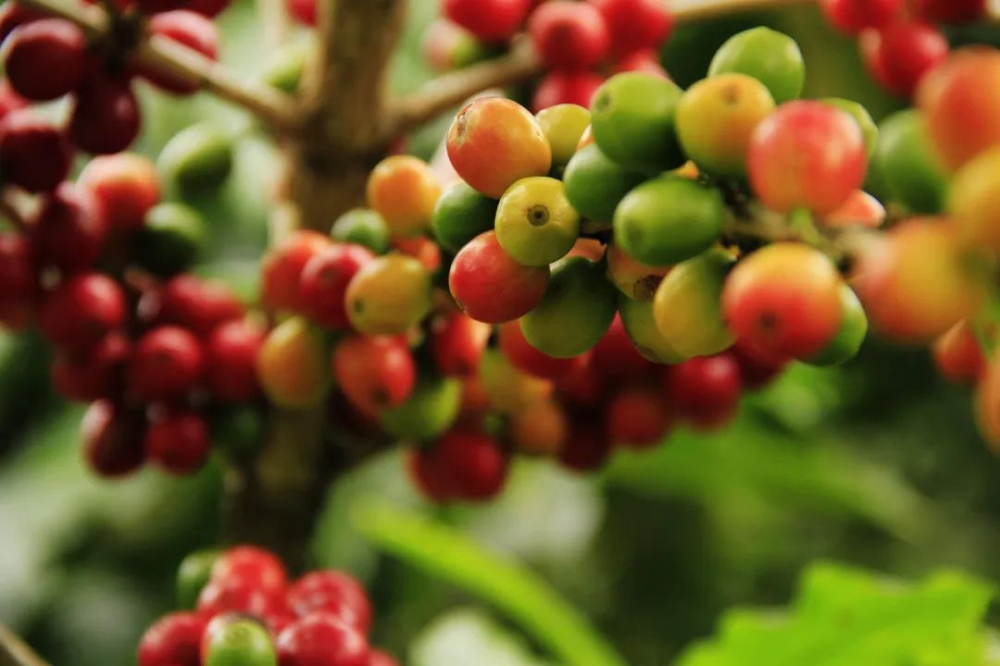
Coffee is a flowering, fruit-bearing tree from the Rubiaceae family. Because its fruits usually appear red or purple, similar to cherries, they are also called coffee cherries. The coffee beans we commonly refer to are the seeds with the pulp removed. Each fruit generally contains two coffee seeds, and a coffee tree can produce about 0.9kg of green beans a year. While hundreds of coffee varieties exist worldwide, only Arabica and Robusta are widely cultivated for commercial purposes today, with Arabica accounting for 70% of production.
As tropical cash crops, coffee is mostly grown in the coffee belt between the Tropics of Cancer and Capricorn. It requires relatively high, stable temperatures, abundant annual rainfall and sunshine, and fertile, well-drained soil, all of which are conditions for producing high-quality coffee. Today the coffee belt covers approximately 70 countries and regions. Places such as Brazil, Colombia, Ethiopia, Kenya, and Indonesia, as well as China's Yunnan and Hainan provinces in FrontStreet Coffee's own bean selection, all fall within this belt. Each growing region has a unique environment and microclimate, which gives coffee trees diverse growing conditions and shapes distinctive flavor profiles.
Advantages of Robusta and Arabica
As the most popular variety on the market, the many sub-varieties of Arabica develop unique, rich aromas and sweet-sour flavors based on the terroir of their growing environment, particularly high altitude, volcanic soil, and microclimate. Its smooth flavor profile makes it easier for most people to accept. When we analyze the substances contained in Robusta and Arabica, we find that Arabica's sucrose content is almost twice that of Robusta beans. Sucrose converts into aromatic compounds during roasting, allowing coffee to release more diverse sweet and fragrant aromas.
In the past, people drank coffee purely for a rich, mellow bitterness. With the spread of specialty coffee culture, drinkers now have higher expectations for flavor, mouthfeel, and quality. Arabica beans with their diverse aromas therefore better meet the demands of today's specialty coffee market. FrontStreet Coffee's Panama Geisha coffee, for example, has a unique orange blossom and honey fragrance that makes tasters feel as though they are drinking a cup of fruit tea.
Comparing the Two Varieties
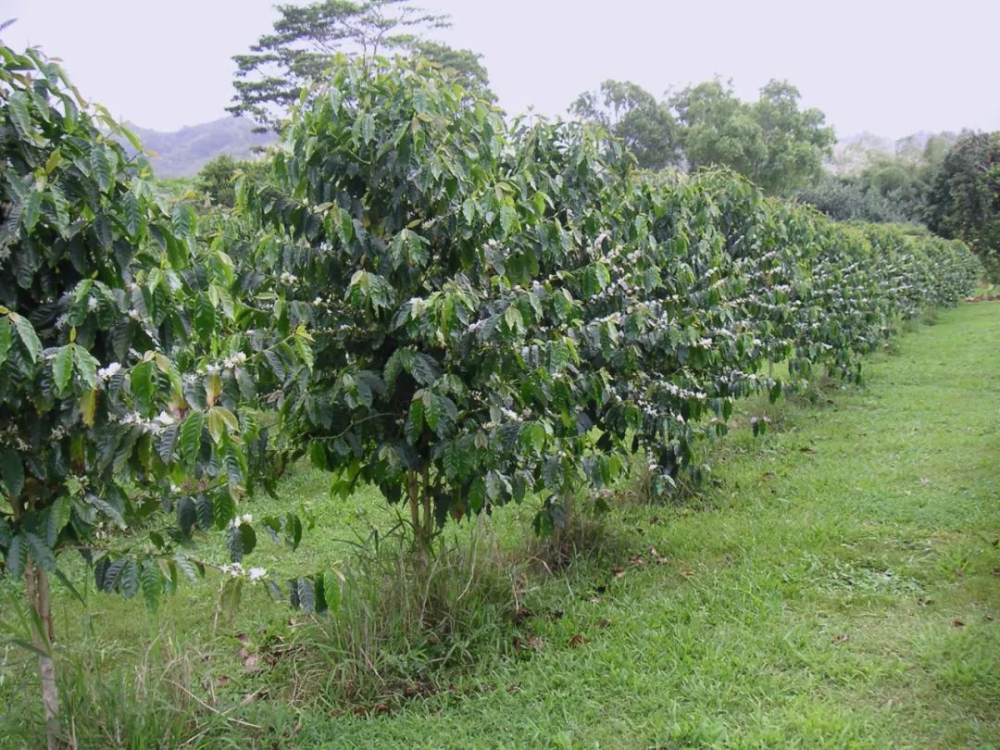
Compared with Arabica, Robusta has a higher caffeine content, roughly 2.7%-4%, about twice that of Arabica. Caffeine acts as a natural pesticide for the plant, protecting it from most insect damage. From a cultivation standpoint, Robusta trees tolerate high temperatures, cold, drought, and humidity. A single Robusta plant also yields a high amount of fruit and adapts well to its environment. It can generally be planted on low-altitude plains and managed and harvested mechanically, which makes it naturally cheaper. Robusta therefore needs lower production costs and suits commercial mass production.
Disadvantages of Both Varieties
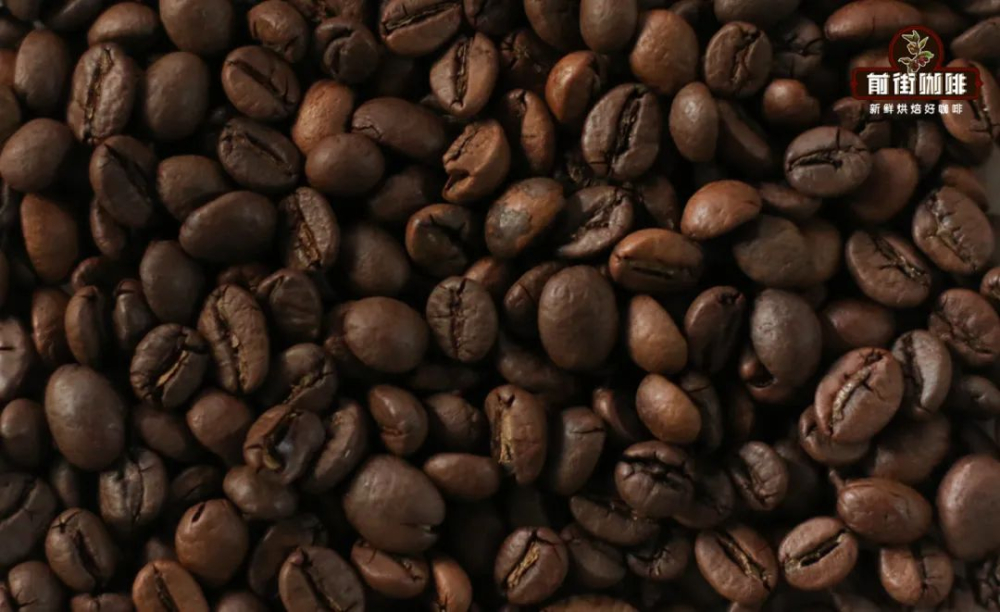
The reason Robusta is unpopular in coffee circles is mainly that its flavor is not as appealing as Arabica's. Robusta has a very high chlorogenic acid content, which is the source of bitterness in coffee. It usually carries a mellow, deeper bitterness along with notes of walnut, peanut, hazelnut, wheat, and grain. When processed poorly, it can also develop earthy flavors, so it is often used in dark-roasted espresso blends or as the raw material for instant coffee.
Although Arabica is preferred by more people, that does not mean it has no drawbacks. Arabica plants are very particular about their growing environment. Because Arabica has a low caffeine content, it is more susceptible to pests and needs to be planted above 800 meters in frost-free highlands. The higher the altitude, the greater the temperature difference, which helps coffee fruit accumulate flavor compounds and develop a fuller aroma.
To express diverse, positive flavors, a unique microclimate is essential as well as altitude. Many famous specialty coffees are produced under such microclimates. High-altitude terrain, however, is often uneven, which makes planting, management, and harvesting more difficult. High-quality Arabica therefore requires higher production costs.
Which to Choose: Arabica or Robusta?
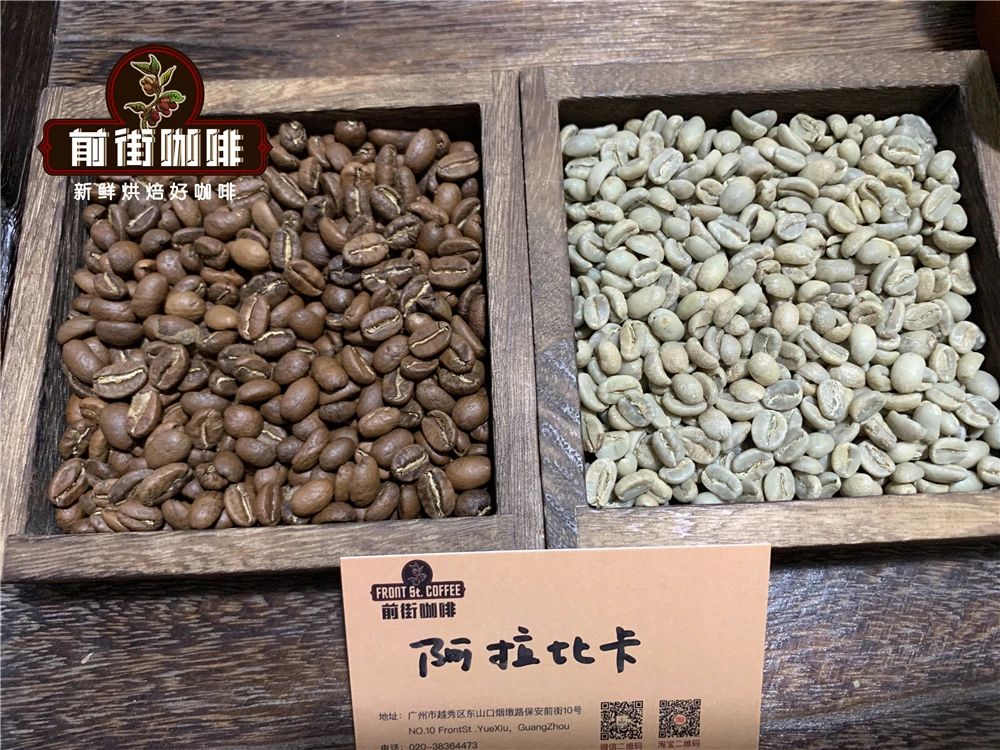
After reading FrontStreet Coffee's comparison above, we believe there is no need to rigidly rank Arabica and Robusta; simply choose the beans that suit you best. Among the dozens of coffees FrontStreet Coffee sells, Robusta appears alongside mainstream Arabica in the espresso blends.
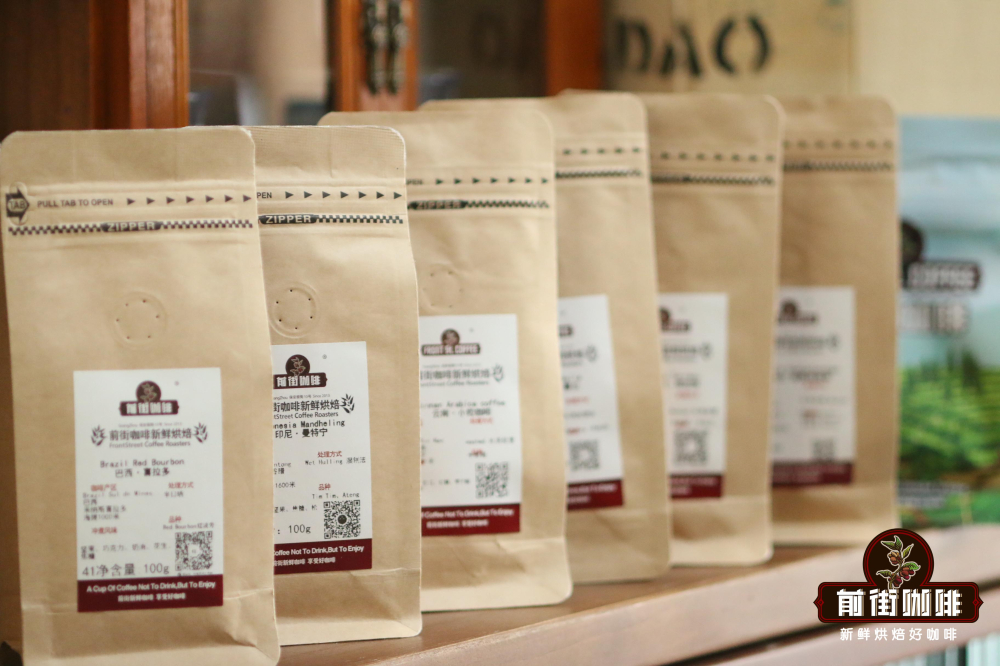
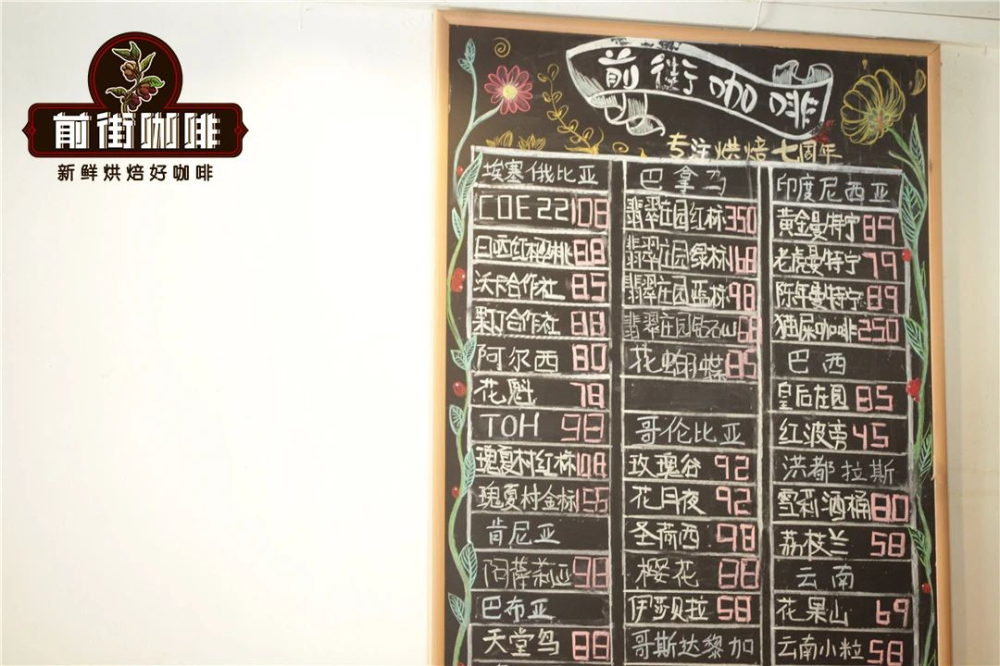
On FrontStreet Coffee's bean rack there is a cost-effective daily coffee series that carefully selects 7 classic growing regions, covering a range of representative origins, varieties, and natural processing methods. Daily coffee beans, as the name suggests, are varieties you can enjoy every day without worry; both price and flavor are very approachable. FrontStreet Coffee has chosen several "representative examples" to help everyone recognize the basic flavors of the major growing regions. These include Ethiopian washed Yirgacheffe, Guatemalan washed Huehuetenango, Colombian washed Huila, Brazilian natural pulped Cerrado, Costa Rican washed Tarrazu, Indonesian wet-hulled Lintong Mandheling, and Chinese Yunnan washed Baoshan. Each bean suits pour-over, cold brew, French press, and other methods. If you want to taste coffee's most original aroma, FrontStreet Coffee suggests enjoying it as black coffee.
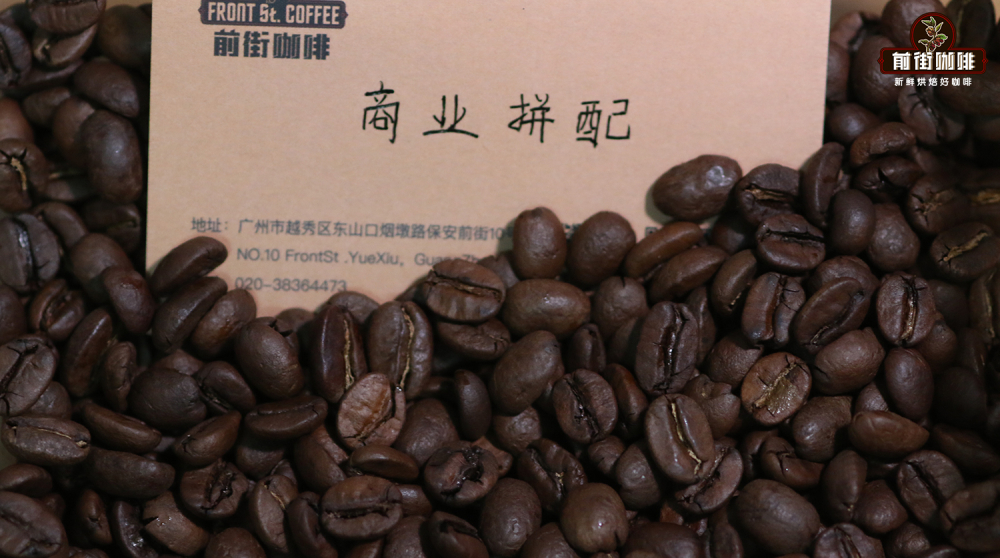
Because dark-roasted Robusta produces abundant oils during extraction, FrontStreet Coffee wanted one of its espresso blends to produce a rich, aromatic crema, so it added 10% washed Robusta beans. Combined with Colombian washed coffee (30%) and Brazilian natural pulped coffee (60%), this forms FrontStreet Coffee's commercial blend. The resulting espresso has a rich golden crema and nutty aromas. When tasting, you will notice a burnt coffee bitterness, but it is accompanied more by a creamy, full mouthfeel. After swallowing, the bitterness fades and leaves a fragrant aftertaste.
FrontStreet Coffee Recommendation
Whether you favor the sweetness of Arabica or the body that Robusta can add, FrontStreet Coffee offers beans that show both sides of this comparison. Their Yunnan small-bean coffee, washed and medium-roasted, delivers soft nut and chocolate notes with a hint of plum acidity, while the Yunnan 2013 natural Typica brings a cleaner, more layered cup with dark berry, caramel, and a black-tea finish. If you prefer the richer, lower-acid style, FrontStreet Coffee's Black Cocoa Blend combines Yunnan small bean with Brazil Cerrado for a balanced, nutty espresso base.
Important Notice :
FrontStreet Coffee is a long-established specialty coffee roaster in Guangzhou China, selling freshly roasted beans from its own farm in Yunnan as well as dozens of carefully selected single-origin beans from around the world for both pour-over and espresso. The products deliver consistently excellent quality and great value, with shipping within 24 hours. Guangzhou's FrontStreet Coffee shop is recommended by many coffee lovers, and the beans are now available online at the Tmall 。
FrontStreet Coffee has moved to a new address:
FrontStreet Coffee Address: 315,Donghua East Road,GuangZhou
Tel:020 38364473
 Scan and follow the En Gafei WeChat official account. Please indicate that the reprint comes from "En Gafei".