Pour-Over Yunnan Small Bean Coffee? Yunnan Typica and Catimor Brewing Methods and Flavor Characteristics

Understanding Yunnan Coffee Varieties
Most Yunnan coffees on the market today are Catimor varieties. FrontStreet Coffee's Yunnan Small Bean from the daily bean series is a Catimor variety, while FrontStreet Coffee's 2013 Natural Typica is a Typica variety. What are the differences between these two when brewed as pour-over? FrontStreet Coffee will discuss this with you.
To brew a coffee well through pour-over, you must first understand the beans themselves so you can achieve better results.
Yunnan: China's Premier Coffee Growing Region
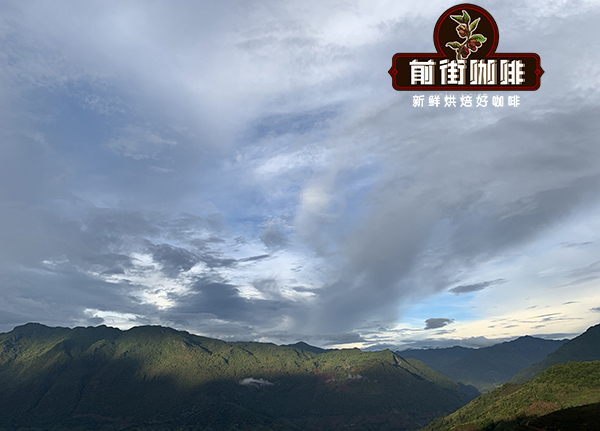
Yunnan is China's largest coffee-producing region. Coffee, as an agricultural crop, thrives in warm environments: it tolerates heat but not cold, and sufficient sunlight benefits its growth. The optimal planting temperature ranges from 16°C to 21°C. Consequently, centered on the equator and spanning from 25 degrees north latitude to 25 degrees south latitude, the World Coffee Golden Growing Belt was formed. China's Yunnan province lies exactly on this golden belt. Most areas of Yunnan sit between 1,000 and 2,000 meters, with fertile sloped soil, abundant sunlight, plentiful rainfall, and significant day-night temperature differences, all favorable conditions for coffee trees.
Yunnan Coffee Bean Varieties
Initially, Yunnan coffee was of the Typica variety. As an ancient Arabica branch, Typica beans are relatively small, hence the name Yunnan Small Bean, known among local farmers as the old variety. Today the variety primarily planted in Yunnan is Catimor. Catimor was developed by Portuguese breeders who hybridized Brazilian Caturra with Timor to create the F2 hybrid, which possesses exceptionally strong disease resistance and yield capacity. It has more robust vitality and higher yields than Yunnan's ancient Typica, but is slightly inferior in flavor.
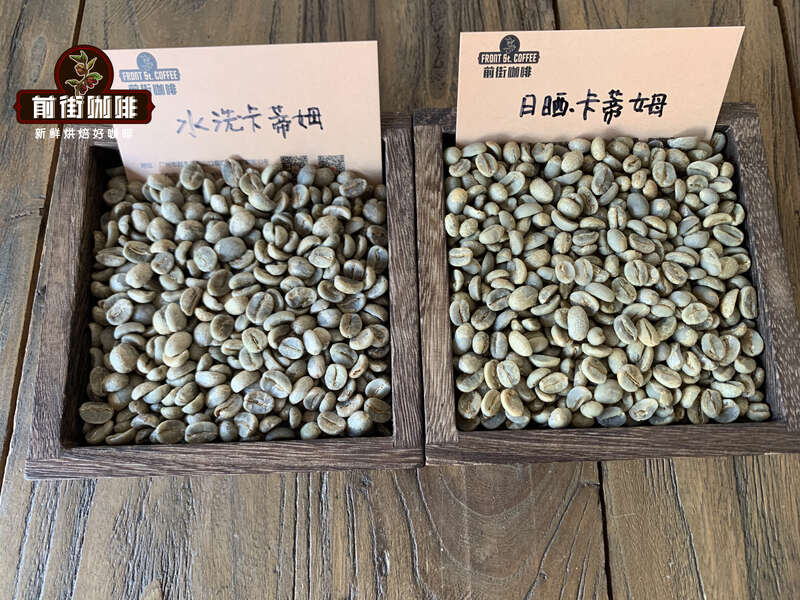
So why did Yunnan choose to plant Catimor instead of the superior Typica? First, the cost was too high. It is important to note that Yunnan originally planted Typica, but at that time there was no concept of specialty coffee; Yunnan coffee was mainly measured by futures prices. In the 1990s, Nestle introduced the higher-yielding Catimor to Yunnan for cultivation, using it as raw material for instant coffee.
Yunnan Coffee Growing Regions
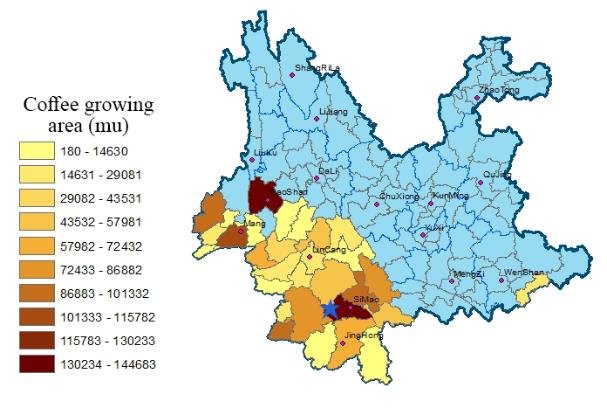
Coffee cultivation in Yunnan is mainly distributed throughout the southwestern part of the province, including four major producing areas: Baoshan, Dehong, Pu'er, and Lincang. The two FrontStreet Coffee Yunnan coffees on the daily bean menu come from Baoshan and Lincang respectively.
Dehong
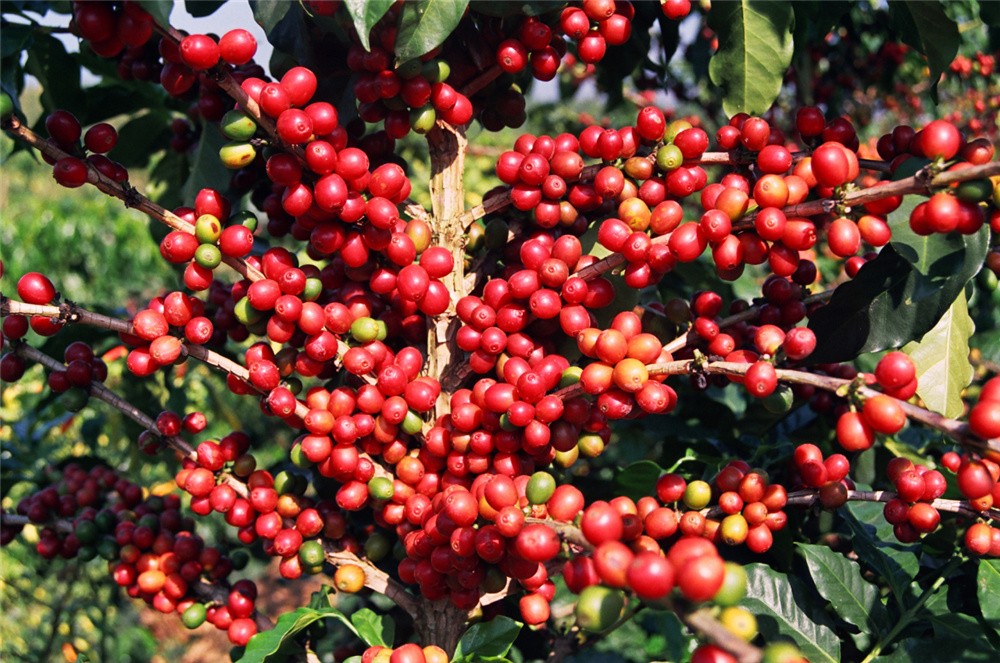
The birthplace of Chinese coffee, this region has elevations ranging from 1,000 to 1,600 meters and includes 2,000 hectares of coffee plantations. More importantly, most coffee here is grown organically, making it one of the world's highest-quality coffees.
Pu'er
The City of Coffee. In 2012, Pu'er's planting area reached 43,433 hectares, with 18,000 hectares of harvested coffee, producing 36,500 tons annually, of which 24,700 tons were exported. The Pu'er coffee industry has 70 registered enterprises and 30,000 households, about 1 million people in total. Known as the City of Thousand-Year Tea, Pu'er is an important Chinese coffee-producing region with the largest planting area, highest production, and best quality, and serves as a major distribution hub for international coffee business.
Baoshan
Small Bean Coffee is Baoshan's most famous coffee. This coffee took its first steps in the late 1950s and quickly received positive feedback from London. At the 1980 National Coffee Conference, it was recognized as the Crown of National Coffee. In December 2010, Baoshan Small Bean Coffee received A-grade certification and passed the China National Standard Administration process, being recognized as a product reflecting China's national geographical indication.
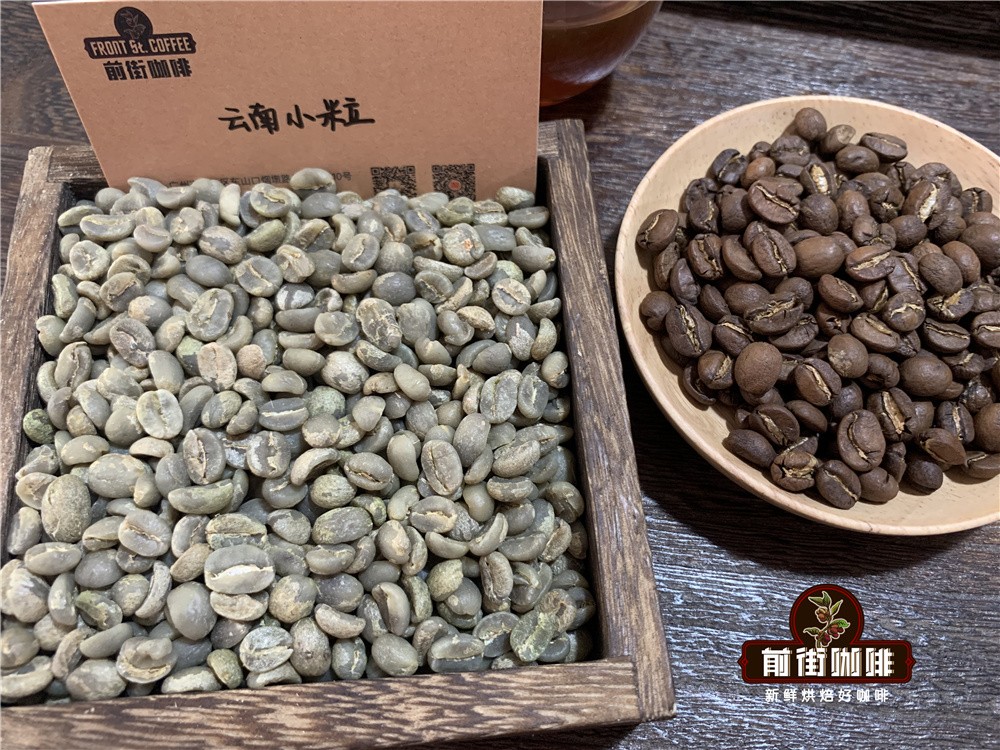
The FrontStreet Coffee Washed Yunnan Small Bean on FrontStreet Coffee's menu comes from Baoshan and is also one of FrontStreet Coffee's daily beans.
Lincang
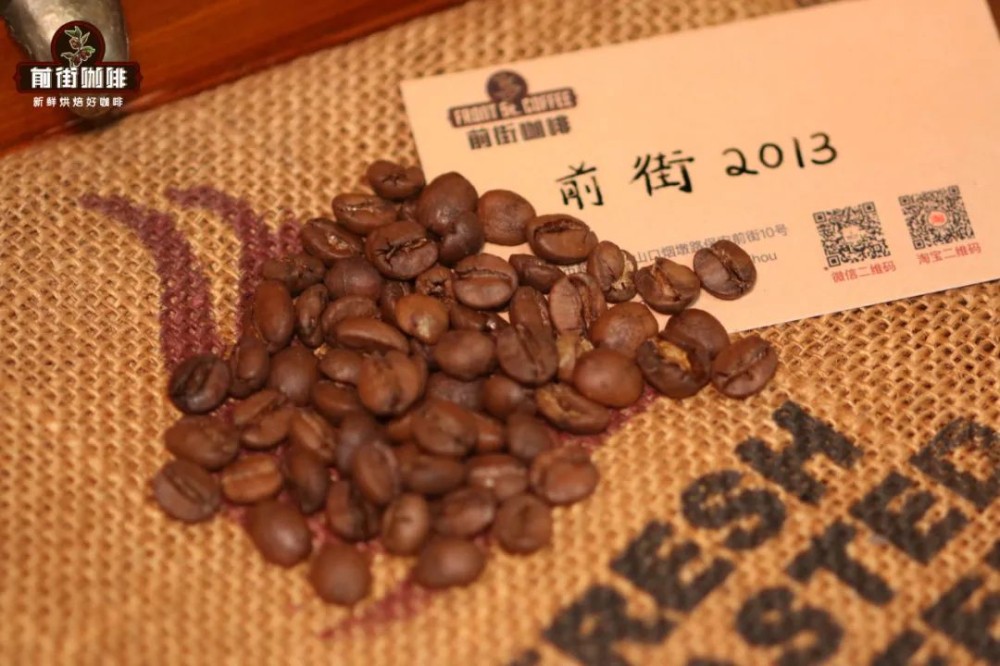
Lincang City sits in southwestern Yunnan Province, with the Tropic of Cancer crossing its southern part. It borders Pu'er to the east, Dali to the north, Baoshan to the west, and Myanmar to the southwest. Named for its proximity to the Lancang River, it is a brilliant pearl on China's southwestern border. Lincang's annual average temperature ranges between 16.8°C and 17.2°C, with distinct wet and dry seasons and abundant sunlight. FrontStreet Coffee took note of this green pearl on the border and established its own coffee estate in Lincang, one of Yunnan's main coffee-producing regions, early in the company's life, planting the most ancient Arabica variety: Typica.
Yunnan Coffee Bean Processing Methods
Because Yunnan has a perennial rainy season and an unstable climate, most Yunnan coffee is processed using the washed method. FrontStreet Coffee chose washed Yunnan Small Bean as one of its daily beans. Most of FrontStreet Coffee's daily beans are washed, because FrontStreet Coffee believes washed processing better reflects a coffee's own flavor characteristics and lets us experience the regional flavors more clearly.

Washed Processing Method
Washed processing uses machines to remove the skin and pulp from harvested coffee cherries, places the depulped beans into fermentation tanks so fermentation can break down the mucilage layer, washes the fermented beans repeatedly with clean water to remove the decomposed mucilage, and finally dries the beans.
Natural Processing Method
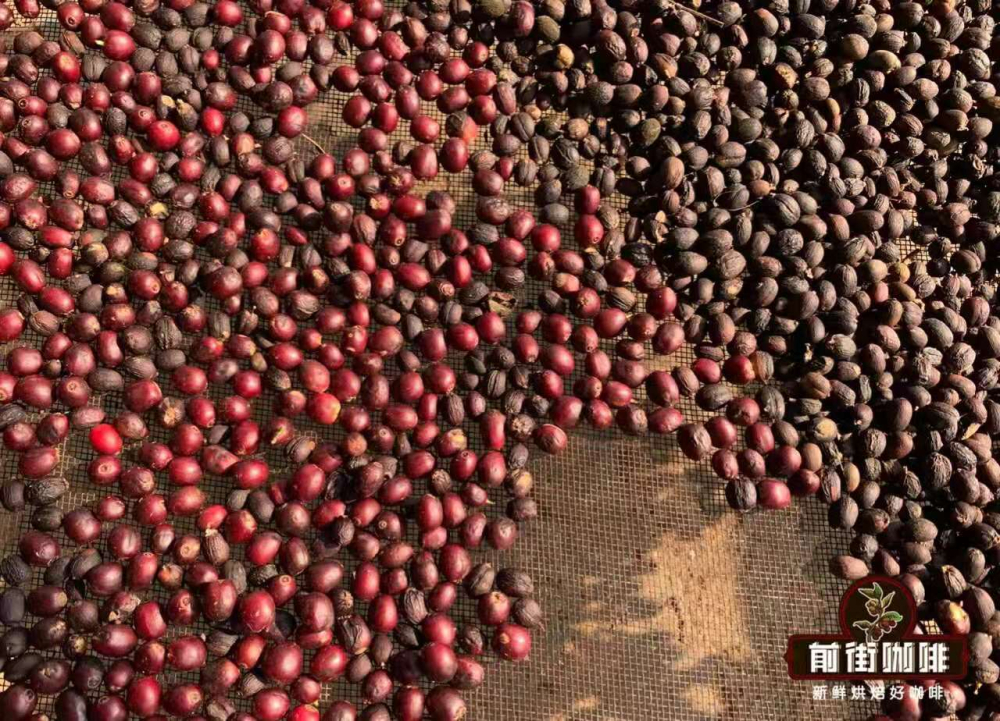
The natural processing method is the oldest way to process coffee beans, also known as natural drying. It requires no sophisticated equipment, only consecutive sunny days for sun-drying, with exposure requiring 27-30 days. Its climate requirements are therefore relatively strict, and it suits countries with arid regions.
FrontStreet Coffee's Yunnan Brewing Parameters
FrontStreet Coffee believes Yunnan coffee's flavor profile is quite balanced, possessing sweetness, acidity, and bitterness at once, so we choose a medium roast to highlight the chocolate aroma while retaining some acidity. From cupping, FrontStreet Coffee found that our Yunnan Small Bean daily coffee presents nuts, herbal notes, brown sugar sweetness, and plum acidity with a balanced mouthfeel. The natural FrontStreet Coffee 2013 has higher fruit sweetness, a black-tea-like richness, and chocolate depth, with clear overall flavors and a clean aftertaste.
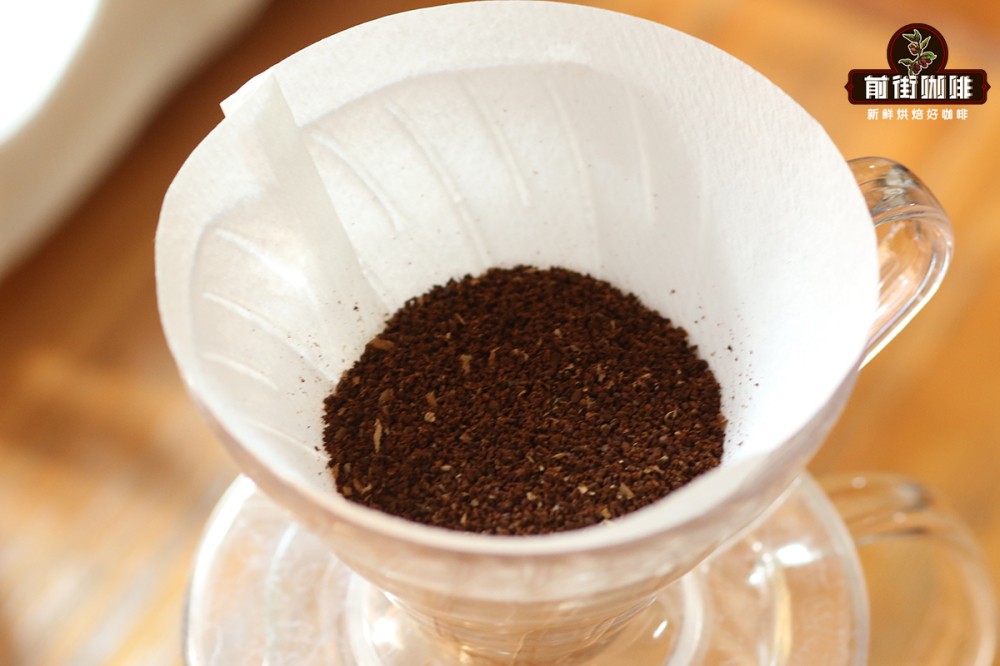
Based on Yunnan coffee's balanced profile, FrontStreet Coffee uses a medium water temperature of 88°C. Water that is too hot easily produces burnt bitterness, while too cool can under-extract. Compared with other conical drippers, the V60 has a larger spout and spiral ribs connecting top and bottom that guide the water flow, letting vapor escape more easily during extraction and thereby enhancing flavor layers.

FrontStreet Coffee Yunnan Small Bean Daily Coffee Brewing Parameters: Dripper: V60, Water Temperature: 88°C, Coffee-to-Water Ratio: 1:15, Grind Size: Medium (75% pass-through rate on a China standard No. 20 sieve)
FrontStreet Coffee Washed Yunnan Small Bean Coffee Flavor: Aromatic nutty fragrance, with herbal, chocolate, and caramel notes on entry, and plum acidity with tea-like notes in the aftertaste.
FrontStreet Coffee Yunnan Natural Typica Coffee Flavor: Nutty notes, with a more substantial mouthfeel than washed Yunnan coffee, slightly lower acidity than washed Typica Yunnan coffee but slightly higher sweetness and better balance, with berry-like acidity mixed with brown sugar and a slight tea note.

FrontStreet Coffee Brewing Recommendations
For coffee brewing, whether pour-over or espresso, FrontStreet Coffee has always believed that the freshness of the beans is very important. Coffee beans shipped by FrontStreet Coffee are roasted within 5 days, because FrontStreet Coffee deeply understands that freshness greatly affects flavor. FrontStreet Coffee's roasting philosophy is Freshly Roasted Good Coffee, ensuring that every customer who places an order receives the freshest coffee on arrival. The coffee resting period is about 4-7 days, so when customers receive their coffee it is at peak flavor.
Some customers need FrontStreet Coffee to grind the beans, which is also fine. FrontStreet Coffee must remind you, however: once beans are ground in advance, there is no need for resting, because during transport the pressure from carbon dioxide buildup in the package helps the flavor become well-rounded. You can therefore brew a cup immediately upon receiving ground coffee. Ground coffee does need to be brewed promptly, because coffee powder oxidizes relatively quickly when exposed to air, so the flavor dissipates more quickly and the coffee won't taste as good. FrontStreet Coffee therefore suggests buying whole beans and grinding fresh before brewing to better appreciate the flavor.

Different processing methods produce different flavors. Although most of FrontStreet Coffee's daily beans are washed, if you want to taste more coffee flavors from different regions and processing methods, you need to explore further. FrontStreet Coffee has over fifty different single-origin coffees from various producing countries and processing methods, fully satisfying everyone's need to explore coffee flavor. Everyone can find a bean to suit their taste from the menu.
FrontStreet Coffee Recommendation
For an introduction to Yunnan, FrontStreet Coffee's Yunnan Small Bean is the natural first choice for Chinese Arabica. Sourced from Baoshan and washed and medium roasted, it highlights caramel while keeping some acidity, so it expresses the terroir well. Washed processing ferments and rinses away the mucilage before drying, giving Yunnan small bean its characteristic regional flavor: nuts and chocolate sweetness with a light plum acidity, gentle and approachable, and very affordable.
If you want a clearer, more layered expression of Yunnan, FrontStreet Coffee's 2013 Yunnan Natural Typica is the step up. Typica is one of the oldest and purest Arabica varieties, and FrontStreet Coffee's estate Typica uses the most traditional post-harvest method, natural sun-drying. After sun-drying, the cup is fuller, with more pronounced sweetness and acidity, showing citrus and berry tones with a hint of fermentation wine aroma, caramel sweetness, and a creamy finish. For a Yunnan-flavored espresso, FrontStreet Coffee's Black Cocoa Blend pairs Yunnan small bean with Brazil Cerrado, giving a balanced Americano with nut and brown-sugar sweetness and a latte with almond and cream smoothness, an easy choice for beginners.
Important Notice :
FrontStreet Coffee is a long-established specialty coffee roaster in Guangzhou China, selling freshly roasted beans from its own farm in Yunnan as well as dozens of carefully selected single-origin beans from around the world for both pour-over and espresso. The products deliver consistently excellent quality and great value, with shipping within 24 hours. Guangzhou's FrontStreet Coffee shop is recommended by many coffee lovers, and the beans are now available online at the Tmall 。
FrontStreet Coffee has moved to a new address:
FrontStreet Coffee Address: 315,Donghua East Road,GuangZhou
Tel:020 38364473
 Scan and follow the En Gafei WeChat official account. Please indicate that the reprint comes from "En Gafei".