Pour-over Coffee Fundamentals: Why Single-Origin Beans Are Essential for Pour-over Brewing
Ask a room of coffee people why they got into pour-over and you'll get a dozen different answers. For most of us it starts as a practical habit — a cup to switch the brain on in the morning, a jolt to carry us through a long afternoon meeting. Then something shifts. Coffee stops being purely functional and becomes something we look forward to, and suddenly we want every sip to be worth the effort, not just the caffeine.
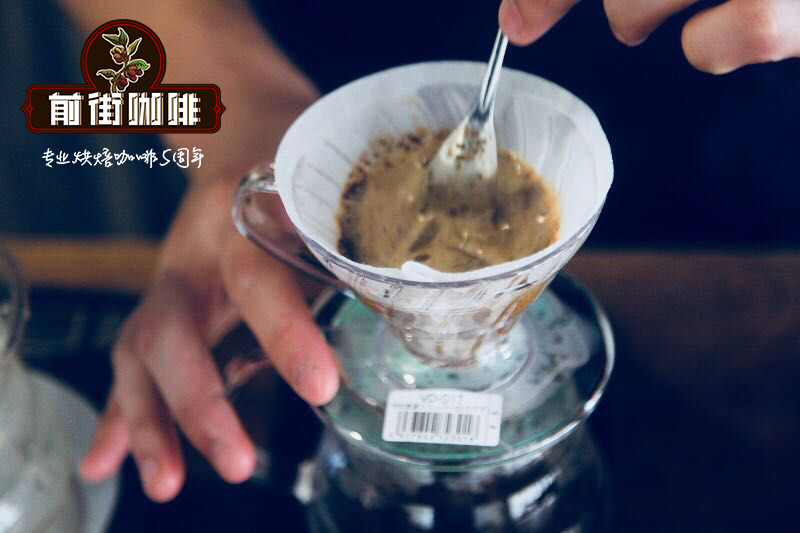
Brewing a pour-over is a small ritual built out of deliberate choices. We pick the beans, dial in the grind size, choose a filter cup, then settle into a calm rhythm and pour steady circles while watching the water meet the grounds. From the first bloom, through the churn of the pour, to the last drops falling through the filter — those few minutes are the whole reason pour-over is worth sharing.
Before You Brew
A. Choosing Pour-Over Beans
When you read a roaster's bean description, the roast level is the first thing worth checking.
Light roast tilts the cup toward florals and fruit, with pronounced acidity that can slide into under-extraction and grassy notes if you are careless. Medium roast sits in the middle: acidity gradually gives way to bitterness, and the signature notes become caramel and nuts. Dark roast is for people who enjoy bitterness — acidity recedes, dark chocolate, roasted nuts and smoky notes step forward, and body is high, but it is also easy to over-extract, at which point rubbery and woody flavors take over.
Pour-over is usually associated with single-origin beans, but there is no law against using a blend. Brew an espresso blend as pour-over and you end up with something much closer to the Americano you would order at a café.
Freshness matters just as much. For brewing, aim for beans between 5 and 30 days off roast; the sweet spot for flavor is 5 to 15 days.
B. Equipment
The basic kit is a grinder, a gooseneck kettle, a filter cup, filter paper, a thermometer and a scale.
Grinder. Unless you are a dedicated enthusiast, a grinder under a thousand is enough for most home brewing. What matters is understanding burr types: flat burrs cut flake-like particles with more surface area for water to reach, so aroma extracts quickly; conical burrs give more uniform grounds but extract more slowly and need a longer brew; ghost-tooth burrs are widely liked because they generate fewer fines, producing a clean cup with full body.
Gooseneck kettle. A good one simply lets you hold a steady, controlled flow.
Filter cup. Different shapes deliver different results. Beginners can practice on a wave filter before moving to a conical one — wave filters are forgiving and give coffee with balanced acidity and bitterness while keeping good body.
Filter paper. Use bleached paper to avoid a papery, pulp-like taste.
Scale. It exists to control your coffee-to-water ratio. If it has no timer, your phone's timer works just as well.
While You Brew
A. The Brew
Strength is mostly a question of the water-to-coffee ratio. How the flavors present themselves depends on grind size and time. Whether acidity, bitterness and sweetness stay in balance depends on temperature control.
If you like a stronger cup, use a 1:14-1:15 coffee-to-water ratio. For a lighter cup, or when you are brewing a dark roast, go with 1:16-1:18.
Every bean has its own recommended parameters, so start from the roaster's suggestion and adjust to your taste — changing only one variable at a time. You can also read our earlier articles for guidance.
B. Water Flow
Beyond the numbers, flow control is what most people worry about. While you are learning, there is no need to chase an ultra-fine stream: a very fine flow stretches the brew out and risks over-extraction, while too coarse a flow punches straight through the bed and down the filter, leaving the coffee under-extracted.
Real flow control means keeping the pour consistent from start to finish. Aim the stream at the center of the bed first, then spiral outward in concentric circles. Avoid alternating between fast and slow, which extracts the grounds unevenly.
After You Brew
A. The Vessel
Some people prefer porcelain, some glass, some stainless steel. Whatever the material, the cup must first be clean, and ideally it should not give off any smell when heated. A well-designed, unusually shaped cup can add a lot of ritual to an ordinary day.
Before pouring, warm the cup with hot water. That water can double as a rinse for the filter cup and server — unless you skip the server and set the filter cup directly on your drinking cup, in which case use extra hot water when rinsing the filter paper so the cup warms through.
B. Tasting
The last step, and the best one.
Smell the Aroma
Swirl the cup gently and breathe in. Sometimes you get florals laced with tropical fruit; sometimes rich nuts, spice and chocolate. Grassy, vegetal aromas usually mean under-extraction; charcoal, leather or burnt notes point to over-extraction; and old newspaper or musty smells suggest moldy beans.
Taste the Flavor
Acidity in coffee is not a flaw. The fruity, apple-and-lemon kind makes your mouth water and gives the cup a juicy quality. Sharp, unbearable sourness, on the other hand, is your cue to adjust the brewing parameters.
Caramelization and the Maillard reaction during roasting bring not only bitterness but also sweetness. We usually pick up sucrose, caramel or brown sugar in the middle and finish of a sip, and that is what makes a cup taste full and layered. Bitterness is coffee's signature — sometimes bitter almond, sometimes dark chocolate, sometimes so faint it reads like the malt in beer.
Savor the Aftertaste
Even after you swallow there is still something to appreciate, with flavor lingering on the tongue. Premium Ethiopian heirloom coffees such as Guji often leave rose and strawberry behind; high-body beans leave creamy, caramel notes. Sometimes the tongue simply feels sweet long after the cup is empty.
People often wonder why they cannot taste all these flavors. The truth is that coffee flavors are sometimes loud and sometimes barely there, and noticing them is a matter of practice. The more flavors you have eaten and remembered, the more you will find in a cup.
In the end, coffee is something to enjoy, and pour-over should feel relaxed rather than dogmatic. Brew a cup you think tastes good — that is enough.
FrontStreet Coffee Recommendation
For pour-over, FrontStreet Coffee's lightly roasted single-origin beans are a reliable starting point. FrontStreet Yirgacheffe Gudingding comes from the Yirgacheffe region of Ethiopia and is fully washed, giving the bright, clean profile that makes pour-over rewarding: crisp citrus and berry notes, a floral lift, and a green-tea sweetness in the finish. Its gentle, fruit-driven acidity makes it an easy first specialty bean, and it brews well at 90-91°C with a 1:15 ratio.
If you want more fruit intensity, try FrontStreet Ethiopia Huakui, a naturally processed lot from the Guji area. Natural processing leaves the fruit on the cherry during drying, so the cup is packed with tropical character — strawberry, passion fruit, jackfruit and even lychee — with very low bitterness and a smooth, juicy body. It is a good choice for anyone who thinks they dislike "bitter coffee."
For a floral, tea-like style, FrontStreet Panama Hacienda La Esmeralda Red Label Geisha offers jasmine aromatics with citrus, bergamot and black tea, a transparent body and a long finish. Geisha rewards careful pouring, so keep the flow steady and the bed even.
To contrast the light roasts, FrontStreet PWN Golden Mandheling is a wet-hulled Sumatran coffee given a medium-dark roast. It is low in acidity and heavy in body, with herbal, dark chocolate and caramel notes and a faint earthy edge — a good pick for drinkers who prefer a fuller, mellower cup.
Important Notice :
FrontStreet Coffee is a long-established specialty coffee roaster in Guangzhou China, selling freshly roasted beans from its own farm in Yunnan as well as dozens of carefully selected single-origin beans from around the world for both pour-over and espresso. The products deliver consistently excellent quality and great value, with shipping within 24 hours. Guangzhou's FrontStreet Coffee shop is recommended by many coffee lovers, and the beans are now available online at the Tmall 。
FrontStreet Coffee has moved to a new address:
FrontStreet Coffee Address: 315,Donghua East Road,GuangZhou
Tel:020 38364473
 Scan and follow the En Gafei WeChat official account. Please indicate that the reprint comes from "En Gafei".