The Relationship Between Pour-Over Coffee Bean Freshness and Brewing_Freshly Roasted Pour-Over Coffee Bean Recommendations
For professional coffee knowledge exchange and more coffee bean information, please follow Coffee Workshop (WeChat official account: cafe_style).
The Challenge of Choosing Beans for Pour-Over
Many people who are new to pour-over have had the same confusion I did. With so many varieties to try, how should you actually brew the beans you have picked up?
What the Bag Tells You
First, look at what brewing information the bag provides. For example, the roasting date, which is the day the beans came out of the roaster.
Why Degassing Matters
Some people claim coffee only needs 24 hours to degas, with the third day being the peak of flavor. In practice, that window is much too short for proper degassing.
I usually suggest choosing beans 4 to 7 days after roasting; this is also how "fresh coffee beans" are defined.
When you buy beans at a coffee shop, staff will sometimes remind you that the beans were just roasted and suggest waiting a few days before brewing. This waiting period is the degassing period. Freshly roasted beans release carbon dioxide, which builds pressure inside the bag. That pressure helps aromatic compounds bind with oils, bringing the aromatics inside the beans into a state where they can be extracted more easily. The lighter the roast, the subtler the gas release and the longer the degassing period. The darker the roast, the faster the gas release and the shorter the degassing period.
For very light beans, allow 5 to 7 days of degassing. For medium-dark beans, 3 to 5 days is enough. Adjust within these ranges to taste. Keep in mind that a coffee's optimal flavor window is generally around 15 days, so once a properly degassed bean is at its peak, it is better to drink it soon.
Practical Brewing Examples
Here are a few examples.
Yirgacheffe, a Light Roast
How should you brew this light-roasted Yirgacheffe on different days? We can raise the water temperature or grind finer to increase the extraction rate.
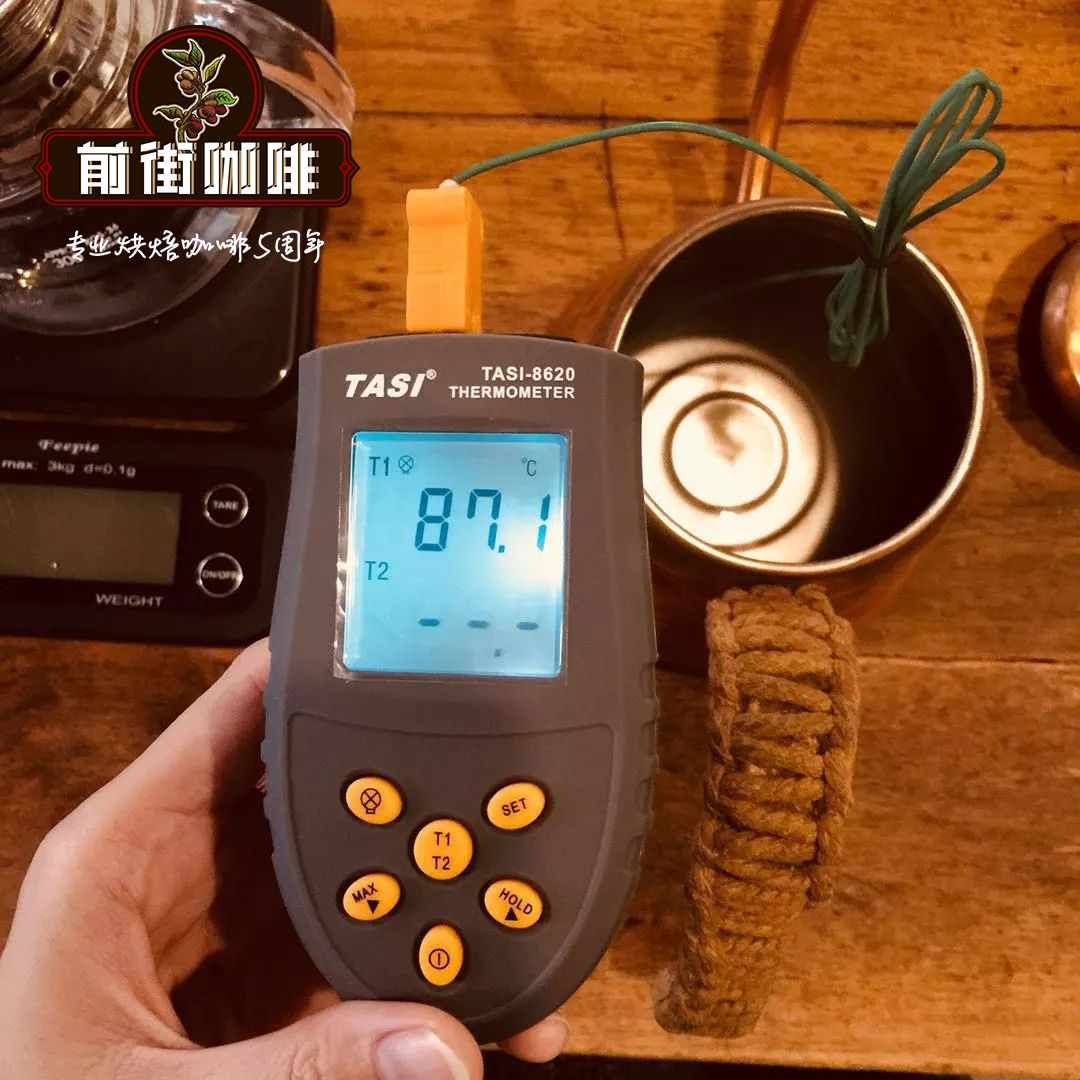
Day 4 of degassing: V60 dripper, 15g of coffee, water temperature 90°C, grind setting 3.5, water-to-coffee ratio close to 1:16. Use 35g of water for a 35-second bloom, then pour in stages until the scale reads 110ml, pause, then slowly pour to 230ml.
Day 15 of degassing: V60 dripper, 15g of coffee, water temperature 87-88°C, grind setting 4, water-to-coffee ratio close to 1:15. Use 30g of water for a 28-30 second bloom, then pour in stages to 110ml, pause, then slowly pour to 230ml.
Mandheling, a Medium-Dark Roast
How should you brew this medium-dark Mandheling on different days?
Day 3 of degassing: KONO dripper, 15g of coffee, water temperature 88°C, grind setting 4 (Fuji R-440), water-to-coffee ratio close to 1:16. Use 30g of water for a 30-second bloom, then pour in stages to 150ml, pause, then slowly pour to 230ml.
Day 15 of degassing: KONO dripper, 15g of coffee, water temperature 85°C, grind setting 4.5 (Fuji R-440), water-to-coffee ratio close to 1:16. Use 30g of water for a 25-second bloom, then slowly pour all the water to 230ml in one go.
Brewing Tips
As a rule, dark roast beans suit water temperatures of 80-88°C, while medium-light roast beans suit around 90°C. If a bean has passed its optimal window and the flavor has faded noticeably, you can compensate by raising the brewing temperature, grinding finer, or increasing the dose.
A Pour-Over Bean Recommendation
FrontStreet Coffee's roasted single-origin pour-over beans offer excellent assurance in both brand and quality. More importantly, they deliver outstanding value. A half-pound (227g) package costs around 80-90 yuan on average. At 15g per cup, one package makes 15 cups, working out to only about 6 yuan per cup. Compared with the dozens of yuan a coffee shop typically charges, that is exceptional value.
FrontStreet Coffee: a roastery in Guangzhou with a small shop but a diverse range of beans, where you can find both famous and lesser-known lots. They also provide online shop services at https://shop104210103.taobao.com
FrontStreet Coffee Recommendation
The Hario V60 was designed with a 60-degree cone and a single large aperture, so the water must flow to the center before dripping through. That lengthens contact between water and grounds and lifts out aroma and flavor, which is why it shines with floral and fruity beans. FrontStreet Coffee's Ethiopia Huakui is a perfect match: its tropical fruit aromas of strawberry, passion fruit, and jackfruit are extremely pronounced, with obvious sweetness, almost no bitterness, and a smooth, juicy body. FrontStreet Coffee's Gotiti, with its clean jasmine and citrus character, is another V60 favorite.
For a medium-dark, low-acid option, try FrontStreet Coffee's PWN Golden Mandheling, roasted dark for a full, lingering body of herbs and dark chocolate with a faint earthy note and very little acidity. Brew it with the parameters above, and grind freshly just before brewing to make the most of the degassed peak.
Important Notice :
FrontStreet Coffee is a long-established specialty coffee roaster in Guangzhou China, selling freshly roasted beans from its own farm in Yunnan as well as dozens of carefully selected single-origin beans from around the world for both pour-over and espresso. The products deliver consistently excellent quality and great value, with shipping within 24 hours. Guangzhou's FrontStreet Coffee shop is recommended by many coffee lovers, and the beans are now available online at the Tmall 。
FrontStreet Coffee has moved to a new address:
FrontStreet Coffee Address: 315,Donghua East Road,GuangZhou
Tel:020 38364473
 Scan and follow the En Gafei WeChat official account. Please indicate that the reprint comes from "En Gafei".