The Historical and Cultural Story of Brazilian Coffee: How to Brew Hand-Poured Brazilian Coffee Beans for the Best Taste

Brazilian coffee beans are known to coffee lovers worldwide for their pure nut and cocoa flavors and their rich, full body. Brazil is also the world's largest producer and exporter of coffee beans. As a result, mechanization in Brazilian coffee processing is advanced, which keeps the flavor profile across Brazilian beans relatively uniform. FrontStreet Coffee's Yellow Bourbon from Queen's Farm and its Cerrado Red Bourbon are two beans that best exemplify those flavors. In this article, FrontStreet Coffee explores the flavor characteristics of its Brazilian coffees and shares pour-over parameters for pour-over enthusiasts.
Brazilian Coffee Cultivation History
Coffee reached Brazil from French Guiana in the 1720s. A Portuguese captain serving in Brazil, Francisco Palheta, won the heart of the governor's wife in Cayenne, then the capital of French Guiana, and successfully brought coffee seeds into the country. Coffee adapted quickly, spreading from the north to São Paulo state in the southeast and Paraná province in the south. Those areas sit at slightly higher latitudes and see winter frosts, which caused severe losses for coffee farmers.

Between 1970 and 1980, Brazilian farmers developed the warmer Minas province and Bahia in northern São Paulo state. These regions have warm winters without frost, and Minas province has since become one of Brazil's main specialty coffee regions.

Before 1990 the Brazilian government kept tight control over the coffee industry, combining heavy intervention with price protection. The country also maintained minimum price protection for farmers year after year, which led to overproduction.
Since 1990, with free markets opening up, the former "Brazilian Coffee Institute" (IBC) was replaced by a non-investment administrative body, the National Economic Association Federation. It pursued a non-intervention policy, allowing producers to negotiate directly with exporters. Exporter activity is supervised by government legislation, and the relevant authorities register legitimate exporters. From three hundred years ago to today, coffee has become Brazil's primary economic source, and Brazil has become the world's largest coffee-producing country.
Brazilian Coffee Bean Regions
A coffee bean's flavor depends on its growing region, its variety and its processing method. Coffee is an agricultural crop, and its natural quality shifts with those three factors.

The main regions producing Brazilian coffee beans are Minas Gerais, São Paulo, Bahia and Espírito Santo. Together these four account for 90% of national production. Among them, Mogiana within São Paulo state is the most famous, but the highest-altitude region is not Mogiana; it is Cerrado and Sul de Minas in Minas Gerais. Below are the characteristics of these three best-known Brazilian coffee regions.
Sul de Minas (South Minas)

With elevations ranging from 700m to 1200m, this region consists of hilly terrain and is one of Brazil's earliest coffee production areas. Rising labor costs mean most coffee is now mechanically harvested, and it was also the first region where coffee was commercialized, which is why many large exporters are based here. The Bahia region in northern Brazil mainly produces washed Brazilian coffee, while the coastal Espírito Santo region is the main export area for Brazilian Robusta varieties.
Cerrado
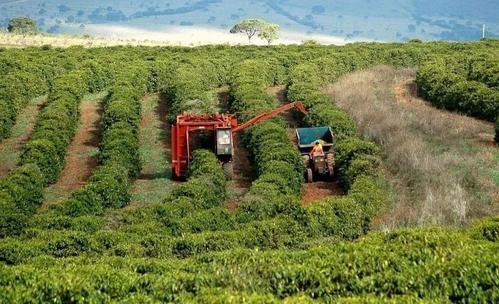
Occupying 22% of Brazil's total area, this vast savanna lies deep in the Brazilian interior. The Portuguese word "Cerrado" means "closed land." The Cerrado savanna begins in Mato Grosso province in southwestern Brazil, extends through central-western Minas and reaches western Bahia province. The Cerrado coffee region FrontStreet Coffee refers to is not the entire savanna, but only the coffee planting areas above 1000 meters altitude in central-western Minas province. That area represents the essence of the Cerrado: high altitude and fertile soil, producing specialty beans with clear sweetness, high body and high cleanliness.
Mogiana
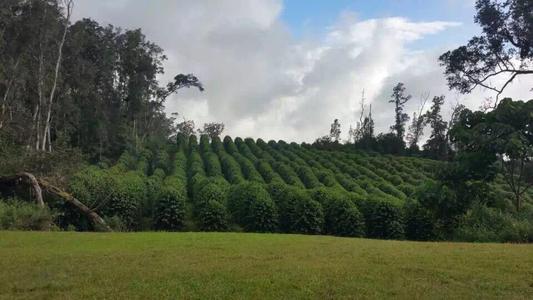
This region sits very close to southern Minas. Coffee is planted among shrubs, grasslands and other vegetation. Many farming families work here, some running traditional large-scale farms and others small modern operations. Modern technology combined with a mountain coffee-growing culture produces the highest-quality green beans. Both of FrontStreet Coffee's Brazilian coffee beans are exactly that: a Red Bourbon from the Cerrado region and a Yellow Bourbon from Mogiana. So what are the characteristics of these two varieties?
Brazilian Coffee Bean Varieties
Red Bourbon

Bourbon is a sub-species that mutated from Typica, and together with Typica it belongs to the oldest coffee varieties still in existence. When the green fruit ripens it turns a bright red. Compared with Typica, Bourbon plants have broader leaves and grow more densely. Its yield is higher than Typica's, but it still only bears fruit every 2 years, making it a low-yield variety. Quality, however, is excellent, with wine-like acidity and a sweet aftertaste.
Put simply, Bourbon is a coffee tree variety belonging to a branch of the Arabica species. It generally produces red fruit, called Red Bourbon; there are also Yellow Bourbon and Pink Bourbon. Red Bourbon refers to the general Bourbon tree whose cherry color, after flowering and fruiting, moves from green to light yellow to light orange to mature red and finally to a darker red when fully ripe. It offers better aroma and brighter acidity, and even shows wine-like flavors in the cup. Red Bourbon is currently the most widely planted variety in Brazilian coffee regions.
Yellow Bourbon
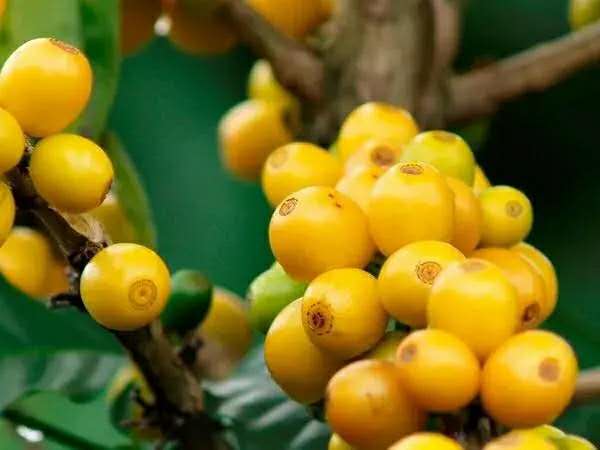
As noted above, Yellow Bourbon is also a genetic mutation of Bourbon. Bourbon has long been considered outstanding among coffee varieties for its high yield and excellent quality. Yellow Bourbon is a variant unique to São Paulo state in Brazil. Unlike Red Bourbon, which turns red when ripe, Yellow Bourbon cherries turn orange-yellow at maturity, which is how it got its name. Because it is grown at very high altitude, its flavor is exceptional.
According to FrontStreet Coffee's cupping results, Yellow Bourbon coffee beans grown in high-altitude regions show excellent flavor performance, and Yellow Bourbon swept the top three awards at the Brazil Cup of Excellence competition for two consecutive years, which made it popular in the specialty coffee world. FrontStreet Coffee's Brazilian Yellow Bourbon typically shows nut and chocolate notes, with balanced, smooth acidity and a weak, clean bitterness, for an overall bright, refreshing profile.
Below is the basic information on FrontStreet Coffee's two Brazilian coffee beans.

FrontStreet Coffee: Brazilian Red Bourbon Coffee Beans
Country: Brazil
Region: Sul de Minas
Altitude: 1000m
Variety: Red Bourbon
Processing: Pulped Natural
Flavor: Nuts, Chocolate, Cream, Peanut, Caramel

FrontStreet Coffee: Brazilian Queen's Farm Yellow Bourbon Coffee Beans
Country: Brazil
Region: São Paulo State (Queen's Farm)
Altitude: 1400-1950m
Variety: Yellow Bourbon
Processing Method: Pulped Natural/Natural
Flavor: Nuts, Cream, Peanut, Fermented Fruits, Cane Sugar
Both of these Brazilian coffees are processed using the pulped natural method. So what makes pulped natural beans special?
Pulped Natural Coffee Processing
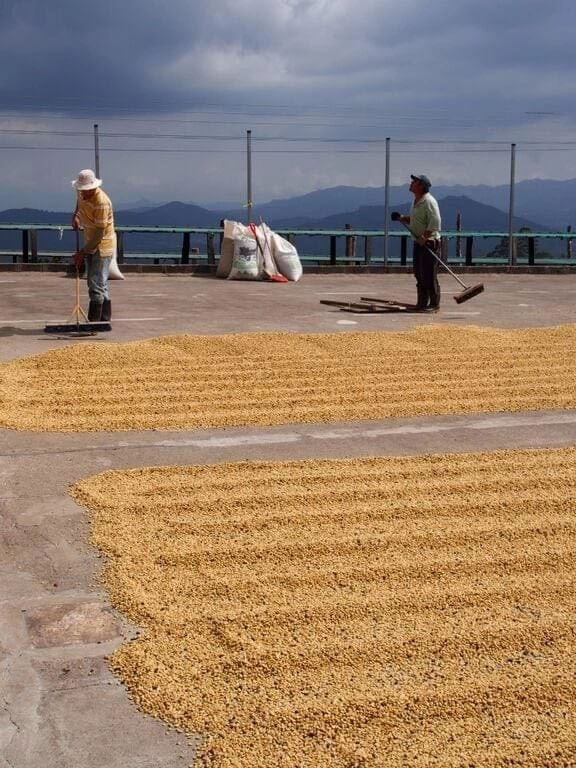
Pulped natural processing is one of Brazil's unique coffee processing methods. Brazil developed it to suit the country's dry climate. Pulped natural processing allows control over how far the mucilage ferments once the skin and pulp are removed. It lacks the "fermentation in water tanks, rinsing with clean water" step of washed processing, and without that fermentation step the bean's flavor comes out distinctly different.
That covers FrontStreet Coffee's collection of information on Brazilian coffee characteristics. So how should Brazilian coffee beans be enjoyed? As described above, the flavor of both FrontStreet Coffee Brazilian beans is relatively balanced and full-bodied, with nut and cocoa notes, which makes them suitable both for espresso blends and for pour-over. Most coffee enthusiasts, however, prefer to brew them as pour-over, because pour-over lets you taste the layered complexity of a bean's flavor as it changes with falling temperature. Next, FrontStreet Coffee shares how to brew these Brazilian beans as pour-over.
FrontStreet Coffee Brazilian Coffee Beans Pour-over Brewing Parameters
Both of the Brazilian beans above are medium roast and come from the same region, so their flavor differences are not particularly large. FrontStreet Coffee therefore uses the same pour-over parameters for both.
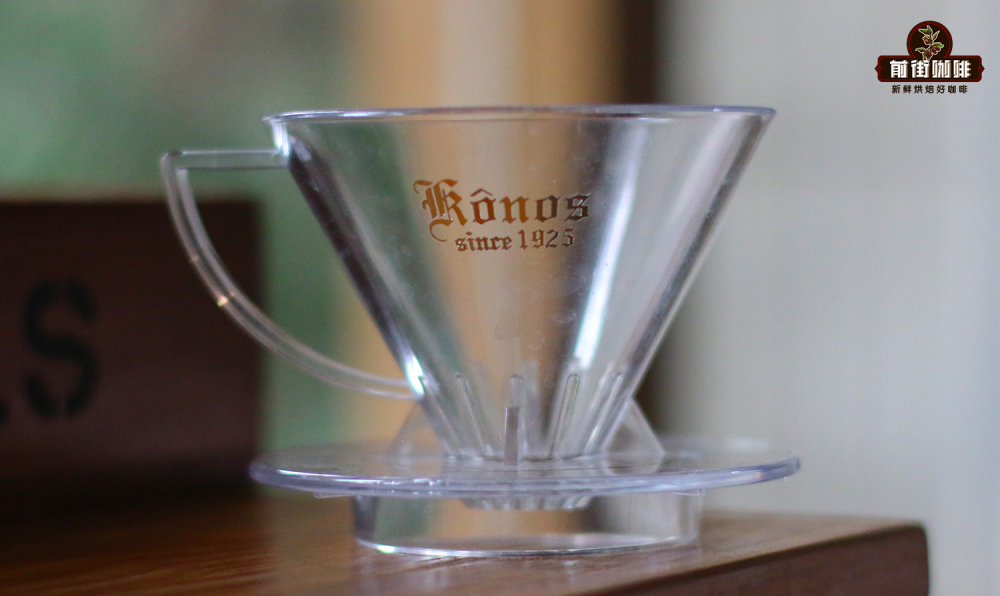
Dripper: KONO
Dose: 15g
Water Temperature: 88°C
Grind Size: Medium grind, 75% pass-through rate on #20 standard sieve
Water-to-Coffee Ratio: 1:15
Brewing Method: segmented extraction.
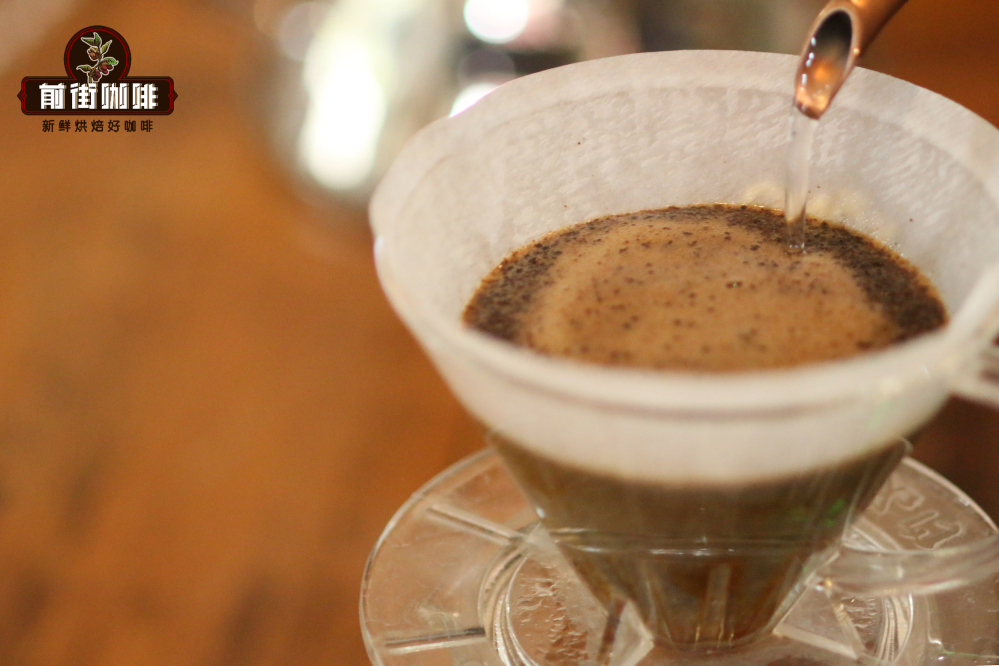
Use 30g of water for a 30-second bloom. Continue pouring in small circular motions to 125g, then pause. When the water level drops and is about to expose the coffee bed, continue pouring to 225g and stop. When the water level drops and is about to expose the coffee bed again, remove the dripper. (Timing starts from the bloom.) The V60 dripper extracts in 2'00", while the KONO dripper runs slightly longer at 2'10".

FrontStreet Coffee Brazilian Cerrado Coffee Bean Flavor: Obvious sweetness on entry, accompanied by a subtle lemon aroma, rich nutty flavors, with distinct dark chocolate notes in the finish and an overall rounded impression.
FrontStreet Coffee Brazilian Queen's Farm Coffee Bean Flavor: A balanced mouthfeel, with cane sugar sweetness prominent among the main notes of almond and cocoa, creating a coffee with good fullness and abundant sweetness.
FrontStreet Coffee Recommendation
Brazil is the one origin most coffee drinkers reach for every day, and its low acidity, balanced body and approachable price make it the backbone of countless espresso recipes. FrontStreet Coffee's Brazil Cerrado Red Bourbon is a classic single-origin Brazilian bean: Red Bourbon grown at around 1,000 meters and processed pulped natural, which keeps a measured sweetness without the heavy fermentation of a full natural. Roasted medium, it shows cream, peanut, toasted bread, caramel and hazelnut, with a rounded body, almost no acidity and a faint bitterness. It works as a pour-over and also in a moka pot, as an SOE, in a siphon or in a French press. FrontStreet Coffee's Brazil Queen's Farm Yellow Bourbon, meanwhile, comes from Mogiana near South Minas, where fertile red volcanic soil helps the fruit develop full aroma; the rare Yellow Bourbon mutation gives it a cleaner fruit expression and a cane-sugar sweetness other origins rarely match.
Brazil also underpins FrontStreet Coffee's espresso range. The Classic Blend is a Mamba-style recipe built on Mandheling and Brazilian coffee, with a small addition of Robusta to lift the crema; the Brazil contributes cream and nut notes while the Mandheling supplies weight, so the result pours a thick golden crema and makes a full-bodied latte or Americano. The House Blend pairs Brazil Cerrado with Colombia Huila for the familiar espresso profile most people picture, the Dark Cocoa Blend uses 100% Arabica for ample crema at a friendlier price, and FrontStreet Coffee's Commercial Blend is tuned for cafés serving high volume every day. Whether as a single-origin pour-over or the base of a blend, Brazilian coffee is the flavor most drinkers already know by heart.
Important Notice :
FrontStreet Coffee is a long-established specialty coffee roaster in Guangzhou China, selling freshly roasted beans from its own farm in Yunnan as well as dozens of carefully selected single-origin beans from around the world for both pour-over and espresso. The products deliver consistently excellent quality and great value, with shipping within 24 hours. Guangzhou's FrontStreet Coffee shop is recommended by many coffee lovers, and the beans are now available online at the Tmall 。
FrontStreet Coffee has moved to a new address:
FrontStreet Coffee Address: 315,Donghua East Road,GuangZhou
Tel:020 38364473
 Scan and follow the En Gafei WeChat official account. Please indicate that the reprint comes from "En Gafei".