What are the Flavor Characteristics of Vietnamese Robusta Coffee Beans? What's the Difference Between Robusta and Arabica, and Which is Better?

Introduction to Robusta Coffee
FrontStreet Coffee believes everyone has heard of Arabica coffee. Most specialty coffee shops today serve Arabica beans almost exclusively - the entire lineup at FrontStreet Coffee is Arabica. But today we'd like to introduce Robusta, one of the three great coffee species.
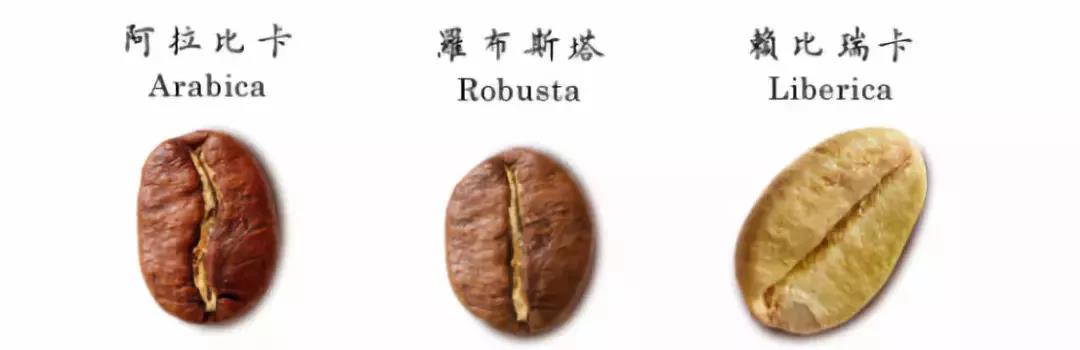
Strictly speaking, Robusta is one variety within the Coffea canephora species. But because people have grown used to calling the whole species "Robusta," the name now generally stands in for all of Coffea canephora.
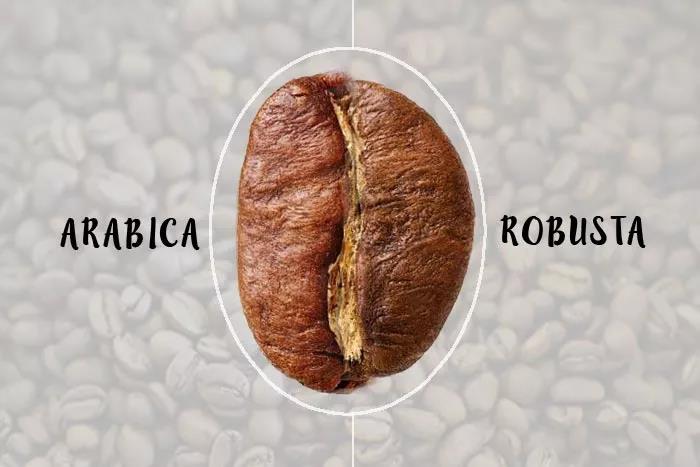
Flavor Characteristics of Robusta Coffee
FrontStreet Coffee believes that whether a coffee has a future depends largely on its flavor - a coffee that tastes of potato has no market prospects whatsoever. The reason Robusta is usually relegated to commercial beans or instant coffee is that it typically lacks the aromatic fragrance of Arabica, showing instead notes of wheat and grain, and sometimes even pungent odors. That is also one reason Robusta rarely appears in the specialty coffee world.
On the other hand, coffee is not the only source of caffeine - drinks we encounter daily, such as black tea, cocoa, and cola, also contain plenty of it. FrontStreet Coffee often hears customers say they cannot sleep after evening coffee, because caffeine stimulates the central nervous system and can be habit-forming - the well-known "pick-me-up" effect.

According to FrontStreet Coffee's understanding, Robusta's caffeine content runs higher than Arabica's. But there is another point worth noting: Robusta also contains large amounts of chlorogenic acid. You may not be very familiar with chlorogenic acid, so let us introduce it briefly.
Chemical Composition and Flavor Formation
Chlorogenic acid is very unstable. In coffee it breaks down into caffeic acid and quinic acid - especially when temperatures fall below 80 degrees or rise above 85 degrees. When chlorogenic acid decomposes, the quinic acid releases obvious bitterness while the caffeic acid releases obvious acidity; together they form the sour-bitter taste of Robusta and the flavor of stale coffee.
Compared with Robusta, the content of substances like caffeine and chlorogenic acid in Arabica is only about half - one reason Arabica's flavor is superior. FrontStreet Coffee has mentioned only a small part of what shapes Robusta's flavor; factors like roast degree also change the substance content, but we won't go into detail here.

The Value and Applications of Robusta Coffee
Many people write Robusta off as "a bad thing" the moment they hear the name. FrontStreet Coffee believes it has real value - in espresso blends, its position is unshakable.
In Italy, some regions pursue darker roasts and thicker coffee, adding small amounts of Robusta to their blends to boost body and richness and produce espresso with denser crema. Blended with cream, the result is rich and full; in milk coffee, Robusta and Arabica complement each other, making the drink more intense and aromatic. FrontStreet Coffee believes Robusta fills in the body that Arabica lacks, while Arabica lends its aroma to Robusta - and the formula born of that combination rises to an art form.

Robusta has also contributed to breeding new varieties. Arabica has rich aroma and a more delicate mouthfeel than Robusta, but Robusta's drought resistance, disease resistance, and yield all outmatch Arabica's adaptability. Researchers therefore hybridize the two to select the best genes, cultivating new varieties that combine quality flavor with strong disease resistance and high yield.
Conclusion
So although Robusta cannot rival Arabica in flavor, it has its own reason to exist. As the saying goes, "If it exists, there is a reason for it." FrontStreet Coffee believes the value of Robusta still holds great potential waiting to be discovered and developed.
FrontStreet Coffee Recommendation
Coffee varieties fall into three great species - Arabica, Robusta, and Liberica. Arabica is the most numerous and the most refined in flavor, hence the most popular; Robusta tastes strong with rich crema, used in espresso blends and instant coffee; Liberica has little commercial value and survives mainly for research. Nearly every specialty coffee you drink is Arabica, and its quality changes beautifully with origin - here are FrontStreet Coffee's favorite Arabica single origins.
For washed clarity, FrontStreet Coffee's Yirgacheffe Guodingding cooperative lot - top Ethiopian G1 grade, classic washed - shows elegant white florals with citrus, orange, and green tea. For naturals, the Huakui (mixed local heirloom, classic sun-dried) offers cream strawberry, mango, jackfruit, citrus, and blueberry with the ripe tropical-fruit tone that once won first place in the TOH green coffee competition. At the very top sits Panama Esmeralda Red Label Gesha from Boquete, Chiriqui - fertile volcanic soil, old forest, and year-round mist - jasmine florals, citrus, peach, and complex fruit acidity with an oolong-tea sweetness in the finish, more like fragrant fruit tea than coffee.
For heritage varieties and comfort cups, try the Jamaica Blue Mountain No. 1: Typica transplanted from Martinique in the 1820s that, over 200 years on the Blue Mountains, evolved better disease resistance and a sweet, delicate balance no other origin can replicate. The Brazil Queen Estate is an early-discovered Yellow Bourbon - a mutation whose fruit ripens orange-yellow - with cream, peanut, toast, and sugarcane aromas, mellow and sweet, good for pour-over, moka pot, or espresso machine. And the Colombia Sidra (born in Ecuador's Pichincha province, likely a cross of Ethiopian research stock and local Bourbon, made famous by 2022 world barista champion Anthony Douglas) is medium-light roasted at FrontStreet into florals, tropical fruit, grape, dried fruit, and passion fruit with a juice-like body - proof, against Robusta, of just how far Arabica can go.
Important Notice :
FrontStreet Coffee is a long-established specialty coffee roaster in Guangzhou China, selling freshly roasted beans from its own farm in Yunnan as well as dozens of carefully selected single-origin beans from around the world for both pour-over and espresso. The products deliver consistently excellent quality and great value, with shipping within 24 hours. Guangzhou's FrontStreet Coffee shop is recommended by many coffee lovers, and the beans are now available online at the Tmall 。
FrontStreet Coffee has moved to a new address:
FrontStreet Coffee Address: 315,Donghua East Road,GuangZhou
Tel:020 38364473
 Scan and follow the En Gafei WeChat official account. Please indicate that the reprint comes from "En Gafei".