How Much Does a Cup of Yirgacheffe Coffee Cost_Differences Between Kochere G1 G2_Yirgacheffe Premium Drip Bag Coffee
The Kochere growing region sits at extremely high altitude — nearly 2,000 meters — and the coffee it produces is naturally intoxicating, layered with floral and berry notes.
With stringent green bean selection, the flavors have grown even cleaner. If you catch notes of tea, pepper, and dark chocolate, it shouldn't come as a surprise.
Yirgacheffe Zero Defect is a classic coffee that every coffee enthusiast should try at least once.
The Kochere Coffee Region
The Kochere coffee region lies about 25 kilometers southeast of Yirgacheffe. Its harvest comes from local smallholder farmers — numerous individual plots averaging about 1 hectare each, at growing altitudes between 1,800 and 2,000 meters, planted mainly with a mix of Typica and Heirloom (local native) varieties.
In both culture and geography, Yirgacheffe resembles its neighbor Sidamo, but Yirgacheffe seems especially blessed by nature. Top-quality Yirgacheffe — floral, with bright citrus acidity, a lemon-toned aroma, and a silky texture — never fails to capture the attention of enthusiasts, and amid the specialty coffee boom, this region's production has remained a constant focus for international buyers.
The local village of Chalalacktu counts about 100,000 people who depend on coffee for their livelihood, with coffee-related work as their principal source of income. Thanks to the revenue coffee generates, living standards here are considerably better than in many Ethiopian villages, complete with health facilities, higher education institutions, and other amenities.
Yirgacheffe originally produced mostly washed coffee, but as natural processing rose and matured, the berry sweetness of natural-processed Yirgacheffe won the market over enthusiastically, driving demand sharply higher and production improvements along with it.
Natural Processing Methods
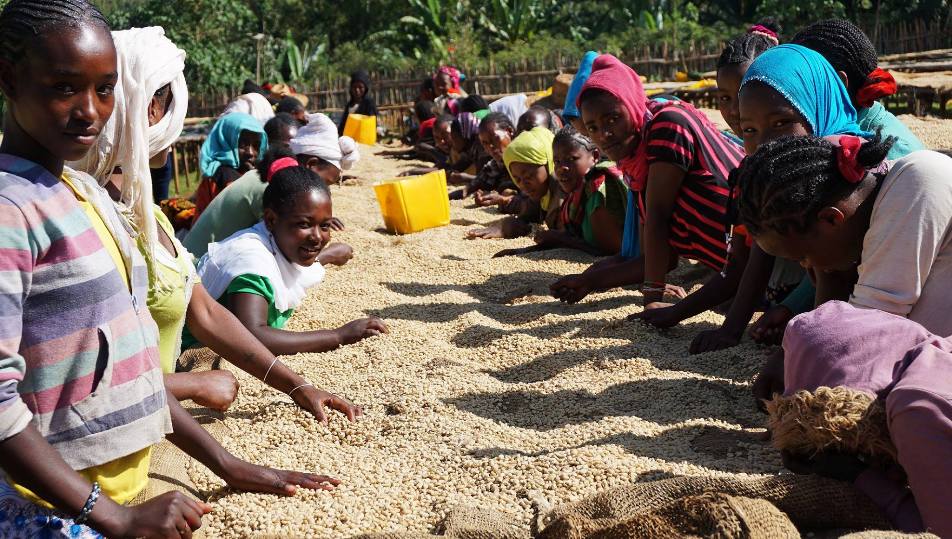
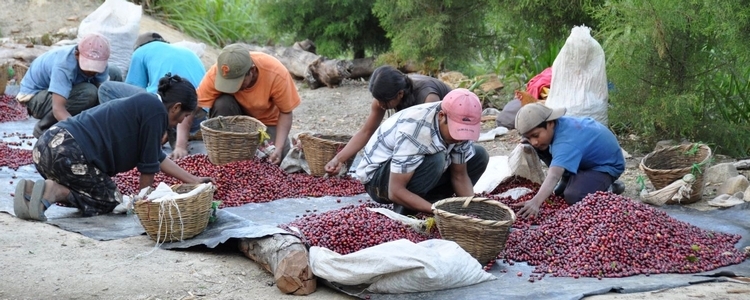
In raised-bed natural processing, good ventilation and regular turning of the fruit make drying more uniform, preventing over-fermentation or rot. The beans absorb the full sweetness of the coffee cherry, intensifying fruit flavors and adding a syrupy smoothness.
Ethiopia's Coffee Regions
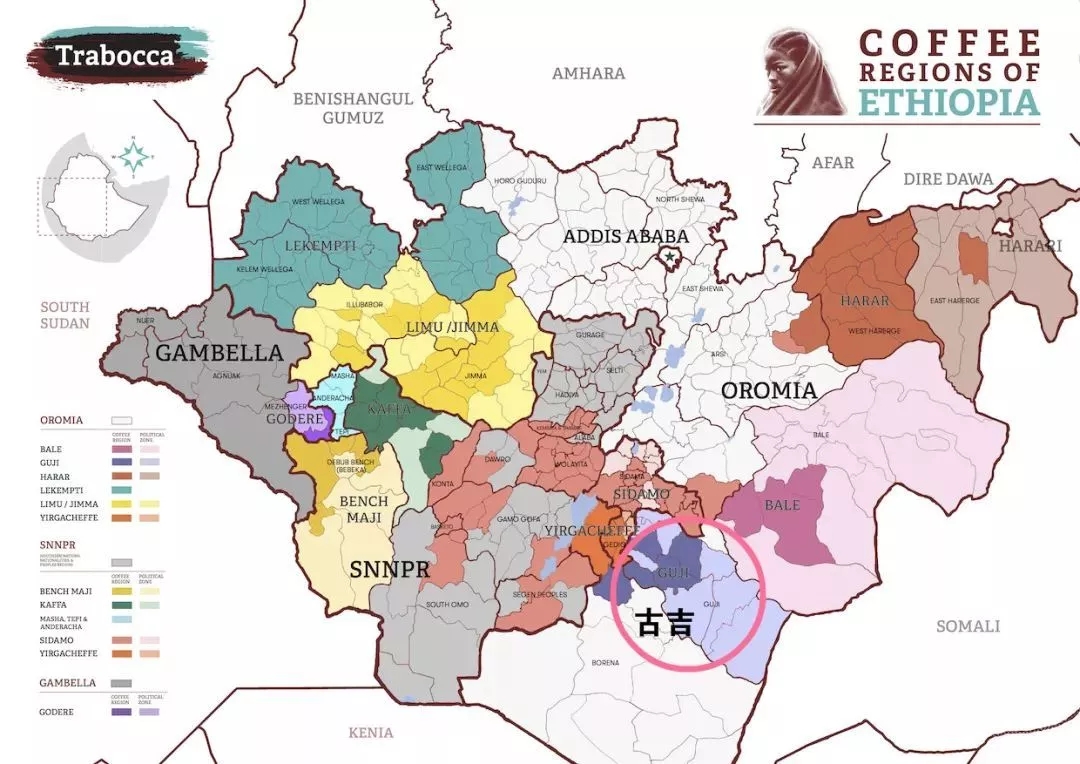
Ethiopia has eight principal coffee regions: Ekempti, Limu, Illubabor, Djimma, Harrar, Teppi/Bebeka, Sidamo, and Yirgacheffe. Yirgacheffe lies in the Gedeo zone of southern Ethiopia, which also governs the well-known Kochere area. Because Yirgacheffe's coffee has such singular, widely loved flavors, it forms its own classification category and always holds a place in the global specialty market. Yirgacheffe itself is a small town in Sidama province with three neighboring districts: Wenago, Kochere, and Gelena Abaya. Kochere's flavors stand nearly level with Yirgacheffe's own, so its coffees are classified under the Yirgacheffe umbrella.
In November 2009, Ethiopia introduced a new trading and grading system that added three sub-regions to Yirgacheffe — Wenago, Kochere, and Genlena Abaya — a sign that these areas' flavors are distinct enough to be subdivided further. Kochere, one of Yirgacheffe's three famous micro-regions, has prospered on coffee: its roughly 100,000 residents earn their living mainly from the bean. Because the area boasts more advanced washed-processing equipment, it has long maintained high standards in washed processing, and the clean, honeyed sweetness of its beans with citrus complexity is widely praised. The dominant production model has smallholder farmers delivering their red cherries straight to nearby cooperative washing stations for unified processing.
Washed Processing Excellence
Ethiopia began adopting washed processing in the 1970s, and Kochere's green bean preparation today is predominantly washed. After sorting and grading the red cherries, the washing stations pulp them directly for washed fermentation; the parchment beans are then dried naturally in the sun on raised beds until moisture reaches 12% or below, and sent to the Ethiopian Commodity Exchange (ECX) warehouse in Awassa for cupping and quantity assessment. Washed beans are typically stored in parchment and hulled only just before export. The respected review site Coffee Review gave Kochere washed beans a high score of 94 points.
Since the ECX system took effect in 2008, most green coffee has been sold through its auctions. This particular lot comes from the Kore washing station in Kochere, in the small village of Kore between Fishegenet and Chelelektu. The station is a collective of about 700 smallholder families processing fruit from surrounding farms — local native Heirloom varieties grown at altitudes of about 1,800-2,000 meters.
Rated G1 — the highest grade under ECX — it excels in green bean appearance, consistency, freshness, dry aroma, and flavor. The aromatics are wonderfully rich and unmistakably Yirgacheffe: an elegant, captivating floral perfume, bright citrus acidity, lemon, berries, and honeyed sweetness. Jasmine and lemon lift first, followed by bergamot, honey, and grapefruit over refined acidity and a bright mouthfeel. Jasmine, orange, grape, vanilla, and floral notes carry through a clean, balanced cup with a lingering, lively, ever-shifting fruity sweetness.
Yirgacheffe Kochere Coffee Pour-Over Analysis
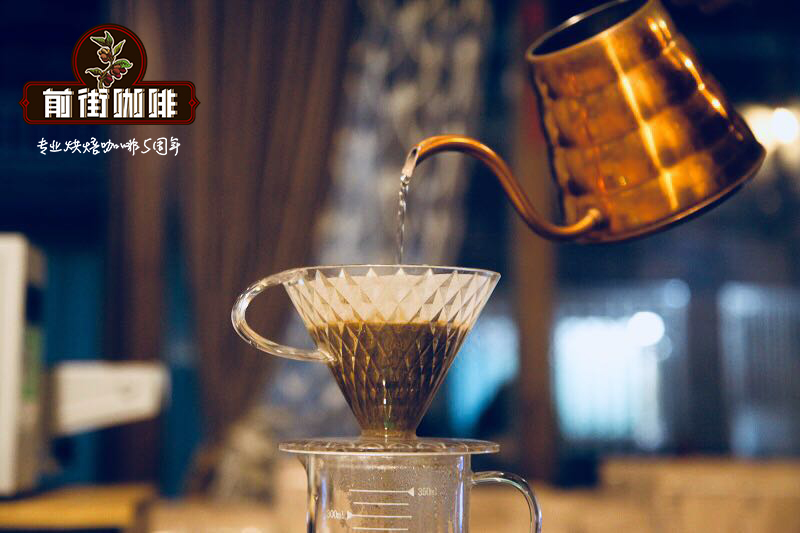
First Brew: V60 dripper, 15g of coffee, water temperature 90°C, grind size 4, water-to-coffee ratio approximately 1:16
35g of water to bloom for 35 seconds
In stages: pour to 110ml, pause, then pour slowly up to 230ml
Taste: Somewhat light
Correction Method 1 for Light Pour-Over Coffee:
Keep everything else the same and grind finer. More particles absorb water and hold it longer, naturally raising the coffee's concentration.
Alternatively, keep everything the same and increase the dose by 3-5 grams (at the same grind). The thicker coffee bed absorbs more water and boosts concentration as well.
Second Brew (Correction): V60 dripper, 15g of coffee, water temperature 88.9°C, grind size 3.5
Water-to-coffee ratio approximately 1:15
35g of water to bloom for 32 seconds
In stages: pour to 110ml, pause, then pour slowly up to 228ml
Taste: Smooth, with a much richer flavor
Yirgacheffe Kochere Coffee Bean Brand Recommendations
FrontStreet Coffee's washed Yirgacheffe Kochere beans offer full guarantees of brand and quality — and exceptional value. A half-pound (227g) bag costs only about 75 RMB. At 15g per brew, one bag makes 15 cups, working out to about 5 RMB per cup — remarkable value beside café prices of dozens of RMB.
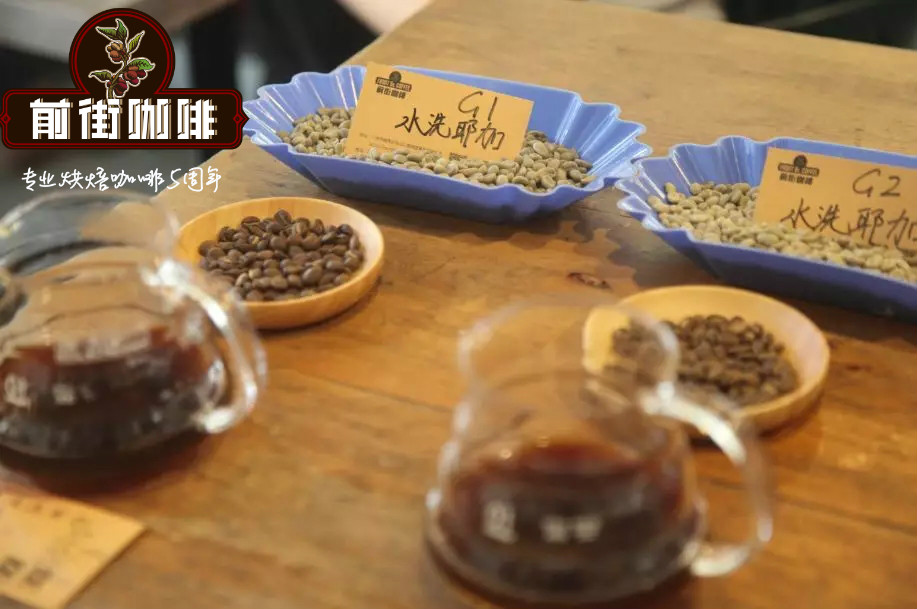
What's the difference between G1 and G2 coffee? FrontStreet Coffee compared the two and found that both green and roasted, G1 beans are relatively uniform in size, while G2 beans show obvious irregularities and more defects. During roasting, G1's aroma is clearly fuller; G2 falls somewhat short.
Flavor-wise, G1 and G2 are actually quite similar — mainly lemon, citrus, and jasmine — but G1 offers richer, more clearly defined layers, while G2's are fewer and muddier, with some undesirable notes.
FrontStreet Coffee Recommendation
For newcomers to Ethiopian coffee, FrontStreet's classic washed Yirgacheffe everyday lot is the natural starting point: white jasmine florals, bright citrus and lemon acidity, and a tea-like finish at an approachable price — the first bean many coffee lovers ever buy. Yirgacheffe itself is a small town in southern Ethiopia's Sidama province at roughly 1,700-2,100 meters, with coffee grown above 1,800 meters, and its name has become shorthand for Ethiopia's most recognizable white-floral, lemon-citrus profile.
For a fruitier expression, try FrontStreet's natural Red Cherry Yirgacheffe: only fully ripe, defect-free cherries are dried whole on raised beds and turned every 2 to 3 hours in the early days to prevent uneven fermentation, then sun-dried for three to five weeks. The result keeps classic Yirgacheffe character while adding tropical fruit — citrus acidity, berry juiciness, honeyed sweetness, and a creamy smoothness. Brew either with a V60, 15g of coffee at a 1:15 ratio, water at 90-91°C, and a medium-fine grind about the size of fine granulated sugar.
Important Notice :
FrontStreet Coffee is a long-established specialty coffee roaster in Guangzhou China, selling freshly roasted beans from its own farm in Yunnan as well as dozens of carefully selected single-origin beans from around the world for both pour-over and espresso. The products deliver consistently excellent quality and great value, with shipping within 24 hours. Guangzhou's FrontStreet Coffee shop is recommended by many coffee lovers, and the beans are now available online at the Tmall 。
FrontStreet Coffee has moved to a new address:
FrontStreet Coffee Address: 315,Donghua East Road,GuangZhou
Tel:020 38364473
 Scan and follow the En Gafei WeChat official account. Please indicate that the reprint comes from "En Gafei".