How to Roast Yirgacheffe Kochere Shepherd Coffee Beans _ How to Brew Ethiopian Kochere Coffee
In 1995 Ethiopia reorganised its regional divisions. The Yirgacheffe we know today was placed within the Gedeo Zone of the new SNNPR region. Yirgacheffe now sits in the central part of Gedeo, with the famous town of Yirgacheffe about 25 miles north of Kochere. Production is largely a matter of local smallholders delivering their lots to cooperatives for unified processing, and for a long time the area has been renowned as one of the best coffee origins in southern Ethiopia.
Kochere Coffee Growing Region
Kochere sits on a plateau at an altitude of 1650-1800 meters above sea level.
The main harvest in Ethiopia runs through November and December. Most farmers do not use modern farming methods; they tend the trees by hand, without harmful pesticides or herbicides. That means almost all Ethiopian coffee is effectively organically grown, certification or not. The combination of original growing methods and precise processing has made the region's coffee world-famous. As the owner of Neko farm put it: "This time there wasn't enough time to prepare, but we will prepare for RFA organic certification for the next harvest."
Washed processing requires more resources, water above all, than natural processing, and the resulting washed green beans are of higher quality. The beans are spread evenly on drying beds so air can move freely, and they are turned regularly to prevent over-fermentation.
Washed processing produces brighter acidity than natural processing, and that is what gives Yirgacheffe its "clean" taste. We love washed Yirgacheffe precisely because it is clearer.
Differences Between Washed and Natural Yirgacheffe
Coffee beans must be processed immediately after harvest, or they will begin to ferment and develop off-flavors. There are two methods - natural and washed - and they yield different flavor profiles.
Natural processed beans have complete, naturally mellow flavors, gentle aromas and more body.
Washed processed beans have good mellow flavors, high aromatics and vibrant acidity.
Natural Processing (Natural / Dried-in-the-Fruit):
The fruit goes straight to sun-drying after harvest with no further preparation. This is the oldest processing method still in use. Drying typically takes about 4 weeks, and the method must be extremely rigorous to ensure the coffee loses none of its flavor.
Fully Washed Processing:
This method uses washing and fermentation to remove the fruit pulp and mucilage. Farms using the washed method must build washing tanks and have access to continuously flowing water. During processing, the fermented beans are placed in the tank and moved back and forth, using friction between the beans and the power of flowing water to wash them until they are smooth and clean.
After washing, the beans are still enclosed in parchment and carry a moisture content of 50%. They must be dried down to 12%, or they will keep fermenting, turn moldy and spoil.
The better processing method is sun-drying, which takes 1-3 weeks but produces excellent flavor that is highly appreciated.
Difference Two: Coffee Bean Appearance
Green beans: washed green beans are generally blue-green, while natural green beans are yellow-green.
Roasted beans: washed Yirgacheffe shows more silver skin, while natural Yirgacheffe shows less.
Difference in Dry Aroma:
Natural Yirgacheffe: a light fermented wine aroma with spicy fragrance.
Washed Yirgacheffe: jasmine florals and a lemon or lime acidic fragrance.
Cupping Analysis
Natural Yirgacheffe: natural processing is somewhat complex, with a light fermented wine aroma, much more intense fruit flavors, honey sweetness, cocoa notes with hints of spice, full body and a long aftertaste.
Washed Yirgacheffe: washed processing has brighter acidity, like citric acid, a cleaner mouthfeel, more prominent citrus aromas and some black tea notes in the finish.
Similarity: both have fruity acidity reminiscent of lemon and citrus.
Kochere Coffee Bean Roasting Analysis
Light roasting makes the fruit aromas of tropical-grown Yirgacheffe more obvious and rich. The entry shows a slight acidity like an apple's sour fragrance, which instead enhances the coffee's body, making the bitterness more aromatic and worth savoring. Fundamentally, coffee is a fruit, and preserving sweet-and-sour fruit flavors after high-temperature roasting is what makes Yirgacheffe special.
Roaster: Yangjia 600g semi-direct flame.
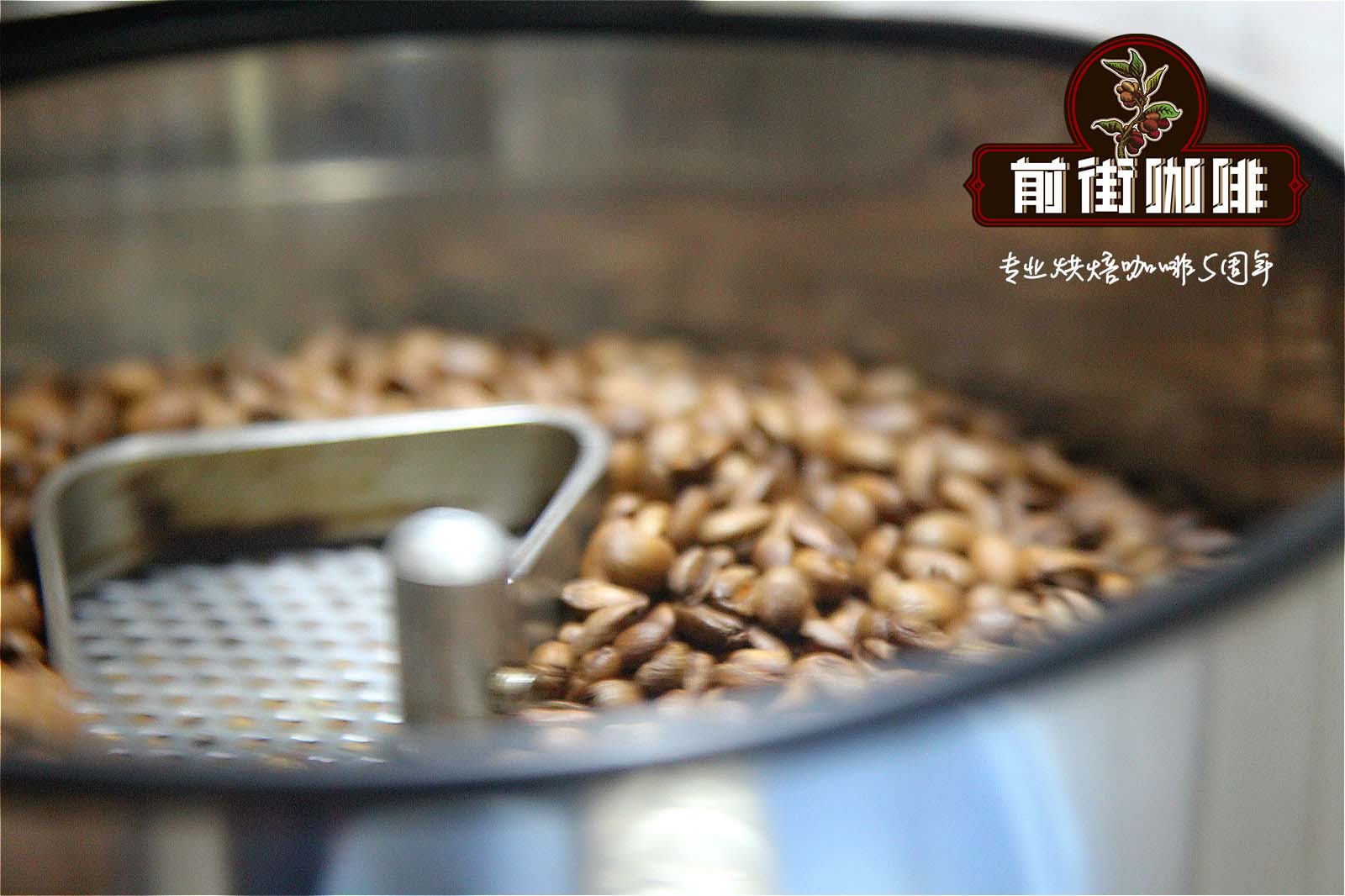
Using a fast roast profile, preheat the drum to 200°C with the air damper at 3. After 1 minute, reduce heat to 160°C and leave the damper unchanged. At 4'50", the temperature reaches 150°C, the bean surface turns yellow, the grassy smell disappears completely and dehydration is complete. Reduce heat to 130°C and open the damper to 4.
By the 8th minute, ugly wrinkles and black spots appear on the bean surface and the toast aroma clearly shifts to coffee aroma - the prelude to first crack. Listen carefully for the first crack now. At 8'20", first crack begins: reduce heat to 70°C and open the damper fully (be very careful when reducing heat - don't cut it so far that the cracking sound stops). Drop the beans at 192°C.
This is a fast-roasted light roast.
Kochere Coffee Bean Brewing Analysis
First brew: V60 dripper, 15g coffee, water temperature 90°C, grind size 4, water-to-coffee ratio close to 1:16.
35g water for the bloom, bloom time 35s.
Segmented pour: pour to 110ml, stop the flow, then pour slowly to 230ml.
Taste: somewhat weak.
Correction Method for Weak Pour-Over Coffee Flavor:
Keep everything else the same and simply grind finer. This increases the number of particles that absorb water and holds hot water in the bed longer, naturally raising the coffee's concentration.
Keep everything else the same and try increasing the coffee grounds by 3-5g at the same grind size. This deepens the coffee bed, enhances its water absorption and also raises concentration.
Second brew (corrected): V60 dripper, 15g coffee, water temperature 88.9°C, grind size 3.5.
Water-to-coffee ratio close to 1:15.
35g water for the bloom, bloom time 32s.
Segmented pour: pour to 110ml, stop the flow, then pour slowly to 228ml.
Taste: smooth, and much richer in flavor.
Regional Information
Ethiopia, Yirgacheffe, Kochere.
Grade: G1.
Variety: Heirloom.
Growing Altitude: 1650-1800 meters.
Processing Method: Washed.
Flavor Characteristics:
Fruity (rich fruit flavor), fresh jasmine aroma, berries, citric acidity (lemon acidity), pineapple, apple, smooth, clean, long aftertaste.
Yirgacheffe Kochere Coffee Bean Brand Recommendations
FrontStreet Coffee's washed Yirgacheffe Kochere beans offer full guarantees in both brand and quality. More importantly, they offer excellent value: a 227g package costs only about 75 yuan. At 15g per single-origin serving, one package yields 15 cups, working out to about 5 yuan per cup. Set against cafe prices that often reach tens of yuan a cup, that is exceptional value.
FrontStreet Coffee Recommendation
Washed Yirgacheffe is the clearest expression of the region, and FrontStreet Coffee's Washed Yirgacheffe is the ideal everyday introduction: white jasmine, bright citrus and lemon acidity, and a tea-like body at a very fair price. It is the bean most people taste first when they set out to understand what makes Ethiopian coffee special.
If you want to see what the cooperative model behind Kochere can achieve, FrontStreet Gidding Cooperative is a strong follow-up. The Gidding co-op lies in the Woka area at the southeastern end of Yirgacheffe and began as part of the YCFCU's Woka cooperative before emerging as a single-origin producer in its own right. Its washed processing pulls the bean's own aromatics forward, giving citrus and lemon tones over elegant white florals with a bright, delicate overall profile - a textbook example of the clean, layered cup that washed Yirgacheffe is famous for.
Important Notice :
FrontStreet Coffee is a long-established specialty coffee roaster in Guangzhou China, selling freshly roasted beans from its own farm in Yunnan as well as dozens of carefully selected single-origin beans from around the world for both pour-over and espresso. The products deliver consistently excellent quality and great value, with shipping within 24 hours. Guangzhou's FrontStreet Coffee shop is recommended by many coffee lovers, and the beans are now available online at the Tmall 。
FrontStreet Coffee has moved to a new address:
FrontStreet Coffee Address: 315,Donghua East Road,GuangZhou
Tel:020 38364473
 Scan and follow the En Gafei WeChat official account. Please indicate that the reprint comes from "En Gafei".