Yirgacheffe Pour-Over Tutorial: How to Brew Yirgacheffe Kochere Washed Coffee - Kochere Coffee Price Per Cup
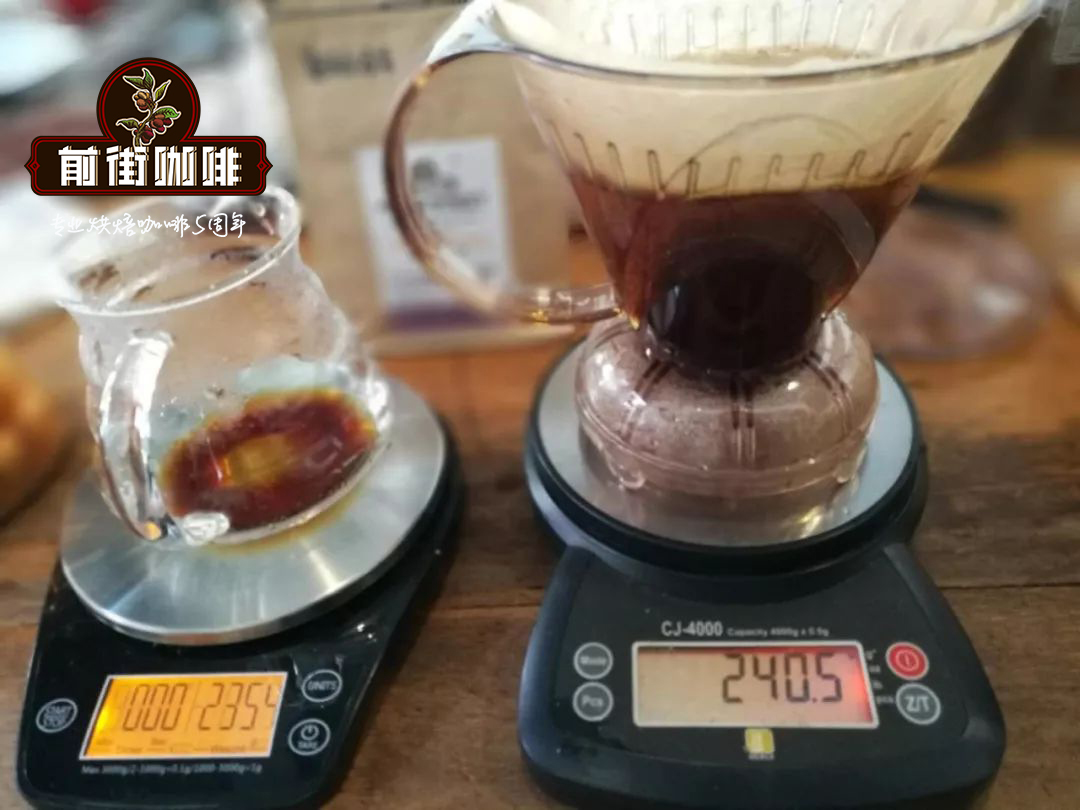
Pour-over brewing has no shortage of schools and techniques: the one-stream pour, the three-stage pour, the stirring method, the dot-drip method, the volcano pour, the meteorite pour, the Kawano pour, the zigzag pour, the three-temperature method, and many more.
For all this variety, the goal is always the same: a unique, excellent cup, and the pleasure of experimenting along the way. Making delicious pour-over at home is actually quite simple. Master a few tips and key points, and you can brew a great cup too.
The Three-Stage Pour
This means brewing in segments, dividing one batch of water into three pours.
Best suited to light, medium-light and medium roasts.
Advantages: more layered than a single pour, clearly separating the front, middle and back end of the flavor. The idea is to increase the water volume with each pour after blooming, usually pouring again as the coffee liquid is about to drop to the surface of the coffee bed, using small, medium and large flows across three stages.
Disadvantages: it demands more control over flow rate and volume.
Take FrontStreet Coffee's washed Yirgacheffe Kochere beans as an example:
Three-stage pour + V60 dripper
15g coffee, water temperature 88.9°C, grind size 3.5
Coffee-to-water ratio close to 1:15
35g water for blooming, bloom time 32s
Segments: pour to 110ml and stop, then slowly pour to 228ml
The Stirring Bloom Method
Best suited to extremely light, light and light-medium roasts.
The European-American stirring method uses a stirrer to cross-stir during the bloom stage. It is a branch of the three-stage approach, a technique developed after 2012 World Brewers Cup champion Matt Perger. It effectively boosts the release of aromatic compounds from the coffee, amplifying the bean's strengths and improving mouthfeel without leaving the cup thin.
The stirring method places high demands on bean quality. With inferior beans, it will amplify their faults. It also suits light roasts better, often paired with a finer grind to increase the water-to-grounds contact area and raise the extraction rate. The catch is that the degree of stirring is hard to control: too much stirring creates harsh acidity, prolonged stirring leads to bitterness, and the motion must be gentle.
Making a small hole in the center of the coffee bed before the bloom has one simple purpose: since there is more coffee in the center, it helps concentrate and distribute the water flow evenly. It is not strictly necessary; the flow of the pour itself can achieve the same thing.
If stirring is not well controlled, though, it can easily lead to over-extraction. Used well, this method enhances aroma release and does a great deal to highlight flavor characteristics.
Take washed Kochere beans as an example:
Stirring method + V60 dripper
15g coffee, water temperature 88°C, grind size 3.5
Coffee-to-water ratio close to 1:15
Bloom for 30 seconds (light-medium roast)
Stir with a wooden stick for 10 seconds during the bloom
Continue with a spiral pour
The One-Stream Pour
Best suited to medium or darker roasts.
The point is that after blooming, there is only one uninterrupted pour, which is where the name comes from.
After blooming, a single continuous pour keeps the coffee grounds soaking in water, and the retained liquid fully releases the aromatics from within the bed. The flow rate increases steadily, and the flow is reduced before the water overflows the dripper.
This technique is mainly about managing water volume and flow rate, achieving full-range extraction without losing balance. Poor pouring can destroy the coffee's overall balance.
This method preserves gentle flavors and balance above all. The drawback is that if the pour is not well controlled, water can pass through the filter paper at the edges above the coffee bed, which can leave the cup tasting watery.
Take Jamaican Blue Mountain as an example, using the one-stream method + flannel filter:
25g coffee, water temperature 85°C, grind size 4.5 (small Fuji)
Coffee-to-water ratio close to 1:10
40g water for blooming, bloom time 20s
The Japanese Drip Pour
Best suited to medium, medium-dark and darker roasts.
The drip-style pour uses a gentler flow, minimizing disturbance to the coffee bed, reducing convection and increasing steeping time. Coffee brewed this way is full-bodied, sweet and rich, with a distinct texture.
Since the kettle has to drip water drop by drop, choose a flat, wide-mouth spout or a wide-mouth gooseneck kettle.
Such kettles offer excellent control over flow thickness, which suits the drip method well. Paired with Kono's conical dripper, whose ribs stop before reaching half the dripper's height, the filter paper fully adheres to the wall after absorbing water, greatly restricting the space for the grounds to expand. This method suits medium-dark or darker roasts especially well.
To begin, use a drop-by-drop pour to extend the steeping time. At a low coffee-to-water ratio, this lets the grounds fully expand without off-flavors, after which a fine-to-coarse flow extracts the front-end floral and fruit aromas. The whole process takes about 4-5 minutes.
Take Mandheling as an example:
Drip method + KONO dripper
18g coffee, water temperature 83°C, grind size 4 (small Fuji)
Coffee-to-water ratio close to 1:13
Bloom for 2-2.5 minutes
Extraction time 4 minutes
The Three-Temperature Pour-Over
Best suited to light and medium roasts.
During brewing, three different temperatures are used together with segmented extraction.
The advantage is that it can extract a light roast with abundant aroma, a full sweet-and-sour sensation and a long aftertaste. Segmenting and lowering the temperature fully expresses the coffee's layering and fullness to a degree, avoiding the burnt bitterness that comes from over-extraction during immersion or slow filtering.
First large pour, with the water still very hot, since high temperature helps fully extract aroma.
Second large pour, with the water cooled to between 88-93°C. The higher the temperature, the higher and brighter the acidity; the lower the temperature, the more obvious the sweetness. Pour to 200cc (about 200g).
When the second pour is nearly done dripping, lift the smart dripper; the switch blocks the flow, stops filtering, and the lower pot is removed.
Take Ethiopian washed beans as an example:
Three-temperature method + smart dripper
Coffee weight: 16g, water volume: 240cc
First pour (bloom): water temperature near boiling; time 30s
Second pour (filtering): large-volume pour, water temperature still near boiling
Third pour (filtering): water temperature reduced to between 88-93°C, large-volume pour to 200cc
Fourth pour (steeping): water temperature reduced to between 80-85°C, pour 40g and steep for 20s
Yirgacheffe Kochere Coffee Bean Brand Recommendation
FrontStreet Coffee's roasted washed Yirgacheffe Kochere beans offer full guarantees in both brand and quality. More importantly, the value is exceptional: a half-pound (227g) package costs only about 75 yuan. At 15g per single-origin cup, one package makes 15 cups, or about 5 yuan each. Compared with cafes selling a cup for dozens of yuan, that is outstanding value.
FrontStreet Coffee Recommendation
To brew the Kochere style at home, FrontStreet Washed Yirgacheffe is the everyday bean we recommend first. Known for white jasmine, bright citrus and lemon acidity and a tea-like body, it is an affordable and approachable place to begin with Ethiopian coffee, and it puts the washed Yirgacheffe character front and center.
Brewing suggestion: V60 dripper, water temperature 90-91°C, 15g coffee, ratio 1:15, grind at EK43s setting 10 (fine sugar, 80% passing a No. 20 sieve). Pour 30g of water for a 30-second bloom, then add 95g (about 125g on the scale) over roughly one minute; when the water level drops to two-thirds of the bed, add the remaining 100g (about 225g on the scale) over about 1 minute 35 seconds. The drawdown finishes at 2:00-2:10, then remove the dripper.
If you want to go further, FrontStreet Gedeb Cooperative, from the Gedeb village in Yirgacheffe's Worka area, is a traditional washed coffee with clear citrus and lemon acidity and jasmine florals and none of the traditional bitterness. FrontStreet Sun-Dried Red Cherry, meanwhile, is a fully ripe-cherry natural with citrus acidity, berry juiciness, honeyed sweetness and a creamy smoothness.
Important Notice :
FrontStreet Coffee is a long-established specialty coffee roaster in Guangzhou China, selling freshly roasted beans from its own farm in Yunnan as well as dozens of carefully selected single-origin beans from around the world for both pour-over and espresso. The products deliver consistently excellent quality and great value, with shipping within 24 hours. Guangzhou's FrontStreet Coffee shop is recommended by many coffee lovers, and the beans are now available online at the Tmall 。
FrontStreet Coffee has moved to a new address:
FrontStreet Coffee Address: 315,Donghua East Road,GuangZhou
Tel:020 38364473
 Scan and follow the En Gafei WeChat official account. Please indicate that the reprint comes from "En Gafei".