Which Coffee Beans Are Best for Latte Art_Are Dark Roast Beans Suitable for Latte Art_Latte Art Coffee Prices
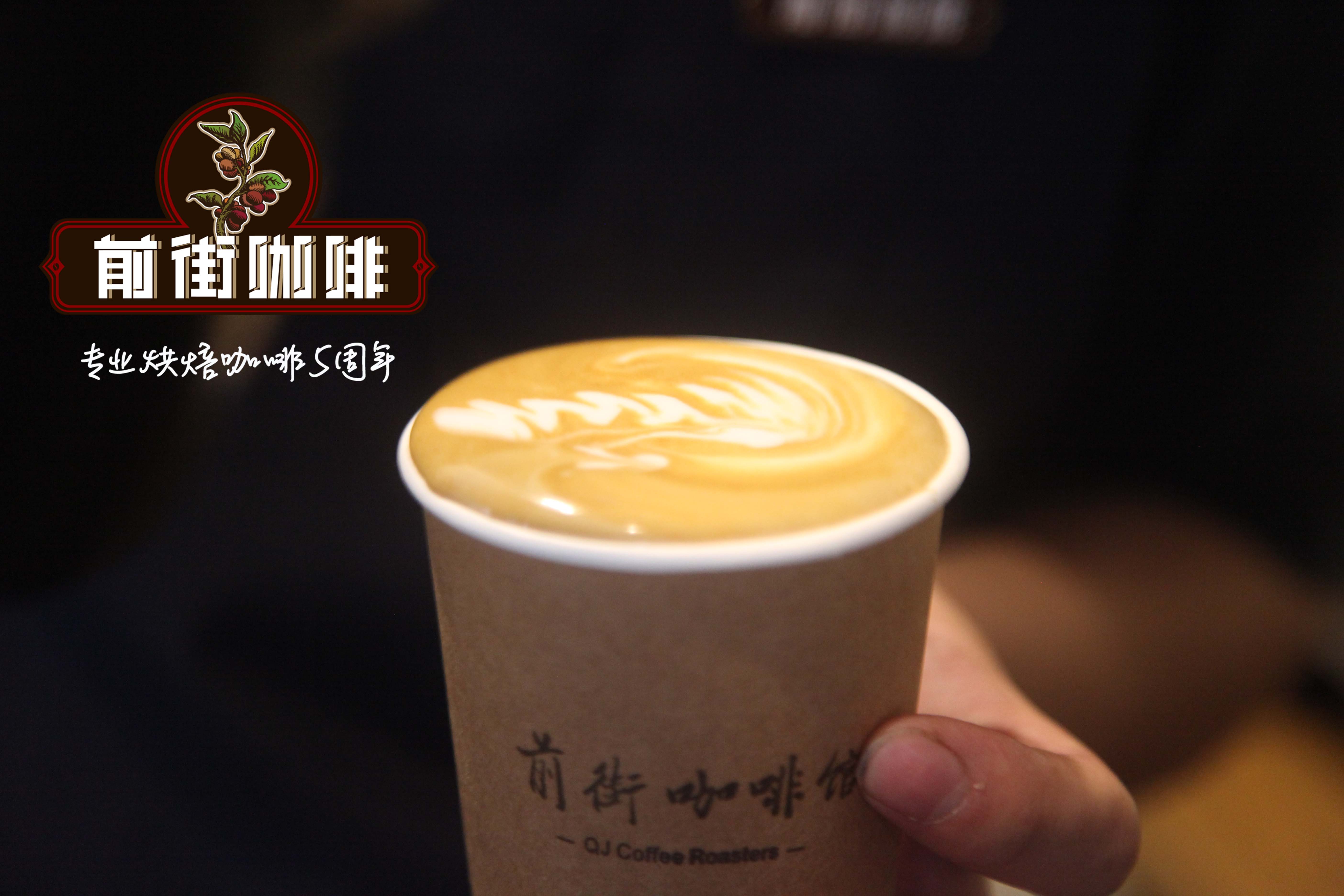
Latte Art and Coffee Beans
Are there other differences besides taste when making latte art with different latte art coffee beans?
Different latte art coffee beans actually affect the flavor of the coffee base, but have nothing to do with the latte art itself.
Your question is probably about whether rich crema makes latte art easier.
That has more to do with extraction factors and less to do with bean variety ratios.
First, practice your milk frothing well and learn proper coffee preparation techniques, and you can create beautiful latte art with any type of espresso blend.
Keep at it. I've never heard of "beans suitable for latte art" before. All properly roasted coffee beans, when extracted through an espresso machine (with crema), can be used to create latte art when combined with milk foam.
The Foundation of Latte Art
There are two foundations for latte art:
1. First, create a good cup of coffee. (This includes grind size, tamping, water temperature, pressure, extraction time, and so on.)
2. Smooth and delicate milk foam. (This includes milk fat content, milk temperature, steaming temperature, hand technique, timing, and so on.)
So the question should really be about beans suitable for making a good cup of coffee. Different beans have different flavors, regardless of whether they're used for latte art. The same green beans at different roast levels will taste different, and different roast levels also produce different colors.
As for beans suitable for latte art: since you want to do latte art, you're making espresso (or Seattle-style espresso), so you would naturally use espresso roast (a darker roast) blend coffee. Whether you choose imported or domestic beans relates to your budget.
Barista Kim's Insights
Although specialty coffee shops are becoming more numerous, it's often said that Chinese coffee culture is not yet mature. So what kind of coffee requests does Kim most commonly encounter from customers? The answers reflect Chinese coffee-drinking preferences: first, not too acidic; second, a stronger, more bitter coffee; third, hot enough.
Chinese people generally don't like coffee with heavy acidity, which may be influenced by instant coffee. Specialty coffee tends toward acidity, but since coffee beans are fruits, they naturally have varying degrees of fruit acidity.
Wanting a stronger, more bitter coffee is essentially about relying on coffee for energy. Coffee contains caffeine and certainly has stimulating effects, but a cup of quality coffee actually contains much less caffeine than instant or canned coffee, which is related to the beans used.
As for temperature, Chinese people are accustomed to hot beverages being sufficiently hot. Kim explains that the ideal temperature for a milk coffee is 60–65°C, so it doesn't feel scalding when sipped. If the temperature is too high, it destroys the nutrients in the milk proteins. Different regions also have different temperature standards — for example, Australia prefers a lower temperature of 55°C, though some customers also order Extra Hot drinks.
The Most Beautiful Latte Art
Besides taste, another highlight of coffee is latte art. When latte art is pleasing to the eye, the coffee's visual appeal naturally increases. But is more complex latte art necessarily better? Even the recent trend of 3D latte art, where milk foam is stacked into three-dimensional shapes — is that good? Kim, who has won multiple latte art competitions, states frankly that latte art doesn't help the coffee's flavor. Instead, you should make sure the latte art doesn't detract from the coffee's taste.
What makes good latte art? Clear contrast between the white and brown, defined lines, high symmetry, natural aesthetic beauty, and preserving a brown coffee ring around the pattern so every sip tastes the same — these constitute superior latte art.
Facing customers' varied and interesting latte art requests, Kim says he'll accommodate when possible but will decline overly complex patterns. As customers, we should also respect the barista's professional judgment and not insist on elaborate designs. Kim demonstrates a leaf-shaped Rosetta on the spot — his favorite pattern, which he believes sufficiently showcases a barista's skills.
Leaf pattern latte art — do you see that brown coffee ring?
While a leisurely, comfortable coffee shop environment makes customers want to slowly savor their coffee, in a barista's eyes, prolonging the drinking isn't ideal. Asked how long a coffee's optimal tasting window is, Kim answers: immediately. Once coffee is brewed, that is the best time to taste it. Over time, the milk and coffee in a milk coffee will separate, losing the optimal texture.
There is still much to learn about coffee. Next time you have one, why not chat with the barista?
FrontStreet Coffee's Latte Art Bean Recommendations
FrontStreet Coffee roasts espresso blend beans suitable for latte art — the FrontStreet Commercial Espresso Blend — with full guarantees in both brand and quality. It is also designed to meet the daily needs of coffee shops.
FrontStreet Coffee Recommendation
When it comes to beans for practicing latte art, FrontStreet Coffee's espresso blends are built for exactly that. Our FrontStreet Classic Blend is the one most home learners start with: a medium-dark espresso recipe drawn from three origins and inspired by the old "Mamba" style — Mandheling and Brazil — with a small amount of Robusta added for aroma and crema. It extracts with clear butter, toasted bread, and caramel-cookie aromas, a strong flavor, a solid body, and fine crema, and it pulls very consistently, making it an essential home coffee for newcomers. If you prefer a rich, nutty profile, our FrontStreet Specialty Blend is also a medium-dark espresso bean, a classic pairing of washed Colombian coffee and semi-washed Brazilian coffee that delivers nut, dark chocolate, and caramel; whether you make an Americano, a latte, or a flat white, it highlights creamy, almond, and cocoa softness, with crema every bit as good as a café's — more than enough for practicing latte art, and especially suited to anyone learning at home or planning to open a shop. And if you're getting ready to open a café, the FrontStreet Commercial Blend is made for you: it builds on the Specialty Blend with a small addition of Robusta in a traditional Italian-style recipe, purposefully adding more fine, deep-brown crema and a heavier body, so Americanos, lattes, and mochas all carry nut, cocoa, and caramel flavors and latte art becomes effortless.
Important Notice :
FrontStreet Coffee is a long-established specialty coffee roaster in Guangzhou China, selling freshly roasted beans from its own farm in Yunnan as well as dozens of carefully selected single-origin beans from around the world for both pour-over and espresso. The products deliver consistently excellent quality and great value, with shipping within 24 hours. Guangzhou's FrontStreet Coffee shop is recommended by many coffee lovers, and the beans are now available online at the Tmall 。
FrontStreet Coffee has moved to a new address:
FrontStreet Coffee Address: 315,Donghua East Road,GuangZhou
Tel:020 38364473
 Scan and follow the En Gafei WeChat official account. Please indicate that the reprint comes from "En Gafei".