Simplest Coffee Latte Art Patterns_Coffee Beans Wholesale Prices for Latte Art_What Equipment is Needed for Coffee Latte Art
The Art of Coffee Latte
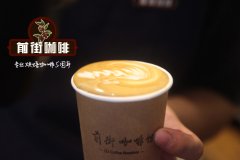
Coffee is an art, and latte art is the technique that lifts its visual expression to new heights. Every time you order a coffee in a cafe, have you ever wondered how those beautiful milk foam patterns appear on the surface? Wonder no more - today I'll help you fulfill your long-awaited dream of pouring latte art yourself. Not only will you see clearly how it's made, I'll also teach you how to brew a beautiful Italian coffee on your own.
The Origin of Latte Art
One morning in 1988, at Vavace Cafe in Seattle, USA, owner David Schomer was brewing coffee for customers. As he poured milk into the coffee, he unintentionally created a heart shape. Inspired by that milk heart, David Schomer began researching coffee brewing and created latte art. Since then the technique has been pursued by coffee lovers everywhere, all eager to explore new patterns.
Coffee latte art pursues beauty while also emphasizing mouthfeel.
Types of Latte Art Techniques
People worldwide learn coffee latte art. Its principle is to pour steamed milk foam into espresso to create different patterns. The main techniques fall into two types:
1. Free Pour
Control the milk pitcher and create patterns by pouring milk foam into the coffee with varying shaking amplitudes, speeds and pitcher heights. This technique demands real proficiency.
2. Etching
Slowly pour milk foam into the coffee to create a basic composition, then use an etching needle or toothpick to draw patterns. This technique is less difficult technically but places more weight on creativity.
Using an etching needle to draw on coffee.
Essential Equipment and Materials
Before learning perfect latte art, you first need to gather the necessary materials and equipment. You must have:
1. Coffee Beans, Grinder, Coffee Machine
For latte art, milk foam and espresso are the main components, so you need a grinder and coffee machine to turn latte art coffee beans into espresso.
Prepare a good espresso.
2. Whole Fresh Milk
Milk foam is made from milk, and since both the fat and protein content and the temperature of the milk affect foam formation, it's best to use whole fresh milk for latte art. Its higher fat and protein content creates more, finer and smoother foam. The milk must also be chilled, because cold milk extends the mixing time during foaming. When milk and foam blend well, the latte art will be beautiful.
3. Espresso Machine Steam Wand / Milk Pitcher / Milk Frother
All three are milk-frothing tools. Manual milk pitchers and electric milk frothers are harder to master. Beginners should choose a single-hole steam wand, because fewer holes mean slower steam output and easier control. For milk pitchers, choose the size based on how much you're making - generally, 350cc or 600cc steel pitchers work well.
Using chilled whole milk to create milk foam.
4. Latte Art Pitcher
This holds the milk foam for pouring. For size, choose based on each machine's steam pressure and the serving amount - generally, 300ml, 350ml or 600ml pitchers are available. Latte art pitchers come in different shapes, and it's best to choose one with a wide base that narrows upward, avoiding shapes that are wide in the middle and narrow at both ends, which hinder foam creation. For the spout, choose a round, wide spout with an outward curve, which makes the pour more stable and easier to control. For the spout groove, choose a long groove that gathers the foam, making it easier to control during pouring.
A good latte art pitcher helps beginners master the technique.
5. Coffee Cup
Beginners should practice with short, round-bottomed, wide-mouthed coffee cups, which are easier to handle. The pouring time is relatively shorter than with tall cups, and patterns are easier to create.
Once everything is prepared, it's time to start practicing.
Recommended Latte Art Coffee Bean Brands
FrontStreet Coffee's roasted latte art coffee beans - a commercial Italian blend - offer full guarantees on both brand and quality. More importantly, they deliver outstanding value. One half-pound (454-gram) pack costs only about 60 yuan. At 10 grams of coffee powder per espresso shot, one pack makes about 45 cups, working out to only about 1.5 yuan per cup - remarkable value next to cafes selling cups for 20-30 yuan each.
FrontStreet Coffee is a Guangzhou-based roastery with a small storefront but diverse bean varieties, where you can find both famous and lesser-known beans.
FrontStreet Coffee Recommendation
For learning latte art at home, FrontStreet's Classic Blend is the natural starting point. A medium-dark Italian recipe combining three origins and inspired by the classic "Mamba" pairing of Mandheling and Brazil, it includes a touch of Robusta for extra aroma and body. Extraction releases clear butter, toasted bread and caramel-cookie aromas, with a strong, solid mouthfeel and fine crema that pours very steadily - a home staple for beginners.
If you prefer a rich, nutty profile, go with FrontStreet's Specialty Blend. Also medium-dark, it's the classic match of washed Colombian beans and semi-washed Brazilian beans, showing nut, dark chocolate and caramel notes. Whether you make an Americano, a latte or a flat white, it brings out creamy, almond and cocoa aromas, with crema that easily matches a cafe - more than enough for practicing latte art.
And for those about to open a shop, FrontStreet's Commercial Blend is built for it: the Specialty Blend recipe with a little Robusta added for a finer, deeper brown crema and a fuller body, giving Americanos, lattes and mochas nut, cocoa and caramel flavors while making latte art effortless.
Important Notice :
FrontStreet Coffee is a long-established specialty coffee roaster in Guangzhou China, selling freshly roasted beans from its own farm in Yunnan as well as dozens of carefully selected single-origin beans from around the world for both pour-over and espresso. The products deliver consistently excellent quality and great value, with shipping within 24 hours. Guangzhou's FrontStreet Coffee shop is recommended by many coffee lovers, and the beans are now available online at the Tmall 。
FrontStreet Coffee has moved to a new address:
FrontStreet Coffee Address: 315,Donghua East Road,GuangZhou
Tel:020 38364473
 Scan and follow the En Gafei WeChat official account. Please indicate that the reprint comes from "En Gafei".