Beginner Coffee Latte Art Tips_Latte Art Milk Foam Requirements_Best Coffee Beans for Latte Art
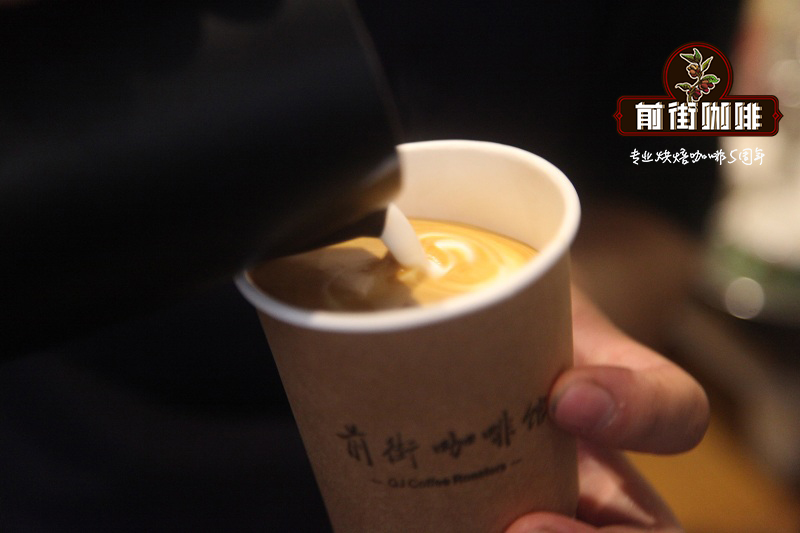
The Art of Latte: Quality Coffee First
"A great latte is, first and foremost, a beverage. What matters most is how it tastes — the pattern adds nothing to the flavor." That is a point Peter returns to constantly: before you can pour outstanding latte art, you have to brew outstanding coffee. "Espresso can be made from beans of many different origins — that comes down to personal preference — but the cup should be balanced, with bitterness, acidity, and sweetness in the right proportion." He is exacting about every detail, from visiting coffee farms to hand-picking exceptional beans. Peter likes to travel with his wife, mixing work with romance — scouting coffee plantations in Guatemala and Ecuador in search of his ideal beans.
Espresso came first; latte art came after — and you have to respect coffee quality before the pattern means anything. "At first, Asia had the trend backwards," Peter said, "but fortunately that's changing: alongside beautiful patterns, there's now a real demand for great coffee." Europe, where latte culture runs deep, never lost that priority — good coffee first, then the art on top.
The Rise of 3D Latte Art
3D latte art has only been around for a few months, but it is already set to take the latte world by storm — and nothing is more charming than the 3D cat leaping from one cup into another.
Having spent many years in the industry, Peter has watched latte art culture evolve. Years ago the microfoam was thinner; today's lattes generally carry rich, dense foam that makes elaborate patterns possible. Peter picked up the 3D technique early when it began circulating online. He jokes that what latte artists hate most is the size of the cup mouth. Using two cups to build true 3D work — that cat jumping between cups really is a landmark piece. "3D latte art has been popular for only a few months and it has already caused a sensation. Honestly, shaping thick foam into a cat isn't hard at all — creativity is what matters!"
Latte Art as a Creative Art Form
Latte art has long since become a creative art form. Just as Peter studies it every night, the Internet and Facebook are his best information channels — connecting him with like-minded artists around the world. Whenever anyone finishes a new piece, they photograph it and share it online, Peter included. With a good digital camera always at hand, he has absorbed endless inspiration and wonderful work from that community.
The Importance of Rich Foam
Latte art patterns can vary endlessly. This underwater-world theme is utterly charming. (Peter Hernou's work)
Latte art demands skill, and creativity matters just as much. Beyond being beautiful, a pattern should hold a surprise. "In competition, the more complex the pattern, the higher the difficulty — and the higher the score. But the extra time it takes doesn't work in a busy café; you can't spend ten or twenty minutes on one pour." That's why, outside of competition, Peter favors cute, approachable designs — elephants, bears, fish. They look simple, but every one is a display of craft. "Of all patterns, the hardest is the triangle — it takes the help of a spoon to pull off."
When pouring, the milk pitcher spout should sit roughly three to five inches above the rim of the cup, feeding in a stream of consistent thickness. No bubbles should appear as you pour — only then can the pattern take shape.
Small tools can help finish a design; a fine brush is one of Peter Hernou's staples.
In Peter's words, the soul of latte art is the foam. How rich the foam is, and how well it partners with the coffee beneath — all of that is part of the craft. Hot milk breaks the crema on the surface so the foam can merge with the espresso, and the drinking experience changes completely. Foam that is too thin ruins both the mouthfeel and the pattern, which becomes nearly impossible to form.
Coffee and foam need to stay in balance. All too often the foam is so thick you can't taste the coffee at all — and Peter has no patience for a mountain of foam over a mediocre cup. Thinner foam flows more freely, letting coffee and milk knit together, and the taste is naturally better. "Two lattes can look almost identical, yet taste completely different. Sip them and one has richer foam and a whisper of sweetness — that is the line between good and great."
Technical Excellence in Latte Art
A high-level pattern should sit at the center of the cup, with clean space all around the edges — already a demanding feat. Beyond placement, the lines matter: most patterns are symmetrical, and the more evenly the two sides mirror each other, the finer the work.
Besides pouring from the pitcher, you can dust cocoa powder through a stencil to "draw" a pattern. Peter dislikes such shortcuts. A true latte should contain only milk and coffee, and a cocoa-stencil design isn't really latte art at all — it has no creative soul.
Under Peter's guidance, the penny finally dropped: a genuinely high-quality pattern is anything but simple, as even the fundamental heart and rosetta show. "The pattern belongs at the center of the cup, with space around it; it must never touch the rim. And symmetry is key — in a heart built from lines, the more evenly matched the left and right strokes, the higher the quality." Easier said than done. Latte art is won through repetition; practicing dozens of cups a day is just routine.
Latte Art Steps
Step 1:
Grind about 18-22 grams of beans for espresso. Hold the portafilter, fill it with grounds, sweep the excess toward the center to level the bed, and tamp firmly.
Those 18-22 grams of beans yield about 30 milliliters of espresso.
Step 2:
Lock the portafilter into the group head. Make sure it is seated tight, then place the cup underneath to catch the flowing espresso.
Before locking in the portafilter, run the group briefly to rinse away residue from the previous shot.
Step 3:
Pour cold milk into a pointed stainless pitcher and steam it for about 20 seconds. Swirl gently to polish the foam until the surface shines.
Before steaming, purge the wand so no water dilutes the milk; after steaming, purge it again to clear residual milk.
Step 4:
Take the espresso from Step 2 in one hand and the pitcher of foam from Step 3 in the other. Keep the rims of the two vessels close, tilting the coffee cup slightly toward the pitcher, and pour the foam into the center of the crema to blend.
Coffee and foam separate quickly, so work fast.
Step 5:
Once foam rises on the surface, gently shake the hand holding the pitcher.
Step 6:
After the foam draws its stripes, finish by steering the pour toward the front of the cup to cut through and shape the heart.
Advanced Latte Art
Advanced Heart
Take the heart you just poured and, with a pointed tool or a coffee thermometer, sketch a face from the front of the heart, then dip into the surrounding crema to draw the eyebrows and eyes.
Swan Latte Art
The challenge of more complex pieces lies in drawing lines of varying thickness in a short time with the pointed pitcher alone — no extra tools — while shaking the cup. The result is lines with foam inside the coffee and coffee inside the foam; layering the two like this is genuinely difficult.
FrontStreet Coffee Recommendation
Every technique above only shines over a proper espresso base. For practicing at home, start with FrontStreet Coffee's Classic Blend: a medium-dark espresso recipe built from three origins, inspired by the old-school "Mamba" pairing of Mandheling and Brazil, with a small share of Robusta added for extra aroma and crema. Expect pronounced notes of butter, toasted bread, and caramel biscuit — bold flavor, a solid body, fine crema, and highly stable extractions. It is the essential beginner's home espresso.
If you prefer a rich, nutty profile, go for FrontStreet's Premium Blend, the classic marriage of washed Colombian and pulped-natural Brazilian beans. As espresso it shows nut, dark chocolate, and caramel; in milk drinks — latte, flat white, americano — it brings out the smooth aromas of cream, almond, and cocoa, with crema that rivals café quality and more than enough forgiveness for latte art practice, at home or behind a bar.
Important Notice :
FrontStreet Coffee is a long-established specialty coffee roaster in Guangzhou China, selling freshly roasted beans from its own farm in Yunnan as well as dozens of carefully selected single-origin beans from around the world for both pour-over and espresso. The products deliver consistently excellent quality and great value, with shipping within 24 hours. Guangzhou's FrontStreet Coffee shop is recommended by many coffee lovers, and the beans are now available online at the Tmall 。
FrontStreet Coffee has moved to a new address:
FrontStreet Coffee Address: 315,Donghua East Road,GuangZhou
Tel:020 38364473
 Scan and follow the En Gafei WeChat official account. Please indicate that the reprint comes from "En Gafei".