How to Choose Decaf Coffee Beans - Decaf Coffee Recommendations and Characteristics

The Story of Decaf Coffee
Legend has it that the renowned German poet Johann Wolfgang von Goethe was also a coffee lover — one who suffered terribly from sleepless nights after his afternoon cups. That love-hate relationship pushed him to ask his friend Friedlieb Ferdinand Runge to analyze coffee beans and identify what kept him awake. Around 1820, Runge isolated caffeine as the culprit and developed a way to separate it from coffee beans, becoming the pioneer of decaffeinated coffee.
Although Runge had identified the sleep-stealing compound, the extraction technology of his day could not support commercial production. It was not until 1903 that the German coffee importer Ludwig Roselius noticed that coffee beans soaked in seawater lost a significant amount of caffeine. He commissioned a team of chemists to develop caffeine extraction technology, and the methods finally matured. Only then did mass production of decaffeinated coffee begin.
What is Decaf Coffee?
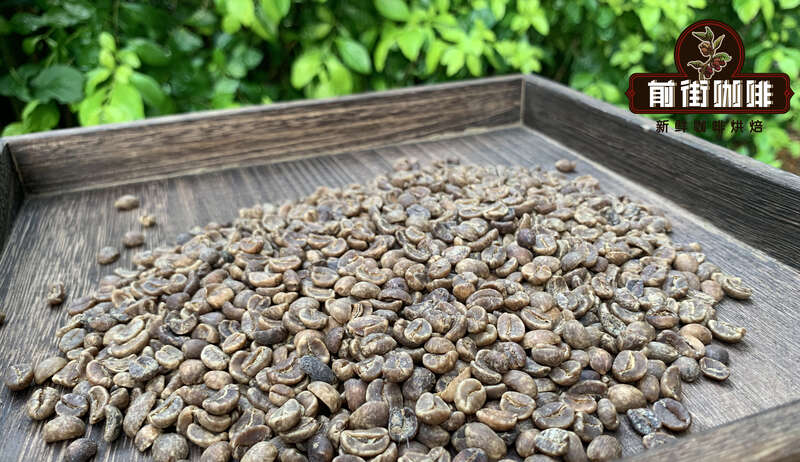
"Decaf" is short for decaffeinated coffee: beans from which at least 97% of the caffeine has been removed. There are several ways to strip caffeine from green coffee. Most rely on water, organic solvents, or carbon dioxide — the beans are treated until the caffeine migrates out, then the extraction medium is removed. Decaffeination happens before roasting and grinding. Apart from the caffeine content, the nutritional value of decaf should be nearly identical to regular coffee. Depending on the method, however, taste and aroma can become slightly softer and the color may shift. For drinkers who are sensitive to the bitterness of regular coffee, this can actually make decaf more enjoyable.
Does decaf mean completely caffeine-free? Not quite. FrontStreet Coffee notes that even after extraction, decaf still retains roughly 2-3% of its caffeine — a cup of decaf espresso may contain a few milligrams. But compared with regular espresso, that amount has no noticeable effect on most people.

Decaf Coffee Processing Methods
Caffeine removal methods fall into three broad categories: direct/indirect solvent processing, supercritical carbon dioxide processing, and Swiss Water processing.
Direct Solvent Processing
Direct solvent processing uses chemical solutions such as dichloromethane or ethyl acetate to dissolve caffeine. First, steam opens the pores of the green beans; the solvent is then applied directly, binding with the caffeine. Once the caffeine-laden solvent is washed away, the beans are steamed again to remove any residual solvent.
Because dichloromethane has been suspected of raising cancer risk under long-term exposure, some drinkers worry about this method. However, the FDA caps dichloromethane residue in decaffeinated coffee at 0.001%, and in practice levels are far lower, with minimal side effects. Ethyl acetate works the same way. Since it is typically derived from sugarcane, the process is often called sugarcane decaffeination — the method most commonly used for Colombian decaf. The drawback is that ethyl acetate is highly flammable, making handling riskier.
Supercritical Carbon Dioxide Processing
Here the beans are first soaked to swell them, loosening the caffeine molecules inside. Liquefied carbon dioxide is then introduced under pressure exceeding 100 atmospheres. CO2 is highly selective: it dissolves caffeine without damaging the carbohydrates and proteins in the bean, so the coffee's flavor survives intact. The caffeine-laden CO2 can be recycled after the caffeine is removed.
CO2-decaffeinated coffee is gentle on the body, and research suggests this method extracts more caffeine than direct solvent processing. The trade-off is cost — it is considerably more expensive.
Swiss Water Processing
Swiss Water processing was developed by the Swiss company Coffex in the late 1970s, and SWISS WATER is now a registered trademark. Green beans are soaked in hot water, which draws out the caffeine along with flavor compounds. The solution is then passed through activated carbon filters that trap the caffeine, and finally the flavor-rich solution — now caffeine-free — is reintroduced to the beans. This cycle removes caffeine effectively without any chemical solvents, and the saturation solution can be reused across batches. The beans do lose a little flavor during filtration, which is the method's main cost.
Swiss Water can achieve a caffeine removal rate of 99.9% — the highest of any method.
FrontStreet Coffee's Decaf Coffee Selection
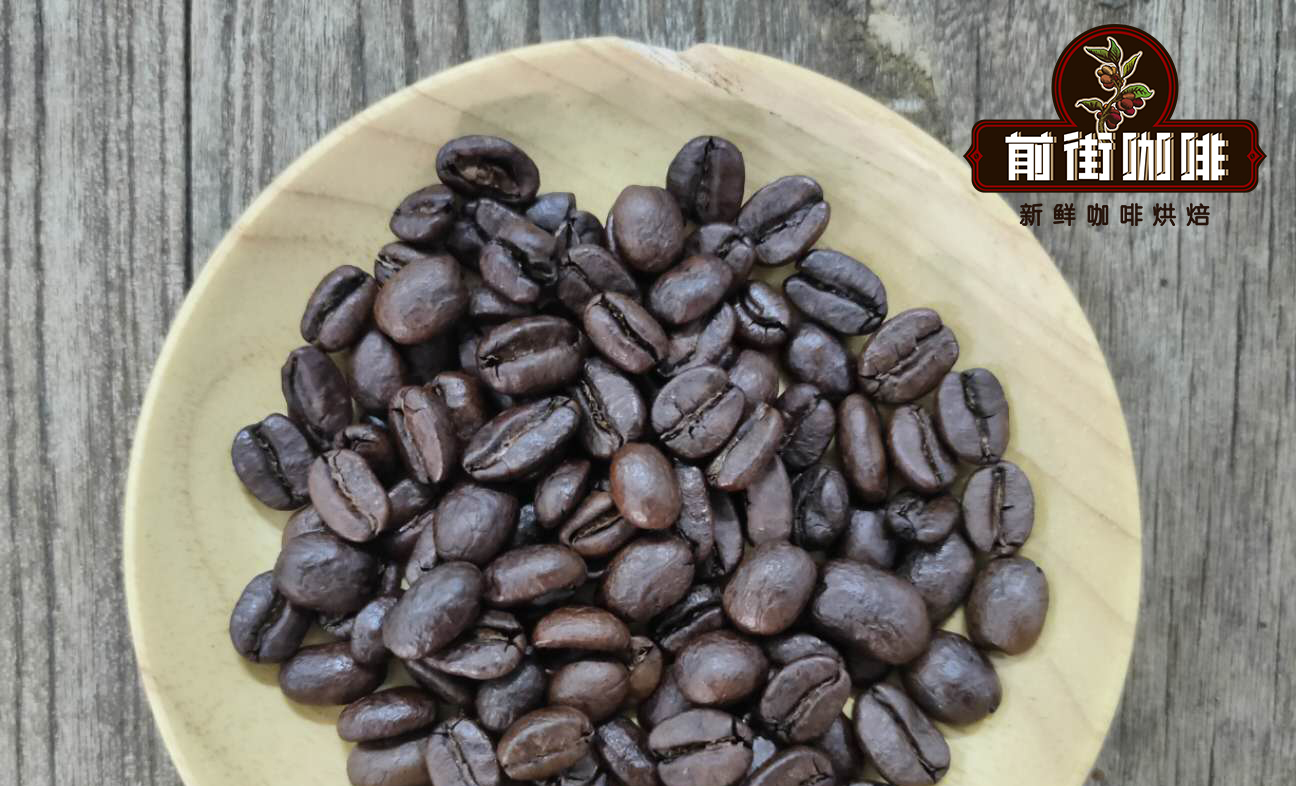
Based on the methods above, FrontStreet Coffee believes that bad decaf is not caused by the processing itself. Most decaf on the market is made from cheap, commercial-grade beans. To keep decaf flavorful, bean selection is everything. The real flavor damage comes from the soaking and steaming steps, so today dedicated roasters seek out varieties that hold onto their aroma — beans that keep their acidity and body even after the punishing decaffeination process. And of course, coffee is an agricultural product: the longer the journey from farm to cup, the more flavor naturally fades.
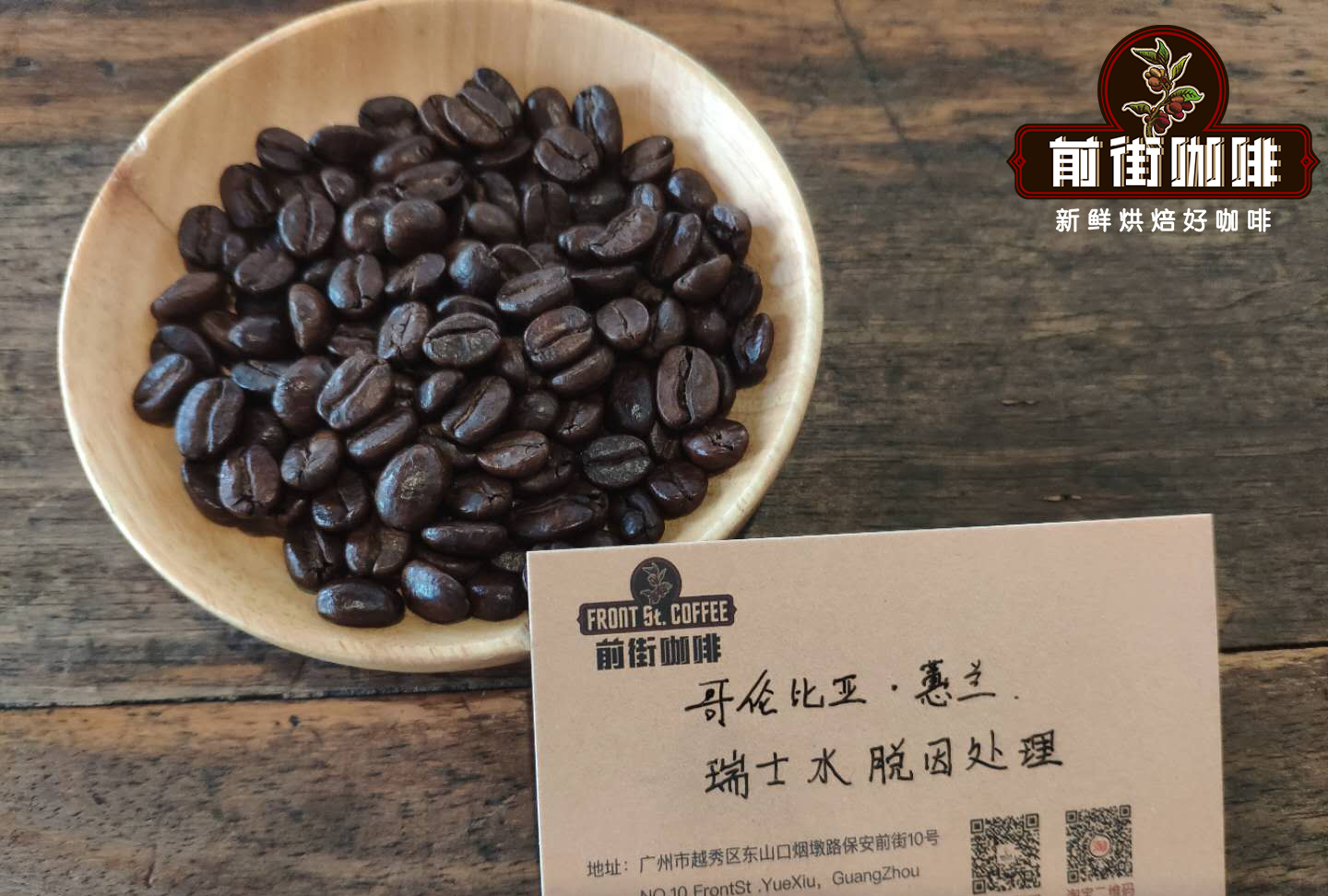
FrontStreet Coffee's decaf comes from the Huila region of Colombia, with details as follows:
Region: Huila, Colombia
Altitude: 1750 meters
Variety: Typica
Processing: Swiss Water Processing
Flavor: Berries, citrus, cocoa, nuts
Brewing Parameters
Because of differences in the bean's fiber structure, brewing parameters should be adjusted as follows:
Dose: 15g
Ratio: 1:15
Water Temperature: 88°C
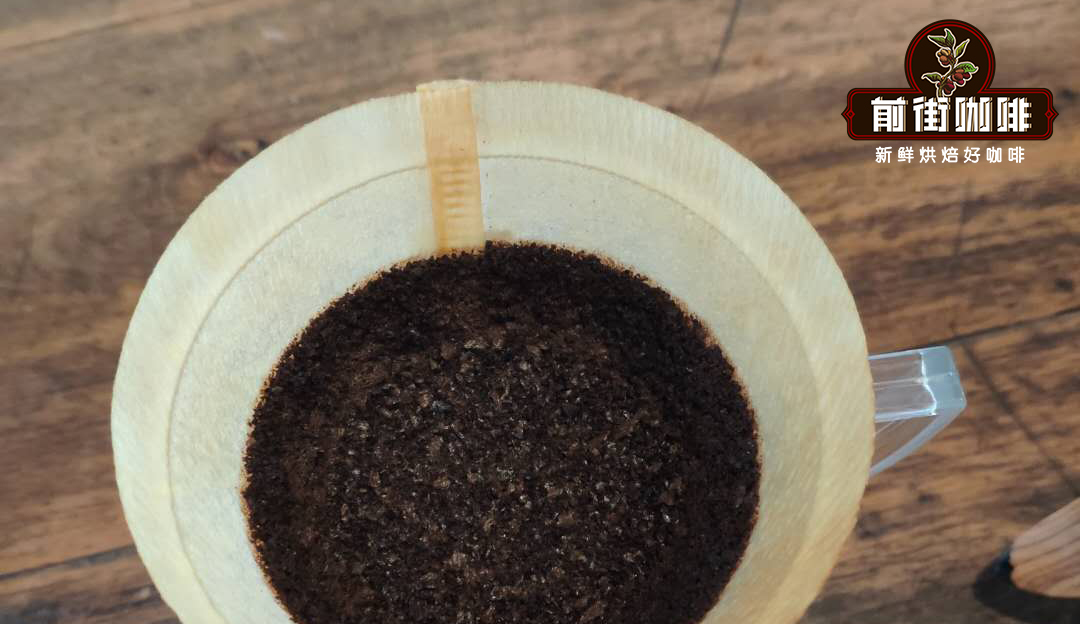
Grind Size: Coarse grind (62% pass-through rate on a #20 standard sieve)
Dripper: Kono dripper
Brewing Steps
1. Add the grounds and pour twice the coffee weight in water (30ml) for a 30-second bloom.
2. For the second pour, gently pour 150ml of hot water in circles to lift the coffee bed and form an even golden-brown crust on the surface.
3. Once the water level drops slightly, add the final 45ml. Remove the dripper after all the coffee has drained into the server to complete the extraction, which takes about 2 minutes 10 seconds in total.
The cup delivers classic Colombian washed-coffee character: nutty dark chocolate aroma, gentle citrus acidity, and rich creamy chocolate sweetness.
FrontStreet Coffee Recommendation
Colombian coffee is one of the most versatile origins you can stock. It works as an espresso blending base and as a pour-over single origin, and it spans bright fruity lots, full-bodied classic lots, and aromatic showcase lots alike. The Huila region in southern Colombia is the country's most famous specialty area: rolling hills surrounded by mountains, planted above 1,500 meters, where the country's most important rivers converge to supply abundant water and humidity. FrontStreet Coffee's washed Huila beans are roasted medium-dark to bring out black chocolate and nutty sweetness, moderate crema, and a full body — great as pour-over or French press, and equally at home in a moka pot or espresso machine for Americanos and lattes.
If your decaf habit coexists with a taste for adventurous flavors, Colombia's experimental scene is worth exploring. Anaerobic fermentation — sometimes called carbonic maculation — ferments coffee in sealed, pressure-rated stainless tanks where temperature, time, and pH are precisely controlled in a low-oxygen or oxygen-free environment. The most famous variants are anaerobic natural and anaerobic washed. FrontStreet Coffee's Sidra lot from the Finca La Divisa (Dividing Line) estate uses anaerobic natural processing and a medium-light roast, converting the fermentation into layers of tropical fruit aroma: in pour-over, cold brew, drip bags, or a moka pot you will find passion fruit, grape, apricot, and dried fruit in a richly aromatic cup.
For espresso machine or moka pot owners, FrontStreet Coffee's specialty house blend is another easy pick. Built for café service, it combines the creamy nuttiness of Brazilian coffee with the dark chocolate bitterness of Colombian, pulling a fine golden crema that stands up beautifully to milk in a latte. It is beginner-friendly and doubles as the base for Americanos, cappuccinos, mochas, and other espresso staples.
Important Notice :
FrontStreet Coffee is a long-established specialty coffee roaster in Guangzhou China, selling freshly roasted beans from its own farm in Yunnan as well as dozens of carefully selected single-origin beans from around the world for both pour-over and espresso. The products deliver consistently excellent quality and great value, with shipping within 24 hours. Guangzhou's FrontStreet Coffee shop is recommended by many coffee lovers, and the beans are now available online at the Tmall 。
FrontStreet Coffee has moved to a new address:
FrontStreet Coffee Address: 315,Donghua East Road,GuangZhou
Tel:020 38364473
 Scan and follow the En Gafei WeChat official account. Please indicate that the reprint comes from "En Gafei".