What Do Pure-Bloodline Washed Yunnan Small Bean Coffee Baoshan Tipica Taste Like? Exactly What Is the Yunnan Flavor Profile?
What Does Pure-Bloodline Washed Yunnan Typica Actually Taste Like?
What is the true flavor of Yunnan coffee? It comes down to a handful of fundamentals — the same factors that decide whether any coffee bean will taste good:
Evaluating Coffee Beans
1. Variety 2. Altitude 3. Processing method 4. Roasting 5. Extraction
1. Variety: Typica, the Heirloom Line
When you evaluate specialty coffee, remember that Blue Mountain and Kona are both Typica varieties. By pure bloodline logic, we have to admit that good genetics account for a large share of what makes a coffee great.
2. Growing Altitude
For Arabica, 1,200 meters is the quality watershed. This Yunnan Baoshan Typica is grown at 1,200 meters.
3. Processing Method
Processing runs in two broad directions: the cleaner route, such as washed, and the more flamboyant route, such as natural.
4. Roasting
FrontStreet Coffee has specialized in roasting for 5 years, and here we chose a medium roast to express the regional character that Yunnan specialty coffee deserves.
Basic Information About This Yunnan Coffee Bean
Here is the essential information on this lot — including how to brew it and what we found on the cupping table:
Yunnan Baoshan Typica
Product Name: Flower Fruit Mountain
Origin: China, Yunnan, Baoshan
Variety: Typica
Growing Altitude: 1,200 meters
Grade: AA
Processing: Washed
The History of Yunnan Coffee Cultivation
Yunnan's coffee story begins in 1892, when a French missionary carried coffee seeds into the province and planted them successfully in a valley in Binchuan County. The main variety was Typica — the so-called small-bean coffee, known throughout China as "Yunnan small-bean coffee."
Botanically, Yunnan small-bean coffee belongs to the Rubiaceae family, genus Coffea.
Bloodline matters enormously to a coffee's quality: choose the right variety, plant it at a suitable altitude, and once it matures, refine the processing that best expresses its character. Yunnan's Typica growing areas are concentrated in the prefectures of Lincang, Baoshan, Simao, Xishuangbanna, and Dehong.
Identifying the Variety
In a vast sea of Catimor, Typica is actually easy to pick out once you know the silhouettes: Catimor's leaves droop downward, giving the tree a cloaked look, while Typica's branches reach upward, crowned with copper-tipped new leaves.
Growing Altitude and Climate
For Arabica, 1,200 meters is the quality watershed, and Baoshan sits above it, with an average temperature of 21.5°C that can climb as high as 40.4°C. The area is essentially frost-free year-round, forming a protective microclimate for coffee — which is why it is recognized as an optimal origin for small-bean coffee. The cup of the Typica grown here is rich but not bitter, aromatic but not pungent, with small, uniform beans, a deep mellow aroma, and fruity notes.
Processing Method: Washed
Harvested cherries run through a depulper to strip away most of the fruit flesh; the parchment beans then go into a clean-water tank to ferment, loosening every trace of residual mucilage. Because unripe and defective beans separate out by buoyancy, and because fermentation is easier to control, washed coffee avoids the muddled flavors naturals sometimes carry — it shows clean fruit acidity, slightly greater complexity, and a cleaner mouthfeel.
Roasting Analysis
Moisture content of the green beans is 10.9%, so the plan was to charge at 200°C and use high heat with small airflow to accelerate drying, then open to medium airflow and medium heat after drying to keep the Maillard stage from rushing, develop 3 minutes after first crack, and drop.
Roast profile: HB roaster, 2 kg batch
Turning point: 1 minute 32 seconds, 92.5°C
Yellowing point: 5 minutes 40 seconds, 148.5°C
First crack: 8 minutes 59 seconds, 188.0°C
Development: 3 minutes
Discharge: 12'00, 196°C
Cupping
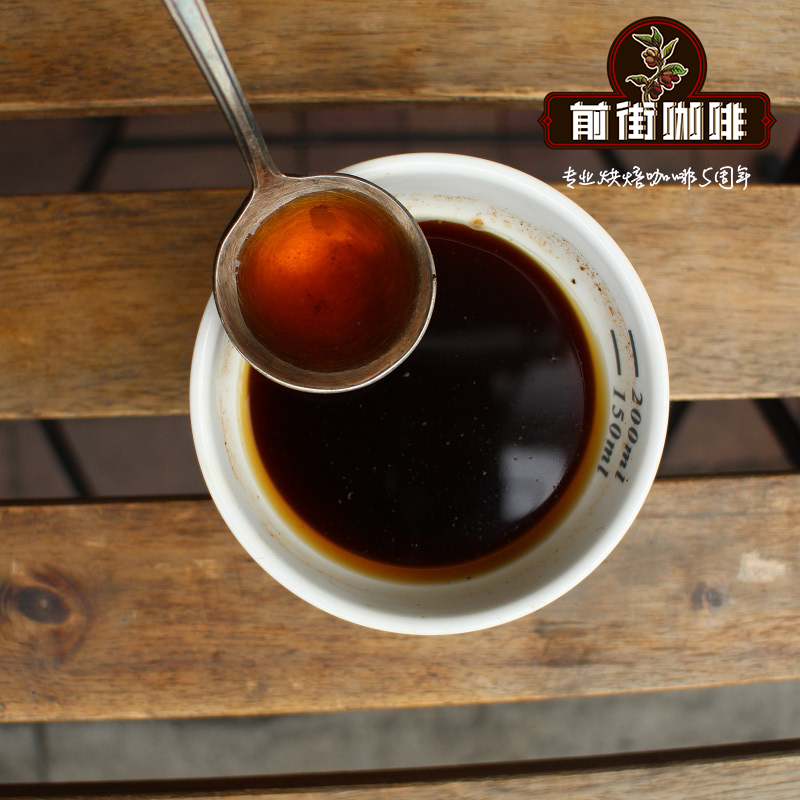
Cupped 12 hours after roasting: rich fruit on the entry, melon, and herbal fragrance. Smooth entry; the mid-palate brings nuts and milk chocolate. The finish carries lively, bright plum acidity that makes both cheeks water. Well balanced, medium body with a full texture. From hot to warm, layered sweet-and-sour notes unfold — sweet first, then sour — with apricot and citrus-toned acidity. The aftertaste is black tea with a hint of brown sugar.
Pour-Over Parameters
Filter choices: V60, Kalita wave, and cake-style filters all work
V60 demonstration:
Parameters: 15g coffee, water temperature 90°C
Grind setting 4, water-to-coffee ratio close to 1:15, total brew time around 2:00
Technique: bloom with 25–30g of water for 30 seconds. First pour to 120g, then stop — vertical stream, small flow, slow circles. Second pour to 225g, with slightly faster flow and circling to keep fines from clogging the filter and pushing the cup into over-extraction.
Other Extraction Suggestions:
French Press: grind setting 3.5–4 / water temperature 90°C
Siphon: grind setting 4, water temperature 89°C
AeroPress: grind setting 2.5, water temperature 88°C
FrontStreet Coffee Recommendation
If Yunnan Typica's gentle balance speaks to you, its most famous relative deserves a place on your table:
FrontStreet Jamaica Blue Mountain No.1 — Typica at its most storied, from the historic Clifton Estate, which has grown coffee since around 1750 at an average of 4,300 feet (about 1,310 meters), where afternoon cloud, ample sun, and mineral-rich soil slow the cherries' ripening and build the classic balance. No.1 is the highest grade of Jamaica Blue Mountain, with strict standards for bean size, defect rate, and overall quality. FrontStreet roasts it medium-dark, shipped within 5 days of roasting, so the cup opens layer by layer: nuts, dark chocolate, cream and caramel, and a soft sweetness, with acidity, sweetness, bitterness, and aroma perfectly in step — the reason Blue Mountain has reigned for decades as the specialty coffee almost everyone loves. To verify authenticity, FrontStreet shows the estate's official certificate, the original wooden barrels (traditionally packed at 15, 45, and 70 kg), and plump, green, slightly upturned-tipped green beans — hallmarks no counterfeit can fake.
Important Notice :
FrontStreet Coffee is a long-established specialty coffee roaster in Guangzhou China, selling freshly roasted beans from its own farm in Yunnan as well as dozens of carefully selected single-origin beans from around the world for both pour-over and espresso. The products deliver consistently excellent quality and great value, with shipping within 24 hours. Guangzhou's FrontStreet Coffee shop is recommended by many coffee lovers, and the beans are now available online at the Tmall 。
FrontStreet Coffee has moved to a new address:
FrontStreet Coffee Address: 315,Donghua East Road,GuangZhou
Tel:020 38364473
 Scan and follow the En Gafei WeChat official account. Please indicate that the reprint comes from "En Gafei".