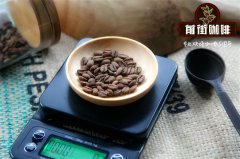
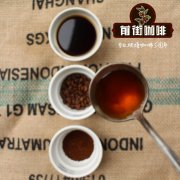
Panama Geisha Estate Blue Label Geisha Processing Method Jamaica Blue Mountain Coffee Processing Method
Introduction

Recently, FrontStreet Coffee's promotion featured washed and naturally processed Blue Mountain coffee alongside Hacienda La Esmeralda's Green Label Geisha. Blue Mountain and Geisha represent two completely different coffee styles, and you can think of them as a contest between the old and new worlds of coffee flavor. Blue Mountain reached the pinnacle of traditional coffee through its balance, while Hacienda La Esmeralda's Geisha has won the BOP championship for many years. Coincidentally, both regions changed the details of their processing this year - Blue Mountain introduced natural processing for the first time, while Hacienda La Esmeralda brought the natural method previously limited to its Green and Red Labels down to Blue Label level. That adjustment gives us a chance to compare high-quality beans from the same micro-region under both washed and natural processing.

When buying coffee beans, many people pay attention to the processing method. Some say they prefer the cleanliness of washed processing, others like the complexity of natural processing, and some enjoy the distinctive aromas of anaerobic processing. Can processing methods really be magical enough to change a coffee bean's flavor?
In 2020, Blue Mountain, the former coffee hegemon, introduced natural processing for the first time, and the new season's Hacienda La Esmeralda Blue Label Geisha also launched naturally processed beans. FrontStreet Coffee uses these two coffees to comprehensively compare the effect of processing methods on coffee.
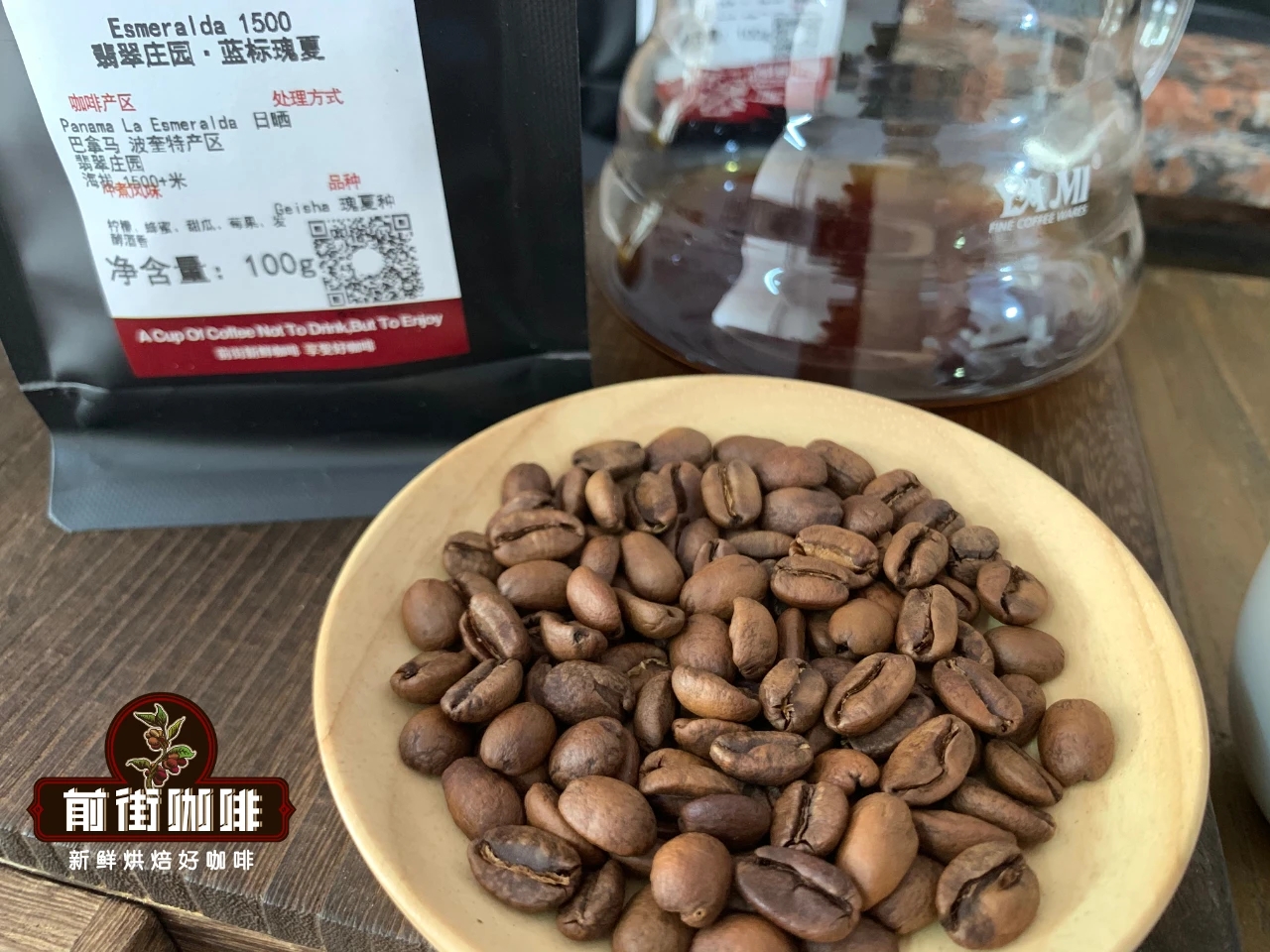
The Coffee Beans in Comparison
First, there are two beans in this comparison. One is Blue Mountain No.1 from Clifton Farm in Jamaica's Blue Mountain region. Clifton Estate is not only the oldest cultivation site for Blue Mountain coffee in Jamaica but also the only coffee estate certified by the Rainforest Alliance. The coffee trading company under Clifton accounts for 55% of Jamaica's total green bean exports, making it Jamaica's most historic and powerful coffee company. FrontStreet Coffee's Blue Mountain No.1 is selected from this estate. Stony Estate works more with Japanese companies and has lower recognition in China, with only 80 years of estate history. Golden Cup Estate has an even shorter history of only 20 years, though it actually merged two century-old estates and runs on more advanced management techniques. RWS Coffee Estate merged three century-old estates, with RWS standing for its Resource, Sherwood Forest and Whitfield Hall estates, also aimed at Blue Mountain coffee development.
The other bean comes from Panama's legend, Hacienda La Esmeralda, which also launched a naturally processed version in its new season Blue Label. Blue Label Geisha is considered Hacienda La Esmeralda's "affordable" grade, letting people taste the estate's Geisha at an accessible price. Before 2020, Hacienda La Esmeralda's Geisha offered natural processing only in its Red and Green Labels, so the newly added Blue Label natural version this year is a benefit for consumers.

Natural Processing Method
Natural processing is the oldest and most original method for coffee. Over a thousand years ago, Arabs used this method to process coffee. It involves placing harvested coffee cherries directly on patios for sun exposure, drying them in direct sunlight (about 27-30 days) until the moisture content drops from 60% to about 12%. The method is conceptually simple and inexpensive, but it involves many variables and risks. For a long time it was used to process lower-quality beans.

Of course, that is the ancient method, and modern times call for a new natural approach - refined natural processing. Modern estates in the Blue Mountain and Boquete regions use refined natural processing. First, strict red-cherry selection is done after harvesting, removing overripe, underripe and damaged beans. The selected cherries are then spread on raised beds for drying. During drying, staff turn the beans to ensure even drying. Drying is complete when the moisture content reaches about 12%, after which hulling and polishing are done before storage for export.
Washed Processing Method
Washed processing is a technique invented by the Dutch in the 18th century. It uses a depulper to separate most of the fruit flesh from the beans, then guides the parchment beans into a clean water tank for soaking and fermentation to completely remove residual fruit flesh. Through water processing, underripe and defective beans are separated out by buoyancy. Depulping, also called pulping, removes the fruit skin from the cherries by machine, leaving beans with mucilage that ferment in tanks for 1-2 days to break down the mucilage attached to them. Clean water is then used to wash the beans thoroughly, and the parchment beans are dried until the moisture content reaches 12% for storage, with the parchment removed before export.

If the text above feels dry, here is FrontStreet Coffee's simple summary: in natural and washed processing, the essential similarity is drying, while the difference is that natural processing dries the entire coffee fruit, whereas washed processing removes the fruit skin, pulp and mucosa and keeps only the original bean (seed) for drying. The drying process is also a fermentation process. In natural processing, the whole fruit participates in fermentation, while in washed processing the mucilage and the original bean ferment in tanks, with minimal fermentation during the later drying. As a result, washed beans offer very stable flavor control, with fewer natural variables, so beans processed by these two methods each have their own merits.

Roasting Profiles
For these two natural versions, FrontStreet Coffee used the same roasting profiles as their washed counterparts to enable comparison, with slight adjustments based on flavor feedback.
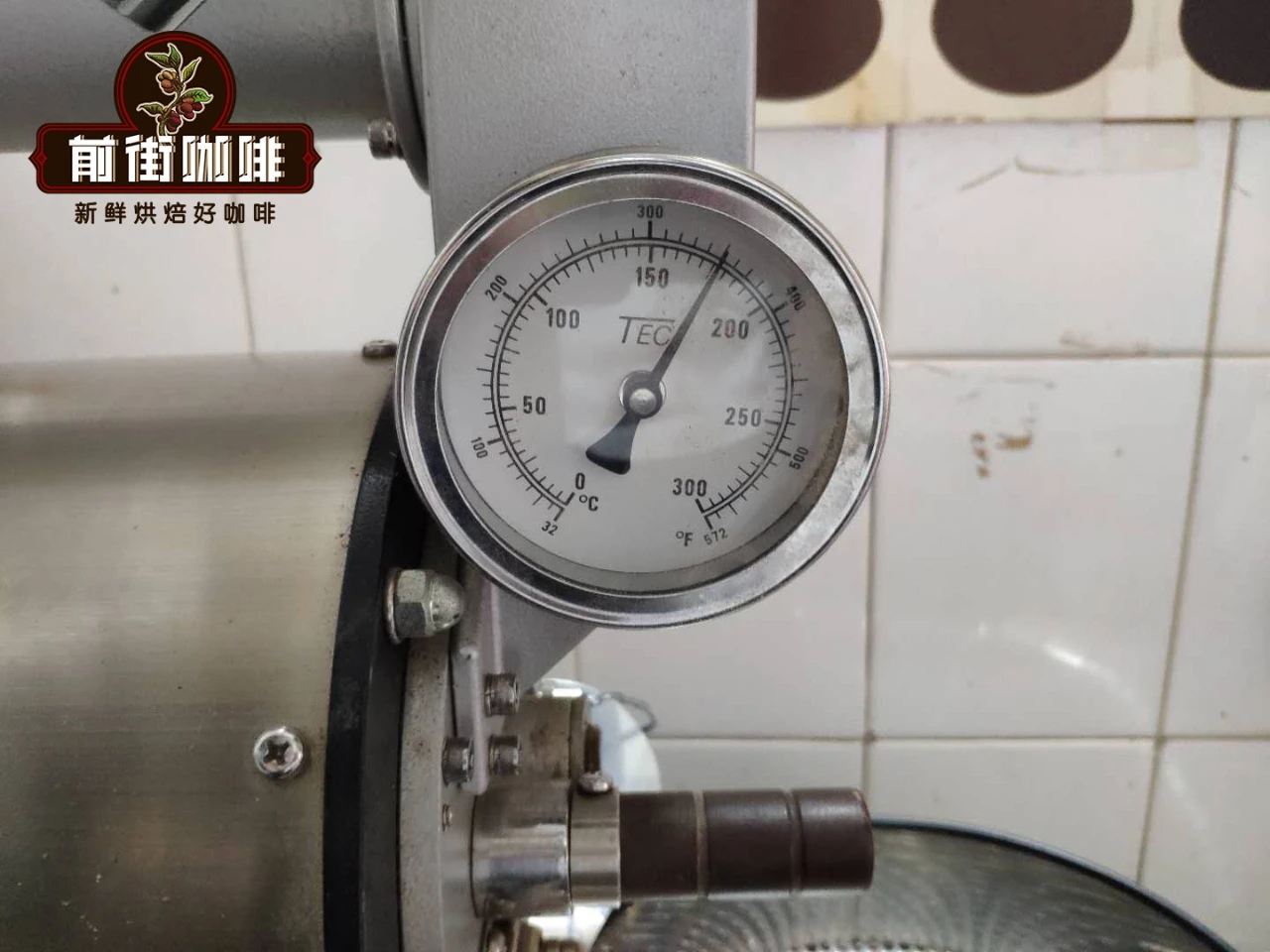
Blue Mountain No.1 uses a medium roast to highlight Blue Mountain's balanced, rich flavor.
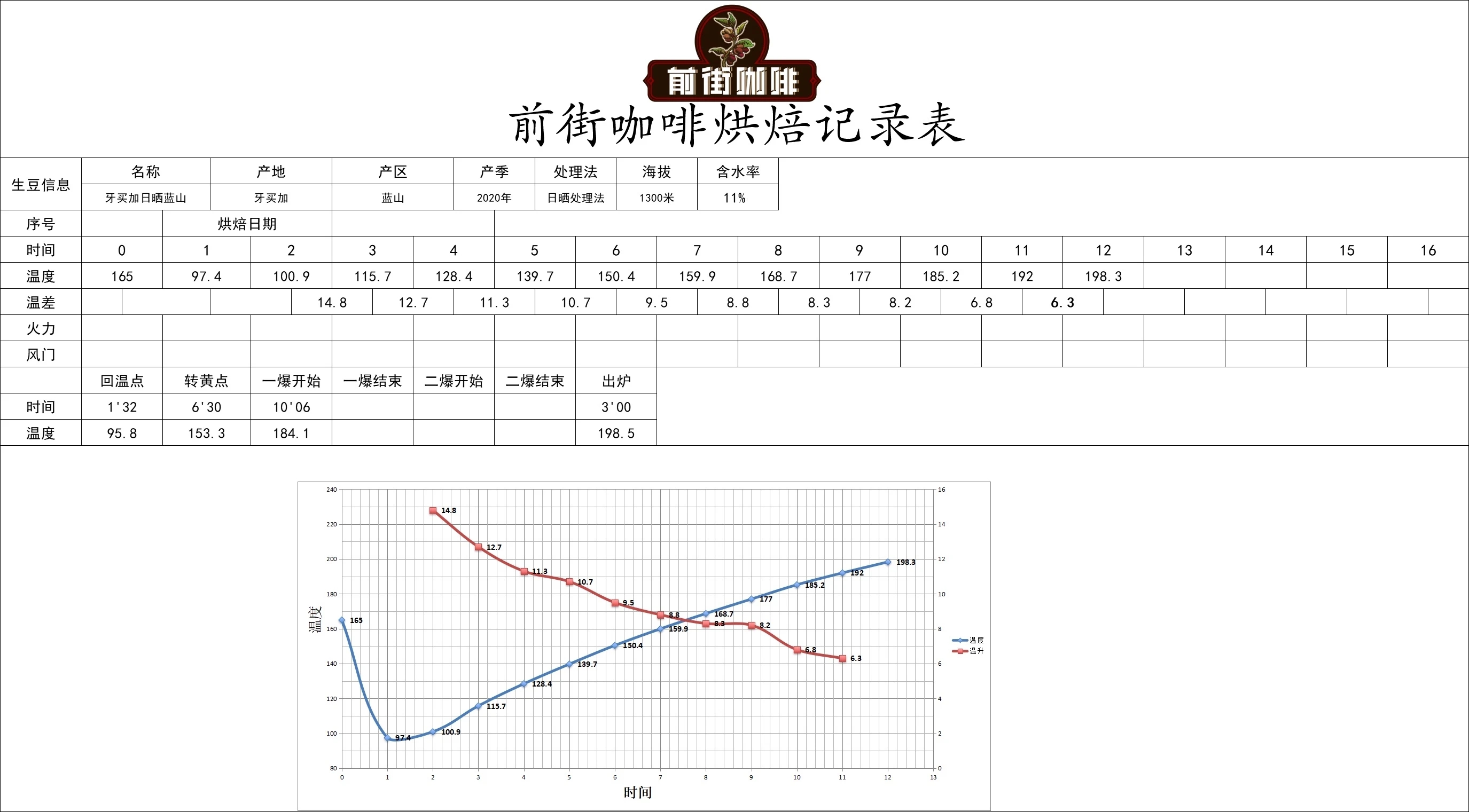
Heat at 165°C into the drum, heat power 130, damper at 3; the return point comes at 1'32", when the drum temperature reaches 95.8°C, and the heat power stays unchanged; at 3 minutes, adjust the damper to 4, and at 4 minutes increase heat power to 140. At 6'30", the bean surface turns yellow and the grassy aroma disappears completely, marking the start of the dehydration stage. At 8'36", the bean surface shows ugly wrinkles and black spots, and the toast aroma clearly turns into coffee aroma, which can be defined as the prelude to first crack. Listen carefully for the sound of first crack. First crack begins at 10'06"; develop for 3 minutes after first crack and drop the beans at 198.5°C.
Blue Label Geisha uses a medium-light roast to highlight floral and fruit aromas and Geisha's unique, pleasant acidity.
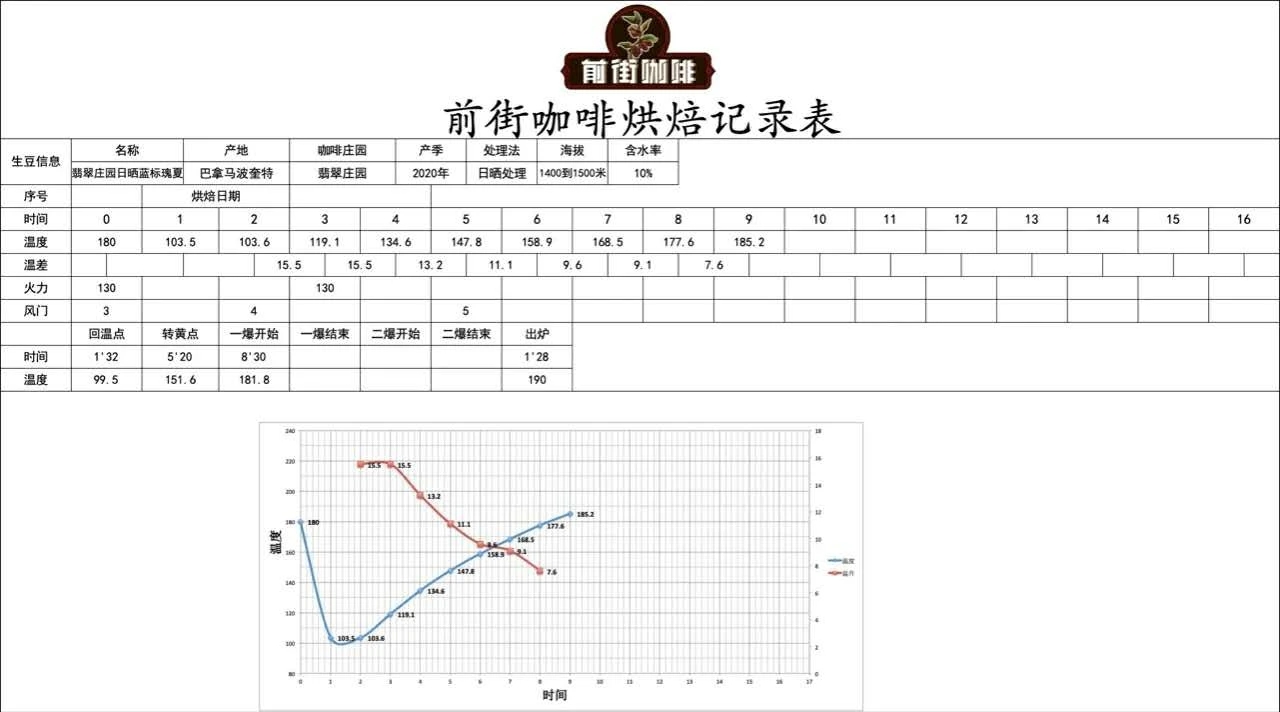
Heat at 180°C into the drum, heat power 130, damper at 3; the return point comes at 1'32", when the drum temperature reaches 104°C, open the damper to 4 and keep the heat power unchanged; when the drum temperature reaches 151.6°C, the bean surface turns yellow and the grassy aroma disappears completely, marking the start of the dehydration stage. At 7'56", the bean surface shows ugly wrinkles and black spots, and the toast aroma clearly turns into coffee aroma, which can be defined as the prelude to first crack. Listen carefully for the sound of first crack. First crack begins at 8'30"; open the damper to 5, develop for 1'28 after first crack and drop the beans at 190°C.
Physical Characteristics of Natural vs Washed Beans
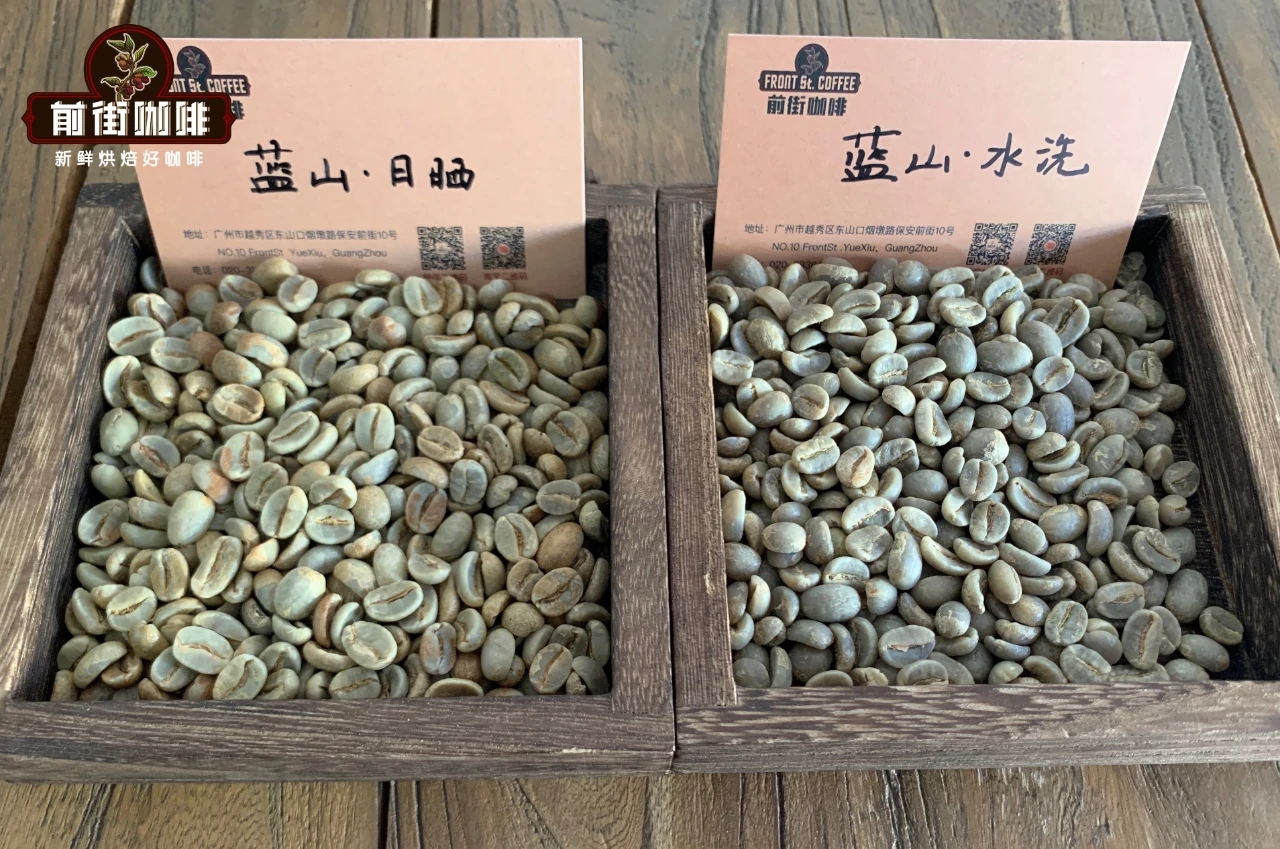
Observing Blue Mountain green beans, whether natural or washed, the beans are very full, even in size, slightly upturned at both ends and oval in shape. From the side, the bean body is flat and thin, indicating a pure Typica bloodline.
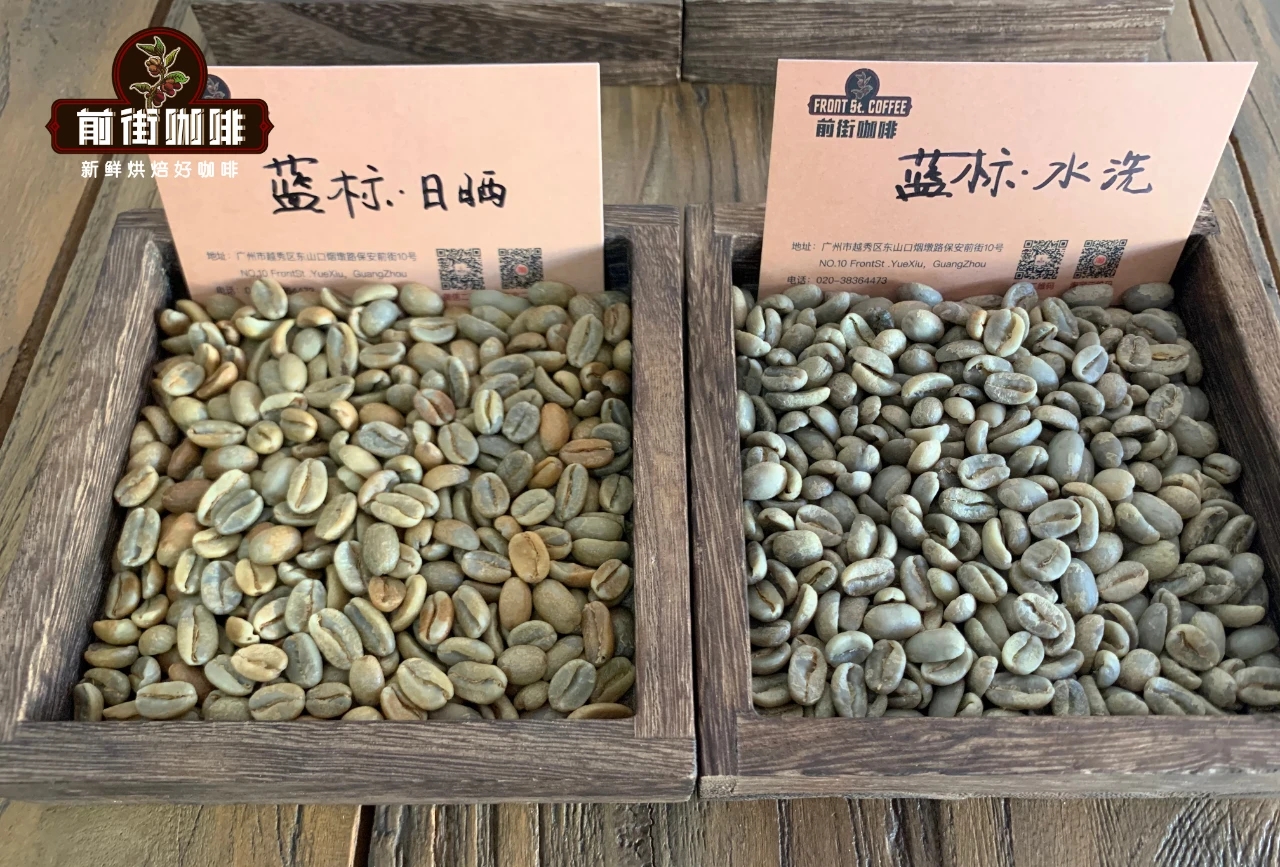
Observing Blue Label Geisha green beans, Geisha beans are slender, pointed at both ends and elongated, making them very easy to recognize.
Comparing natural and washed green beans, you will clearly notice that naturally processed green beans appear yellowish, while washed green beans appear dark green with incomplete silver skin still attached.
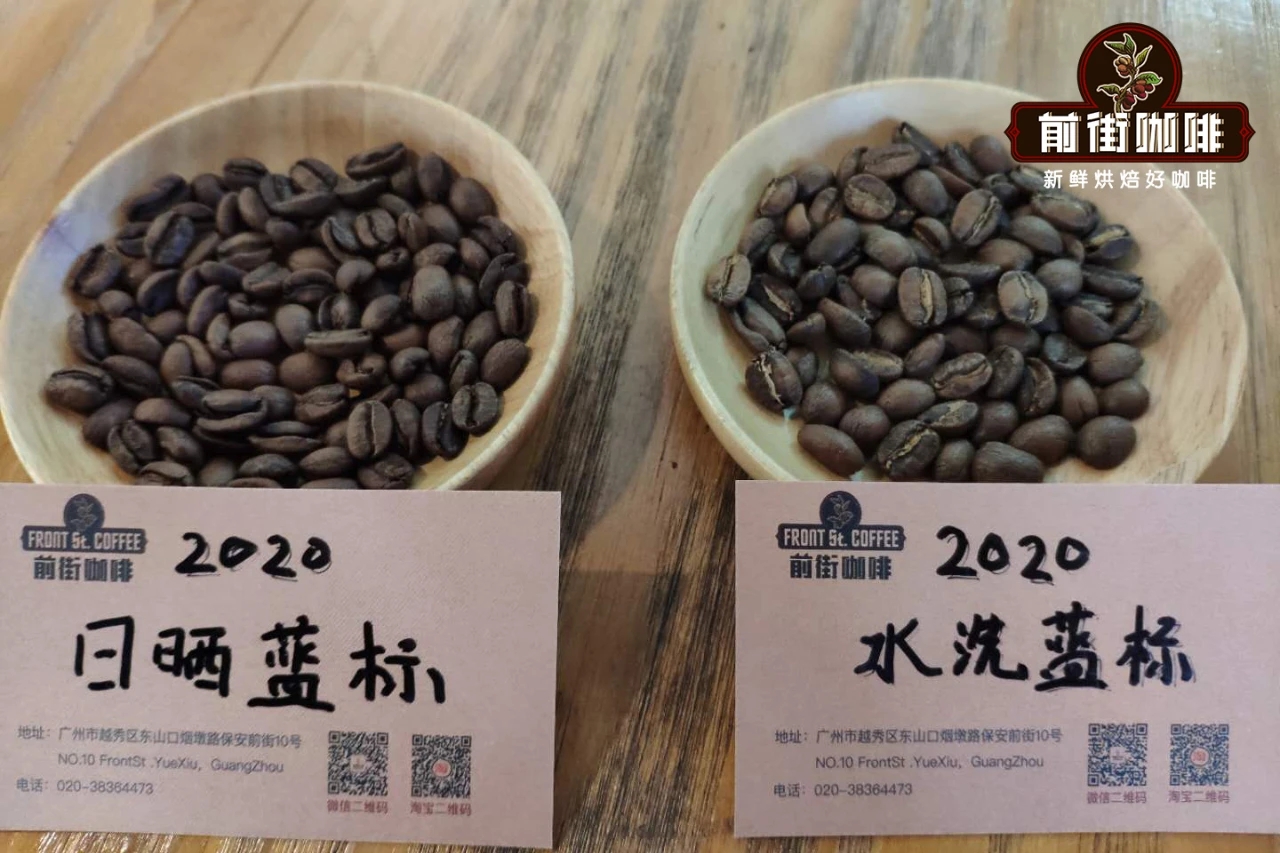
Looking at the roasted beans, the biggest difference between natural and washed is that natural beans' silver skin comes off very cleanly, while washed beans retain light yellow silver skin along the center line. The reason is that during roasting, the silver skin at the center line is the hardest to remove. Natural beans' outer silver skin connects as a single piece, making it easier to remove the center-line silver skin with it, while washed beans' silver skin attaches to the bean body in fragments, so the silver skin in the center-line crack cannot easily peel off.
Cupping Analysis
FrontStreet Coffee immediately ran a horizontal comparison of natural Blue Mountain and natural Blue Label against their washed counterparts, obtaining the following sensory flavor profiles.


In summary, using different processing methods on the same variety produces distinct flavor trends. Naturally processed beans tend to be sweeter with fermented notes, richer fruit flavors and more complex layers. Washed beans have milder, cleaner flavors, and with light roasting, washed processing also highlights the bean's acidity and subtle aromas.
Put simply, the washed method removes the influence of fruit pulp during fermentation and drying, letting the main flavors present clearly. Natural processing lets the fruit pulp continuously penetrate the bean during drying, imperceptibly enhancing the bean's aroma and adding complexity. It achieves richer aroma variations on top of washed processing, but to some extent the main flavors are masked by those additional aromas. Neither washed nor natural is inherently better: if you want to find the original flavor of the bean, choose washed; if you want more aromatic experiences, choose natural.
FrontStreet Coffee Recommendation
When you want to taste processing side by side, FrontStreet Coffee's Jamaica Blue Mountain No.1 is the classic reference point. It is the highest grade of Jamaican Blue Mountain coffee, from the historic Clifton Estate, roasted medium-dark to bring out Blue Mountain's signature balance. The cup is layered with nuts, dark chocolate and creamy caramel and a soft sweetness, with sweet, sour, bitter and aromatic notes held in harmony from the first sip to the last.
For the modern, floral side of the comparison, the Hacienda La Esmeralda Geisha in its Blue Label grade lets you taste the estate's Geisha at an accessible price, with jasmine florals, citrus and a clean, tea-like finish. If you want to explore how processing changes flavor, brewing the two side by side is the clearest way to see it.
FrontStreet Coffee suggests brewing Blue Mountain as a pour-over with a Kono dripper: 15g of coffee, a 1:15 ratio, water at 87-88°C and a grind slightly coarser than for a light roast. Pour 30g of water to bloom for 30 seconds, then pour slowly to 120g, then a little faster to 225g. Let the beans rest for 4-7 days after roasting for the best flavor.
Important Notice :
FrontStreet Coffee is a long-established specialty coffee roaster in Guangzhou China, selling freshly roasted beans from its own farm in Yunnan as well as dozens of carefully selected single-origin beans from around the world for both pour-over and espresso. The products deliver consistently excellent quality and great value, with shipping within 24 hours. Guangzhou's FrontStreet Coffee shop is recommended by many coffee lovers, and the beans are now available online at the Tmall 。
FrontStreet Coffee has moved to a new address:
FrontStreet Coffee Address: 315,Donghua East Road,GuangZhou
Tel:020 38364473
 Scan and follow the En Gafei WeChat official account. Please indicate that the reprint comes from "En Gafei".