What is the Taste Profile of Uganda Coffee Beans? Flavor Characteristics of Uganda Yunpu Farm AA Coffee
Professional Coffee Knowledge Exchange
For more coffee bean information, explore our other guides to origins and brewing.
How to Describe the Flavor Profile of Uganda Coffee Beans?
What Are the Flavor Characteristics and Taste of Uganda Coffee — Sipi Falls Farm AA Grade?
In ancient times, coffee was considered essential for Ugandan warriors to chew before battle, as they believed it would bring courage and victory. Today, science has shown this comes down to the effects of caffeine.
Uganda, at the source of the Nile, is a landlocked country in Africa with no coastline, rich in green forests, lakes, wetlands, and rivers. Almost every administrative region grows coffee, making it the world's tenth-largest producer — yet it remains largely unknown, because its quality has lagged behind other East African beans. Difficult terrain and poor roads mean beans often reach processing facilities already fermented and spoiled. It wasn't until the war ended in 1990 that Uganda began developing transport, and coffee became this inland country's most important agricultural product.
Although Uganda shares a long coffee history with its East African neighbors, wars driven by ethnic conflict repeatedly held back quality. Most premium coffee is grown in the regions bordering Kenya, and some quality beans were even shipped to Kenya and blended with Kenyan coffee for sale. Only after the war ended, about 15 years ago, did Uganda emerge as a fast-developing coffee nation. Rich in water, with green forests, lakes, wetlands, and rivers, Uganda counts coffee as its largest agricultural commodity and top foreign-exchange earner. Roughly 500,000 coffee farms are involved, accounting for 25% of the total population. About 94% of the trees are vigorous Robusta, with only 6% traditional Arabica — rare beans grown in tropical rainforest and mostly exported worldwide.
Uganda grades coffee on the same system as Kenya, with AA the best. The grade reflects consistently uniform bean size, though the system can vary by estate evaluation — Estate A's beans may beat Estate B's, so even Estate A's AB beans can outrank Estate B's AA. Coffee is sold through both specialty auctions and direct sales. With more meticulous processing and defect removal, Uganda could fetch better prices amid the persistently high prices of Kenyan and Ethiopian coffee.
Uganda coffee still suffers from too many hollow beans, defective beans, and improperly fermented beans, which hold back quality and lead to poor harvests and low prices.
FrontStreet Coffee Shares Suitable Roasting Levels for Uganda Coffee
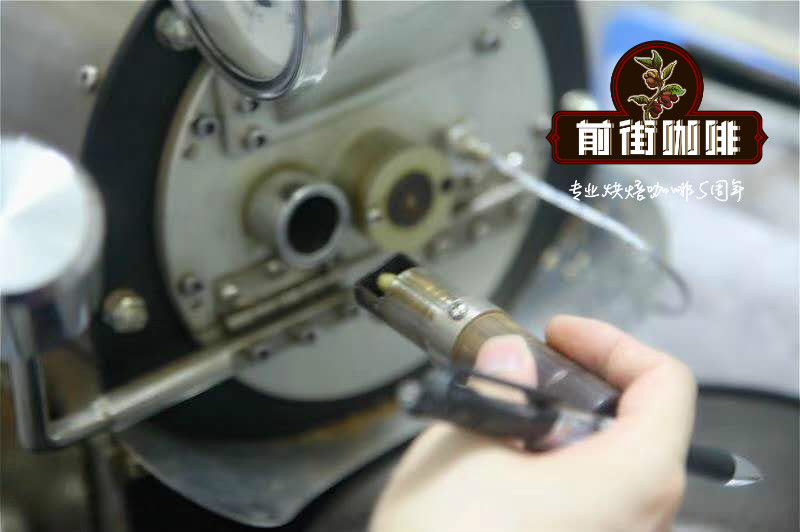
Light Roast
After grinding, there are distinct peanut and almond aromas. Brewed, it has a grass-jelly aroma with the fermented notes typical of sun-dried beans. The mouthfeel is thin and not complex, with strong tea-like sensations. The hawthorn fruit acidity is not strong and transitions quickly to sweetness. The aftertaste features fruity sweetness and wheat-tea aromas.
Medium-Dark Roast
After grinding, there are bitter-chocolate and almond aromas. Brewed, the coffee reveals black chocolate with hints of spice, along with the sweetness of banana and pineapple dried fruits. The mouthfeel is rich, mellow, and full-bodied, with abundant oils and extremely low acidity. As the coffee cools slightly, the rich, mellow chocolate aftertaste turns into a distinct brown-sugar sweetness.
Overall Evaluation
Uganda AA-Bugisu shows the characteristic fruitiness and rich, mellow mouthfeel of traditional East African Arabica, but its fermented aromas and low acidity are relatively uncommon. It's a bean suited to heavier roasting to draw out rich ester character and intensity.
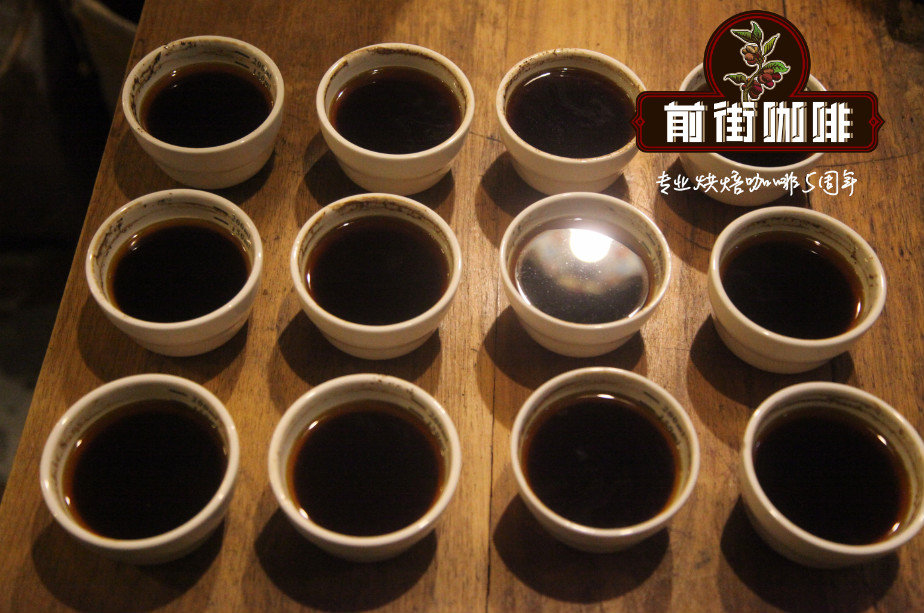
About 94% of coffee trees are vigorous Robusta, with only 6% traditional Arabica; grading follows Kenya's system, with AA the best. In 2012, Direct Coffee introduced the new season's AA-grade coffee from the Bugisu region, produced by Sipi Falls Farm — Uganda's most famous traditional Arabica bean.
Property Characteristics
Farm: Sipi Falls Coffee
Name: Sipi Falls AA
Grade: AA
Country: Uganda
Region: Mt Elgon
City: Sipi
Altitude: 1,400–1,900 meters
Farm Size: Small-scale coffee farmers
Harvesting Method: Hand picked
Coffee Characteristics
Variety: Bourbon SL14, SL28, Blue Mountain
Processing System: Full Washed, dried on African raised beds
Top Jury Descriptions: Cupping roast level: 60 seconds after first crack begins (Cinnamon roast)
Aroma/Flavor: Cinnamon, fennel, pepper, baozhong tea, grain, honey, chocolate, brown sugar
Acidity: Citric acid, grapefruit — traditional thick, coarse acidity, not bright acidity
Complexity & Other: Fresh flavors, strong taste, thick mouthfeel, a primitive coffee taste
Evaluation: Uganda Sipi Falls Farm has a stronger style and acidity, with noticeably improved processing. It's a hidden gem among East African beans.
END
FrontStreet Coffee Recommendation
For drinkers just starting out, FrontStreet's entry-level range spans the classic origins. From Ethiopia, the Natural Huakui and the washed Gutiti Cooperative are two easy picks: Yirgacheffe coffees typically show jasmine, lemon acidity, and berry notes, while Sidamo is best known for natural processing and its tropical-fruit, fermented aromas — FrontStreet's Sidamo Huakui is traditionally sun-dried for notes of berry, florals, jackfruit, melon, and honey. From Brazil, the Cerrado Red Bourbon and the Queen's Estate offer a softer, sweeter cup: Brazilian beans are soft, gently acidic, and smooth, with the Queen's Estate layering butter, sunflower seed, macadamia, and almond over a sugarcane-like sweetness.
Indonesia is where FrontStreet's Mandheling shines, thanks to the wet-hulled process invented for the region's rainy, humid climate — pulping the beans while still half-dry for a deeper, smoother cup with herbal and spice notes. The Lintong Mandheling suits anyone who dislikes acidity, and the PWN Golden Mandheling is hand-sorted three times and machine-sorted once for the lowest defect rate, with cleaner wood and caramel notes. Colombia contributes the Huila, Silao, and Big Belly beans from the country's most famous specialty region, grown above 1,500 meters for a mild floral, soft fruit-acid profile.
From Costa Rica come the Mozart, Blackberry, and Tarrazu, grown at high altitude with wide day-night temperature swings and volcanic soil that yields very hard beans (SHB grade); the honey process gives them plenty of sweetness, with the Blackberry showing raisin and blueberry sweetness alongside osmanthus and rose aromas. Yunnan, China's own growing region, adds the Yunnan Small Bean from Baoshan — washed for traditional nut and chocolate notes — and the 2013 Yunnan Typica, grown at 1,300 meters and medium-roasted for hazelnut, dried apricot, black tea, caramel, and ripe plum. And for Panama, FrontStreet's Boquete washed Geisha is the accessible introduction, with the pure Geisha genetics and clean orange-honey note that define the variety.
Important Notice :
FrontStreet Coffee is a long-established specialty coffee roaster in Guangzhou China, selling freshly roasted beans from its own farm in Yunnan as well as dozens of carefully selected single-origin beans from around the world for both pour-over and espresso. The products deliver consistently excellent quality and great value, with shipping within 24 hours. Guangzhou's FrontStreet Coffee shop is recommended by many coffee lovers, and the beans are now available online at the Tmall 。
FrontStreet Coffee has moved to a new address:
FrontStreet Coffee Address: 315,Donghua East Road,GuangZhou
Tel:020 38364473
 Scan and follow the En Gafei WeChat official account. Please indicate that the reprint comes from "En Gafei".