Arabica Coffee Bean Varieties, Origins, Flavor Profiles and Price Guide
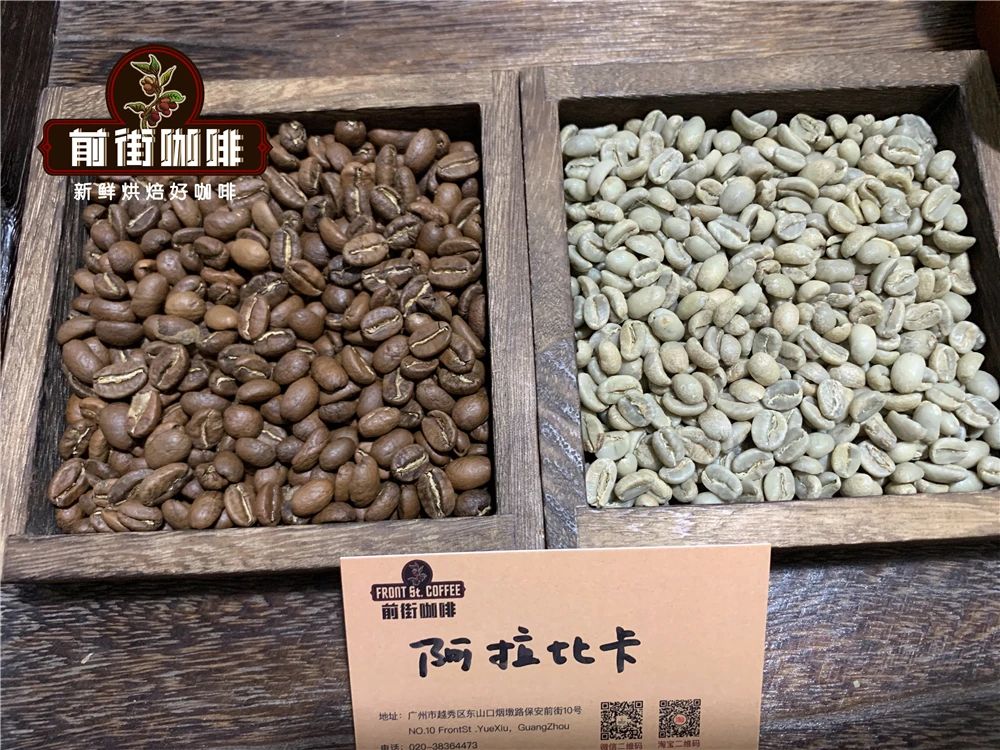
Among the coffee beans used commercially, we can draw a simple line between two big categories: Arabica and Robusta. Arabica, with its rich and varied flavors and aromas, is the one people reach for most.
Arabica Origins from Ethiopia
Arabica coffee originates in the Ethiopian highlands of Africa. At first it was consumed mainly as medicine; only later did people develop the habit of roasting and drinking it. In the 16th century it spread worldwide through Arab trade, gradually becoming the popular beverage it is today. Many of the specialty coffees we know belong to the Arabica family - Jamaican Blue Mountain, Panamanian Geisha and Ethiopian Yirgacheffe, to name a few.
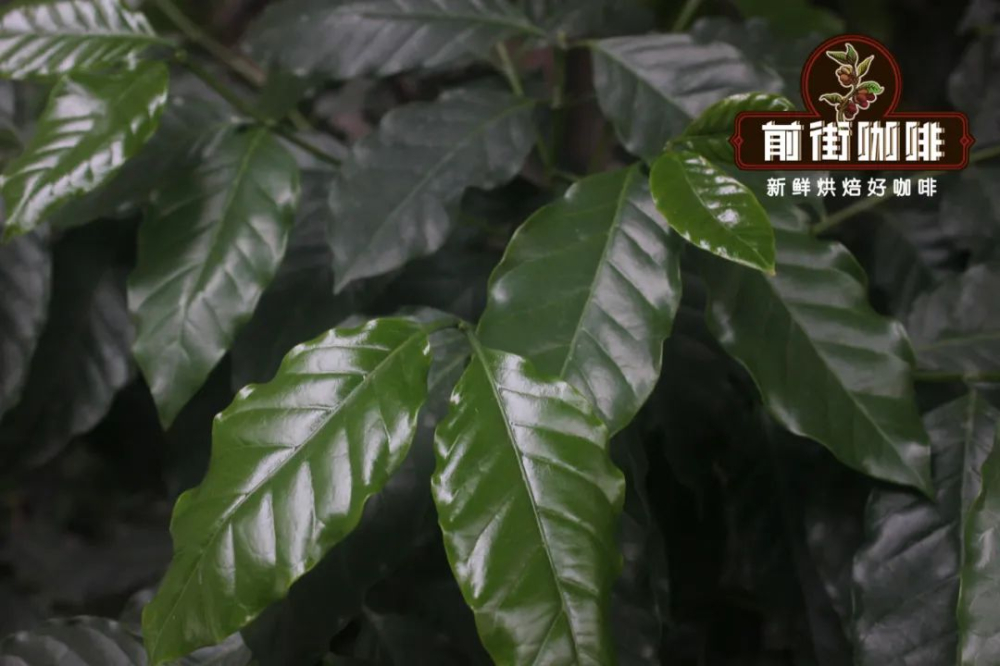
Arabica is a fairly large shrub with oval, dark green leaves. Its fruit is oval too, generally holding two slightly flattened beans. The bean is round with an oval face, and the center crack is narrow and curved in an S-shape. The back of the bean has a relatively flat arc. FrontStreet Coffee has two Arabica trees planted beside its Dongshankou store, so you might take a look the next time you stop by for a coffee.
Arabica has a low caffeine content, roughly 0.9% to 1.2%. Its fat content is 60% higher than Robusta, and its sugar content is twice as high. That is why Arabica tastes sweeter and smoother, with a hint of fruity acidity. Arabica also has less chlorogenic acid, about 5.5% to 8%. Besides being an antioxidant, chlorogenic acid is an important defense against pests, so Arabica is more vulnerable to pest damage and more easily affected by climate. It is generally grown at higher altitudes, where it produces fewer, slower-maturing fruits.
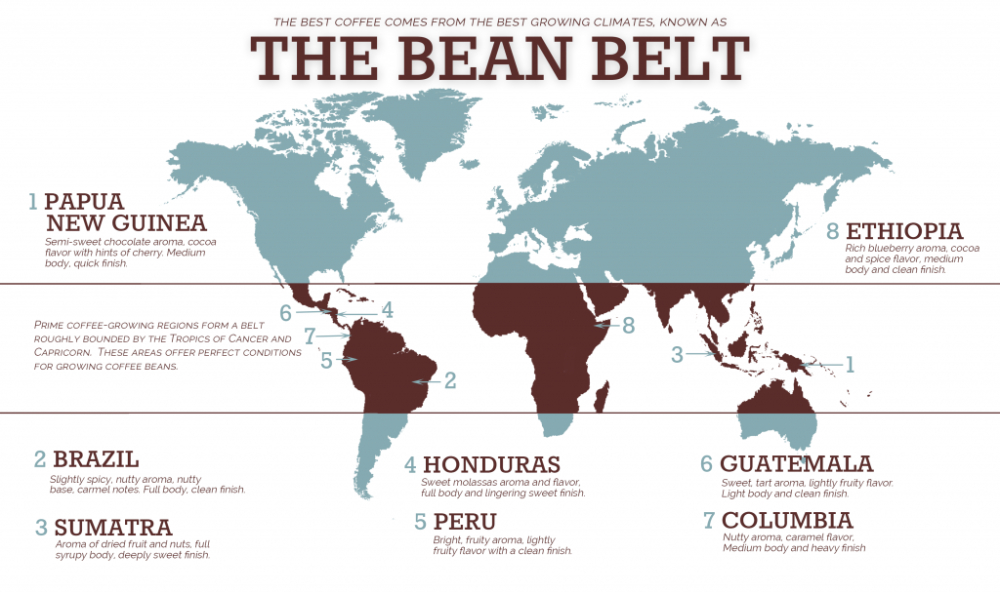
Anyone who drinks coffee regularly knows it is a tropical plant that needs warm conditions. The main growing areas sit between 25 degrees south latitude and 25 degrees north, centered on the equator - the region known as the coffee belt. Brazil and Colombia in Central and South America, Ethiopia and Kenya in Africa, Sumatra in Indonesia, Yunnan in China: all are quality coffee-producing regions inside the belt. FrontStreet Coffee's selection of nearly fifty coffees is drawn entirely from high-quality Arabica varieties grown in these regions.
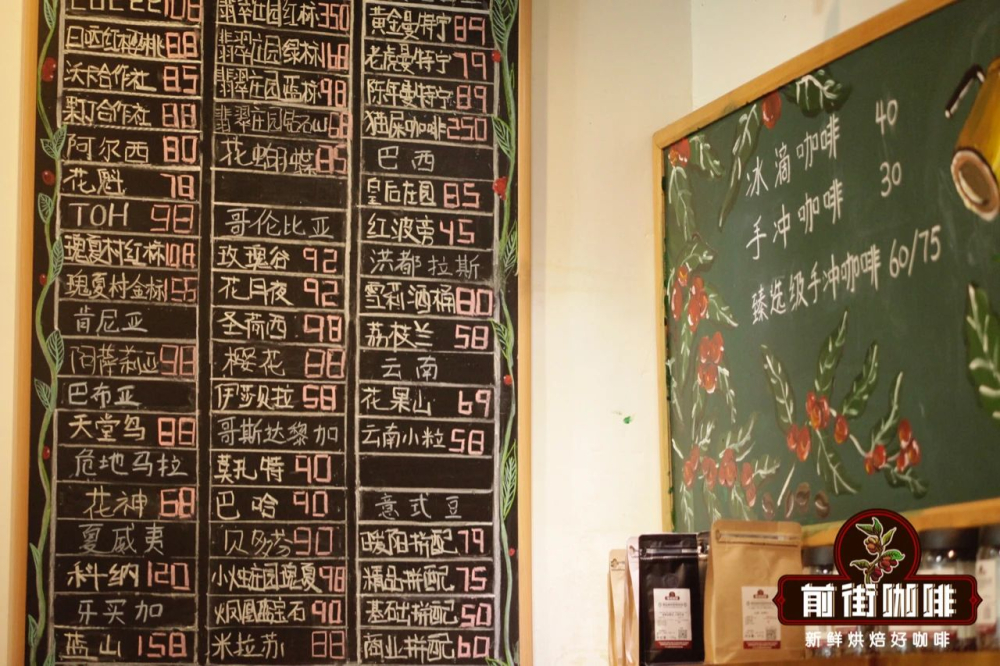
Arabica Coffee Growing Environment
Cultivating Arabica demands very specific conditions and high soil quality. Arabica needs to grow at altitudes of 800-2200 meters in frost-free highlands. The higher the altitude, the greater the temperature difference, which slows the maturation of the coffee fruit and favors the accumulation of flavor compounds, giving fuller aromas. The microclimates of each producing region provide Arabica with varied growing conditions and shape distinctive flavor profiles.
Beyond altitude, Arabica also needs abundant rainfall, sunlight, well-drained loose soil and fertile ground. From a cultivation standpoint, the regional limitations are strong and the costs of planting and management are higher.
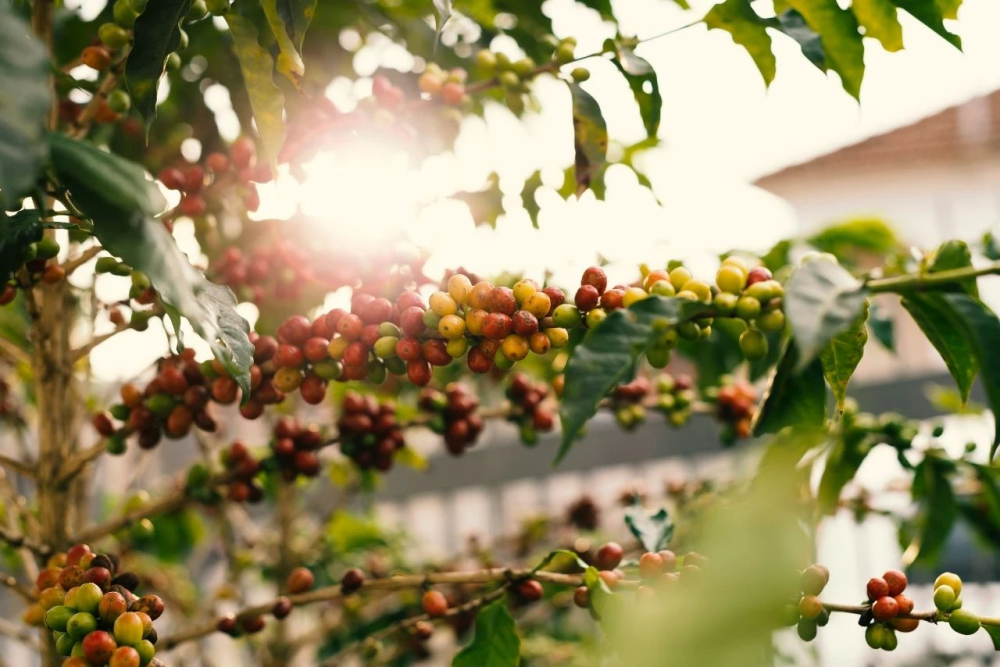
Two Ancient Pure Arabica Varieties
In researching coffee history, FrontStreet Coffee has learned that Arabica spread around the world along two paths, through the ancient varieties Typica and Bourbon.
Typica
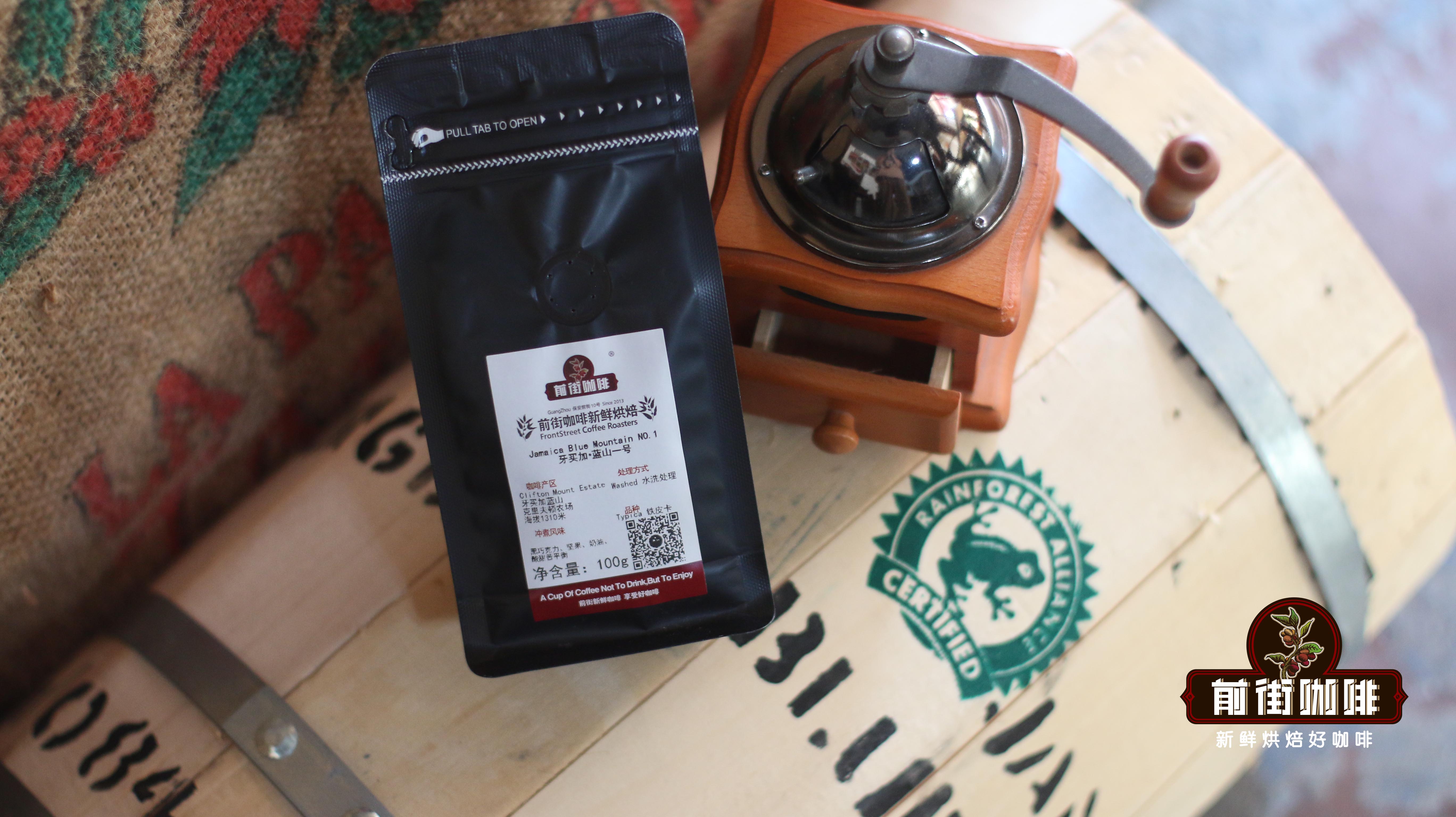
The oldest native variety from Ethiopia, identified around the 15th to 16th centuries. Typica has bronze-colored top leaves and oval or pointed thin beans. It possesses elegant acidic aromas but a weak constitution, making it susceptible to coffee leaf rust and low in yield, so farmers gradually replaced it with hardier varieties. The world-renowned Jamaican Blue Mountain coffee is a Typica variety.
Typica was introduced to the Blue Mountains in the 18th century and has grown there for more than two hundred years. The Typica of the Blue Mountains has adapted to the island terroir and evolved better disease resistance, particularly against coffee berry disease, far stronger than typical Typica. FrontStreet Coffee believes the exquisite, clean flavor of Blue Mountain is inseparable from Jamaica's dedication to careful cultivation of Typica. FrontStreet Coffee uses a medium-dark roast to present chocolate and nut aromas as fully as possible while keeping soft acidity and sweetness, producing an overall balanced taste.
Bourbon
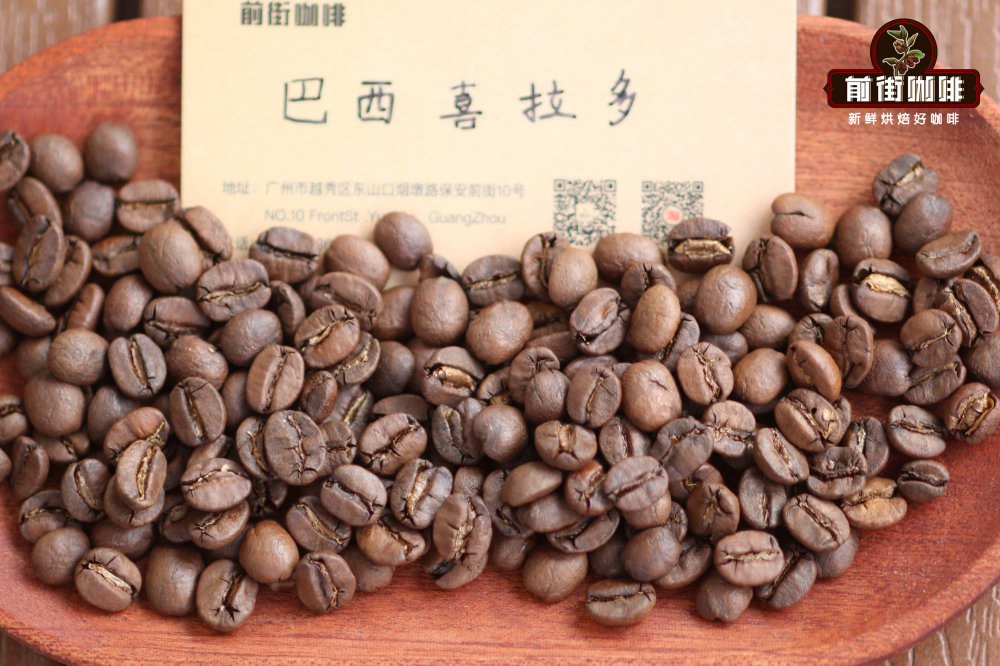
Bourbon came from a natural mutation of Typica, its pointed thin beans turning round-bodied. It was first found on Bourbon Island (now Reunion) off the east coast of Africa. In 1715, after France transplanted round beans from Yemen Mocha to Bourbon Island, the variety took the island's name. The round-bodied Bourbon beans were introduced to Brazil in 1727. Because the plants tolerate dense planting and bear relatively more fruit, production runs 20-30% higher than Typica.
Most Brazilian coffee has low acidity combined with rich, mellow aromas, making it extremely smooth on the palate with a refreshing aftertaste. FrontStreet Coffee has chosen a semi-dry processed Red Bourbon as Brazil's representative. Its flavor shows distinct nutty and chocolate notes, medium caramel sweetness, a smooth mouthfeel and overall balance. FrontStreet Coffee has added it to its daily bean series, where each coffee represents the signature of a major producing region and presents that region's basic flavors; beginners can learn the basic profile of each region and then explore further according to their preferences.
What Other Common Arabica Varieties Exist?
As the coffee industry has developed, high-quality beans now come with detailed traceability. When we buy coffee, we can learn the origin, variety, flavor, grower and processing method from the packaging. Here FrontStreet Coffee introduces several common Arabica varieties.
Geisha
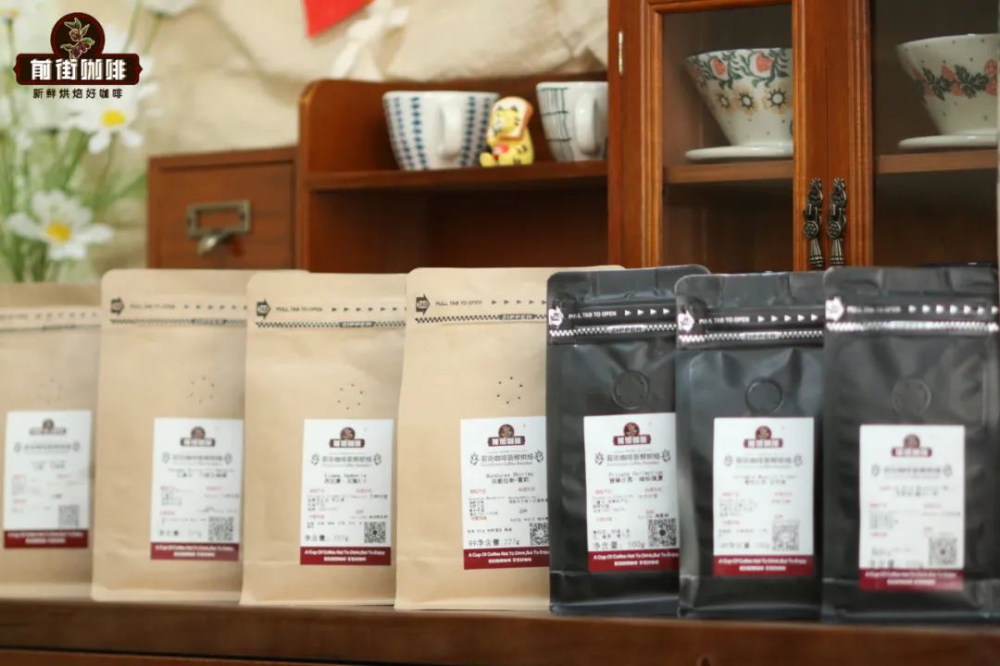
Anyone who drinks pour-over regularly will have heard of Panamanian Geisha, which has become one of the symbols of contemporary specialty coffee thanks to its stunning aroma. The Geisha variety descends from Typica and also originates in Ethiopia, the birthplace of coffee. Unlike other varieties, Geisha trees have very thin leaf systems, so photosynthesis is inefficient. The roots are fragile too, absorbing water and nutrients slowly, which results in very low yields. Combined with high-altitude growing conditions, the fruit also ripens relatively late.
Geisha is now grown in many regions and is the new king of specialty coffee, with the highest quality coming from Latin American countries such as Panama, Guatemala and Colombia. Panamanian Geisha stands out particularly. On FrontStreet Coffee's menu, the most popular is of course the Geisha from Hacienda La Esmeralda, divided by character into Red Label Geisha, Green Label Geisha and Volcanic Geisha. High-quality Geisha carries an intoxicating fragrance of rose, citrus, berries and honey, loved by many coffee enthusiasts.
Caturra
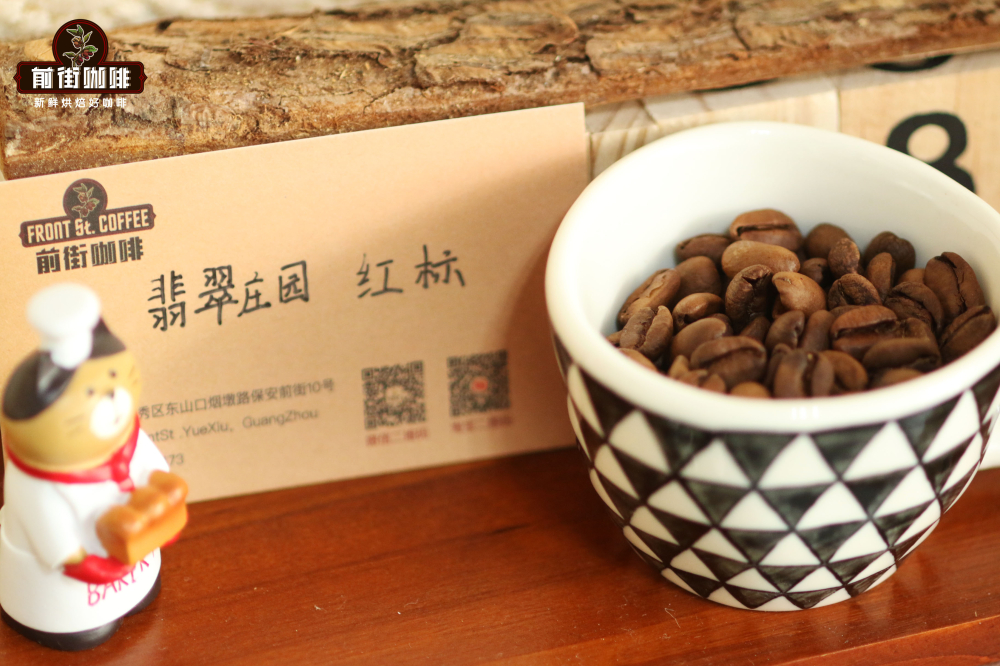
Caturra is a natural mutation of Bourbon, discovered in Brazil in 1937. The tree is relatively short with low disease resistance, but thanks to dense planting and a higher fruit-bearing rate, its yield exceeds Bourbon and other varieties. Caturra is widely planted in Central America and has bright acidity with a flavor full of fruit. After a medium-dark roast it shows chocolate and nutty sweetness, making it a frequent champion in coffee competitions. Many beans on FrontStreet Coffee's menu contain Caturra. To understand the variety, FrontStreet Coffee recommends the Colombian daily bean, selected from a washed Caturra grown in the Huila region with very high cleanliness; FrontStreet Coffee uses a medium-dark roast to present aromas of nuts, dark chocolate and caramel.
SL28 & SL34
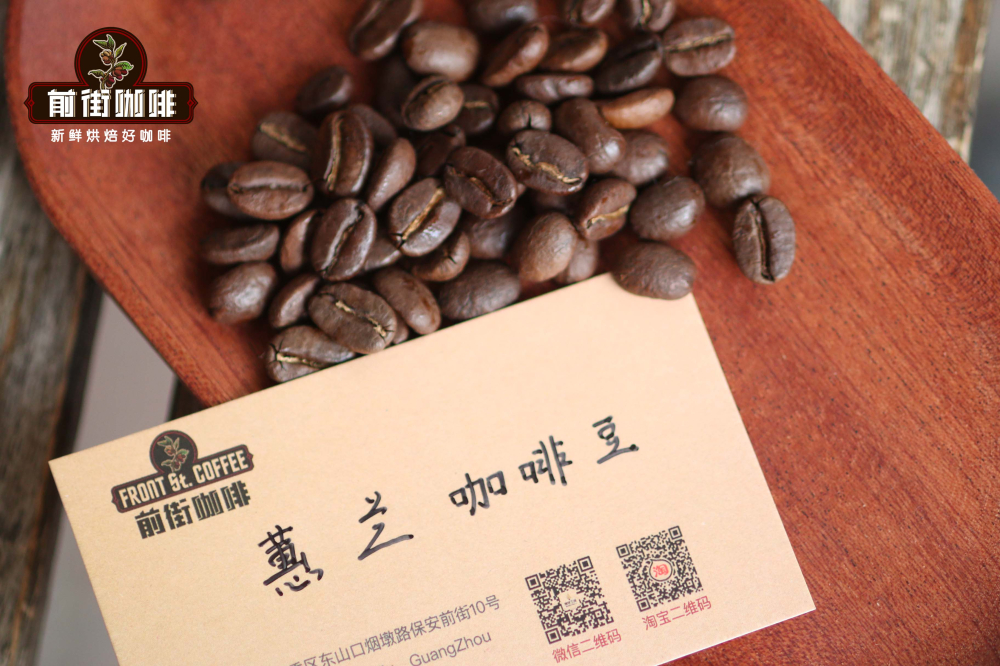
Between 1935 and 1939, Scott Laboratories prefixed every coffee variety it selected and cultivated with SL. The lab chose 42 varieties from different origins and studied their yield, quality, drought resistance and disease resistance. After numbering and screening them one by one, it finally arrived at SL-28 and SL-34.
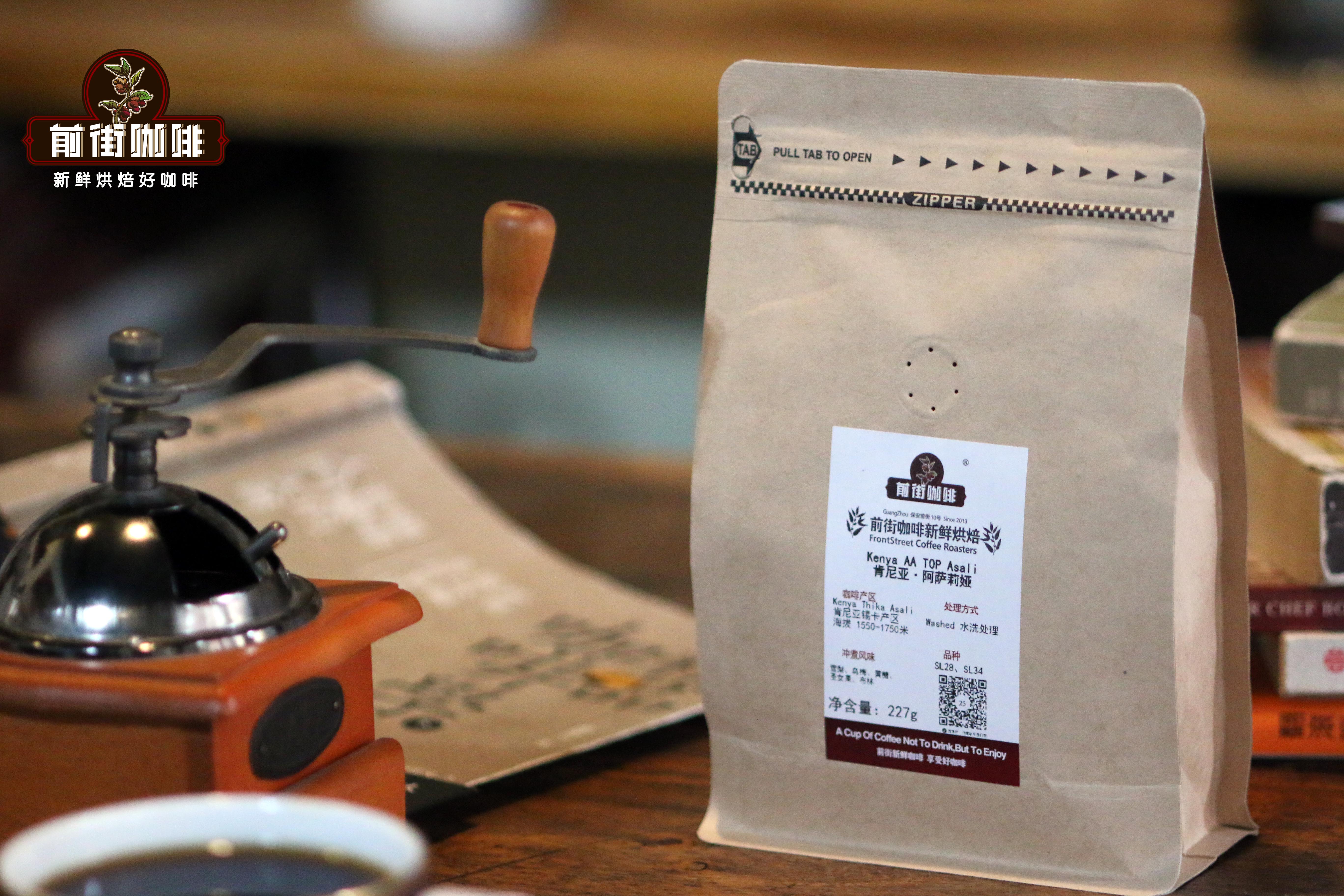
SL28 comes from the Bourbon genetic group, with short, round beans and a thick body, showing uplifted acidity and noticeable sweetness. SL34 comes from the Typica genetic group, with oval beans that appear flatter from the side than other Typica varieties, showing a balanced, full sweet-and-sour profile with a caramel aftertaste. FrontStreet Coffee's Kenya Asalia beans are selected from these two varieties and given a 72-hour washed process, presenting the full acidity of plum, brown sugar, black plum and cherry tomato.
FrontStreet Coffee Recommendation
If you want to explore the fruit-and-flower side of Arabica, the classic starting point is Yirgacheffe. FrontStreet Coffee's washed Yirgacheffe staple is known for white jasmine, bright citrus and lemon acidity and a tea-like body, and its friendly price has made it the first specialty coffee for many drinkers. Yirgacheffe is a town in the Sidama zone of southern Ethiopia at around 1700-2100 meters, where the coffee trees are planted above 1800 meters; in 2010, as the name became so famous, the Ethiopian Commodity Exchange separated it from the Sidama region, giving us the familiar Yirgacheffe category we know today.
For something more precise, FrontStreet Coffee's Gutingding Cooperative coffee comes from the Woka area at the southeastern end of Yirgacheffe. It began as part of the Woka cooperative under the Yirgacheffe Coffee Farmers Cooperative Union, later becoming a single-origin lot in its own right, and it follows the most traditional washed process - clean, bright citrus and lemon acidity with jasmine fragrance. If you prefer the fruitier style, FrontStreet Coffee's natural Red Cherry is made only from fully ripe fruit, dried whole on raised beds for three to five weeks; it keeps the typical Yirgacheffe character while adding tropical fruit from the natural process, with citrus acidity, berry-juice body, honey sweetness and a creamy smoothness. FrontStreet brews it in a V60 at 90-91°C with 15 g of coffee at a 1:15 ratio, ground to roughly fine caster sugar - about 80% passing a No. 20 sieve.
Important Notice :
FrontStreet Coffee is a long-established specialty coffee roaster in Guangzhou China, selling freshly roasted beans from its own farm in Yunnan as well as dozens of carefully selected single-origin beans from around the world for both pour-over and espresso. The products deliver consistently excellent quality and great value, with shipping within 24 hours. Guangzhou's FrontStreet Coffee shop is recommended by many coffee lovers, and the beans are now available online at the Tmall 。
FrontStreet Coffee has moved to a new address:
FrontStreet Coffee Address: 315,Donghua East Road,GuangZhou
Tel:020 38364473
 Scan and follow the En Gafei WeChat official account. Please indicate that the reprint comes from "En Gafei".