Arabica Coffee Bean Brand Recommendations - Why Arabica Coffee Beans Are More Expensive Than Robusta
Coffee Varieties: Arabica, Robusta, and Liberica
In botanical taxonomy, coffee belongs to the Rubiaceae family, with over 100 coffee species beneath it. Roughly 80 coffee tree varieties have been identified, of which three are cultivated specifically for beverage: Arabica, Robusta, and Liberica.
Generally, Arabica goes into single-origin and specialty coffees, while Robusta is typically processed into instant coffee. Although Arabica is classed as premium and Robusta as secondary, the classification is not absolute—personal taste is the better yardstick. Flavor-wise, Americans and Japanese tend to prefer lighter coffee brewed from Arabica, while Europeans favor espresso made from an Arabica-Robusta blend.

Arabica: Premium Coffee Beans with First-Class Flavor and Aroma
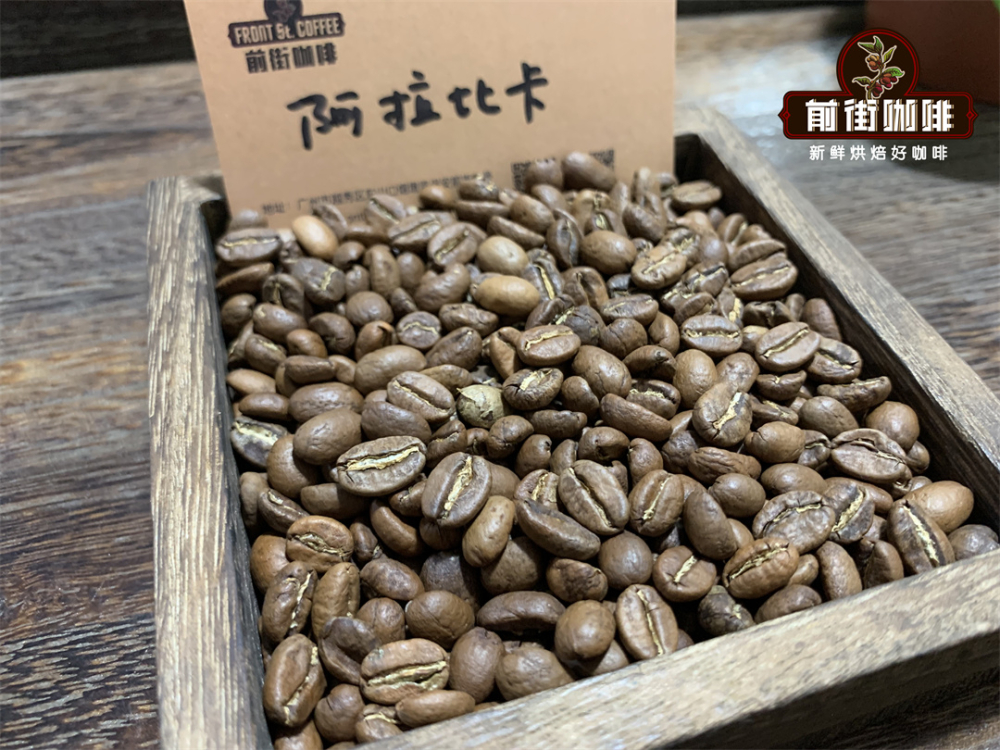
Arabica is the representative variety originating in Ethiopia, also grown across Africa and Asia, and it accounts for 70%-75% of global coffee production. Its resistance to pests and diseases is weaker, which makes highland regions more suitable: Arabica grown above 1,500 meters produces the highest quality.
Such carefully cultivated beans possess balanced flavor and aroma, earning certification as premium coffee used mainly for single-origin and specialty coffees. The three most famous coffees in the world—Hawaiian Kona, Jamaican Blue Mountain, and Yemen Mocha—all belong to the Arabica variety. Arabica green beans have a dark, slender appearance and are celebrated as the finest of the highland varieties, characterized by rich sweetness, acidity, and aroma.
In flavor, Arabica is considered the finest, and it has been the mainstay of the specialty coffee market since the concept emerged. Typica, an Arabica subspecies, has excellent acidity, scores high in cupping, and boasts outstanding genetics as one of the most ancient varieties. Meanwhile Gesha, now famed throughout specialty coffee, has conquered enthusiasts' palates with its fresh florals and comfortable acidity.
Arabica Disadvantages
Arabica accounts for about 70% of total production but resists pests and disease poorly, which has driven the breeding of many resistant varieties. It also has many subspecies formed through mutation or hybridization, such as Typica, Bourbon, and Gesha. FrontStreet Coffee's stores are full of Arabica subspecies: more than 50 different regional beans for single-origin and specialty brewing, covering all manner of tastes, plus further unlisted varieties for tasting.
Famous Arabica-Origin Coffees
Specialty coffee has drawn attention not only to coffee's individuality but also to cultivation and processing at origin. Here is FrontStreet Coffee's tour of today's renowned origins.

Brazil
Brazil is the world's largest coffee producer, and its domestic consumption has grown to make it the second-largest consumer after the United States. Brazil began growing coffee in 1727. With a suitable climate and vast fertile soil, its main regions are Minas Gerais, São Paulo, and Paraná in the southeast. In recent years frost damage in the south has pushed cultivation gradually northward; large estates in Minas Gerais's Cerrado are installing irrigation and mechanization, growing diverse varieties including Arabica such as Bourbon alongside resistant varieties like Catuaí.
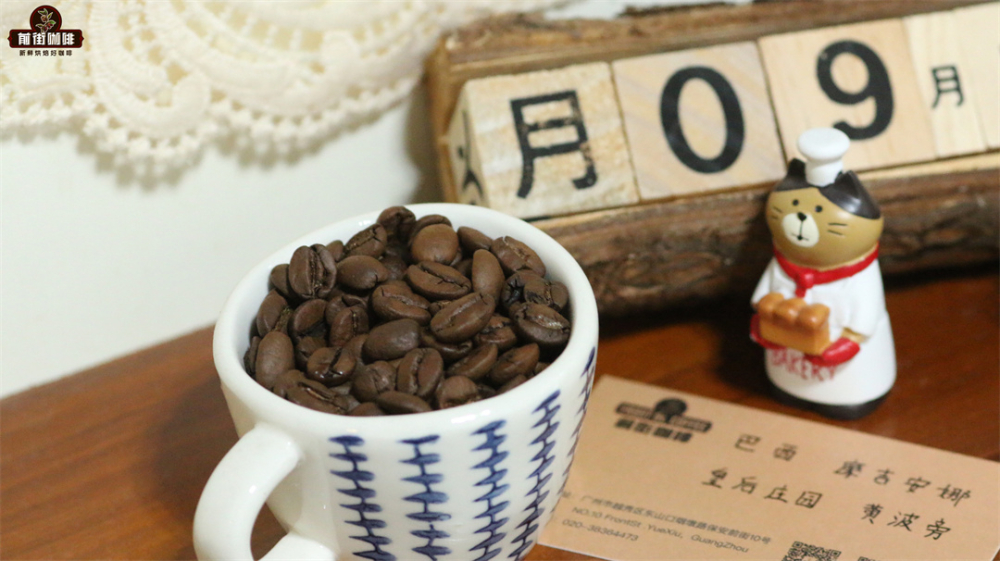
Brazilian coffees typically have low acidity that complements a sweet bitterness for an exceptionally smooth mouthfeel with a subtle grassy fragrance—the light aroma with faint bitterness leaves a refreshing aftertaste. FrontStreet Coffee has chosen a Queen Estate Bourbon as Brazil's representative: distinct nutty and chocolate notes, moderate caramel sweetness, and a smooth, balanced overall flavor.
Cultivation Varieties: Bourbon, Mundo Novo, Catuai and other Arabica varieties, as well as Catuaí.
Processing Method: Primarily natural processing, with honey processing for certain beans.
Grading Method: Graded from "No. 2" to "No. 6" by screen size and defect count. Screen sizes range from S17 (6.75mm) to S18 (7mm); in 300-gram samples, those with defect scores below 11 points earn the highest grade "No. 2" (Type 2).

Colombia
The Andes, averaging above 4,000 meters, carry small estates on steep slopes between 1,000 and 2,000 meters—Colombia's coffee lands. Colombia is currently the world's third-largest producer, behind only Brazil and Vietnam. The Colombian National Federation of Coffee Growers supports the industry from production through distribution and actively promotes specialty coffee. Growers plant shade trees and hand-pick cherries; to reduce water consumption they have introduced modern equipment suited to small estates, using methods different from Brazil's to produce distinctive quality. On the equator, Colombia enjoys two harvests a year.
Specialty-grade washed Colombian coffee typically shows citrus, nuts, and black cocoa with smooth richness. Black cocoa is its hallmark, complemented by refined high-elevation acidity—a rare, high-quality origin and perhaps the most representative of the Americas.

Cultivation Varieties: Caturra, Castillo, Colombia Typica.
Processing Method: Two harvests annually, October-January and April-June. Primarily washed processing.
Grading Method: Graded by screen size. Beans above S17 (6.75mm) rate "Supremo"; S14 (5.5mm)-S16 (6.5mm) rate "Excelso."

Panama
Panama may be today's most popular specialty origin, home to famous estates such as Hacienda La Esmeralda, Deborah Farm, and the Ninety Plus estates. Panama grows Gesha, Caturra, and Catuai, but its most representative variety is Gesha, and among the estates FrontStreet Coffee considers the Gesha of Hacienda La Esmeralda the most representative of all.

Cultivation Varieties: Mostly Caturra and Catuai, with Gesha cultivation increasing. Traditional methods also grow unimproved Typica, rare in Central America.
Processing Method: Harvesting from September to March. Primarily washed processing, with some natural or machine-dried methods.
Grading Method: Graded by altitude, from highest to lowest: "Strictly Hard Bean" (SHB) and "Hard Bean" (HB).

Guatemala
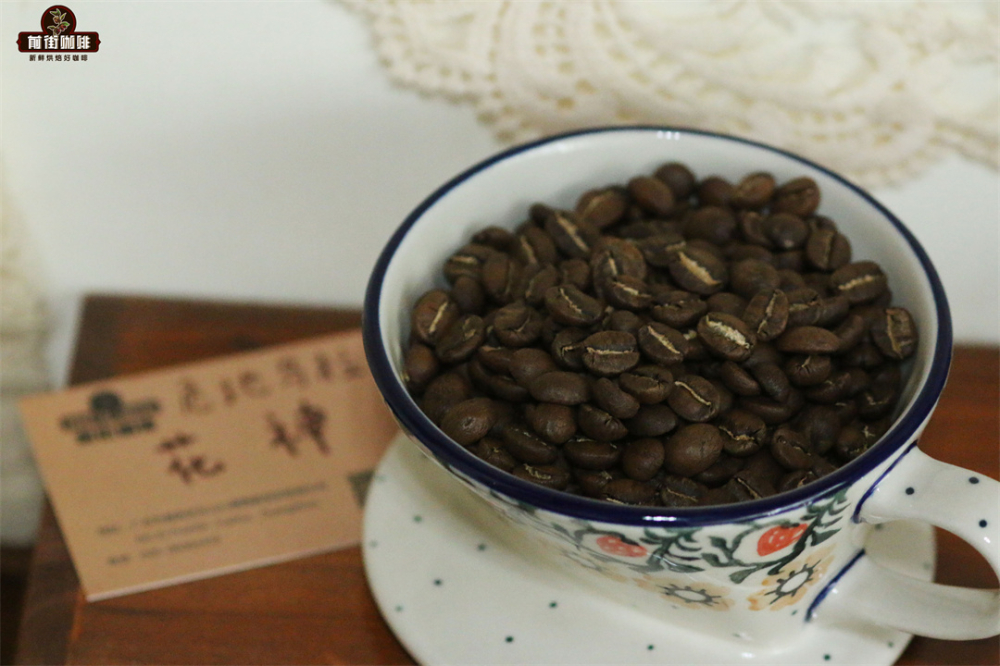
Guatemala is a classic volcanic country, and its famous Antigua region is ringed by three volcanoes whose ash-rich soil nourishes the coffee trees. Beyond Antigua, Guatemala has multiple regions with different environments and correspondingly distinct regional flavors—though FrontStreet Coffee considers Antigua the most representative.
Among Antigua's many beans, FrontStreet Coffee selected the Flor de Café, a coffee under the La Minita company, renowned for excellent cultivation, processing, and extremely strict quality control. It commissions Las Pastores, Antigua's largest washing plant, to handle the green beans to those standards, naming the coffee Flor de Café. Beyond preserving the original regional flavor, its dry aroma carries intense floral and tea notes; in the cup, lime acidity and berry flavors transition into a honey aftertaste. Exceptional cleanliness and rich layering are its trademarks.
Cultivation Varieties: Bourbon, Caturra, Catuai, etc.
Processing Method: Harvesting from September to April. Primarily washed processing, with some natural or machine-dried methods.
Grading Method: Though graded by altitude, often decided by flavor. Above 1,300 meters rates "Strictly Hard Bean" (SHB); 1,200-1,300 meters "Hard Bean" (HB); 900-1,050 meters "Extra Prime Washed" (EPW).

Costa Rica
Costa Rica has cultivated coffee for over two hundred years with a very mature industry, and it is one of the few countries that prohibits Robusta cultivation (including Catimor varieties)—proof of its emphasis on quality. Costa Rican coffee's signature is its honey processing: retaining some mucilage during drying gives the cup both washed-like cleanliness and natural-like sweetness—nut-forward profiles with refreshing acidity, full body, and sugar-like sweetness.

Cultivation Varieties: Caturra, Catuai, etc. Costa Rican law prohibits Robusta cultivation.
Processing Method: Harvesting from November to March. Primarily honey processing, using methods that remove pulp along with the parchment.
Grading Method: Graded by altitude, from highest to lowest: "Strictly Hard Bean" (SHB), "Good Hard Bean" (GHB), "Hard Bean" (HB).

Jamaica
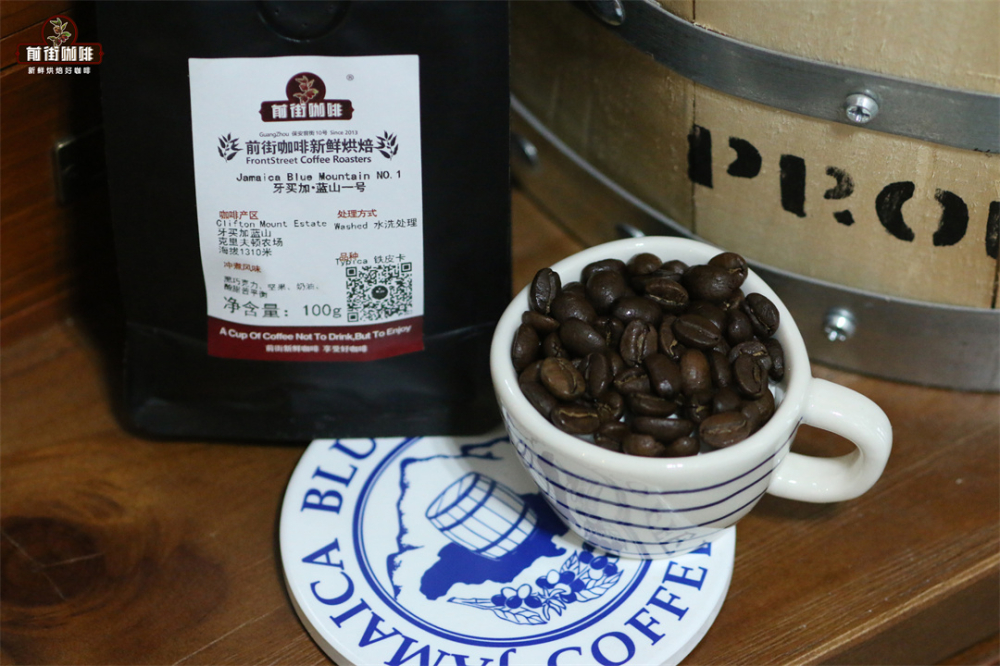
Besides Brazil, Jamaica's Blue Mountain is also exceptionally balanced. The Blue Mountains lie in eastern Jamaica: on clear days, sunlight on the Caribbean's azure surface reflects blue off the peaks—hence the name.
For many years Blue Mountain coffee has been under strict export controls, traditionally producing only washed Typica for markets like Japan. Only last year did FrontStreet Coffee begin tasting natural Typica beyond the washed, and even Gesha from Blue Mountain production. Nevertheless, FrontStreet Coffee maintains that washed Typica best represents Blue Mountain: citrus acidity within strong overall balance, nut and black cocoa mid-palate, persistent aftertaste, and rich mouthfeel.
Cultivation Varieties: Although Caturra production gradually increases on surrounding islands, Jamaica predominantly grows Typica.
Processing Method: Harvesting begins in October, primarily washed processing.
Grading Method: Blue Mountain has its own standards, classified by screen size and defect count into "No. 1," "No. 2," and "No. 3" by particle size. Other coffees are graded by altitude or screen size.
Ethiopia
Ethiopia is one of the most popular origins of all. As coffee's birthplace it holds an enormous range of varieties—a true treasure trove of coffee genetics. But variety identification is time-consuming, most coffee is grown by small farmers, and post-harvest mixing makes subdivision difficult, so Ethiopian exports are generally termed "heirloom varieties."

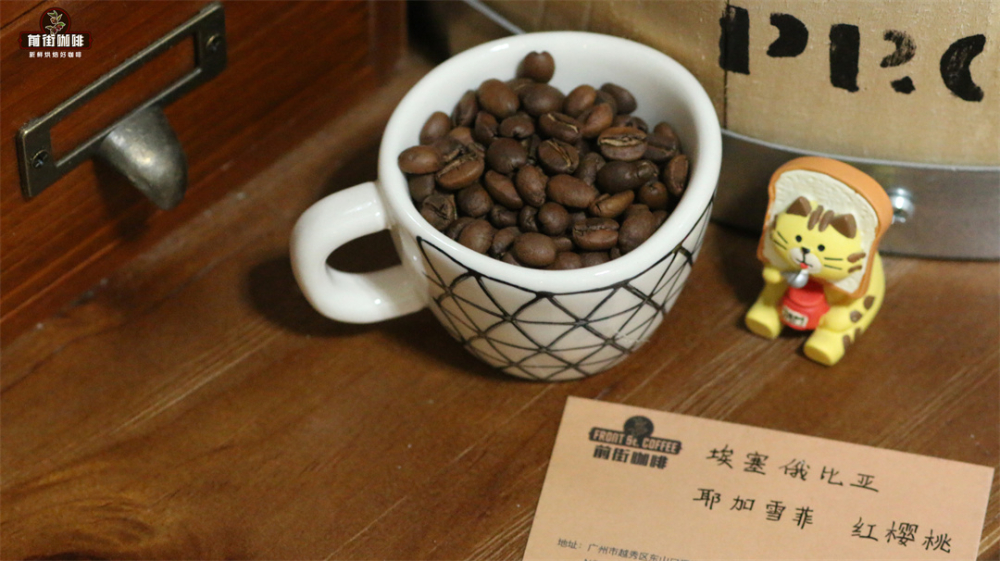
Ethiopia's most representative coffee is undoubtedly the washed coffee of Yirgacheffe. Though Ethiopia relies mainly on natural processing—often crudely done, with defective flavors—the Yirgacheffe region introduced washed processing from the Americas last century, and its coffee rose to worldwide fame.
FrontStreet Coffee's bean list includes many Ethiopian coffees, such as Red Cherry, Buku, and Kochere. These share Yirgacheffe's classic citrus-lemon acidity, gentle white florals, fruit, and a tea-like aftertaste.
Cultivation Varieties: Primarily Typica, with many other Ethiopian indigenous varieties.
Processing Method: Traditional natural processing predominates, though washed proportions are gradually increasing.
Grading Method: Graded by defect count, from "Grade 1" through "Grade 8." Only Grade 1 through Grade 5 may be exported.
Kenya
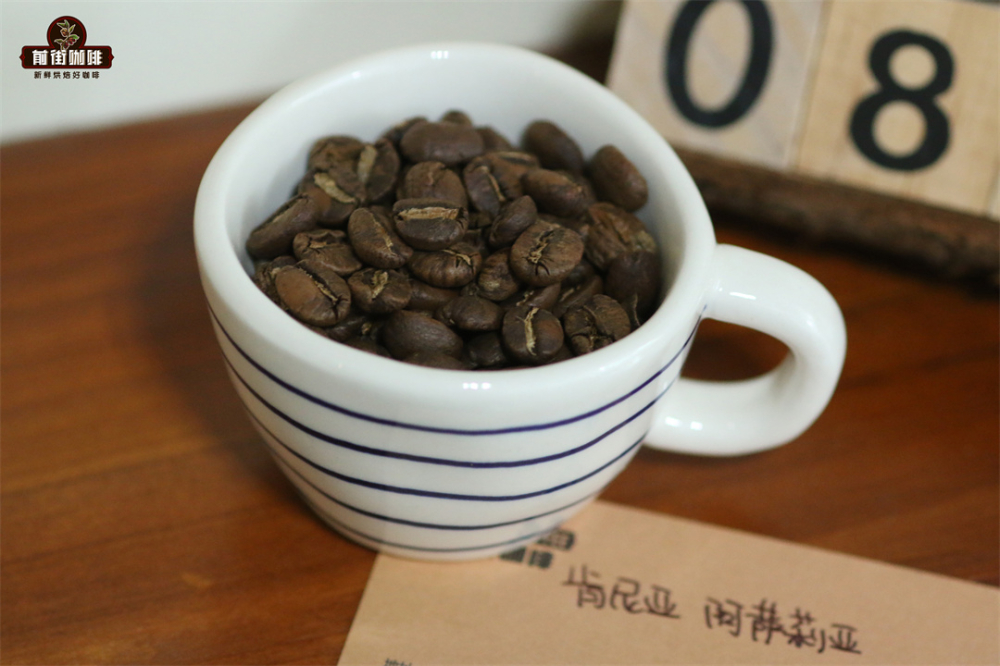
Kenya is another of Africa's most representative origins, with distinctive berry notes recalling grapefruit, blackberries, and plums. Its high acidity makes Kenyan coffee one of summer's most popular iced coffees. The flavor comes primarily from its SL28 and SL34 varieties and mature washed techniques.
Cultivation Varieties: Primarily the Bourbon-selected SL28 and SL34. "SL" stands for Scott Laboratory, a coffee research institution in Nairobi.
Processing Method: Two harvests annually, September-December and May-July. Primarily washed processing.
Grading Method: Graded by screen size. Beans above S18 (7mm) rate "AA"; S15 (6mm)-S17 (6.75mm) rate "AB"; peaberries rate "PB."
Indonesia
Comprising roughly 17,000 large and small islands, Indonesia counts Java as its main coffee-producing region. With a long coffee history, it suffered a coffee leaf rust outbreak in the 1980s that nearly destroyed all its Arabica; cultivation then shifted toward disease-resistant varieties and Robusta, and Indonesia is now the world's fourth-largest producer.

Mandheling is virtually synonymous with Indonesian coffee, grown mainly in the Aceh Special Region of Sumatra. Arabica from Sumatra is generally called Mandheling and is highly regarded in specialty circles; Toraja from Sulawesi is also beloved. Indonesia also has a unique production method, "Sumatra semi-washed" (wet-hulled), characterized by drying the beans in a half-green state.
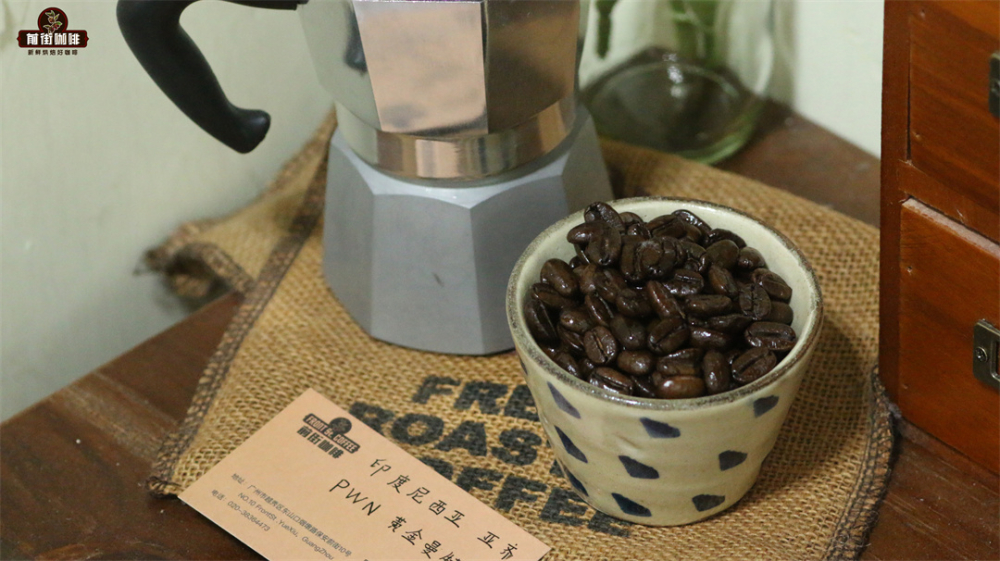
FrontStreet Coffee's bean list recommends a Golden Mandheling: compared with regular Mandheling it undergoes multiple hand-sortings, removing defective and poorly formed beans, so beyond the classic herbal spice notes it is cleaner, with a very smooth mouthfeel.
Cultivation Varieties: Catimor, Typica, Robusta, etc.
Processing Method: Two harvest periods, April-September and November-March. Primarily natural processing, with some washed beans.
Grading Method: Graded by screen size and defect count—by particle size into "Large" and "Small," and into five grades by defect count, "Grade 1" through "Grade 5."
FrontStreet Coffee Recommendation
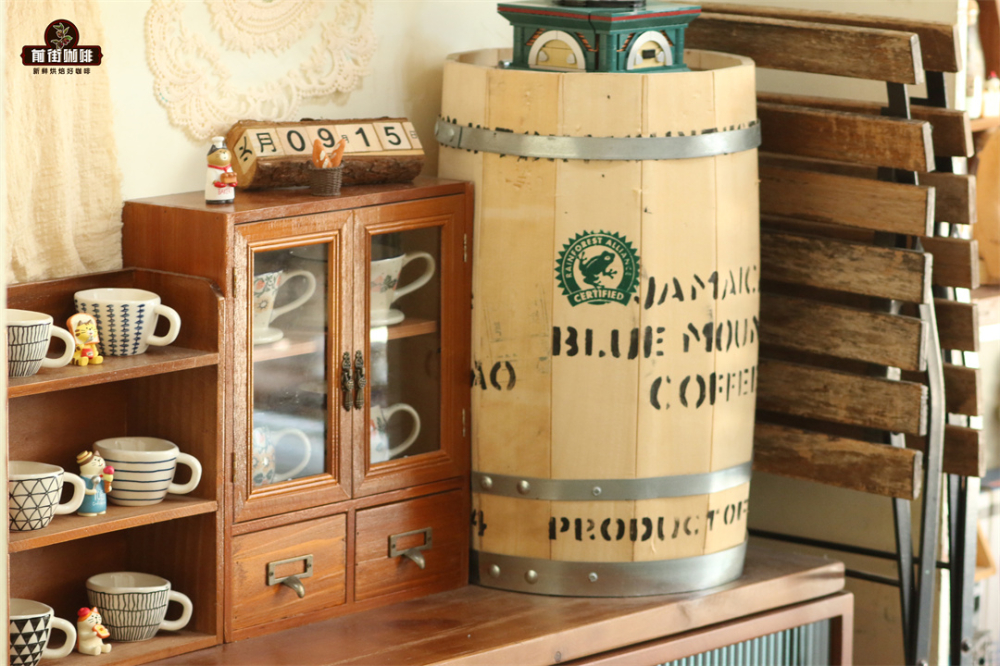
If the famous Arabica names above tempt you, the one to try first is FrontStreet Coffee's Jamaica Blue Mountain No. 1. Strictly speaking, only coffee grown in Jamaica's Blue Mountains and certified by the Jamaican government may be called Jamaica Blue Mountain Coffee, so genuine beans should come with official certificates and proof of origin. The Blue Mountains, in eastern Jamaica, are among the tallest in the Caribbean, peaking at 2,256 meters; year-round cloud cover, fertile volcanic soil, and even rainfall let the cherries mature slowly and accumulate sugar—hence the famously fine, balanced cup. Blue Mountain No. 1 is the highest grade, and FrontStreet's comes from the historic Clifton Estate, which has grown coffee since around 1750 at an average of about 4,300 feet (1310.64 meters).
Roasted medium-dark to highlight its mellow, traditional character, it shows chocolate sweetness, strong clean body, and a perfect marriage of sweetness, acidity, and bitterness—only moderate acidity, no harsh bitterness, and a lasting fruity finish. To brew it, FrontStreet Coffee suggests a Kono dripper to boost that mellow body: 15g of coffee, beans rested 4-7 days from roast, a grind slightly coarser than light-roast coffee—about granulated sugar—water at 87-88°C, and a 1:15 ratio in three stages: 30g to bloom for 30 seconds, then to 120g in a slow vertical stream, then on to 225g a little faster to avoid clogging and over-extraction. Among all the world's Arabicas, this is the cup most often called the easiest for everyone to love.
Important Notice :
FrontStreet Coffee is a long-established specialty coffee roaster in Guangzhou China, selling freshly roasted beans from its own farm in Yunnan as well as dozens of carefully selected single-origin beans from around the world for both pour-over and espresso. The products deliver consistently excellent quality and great value, with shipping within 24 hours. Guangzhou's FrontStreet Coffee shop is recommended by many coffee lovers, and the beans are now available online at the Tmall 。
FrontStreet Coffee has moved to a new address:
FrontStreet Coffee Address: 315,Donghua East Road,GuangZhou
Tel:020 38364473
 Scan and follow the En Gafei WeChat official account. Please indicate that the reprint comes from "En Gafei".