How to Describe Rwandan Coffee Flavor_How to Drink Rwandan Coffee_Where to Buy Good Rwandan Coffee Beans
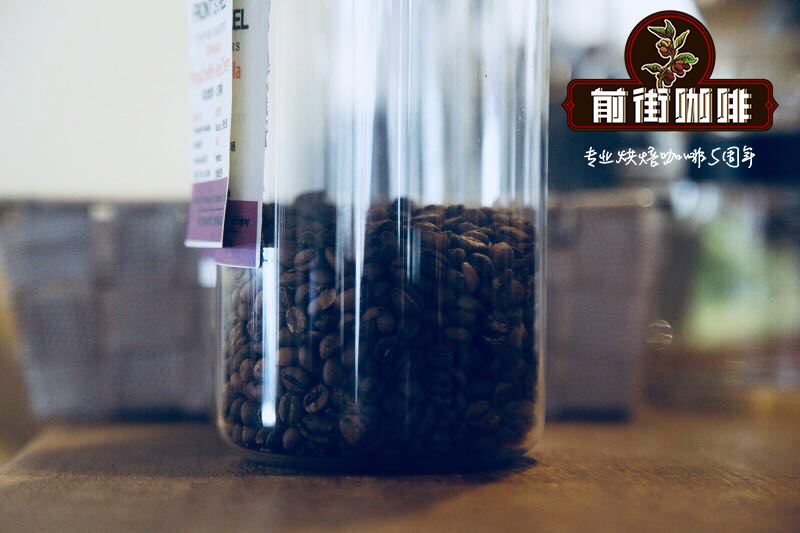
Rwandan coffee beans have always struck me as having a distinct wild ginseng character and a high level of sweetness. During this siphon-brewed hot cup the ginseng note stayed hidden, but once the coffee cooled a trace of it surfaced on the palate. The fruit acidity leaned toward plum.
At a Glance
Country: Rwanda
Region: Nyakizu
Farm: Nyakizu Cooperative, Rwanda
Variety: Red Bourbon
Processing Method: Washed
Drying Method: Sun-dried on raised beds
Pearl Coffee Project: Supported cooperative
Background
Rwanda's climate, altitude, and healthy Bourbon trees give it everything it needs to produce premium coffee.
The Nyakizu Cooperative sits near Butare, Rwanda's second-largest city.
Founded in 2006, Nyakizu is the newest partner of the Pearl Coffee Project, which works to rebuild Rwanda's agricultural institutions, strengthen production capacity, improve farmers' livelihoods, and keep high-quality coffee production sustainable.
With a defect rate of 4.2%, I could breathe easy.
Removing those defects revealed a beautiful aroma.
The dry fragrance opens with rich star anise and cinnamon spice layered over ripe fruit that recalls the sweet scent of pineapple.
The wet fragrance makes florals the clear centerpiece, woven through with fruit acidity and fruit sweetness. Deeper notes carry what seems to be the sweet fragrance of Chinese herbal medicine.
On the first sip, a soft but solid citrus acidity settles on the front of the tongue while the front palate picks up the fruit acidity clearly. The acidity gathers gracefully at the center of the tongue, the root of the tongue begins to salivate, and the sensation spreads across the whole tongue with a distinct sweetness on the palate.
Next comes sweetness rising from both sides at the back of the tongue, with nutty, sweet aromas filling the nasal cavity and palate. The root of the tongue carries a faint bitter accent reminiscent of tobacco leaf and cocoa, and the steady salivation underneath makes you want to swallow.
The aftertaste blends licorice with nuts. The gentle acidity mid-tongue and the continuous salivation beneath it, together with the sweetness at the back of the mouth and at the root of the tongue, build a lingering sweet-and-sour finish.
Rwandan coffee may not offer many layers, but its core profile is unmistakable, especially the interplay of sour, sweet, and bitter as it shifts from one note to the next. Medium body, smooth texture.
FrontStreet Coffee is a Guangzhou roastery with a small shop but a wide range of beans—famous names alongside little-known ones—and an online store as well. https://shop104210103.taobao.com
FrontStreet Coffee Recommendation
If you enjoy the bright, fruit-forward character of washed African coffee, two FrontStreet single origins are worth a place on your shelf.
FrontStreet Yirgacheffe Gedeb is a washed Ethiopian coffee that many drinkers treat as their first step into specialty coffee. It shows vivid citrus, berry, and floral notes with a green-tea-like sweetness on the finish. Unlike the sharp "sour coffee" some people imagine, the acidity here is soft and bright—closer to the natural tartness of fruit than to anything harsh—which makes it very easy to enjoy for anyone new to pour-over.
FrontStreet Kenya Little Tomato is a washed Kenyan single origin built around vivid cherry-tomato and smoked-plum acidity. Grown in Kenya's Thika region at 1,550-1,750 meters from the classic SL28 and SL34 varieties, it is light-roasted to preserve its lively acidity and layered fruit. The dry aroma already shows dried cherry tomato and florals; the cup delivers clear cherry tomato and smoked plum with a bright, substantial acidity and a juicy body, a sweet mid-palate with pear and black plum, and a clean, long finish of brown sugar and light green tea.
Important Notice :
FrontStreet Coffee is a long-established specialty coffee roaster in Guangzhou China, selling freshly roasted beans from its own farm in Yunnan as well as dozens of carefully selected single-origin beans from around the world for both pour-over and espresso. The products deliver consistently excellent quality and great value, with shipping within 24 hours. Guangzhou's FrontStreet Coffee shop is recommended by many coffee lovers, and the beans are now available online at the Tmall 。
FrontStreet Coffee has moved to a new address:
FrontStreet Coffee Address: 315,Donghua East Road,GuangZhou
Tel:020 38364473
 Scan and follow the En Gafei WeChat official account. Please indicate that the reprint comes from "En Gafei".