Yemen Mocha Coffee — What is the Traditional Natural Processing Method? How to Enjoy Traditional Natural Coffee
Understanding Natural and Washed Coffee Processing
In the trade, natural process is simply called "natural," and washed process is called "washed."
Natural processed coffee is made the most primitive way: coffee cherries are laid out whole in the sun until they dry down like fruit, after which the skin and pulp are removed.
That path is full of variables — fruit maturity and defects, incomplete or slow drying, or an untimely rain (which is why regions with rainy harvest seasons are poorly suited to natural processing; over-fermentation and mold are constant risks), plus post-harvest sorting. This is why good natural beans cost more than washed ones, while cheap ones are a gamble. Some regions simply lack the water to do anything else and inherit the ancient natural method; when everything aligns, they can produce wonderful naturals — though thanks to middlemen squeezing the supply chain, buying cheap at origin rarely translates into cheap prices on the shelf.
The Evolution to Washed Processing
To address the shortcomings of natural processing, the washed method was developed. After harvest, cherries are first dropped into water to separate defective or immature beans by whether they float or sink, then fermented to break down the pulp, washed clean, and dried. The main advantage is the ability to screen out immature or defective beans. The drawback is water consumption — in water-scarce areas, people have historically sacrificed domestic water for profit. And with the modern turn toward less-processed foods, plus the rich flavors naturals deliver, natural beans have returned to the specialty coffee stage in recent years: some competitions now run separate divisions for natural and washed alongside variety categories.
Washed processing itself brings a distinct cup character. Because the beans soak in water for extended periods, chemical changes inside the bean consume a large share of its simple sugars (fructose and glucose), lowering sugar content while increasing organic acids. Washed coffees therefore tend to preserve more of the bean's own aromatics while showing bright acidity, clarity, and freshness.
The Unique Character of Yemen Mocha
Take FrontStreet Coffee's Yemen Mocha as an example: the ancient natural process gives this bean an ineffable, wild flavor. A first encounter can seem strange — but once your palate adapts, you realize how magical it is. Without that wild, ancient note, the cup would somehow feel incomplete.
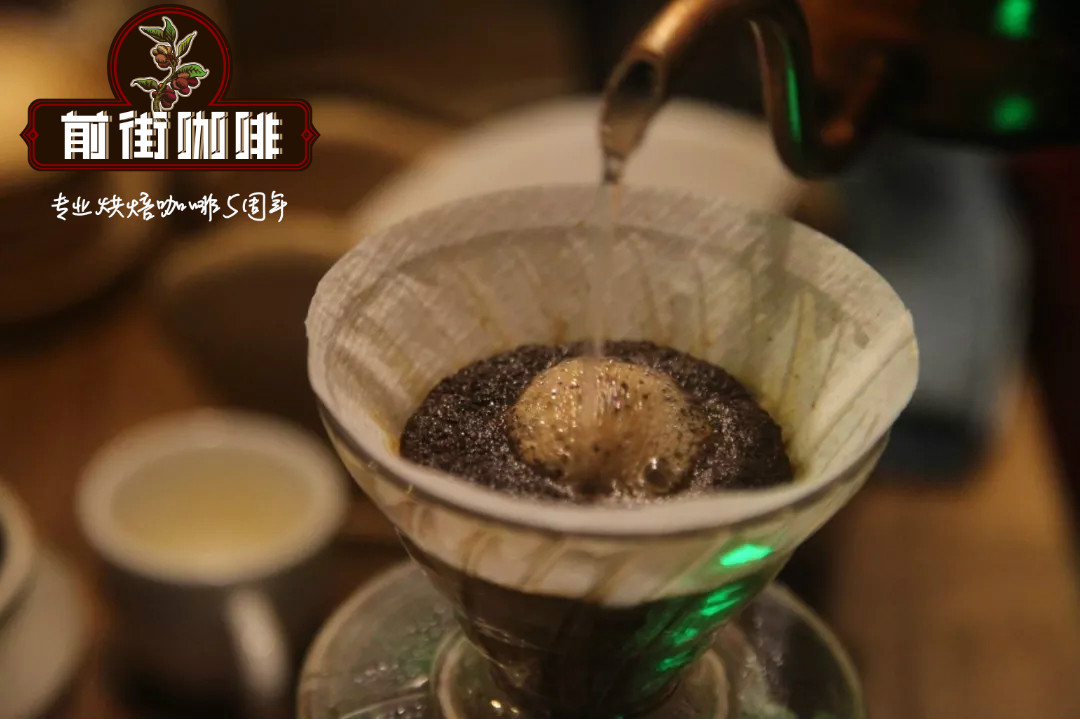
FrontStreet Coffee's Recommended Brewing Parameters:
V60 / 90°C / 1:15 ratio / total time: two minutes
Flavor: Grape acidity, spices, cocoa, chocolate
Alternative Brewing: SOE Espresso
Beyond pour-over, Yemen Mocha also makes a compelling espresso — as an SOE!
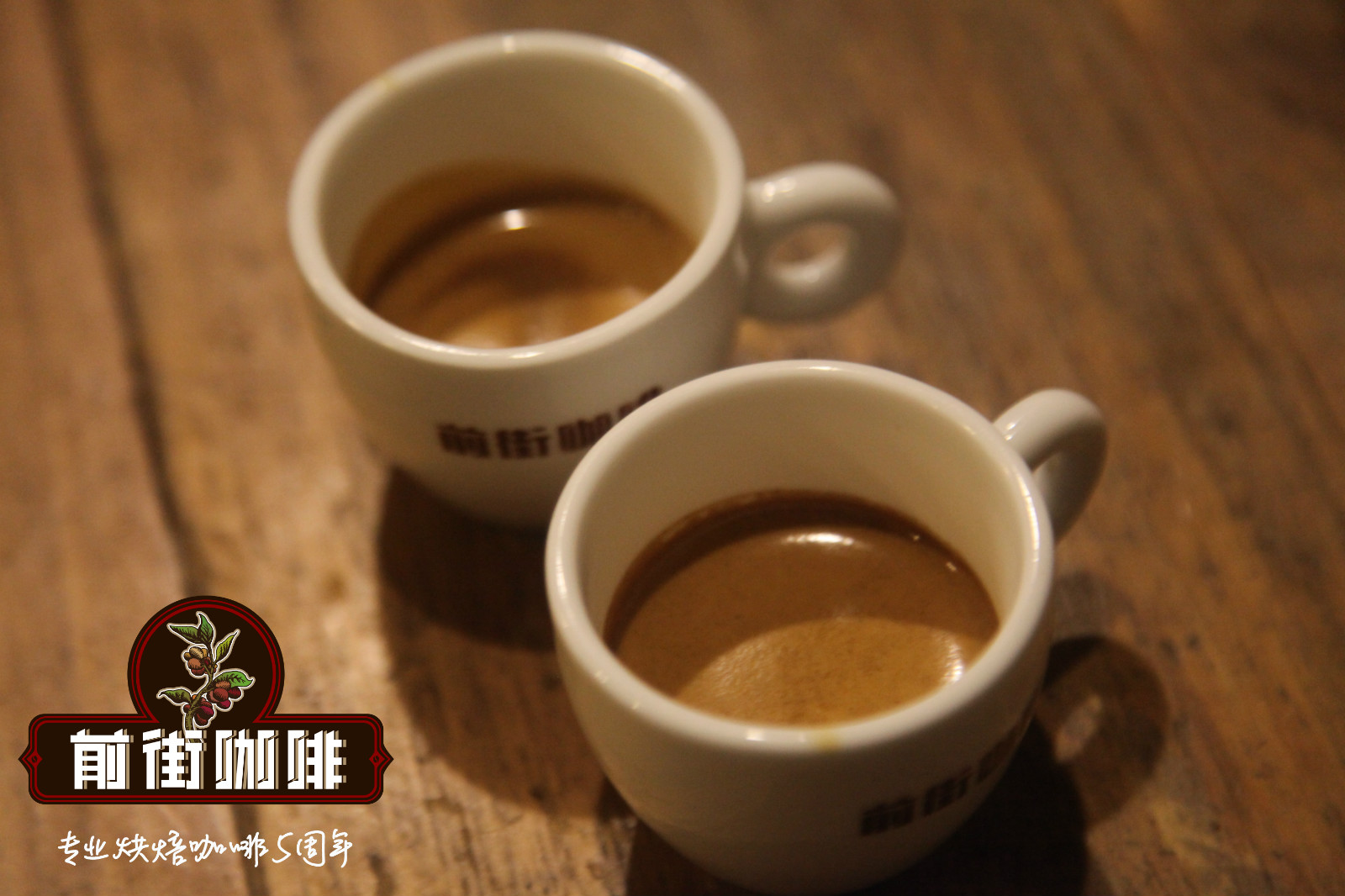
Parameters: Feima 600N grinder at setting 1.4, coffee-to-liquid ratio 1:2 — a double shot of 20g extracting 40g of espresso in 20 seconds.
The nose is distinctly oolong tea, with clear grape sweetness and acidity on entry, carried by sweet spice, caramel, and chocolate, and a lasting oolong finish. Diluted at 1:8 with 140g of hot water, it shows grape and berry acidity with a light sweetness; made into a milk coffee, the oolong tea character comes through clearly with toffee sweetness.
FrontStreet Coffee Recommendation
If the wild Yemeni natural leaves you curious about the opposite end of the spectrum, FrontStreet Coffee's washed single origins show just how clean and luminous the washed method can be. The Yirgacheffe Guodingding cooperative lot is a fine example: because local smallholder yields are tiny, farmers send their cherries to a cooperative for processing, and Guodingding's skilled team was discovered precisely because its coffee tasted so refined and clean. Washed processing lets it show jasmine florals and bright citrus acidity, with green tea and honey tones after a medium-light roast — lovely as pour-over, cold brew, or even espresso.
Kenya's famous "Cherry Tomato" is another washed benchmark. Kenya excels at double washed fermentation — an extra round of washing, soaking, and rinsing that pushes the fruit juice character to its extreme. Expect cherry tomato, dried plum, snow pear, black plum, and golden sugar aromas in a sweet-tart, juicy cup. And Jamaica Blue Mountain No.1 owes its very existence to washing: the island's short sunlight hours made spoilage a constant threat, so removing skin, pulp, and mucilage before drying shortened drying time and kept defect rates low. The result is a perfectly balanced coffee — hazelnut, cream, chocolate, and caramel, with no single note standing too far forward or falling behind.
Important Notice :
FrontStreet Coffee is a long-established specialty coffee roaster in Guangzhou China, selling freshly roasted beans from its own farm in Yunnan as well as dozens of carefully selected single-origin beans from around the world for both pour-over and espresso. The products deliver consistently excellent quality and great value, with shipping within 24 hours. Guangzhou's FrontStreet Coffee shop is recommended by many coffee lovers, and the beans are now available online at the Tmall 。
FrontStreet Coffee has moved to a new address:
FrontStreet Coffee Address: 315,Donghua East Road,GuangZhou
Tel:020 38364473
 Scan and follow the En Gafei WeChat official account. Please indicate that the reprint comes from "En Gafei".