How to Roast Bourbon Coffee Beans_Distribution and Spread of Bourbon Variety_Are Bourbon Coffee Beans Expensive
Bourbon Coffee Beans: How to Roast Bourbon Variety Coffee?
French missionaries carried Bourbon coffee trees into Kenya around 1892–1893. This original Bourbon line is known as the French Mission Varietal — it escaped scientific "improvement" during cultivation, preserving Bourbon's most original flavor.
The distinctive red volcanic soil of Chania Estate, combined with ideal growing temperatures and rainfall and an excellent natural environment, creates the signature cup of the estate's French Mission Bourbon.
The Bourbon Variety
A quick primer: Bourbon was originally cultivated on Réunion Island, which was called Bourbon Island (Île Bourbon) before 1789. Bourbon is a sub-species that mutated from Typica, and together with Typica it stands among the oldest coffee varieties in existence. When its green fruits ripen, they turn a bright red.
The Spread of the Bourbon Variety
In Africa, French missionaries of the Spiritan congregation (the Holy Ghost fathers) played the decisive role in spreading Bourbon. The first mission was established on Réunion in 1841, with a branch in Zanzibar in 1859. From Zanzibar, further branches followed in Bagamoyo (on the coast of then-Tanganyika) and St. Augustine (Kikuyu, Kenya) in 1862, and another at Bura (Taita Hills, Kenya) in 1893 — and with each new mission, coffee seeds brought from Réunion went into the ground.
In 1899, seedlings raised at Bura were carried to another French mission at Santa Cruz (near Nairobi), and in 1900 they reached the Kilimanjaro region of Tanzania, where seeds were distributed to residents willing to grow coffee. This is the origin of what is called "Missionary Bourbon." The Kent variety arrived later, in 1920 — which is why Tanzanian coffee to this day remains mainly Bourbon and Kent.
Processing Method
Natural-processed Kenya is relatively uncommon on the market — the country's washed coffees are so excellent, and natural processing carries a high loss rate and heavy labor costs, that naturals usually appear only in special custom plans from certain green-bean merchants. This particular lot was processed naturally, and the refined natural method added body and sweetness to what was already a rich, varied, acidic Bourbon. The batch is limited in quantity and depends entirely on natural weather conditions.
Roasting Analysis
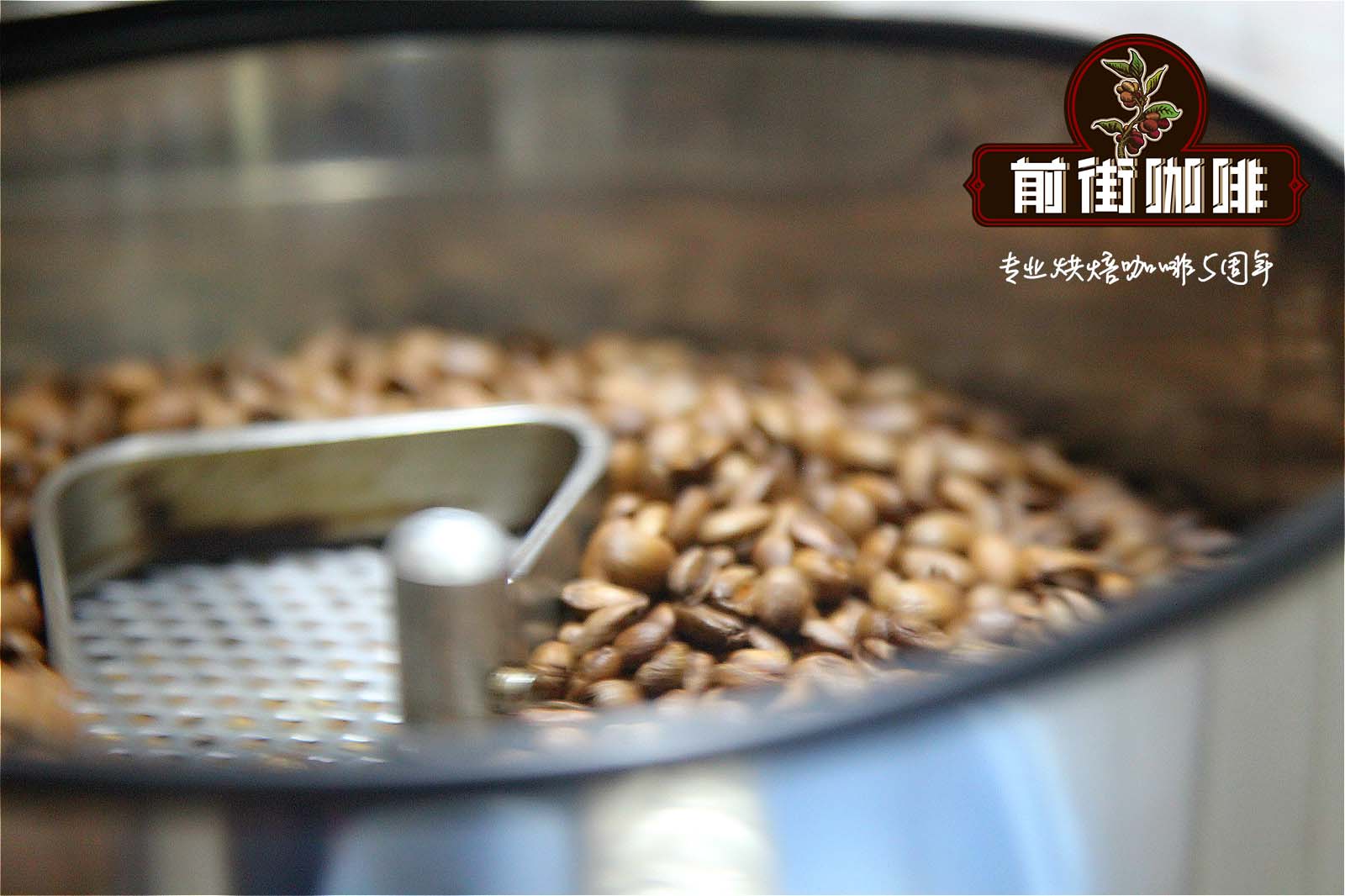
The bean density is medium, and the roast uses a medium-heat climbing curve. The beans heat up quickly, so heat is reduced at 150°C, 160°C and 170°C to extend the Maillard reaction while keeping the temperature from running away. First crack begins at 8'13" at 186°C, at which point heat is reduced and the damper opened to develop flavors, with the beans dropped at 194°C after 2 minutes.
Roasting machine: Yangjia 600g semi-direct flame (charge: 300g)
Preheat the roaster to 170°C before charging, damper at 3. Turn on the heat after 30 seconds and set it to 140, damper unchanged. Return to temperature point at 1'28"; maintain heat, then reduce to 110 at 140°C with the damper opening to 4. Turning yellow at 4'20" — the grassy smell disappears and the dehydration stage begins — reduce heat to 90, damper stays at 4. At 150°C, 160°C and 170°C, cut heat again to 90, 70 and 50 respectively.
Dehydration completes at 7'50": the bean surface shows wrinkles and black markings, the toast smell turns to coffee aroma — the prelude to first crack. Listen carefully from here. First crack starts at 8'13"; open the damper fully to 5 and drop the heat to 30. Post-crack development runs 2 minutes, dropping the beans at 194°C.
Cupping Results
This coffee tastes excellent but carries a relatively high defect rate, so sort carefully both before and after roasting. The dry aroma shows natural fermentation, dried fruit and vanilla. When slurping, expect caramel, vanilla and mixed fruits over a solid, juice-like texture; the aftertaste brings berries, thick jackfruit and coffee blossom. The overall profile is boldly African — best enjoyed in small, slow sips, with aromatics complex enough to hold your attention to the last drop.
FrontStreet Coffee Recommendation
In roasting, three things decide the final cup — acidity, sweetness and bitterness — and for drinkers who want balance without extremes, medium roast is the sweet spot. FrontStreet Coffee's Brazil Queen Estate is the classic choice: grown in the world's largest coffee-producing country, it is the rare yellow Bourbon variety, and at medium roast it offers cream-and-peanut sweetness with chocolate, toast and sugarcane — equally at home in a pour-over, moka pot or espresso machine.
If you prefer your medium roast fruitier, the Strawberry Candy Gesha blend is the pick — unusual in pairing a Costa Rican honey process with Panama's washed Gesha, so the cup carries both orange-blossom honey notes and a rounded sweetness, delicious hot or as cold brew. The 2013 sun-dried Yunnan Typica, medium roasted, delivers a gentle mix of nuts, brown sugar, black tea and dried apricot at remarkable value; and the Jamaica Blue Mountain No.1 — Typica grown in Jamaica's Blue Mountains and medium roasted to fuse acidity, bitterness, sweetness and body into one elegant cup — opens on chocolate, roasted nuts, cream and caramel that few other coffees can match.
Important Notice :
FrontStreet Coffee is a long-established specialty coffee roaster in Guangzhou China, selling freshly roasted beans from its own farm in Yunnan as well as dozens of carefully selected single-origin beans from around the world for both pour-over and espresso. The products deliver consistently excellent quality and great value, with shipping within 24 hours. Guangzhou's FrontStreet Coffee shop is recommended by many coffee lovers, and the beans are now available online at the Tmall 。
FrontStreet Coffee has moved to a new address:
FrontStreet Coffee Address: 315,Donghua East Road,GuangZhou
Tel:020 38364473
 Scan and follow the En Gafei WeChat official account. Please indicate that the reprint comes from "En Gafei".