Geisha Village Geisha | The Unique Geisha Village Gesha Village Ethiopia Original Geisha Go
Professional coffee knowledge exchange.
Ethiopia Gesha Village Gesha Gori Natural
FrontStreet Coffee · Ethiopia Gesha Village Gesha Gori Natural
Region | Bench-Maji
Altitude | 1900-2100m
Variety | Gesha Gori
Processing | Natural
01 | The Region
In recent years, coffee lovers have turned their attention back to Gesha production in Ethiopia, the variety's birthplace. To understand the Gesha Village brand, which has risen to fame remarkably quickly, you have to start with its founders, Adam Overton and his wife Rachel Samuel. In 2007, while filming a documentary about Ethiopian coffee for the Ethiopian government, documentary director Adam Overton and Rachel Samuel, a photographer, encountered the Gera coffee forest in the Bench-Maji region. The journey not only reconnected them with Ethiopia's extraordinary land, it also planted the idea of founding their own coffee estate and brand.
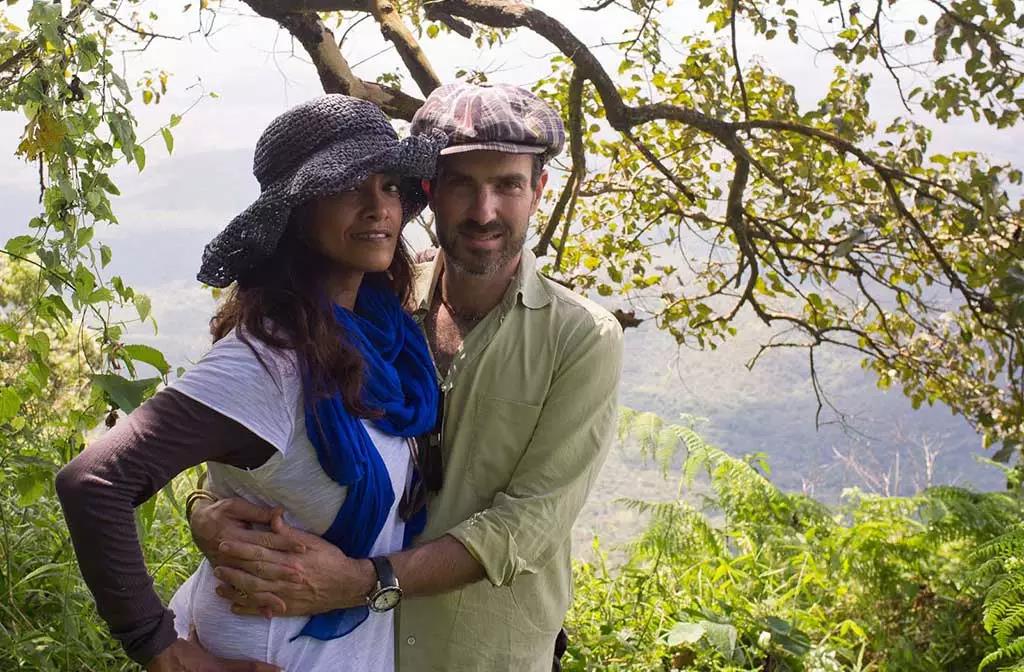
In 2009 they met Willem Boot, the celebrated owner of La Mula estate and a Best of Panama judge. Willem Boot gave them a suggestion that changed everything: return to Ethiopia and find the birthplace of Gesha.
They eventually made their way to Bench-Maji, a region in southwestern Ethiopia near the South Sudanese border. Much of the area is known as Gesha Village, and it is the most likely home of the original Gesha trees. When the couple arrived in 2011, there was nothing on the land yet.
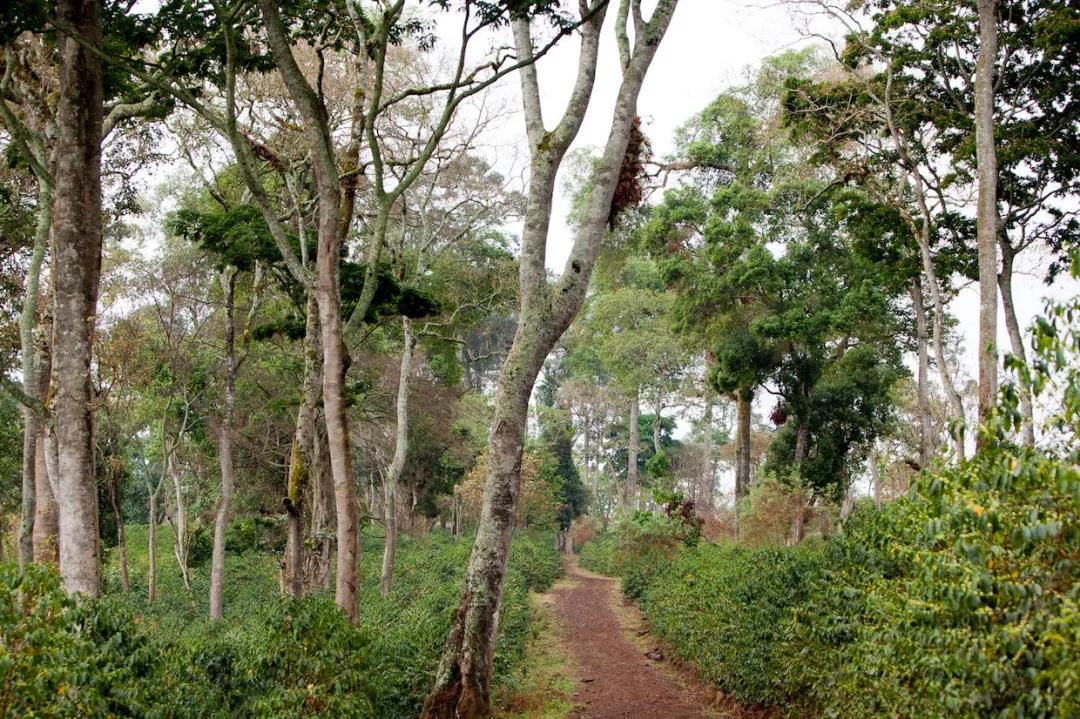
Adam trekked through the forests surrounding the future estate with Willem Boot, discovering a wealth of wild coffee trees in jungle so dense it felt almost enchanted. Their greatest surprise was finding wild Gesha growing there. They later learned this was the Gori Gesha forest, the very place where the Gesha variety was first identified. They collected seeds from those original Gesha trees, screened them carefully, and planted them at the new farm, which they named Gesha Village Coffee Estate — a 475-hectare coffee farm located roughly 12 miles from the Gori Gesha forest.
Gesha Village covers 475 hectares in total and has been expanding its planted area since 2011; by 2017, coffee cultivation reached approximately 320 hectares.
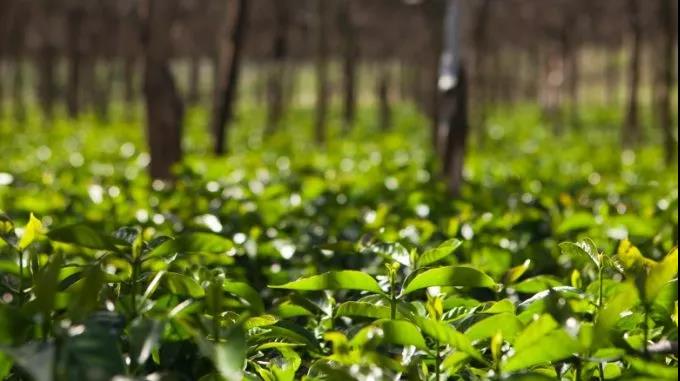
Willem Boot later came on board as technical advisor. In a primary forest near the estate, known locally as Gori Gesha, they found samples strikingly similar to the original Gesha variety cultivated at La Mula estate in Panama.
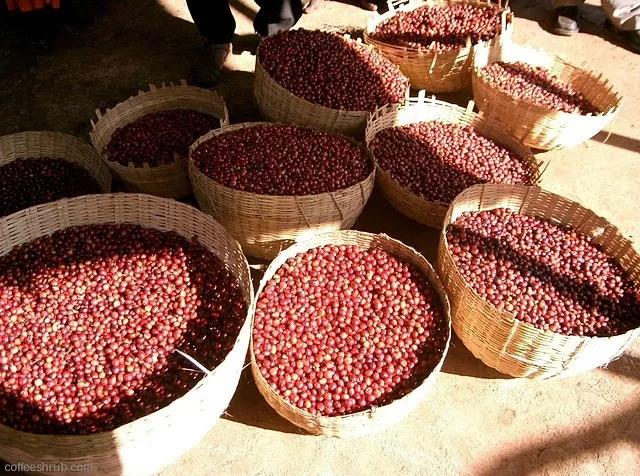
Both the Overtons and Willem Boot believed they had found the origin of Gesha, and the breeding and cultivation work that followed gradually confirmed the hypothesis.
At the 2017 Japan Barista Championship, Takayuki Ishitani won the title using beans from Gesha Village — to say nothing of the impressive showings Gesha Village green coffee has made on auction cupping tables around the world.
Gesha Village Coffee Estate: 2017
Auction Data Overview
(Source: Grand Cru)
Gesha Village's first global public auction opened at 9:00 AM (BST) on May 31, 2017. After nearly three hours of intense bidding, buyers from Hong Kong, Japan, Greece, and other countries and regions claimed 21 auction lots in total.
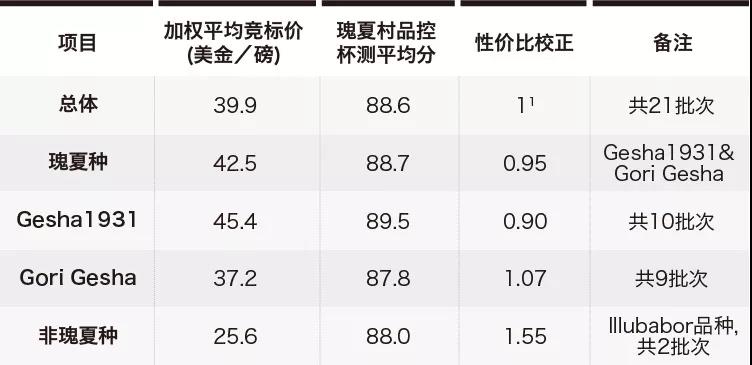
-Average bidding price for Gesha Village auction lots
Estate owners Adam Overton and Rachel Samuel took part in an expedition to collect seedlings from the forest, and they have since cultivated several Gesha varieties from that material in pursuit of the highest possible quality. As Rachel put it: "Gesha enjoys a prestigious reputation in the coffee world for its quality, yet Ethiopia has never been part of its story, even though Gesha originally came from here. We are thrilled to help develop the specialty coffee market in the Gesha region, so this amazing coffee can finally be enjoyed in its birthplace."
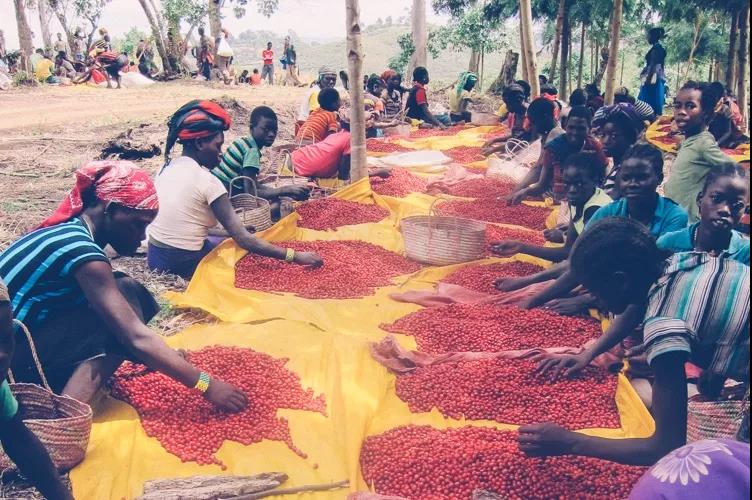
-Gesha Village workers selecting coffee cherries
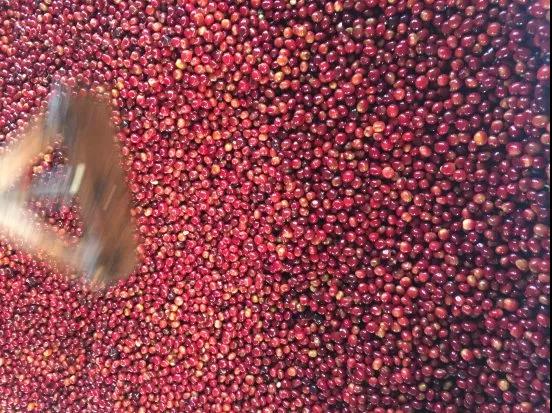
Three Strict Quality Control Stages:
Creating Super Premium Coffee
(Source: Grand Cru)
Quality Control Stage 1: Variety Selection
To fulfill their mission of growing the world's best coffee, Gesha Village keeps an iron grip on the selection process. Seeds collected in the Gori Gesha forest, about 20 kilometers from the estate, were sent to professional institutions for genetic testing, which confirmed the area as the original collection site of the Panama Gesha variety. By studying tree morphology, bean appearance and size, and cupping results, they then identified the Gesha variety closest to today's Panama Gesha and began raising seedlings. The varieties currently grown at Gesha Village are shown below:
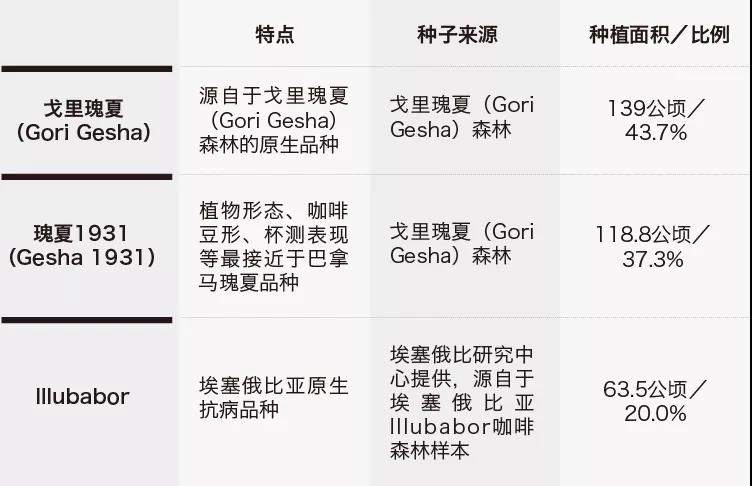
-Current coffee varieties at Gesha Village
Because the estate is so large, the owners divided Gesha Village into 8 major blocks for easier management and clearer product differentiation, then assigned each batch an internal number for traceability. It is worth noting that smaller Gesha farms often show little difference from one batch to the next. At an estate the size of Gesha Village, however, differences between plots rival the differences between separate estates in Panama, and deserve to be taken seriously.
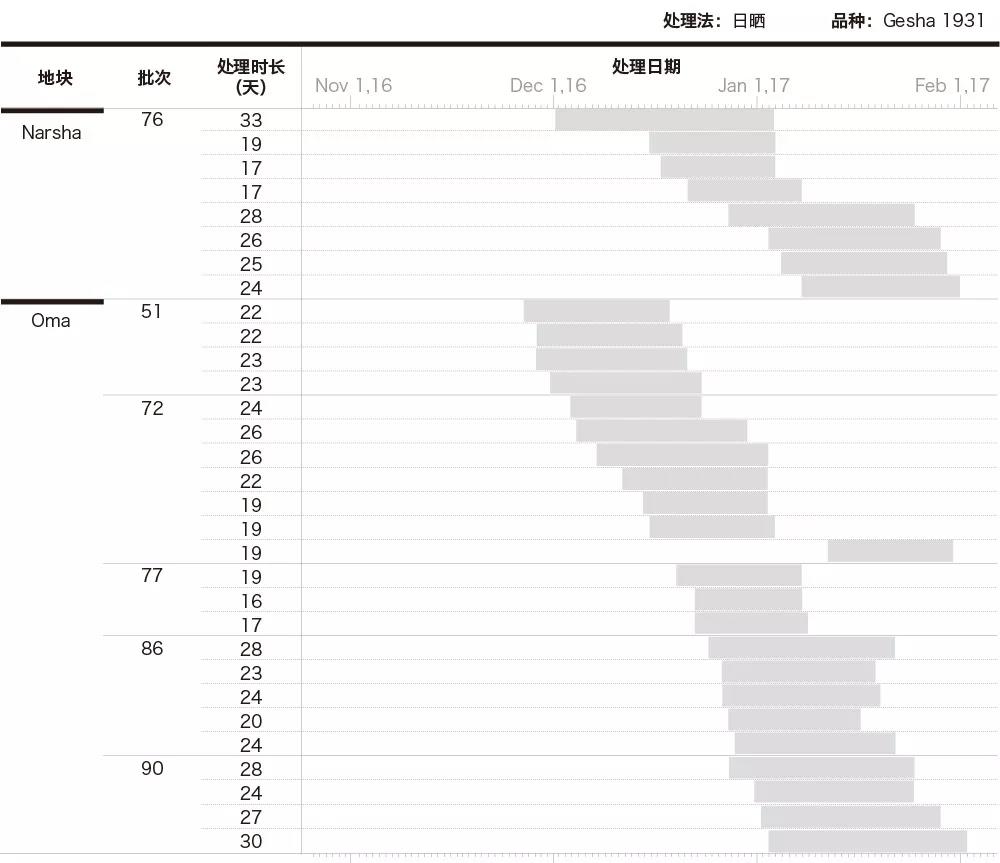
-Processing schedules for beans from different Gesha Village plots in 2017
02 | Processing Method
Harvesting and processing.
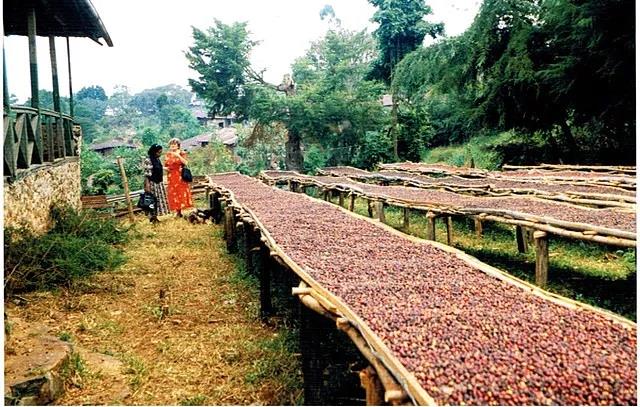
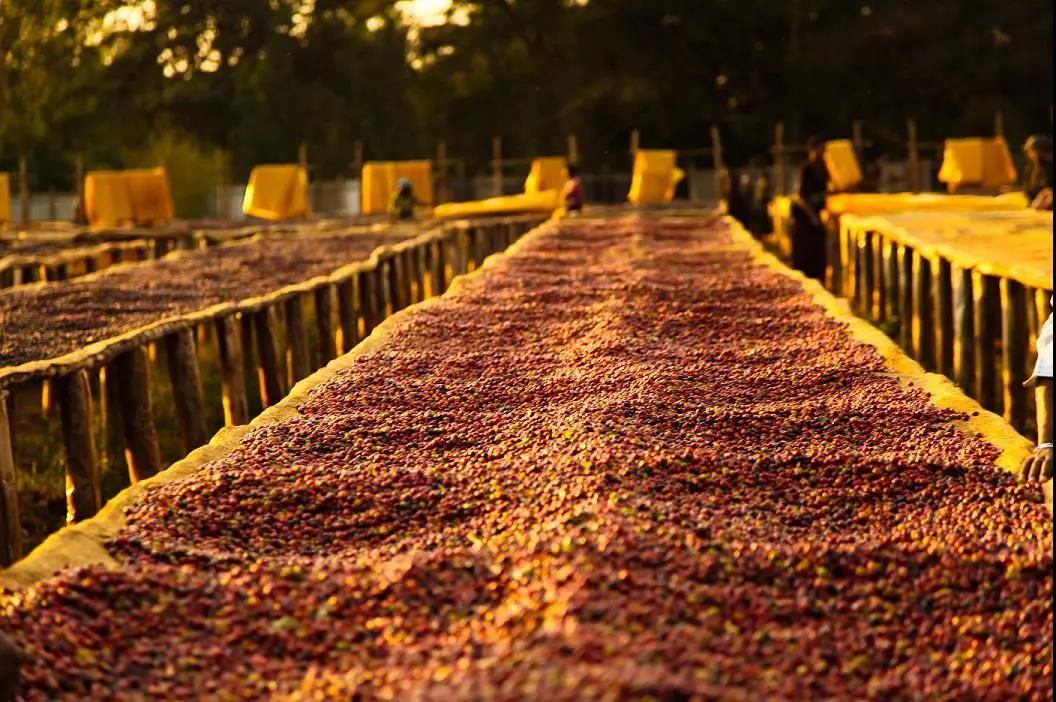
With the support and cooperation of local residents, they trained a team of highly skilled pickers and mill workers. Every worker is taught two rules: pick only the ripest coffee cherries, and never take cherries that have dropped to the ground or show any sign of spoilage. Picking supervisors show workers exactly which cherries are at peak ripeness and which are spoiled. When the cherries are laid out on raised beds for natural processing, a further round of sorting removes insect-damaged and underripe green beans. In addition, all drying begins in the shade, so the coffee does not dry too quickly in direct sun, which would make the parchment shell brittle and prone to cracking.
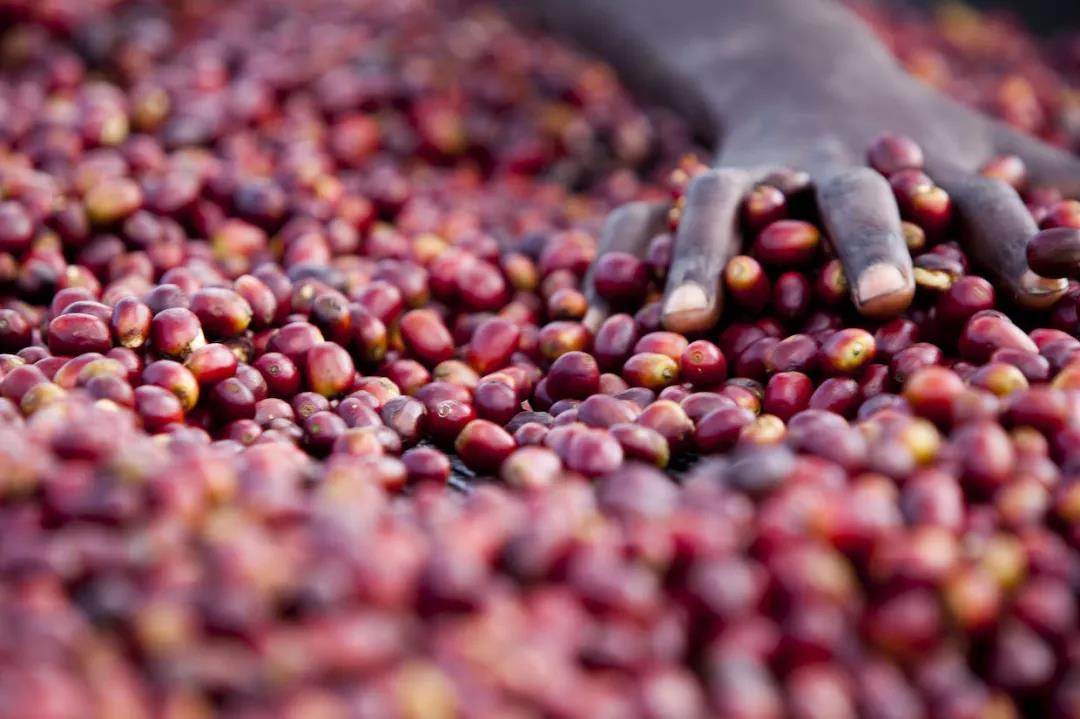
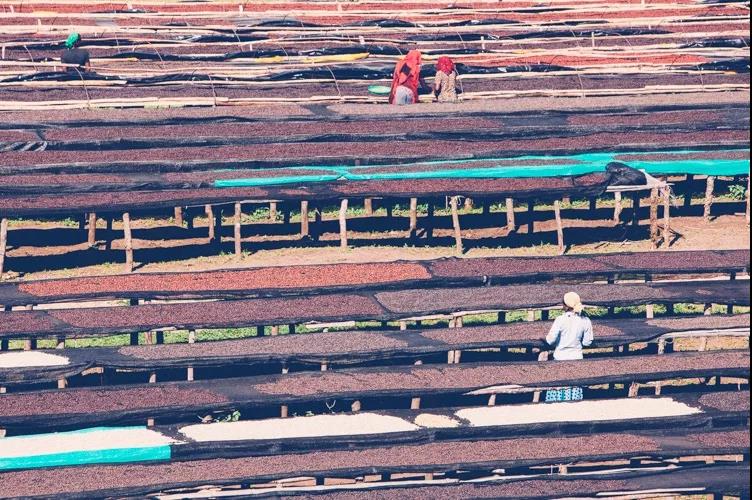
-Gesha Village drying beds
The estate's green coffee production relies mainly on two processing methods, shown in the table below:
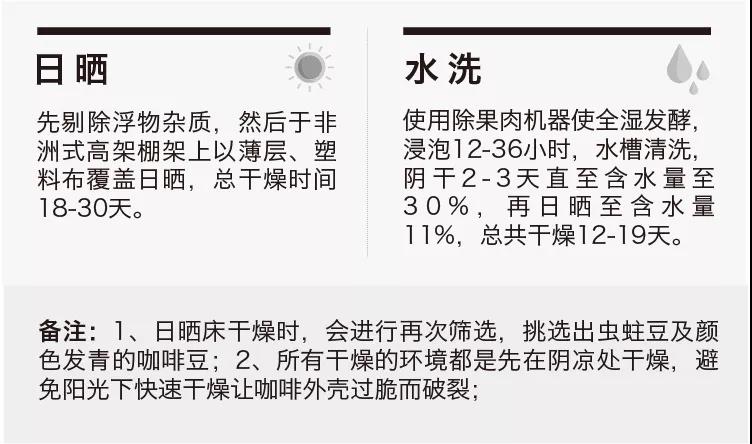
At the same time, Gesha Village keeps experimenting with other processes, including dry fermentation, wet fermentation, and various honey processes.
03 | Green Bean Analysis
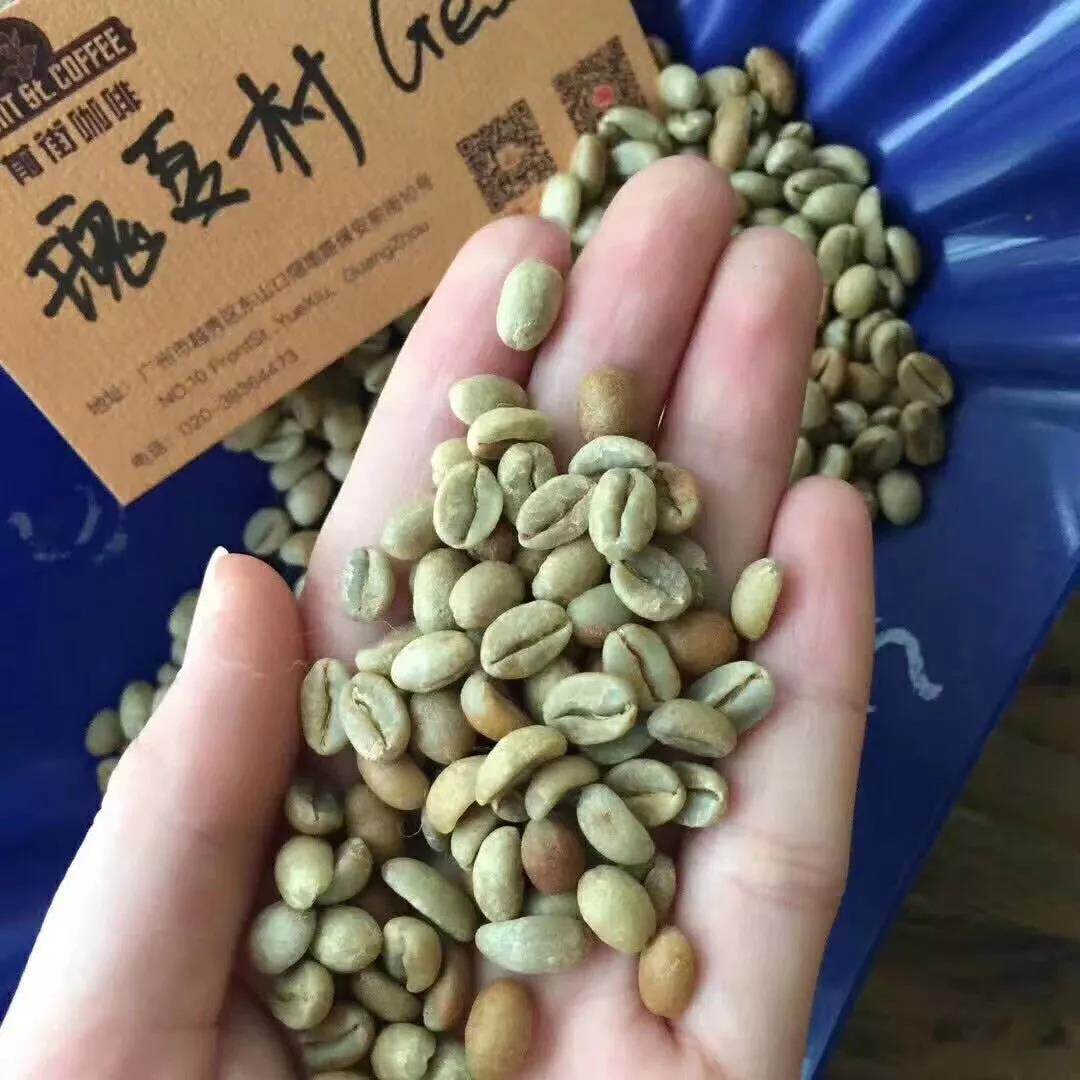
The green beans are smaller than those from Panama. FrontStreet Coffee's washed Gesha green beans show a beautiful blue-green color, while the natural Gesha beans are a lovely green with subtle yellow tones and a jade-like warmth. They smell of fresh grass, peaches, berries, and the distinctive milky-sweet fragrance of oolong tea that most coffee beans simply do not have. Describing aroma and flavor takes a little imagination, but the delicate tea-like sweetness is something you can perceive clearly.
| A Unique Floral and Fruity Character
Among the world's great coffees, distinct florality and intense tropical fruit sweetness are the consistent hallmarks of Gesha.
04 | Roasting Analysis
This FrontStreet Coffee natural Gesha Village coffee has relatively small, dense beans that absorb more heat during roasting, so the Maillard reaction moves along quickly. For the first roast, I charged at a high temperature of 210°C and applied steady heat before the beans dehydrated and turned yellow, ensuring enough energy would carry through to the end of the roast.
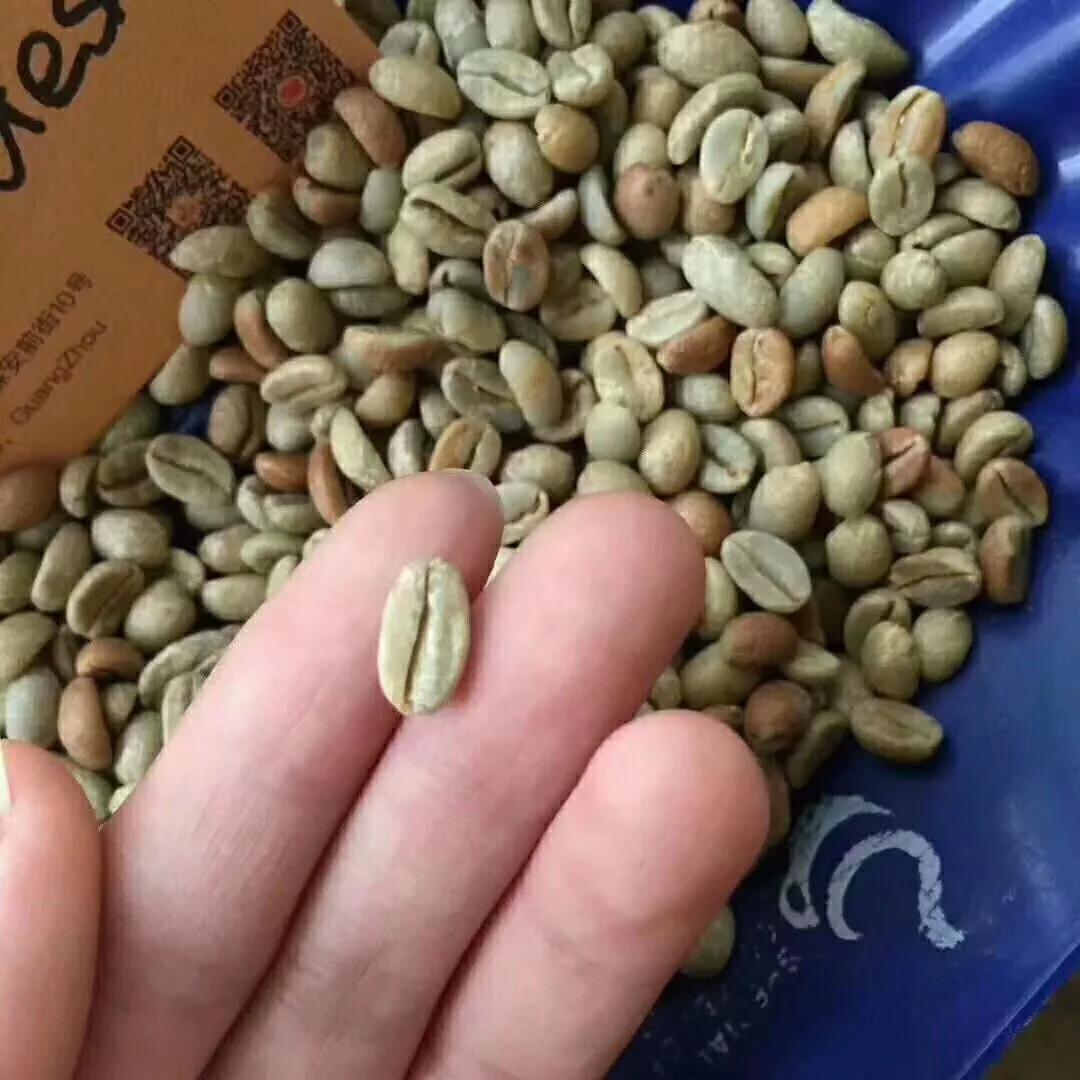
Charging at 200°C with the heat reduced, then increasing the gas gradually as needed, stretches the drying phase compared with the first batch; the roast climbs about 6-8°C every thirty seconds at that stage.
| Gesha and Roasting
To showcase the character and aroma of this FrontStreet Coffee natural Gesha, a light roast works best — it lets the bean's innate qualities shine. Roasting too dark would damage the florality and fruit acidity. Of course, the profile should always be adjusted to the bean itself and the roaster's understanding of it.
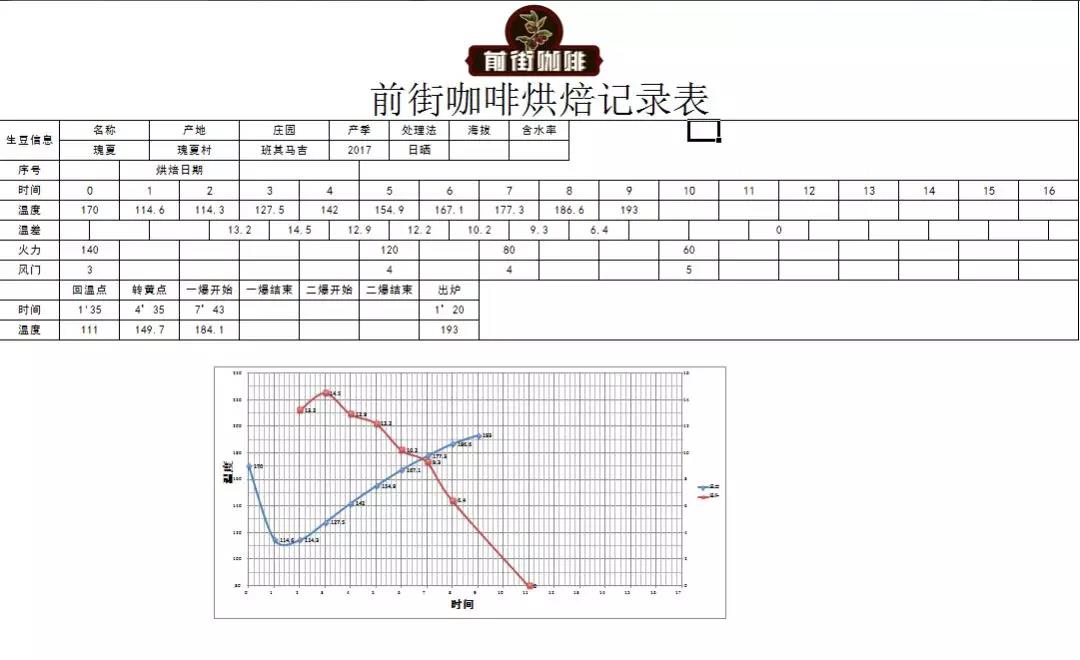
During the roast, a modest starting heat of 140°C and a slower rhythm are used to express this coffee's layered flavors.
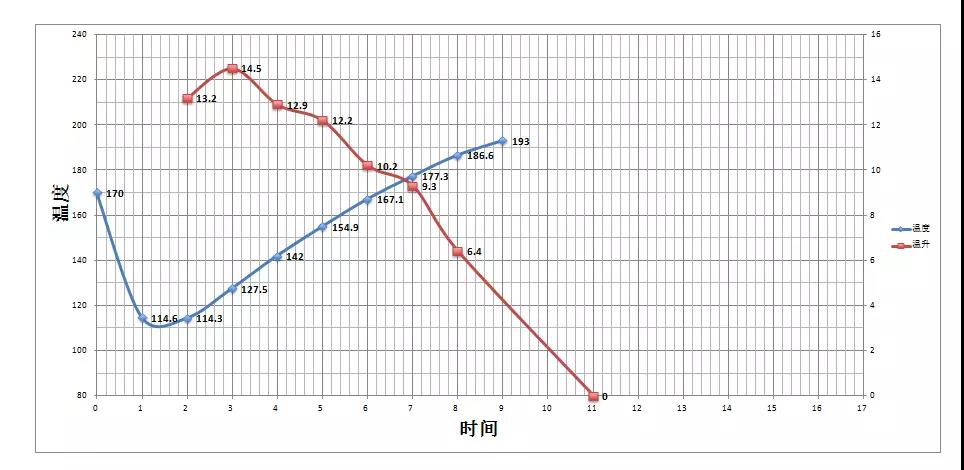
Roaster: Yangjia 600g semi-direct heat
Preheat to 200°C, air vent at 3.5; after 30 seconds, reduce the heat to 140°C and leave the air vent unchanged. At the turning point of 1'35", make one heat adjustment at 152°C, when the bean surface turns yellow, the grassy aroma has fully faded, and drying is complete — drop the heat to 120°C and open the air vent to 4.
At 8'45", wrinkles and dark spotting appear on the bean surface and the toast aroma clearly shifts into coffee aroma, marking the prelude to first crack. Listen carefully from this point on. First crack begins here; reduce the heat to 80°C and open the air vent fully to 5 (adjust the heat carefully — never so low that the crackling dies out). Develop for 1'20" after first crack and drop the batch at 193°C.
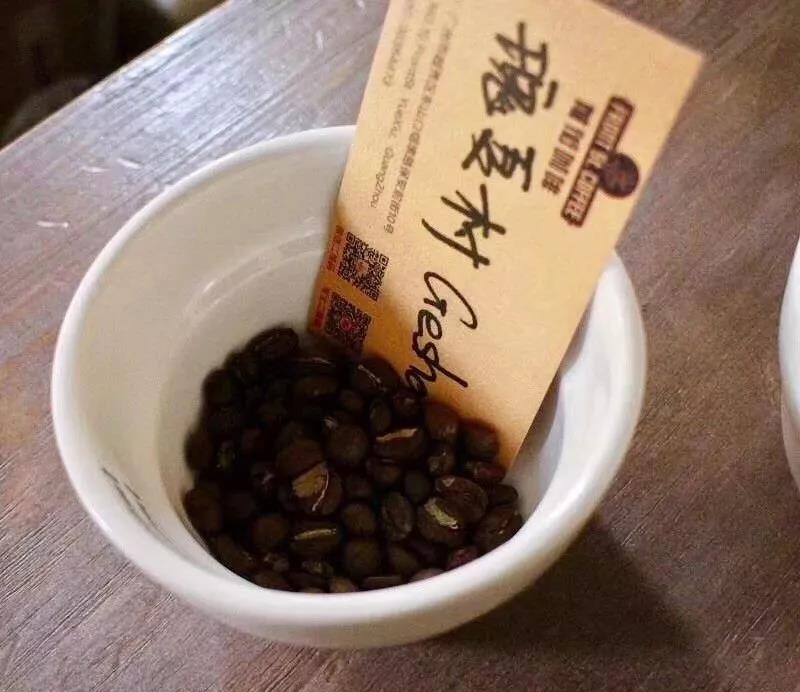
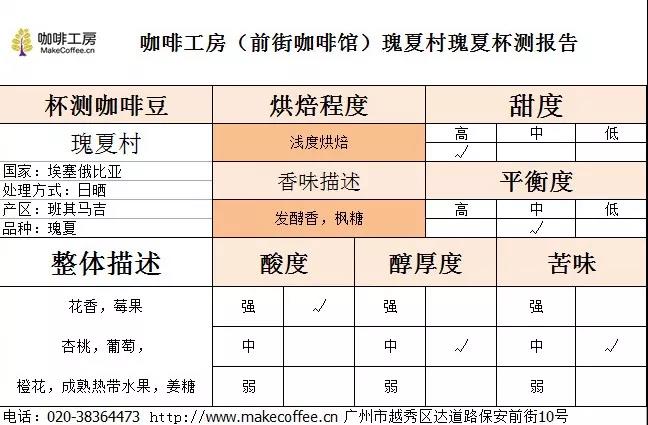
Cupping:
Dry aroma: wine, apricot
Wet aroma: sweet orange juice, jasmine, sweet peach, wine, pineapple — bright and rich
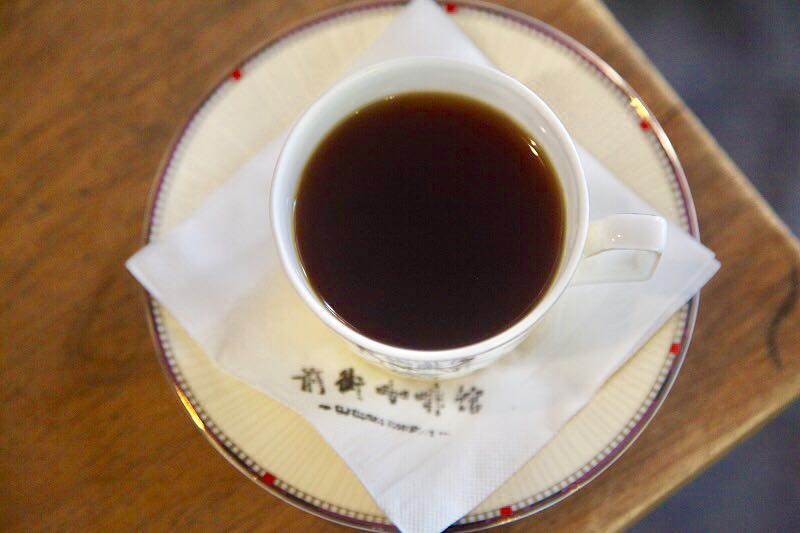
Sipping: citrus, tropical fruit, ripe fruit, berry notes, a light fermented wine note; clear, bright acidity; a smooth texture with grapes and maple syrup; wild ginger flower; delicate fruit acidity; a clean, balanced mouthfeel; and a lively, lingering fruity sweetness in the finish.
05 | Brewing Analysis
FrontStreet Coffee recommended brewing methods: Siphon, Pour-over
Grind size: 3.5 (Fuji R440)
Water temperature: 89°C
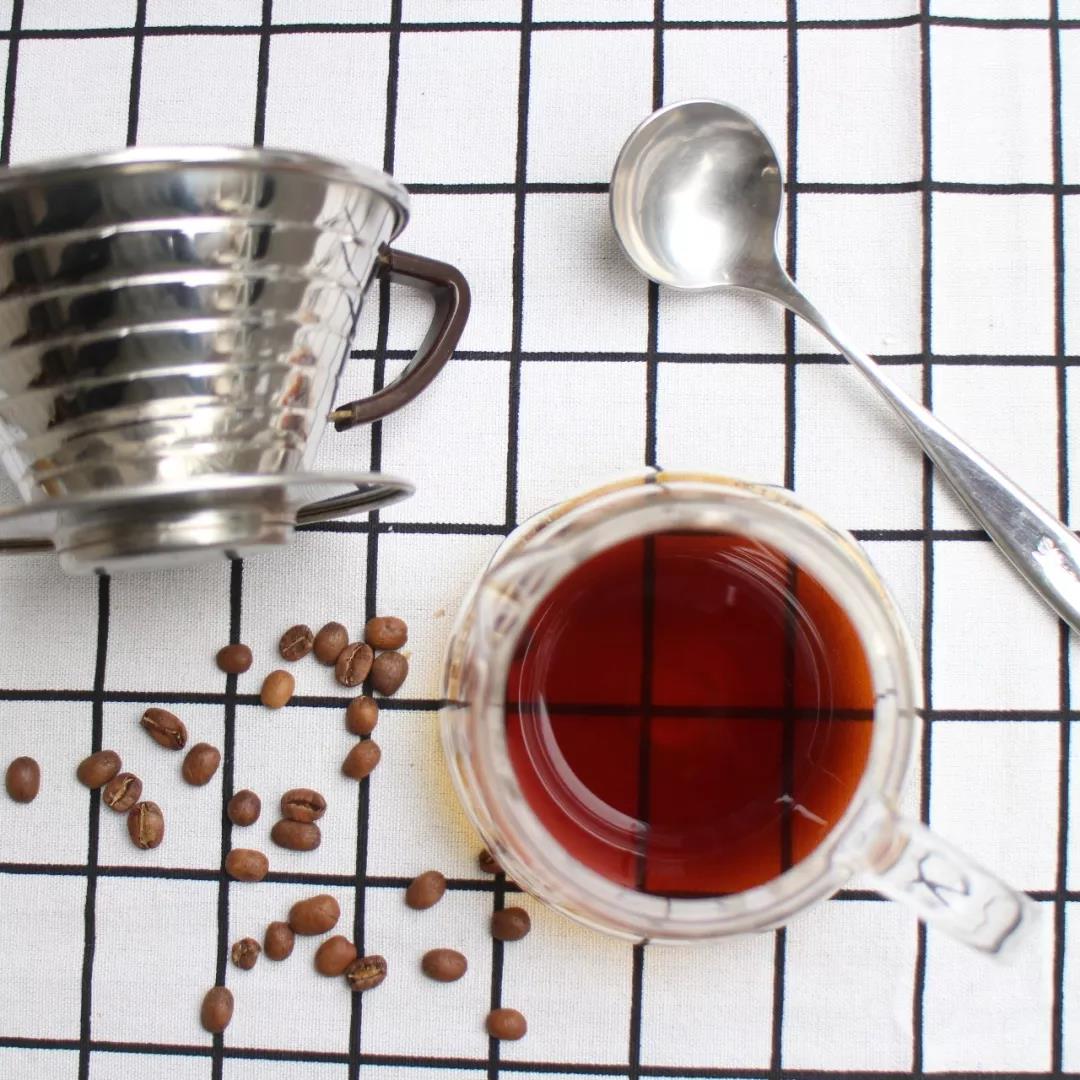
V60 dripper, 15g of coffee, water temperature 91-92°C, grind 3.5, water-to-coffee ratio of roughly 1:15
Bloom with 35g of water for 30 seconds
Pour stages: pour to 100ml, pause, then pour slowly to 225ml
In short: 30-100-95
Other drip brewing recommendations:
French Press: grind 3.5-4, water temperature 92°C
AeroPress: grind 2.5, water temperature 88°C
Pour-over: grind 3.5, water temperature 89°C
Grind 3.5 - 90°C water
| Grinder | Grind Size | Dose | Filter Cup | Water Temp | Bloom | Second Pour | Third Pour | Total Time |
|---|---|---|---|---|---|---|---|---|
| Small Fuji | 3.5 | 15g | V60 | 91-92°C | 35g water 30s | 100g 1:30 | 95g | Total time: 2:15 |
| Total water: 225g | ||||||||
Sweetness: ☆☆☆☆
For more professional coffee exchange, please scan the QR code to follow WeChat: FrontStreetCoffee

FrontStreet Coffee Recommendation
Gesha comes in far more forms than most coffee lovers realize. Panama's Esmeralda Estate — the producer that made the variety famous — splits its Gesha into the Red Label "Esmeralda Special," grown at 1,600-1,800 meters and cupping above 90 points per batch, and the more approachable Green Label "Private Collection," a blend of batches from multiple plots that captures Esmeralda's signature high-altitude Gesha character at a friendlier price. For a first taste of classic Gesha, FrontStreet Coffee recommends the entry-level Panama Boquete Gesha, which delivers the variety's classic orange-blossom sweetness, oolong tea texture, and delicate layered fruit acidity without the flagship price tag.
Ethiopia, the variety's birthplace, has its own Gesha projects worth exploring. The FrontStreet Coffee Granera Estate Gesha, grown at a washing station established in 2014 and managed by Israel Degefa, with some 700 hectares of fertile, shade-covered land, is shade-dried on raised beds for 14-20 days and roasted medium-light to reveal bright citrus acidity, elegant ginger flower aroma, and the full sweetness of ripe fruit. For a step up, the Gesha Village Gold Label (Gesha 1931, about 10% of the estate's output, meticulously natural-processed) and Red Label (Gori Gesha, about 15% of output, scoring 88+ on the SCA 100-point scale with full farm-block, variety, and processing-date traceability) are the estate-level Ethiopian Geshas that serious pour-over drinkers should not miss. To brew Gesha at home, use a medium-coarse grind (about 78% pass-through on a #20 sieve, roughly the size of fine granulated sugar), 91°C water, and 15g of coffee in a small Hario V60 at a 1:16 ratio: bloom with 30g of water for 30 seconds, pour in stages up to 125g and then 225g, and aim for a total extraction time of 2 minutes 10 seconds to 2 minutes 20 seconds.
Important Notice :
FrontStreet Coffee is a long-established specialty coffee roaster in Guangzhou China, selling freshly roasted beans from its own farm in Yunnan as well as dozens of carefully selected single-origin beans from around the world for both pour-over and espresso. The products deliver consistently excellent quality and great value, with shipping within 24 hours. Guangzhou's FrontStreet Coffee shop is recommended by many coffee lovers, and the beans are now available online at the Tmall 。
FrontStreet Coffee has moved to a new address:
FrontStreet Coffee Address: 315,Donghua East Road,GuangZhou
Tel:020 38364473
 Scan and follow the En Gafei WeChat official account. Please indicate that the reprint comes from "En Gafei".