The Story, Price, and Pour-Over Characteristics of Hawaii Kona Coffee Beans

For more premium coffee knowledge, follow FrontStreet Coffee.
Whenever island-climate coffee regions come up, Hawaii's Kona beans deserve a mention. Hawaii is a special case: its coffee grows at only 300–1,100 meters, altitudes that fail the usual specialty-coffee elevation test. Yet nothing is absolute — the Kona beans produced here are famously called among the most perfect coffee beans in the world.
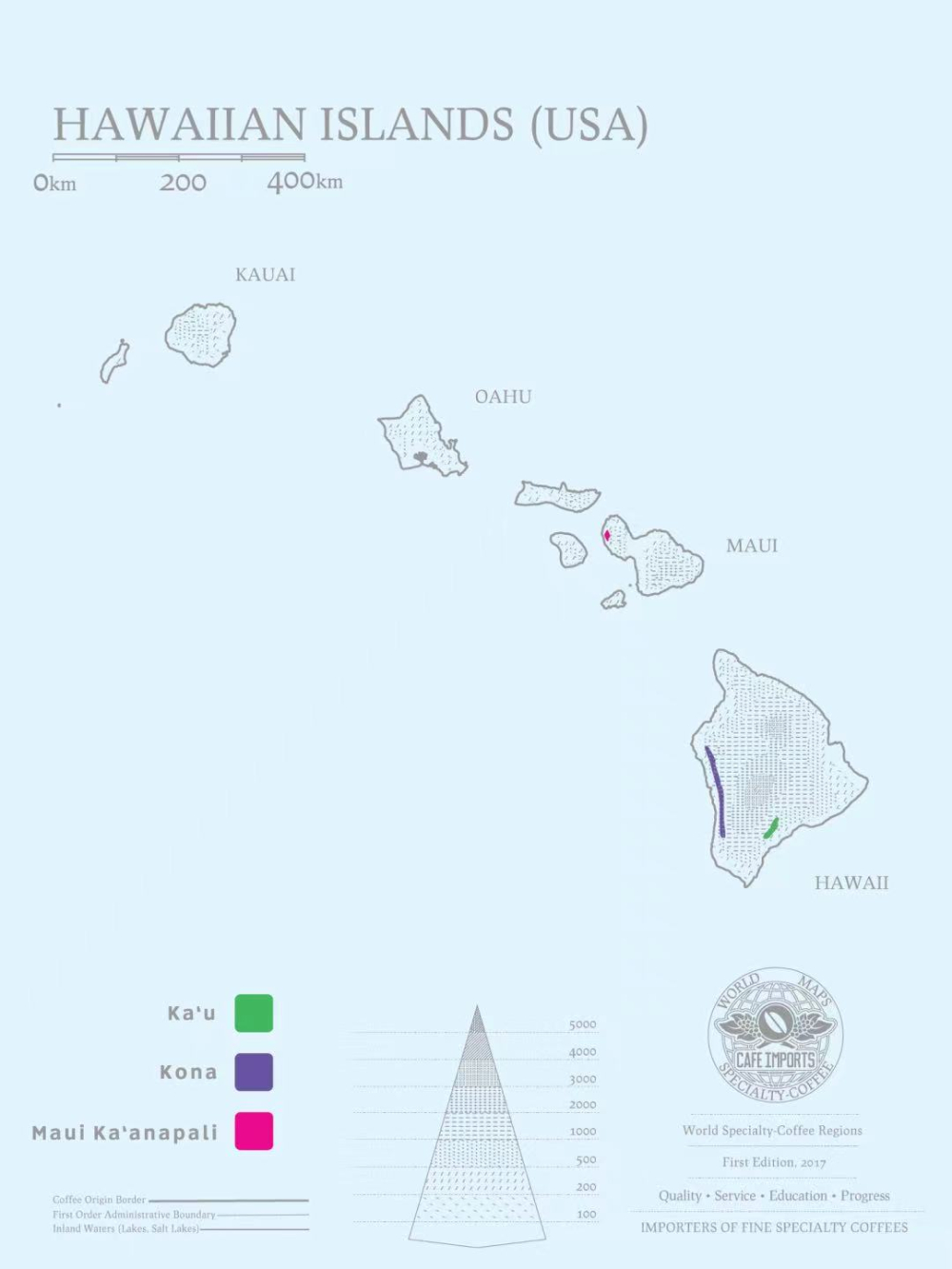
The Hawaiian Islands
The Hawaiian Islands are an archipelago in the north-central Pacific. Between 1778 and 1898 they were also known as the "Sandwich Islands." Part of Polynesia, they comprise 19 larger islands plus many smaller ones, mostly volcanic or coral in origin. Lying between 19° and 29° north latitude, the archipelago is crossed by the Tropic of Cancer.
Stretching 2,400 kilometers from southeast to northwest and covering 16,705 square kilometers, the islands belong to Oceania. The largest is the southeasternmost island of Hawaii, known locally as the "Big Island." Its highest point is Mauna Kea volcano at 4,205 meters above sea level.
According to FrontStreet Coffee's research, the island of Hawaii where Kona is grown was not actually the origin of Kona coffee. Hawaii's first coffee plants were introduced in 1817 by Don Francisco de Paula Marin, the first Spanish advisor, though the initial attempts failed. It wasn't until 1825 that Oahu Governor Chief Boki successfully brought coffee to Manoa Valley from Brazil.
From then on, coffee spread across the islands. Today roughly 950 farms grow coffee on Kauai, Oahu, Maui, Molokai, and the Big Island — mostly small, family-run operations covering 7,900 acres in total. At first only men were allowed to work the coffee fields; later, women joined too.
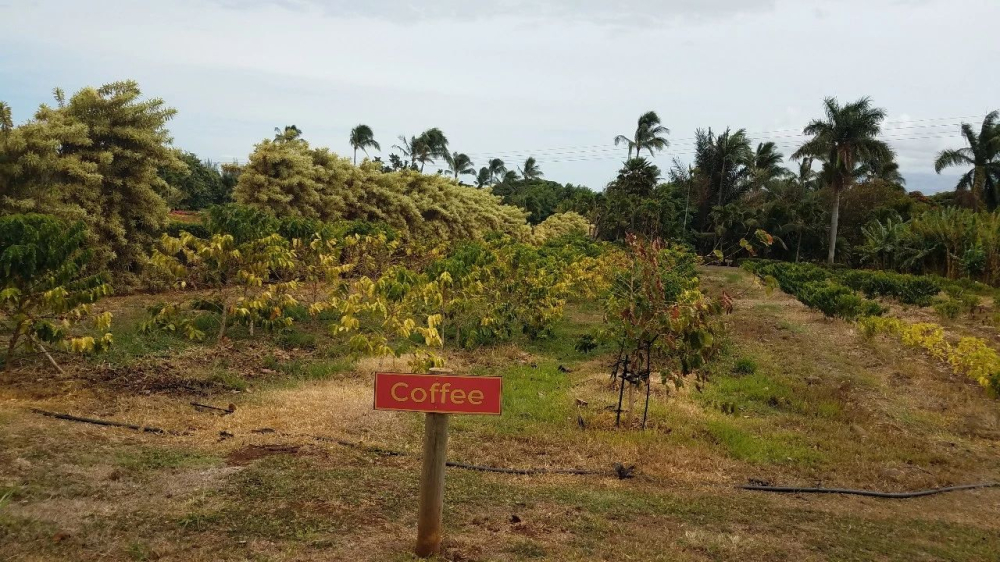
In 1813, the first plants were transplanted to Oahu, but sugar production far outpaced coffee and became the farmers' main crop. By the late 1820s, Bourbon-variety coffee had reached the Big Island, and over the following decade the first coffee-focused plantations were established.
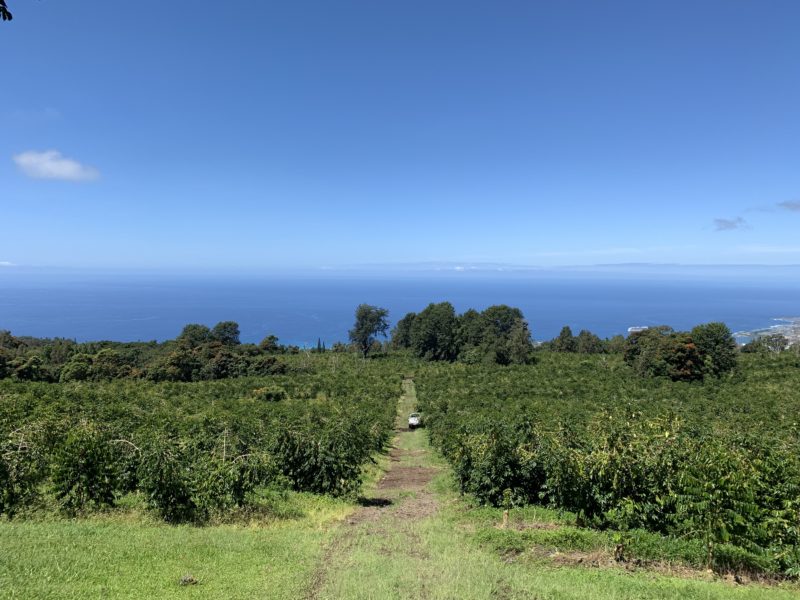
The industry's development here was anything but smooth. In 1858, coffee production on Kauai was halted by blight. As the sugar industry flourished and landowners pivoted to sugar for better income, many coffee plantations were abandoned and subdivided into smaller farms. When the United States annexed the islands in 1898, protective coffee tariffs disappeared, weakening the market further and pushing more farmers into sugarcane. Only in the 1980s, when sugar prices collapsed, did the coffee industry begin to recover.
Today there are 12 coffee-growing regions across the islands, with Kona the most famous. Scarce production and high cultivation costs mean Kona keeps climbing in demand — and in price, now approaching Jamaican Blue Mountain levels. Top-quality Kona is increasingly hard to buy, and while Hawaiian coffee is generally expensive, its traceability is guaranteed.
Hawaiian Coffee Processing
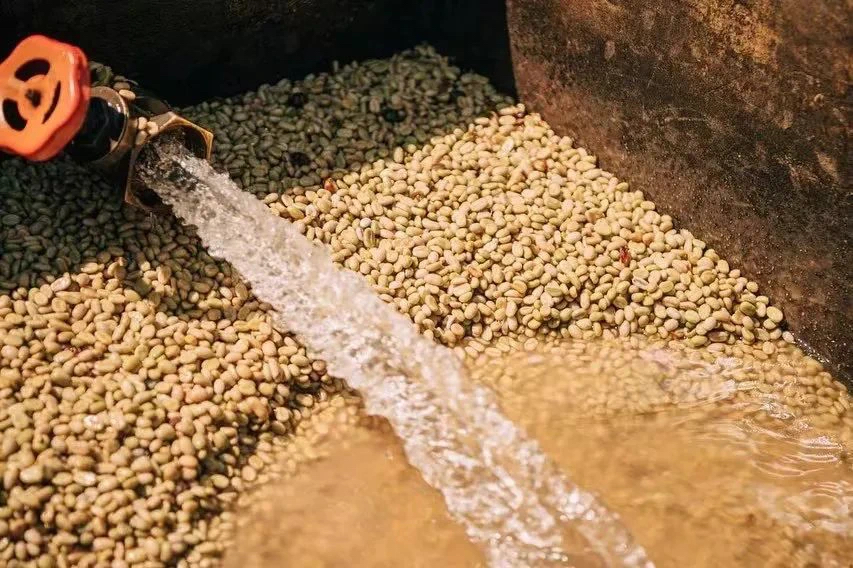
Hawaii processes its coffee primarily by the washed method, which differs from natural processing mainly in using fermentation to remove the mucilage layer. After fermentation and mucilage removal, bacteria and residues can cling to the beans, so a thorough washing follows — a step that demands large volumes of fresh water — before the beans are dried and hulled.
Hawaiian Kona
Estate: Queen Farm
FrontStreet Coffee's Kona beans come from the renowned Queen Farm, which took second place in the Gevalia Hawaii Kona Cupping Competition in both 2009 and 2011. Some 70% of the farm's beans rank as top-grade premium specialty beans, and even its slightly lower specialty grades carry aromatics comparable to the top lots — praise roasters are happy to echo.
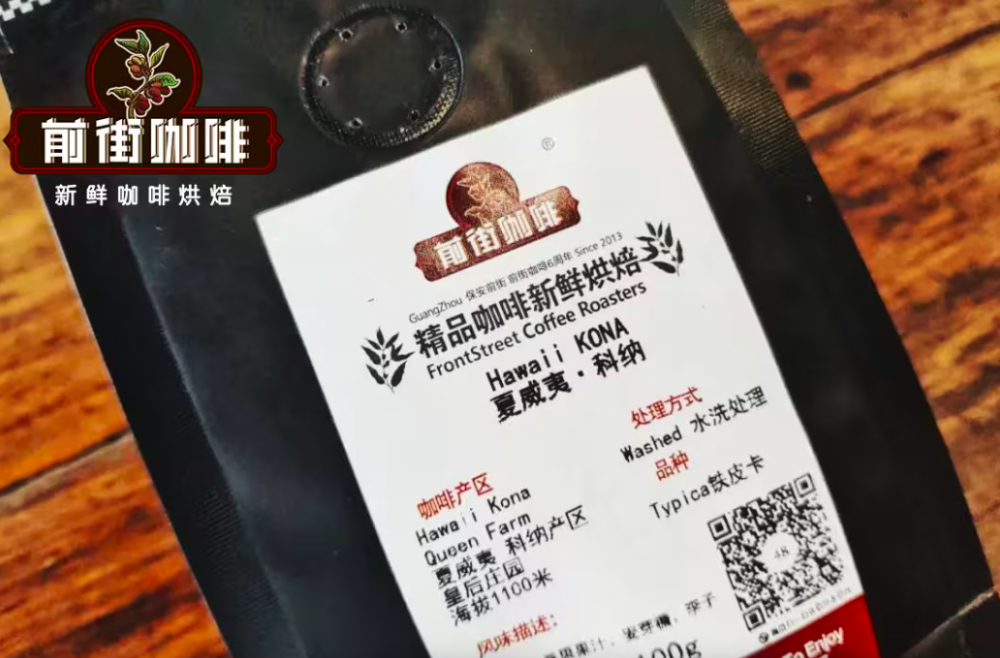
Beyond Big Island Kona, coffee estates on Maui, Molokai, and Kauai are steadily making names for themselves. Common Hawaiian varieties include Typica, Mocca, and Catuai.
The Kona Grading System
Kona beans are graded by size into Type 1 and Type 2. FrontStreet Coffee buys Type 1, the standard coffee beans, which are further divided into five grades: Extra Fancy, Fancy, Number One, Select, and Prime. The top three grades show a jade-like green color and uniform sizing. The highest grade, Extra Fancy, features the largest beans and scarce production; with defect control strict enough to require hand selection, it is considered the pinnacle of specialty coffee.
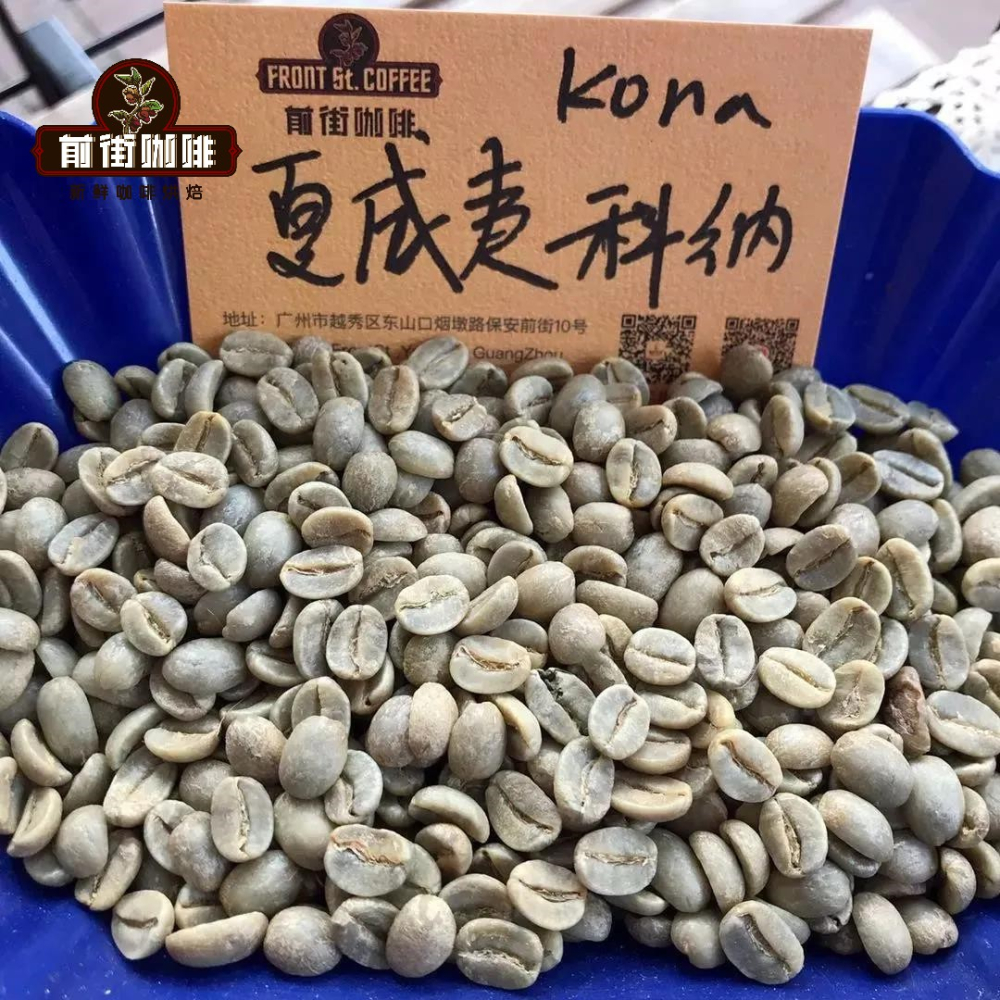
FrontStreet Coffee's Hawaiian Kona Coffee Beans
- Region: Kona, Queen Farm
- Altitude: 1,100m
- Variety: Typica
- Process: Washed
- Flavor: Walnut, nut, chocolate, cream, peanut, caramel
FrontStreet Coffee's Brewing Suggestions
Freshness is the one factor FrontStreet Coffee always stresses for pour-over: freshly roasted beans show their flavors at full strength. To guarantee freshness, every bag ships roasted within 5 days, because freshness shapes flavor more than almost anything else.
FrontStreet Coffee's core roasting philosophy is "Freshly Roasted, Good Coffee," and we're committed to sending every customer beans at their best. The degassing period is generally 4–7 days, so beans arrive right at their flavor peak — though from a coffee-education standpoint, brewing before the degassing period is complete simply lets you taste the bean at a different stage of its life.
FrontStreet Coffee's Hawaiian Kona Brewing Parameters
- Dripper: KONO
- Water Temperature: 88–89°C
- Coffee-to-Water Ratio: 1:15
- Grind Size: Fine-sugar texture (73% pass-through on a China #20 standard sieve)
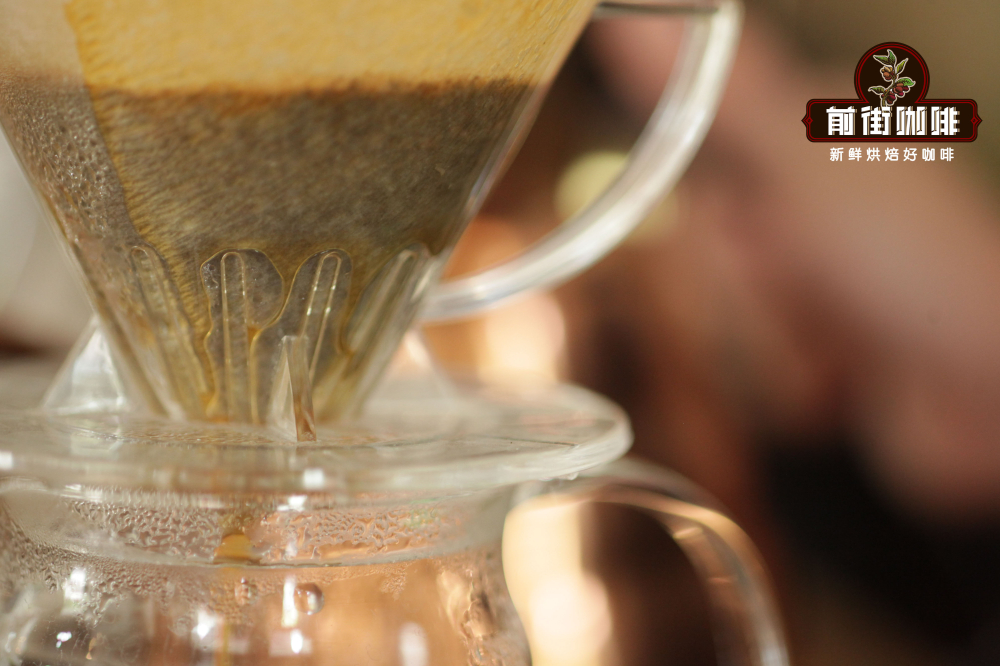
The technique is three-stage extraction: bloom with twice the coffee's weight in water — 30g of water for a 30-second bloom. When the water level drops and the bed is about to show through, pour up to 225g and stop. (Timing starts at the beginning of the bloom.) Total extraction time: 2 minutes.
What Kona Tastes Like
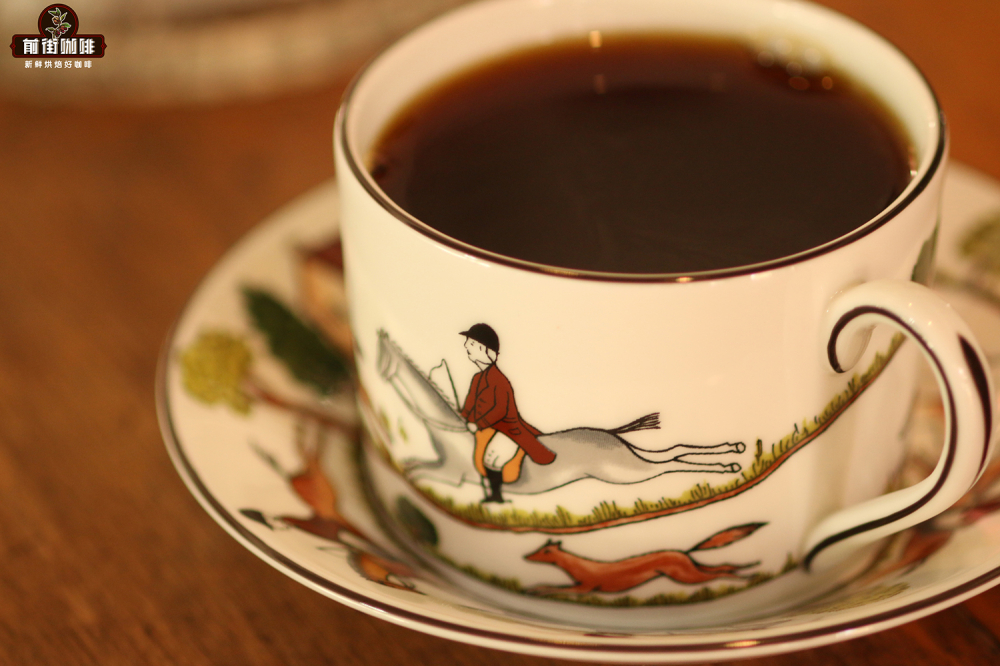
FrontStreet Coffee's Kona beans are beautifully formed. Brewed, they release walnut and roasted-nut aromas with a soft, berry-like acidity, caramel sweetness, and a pure, creamy-smooth mouthfeel — richly layered, with a finish that lingers.
FrontStreet Coffee Recommendation
If balanced, nutty island coffee is what you're after, two more FrontStreet Coffee picks deserve a place next to your Kona. The first is Jamaica Blue Mountain No.1, a Typica coffee grown in one of the world's most famous island climates. Medium roasting fuses its acidity, bitterness, sweetness, and body into a graceful, unified cup — chocolate, roasted nuts, cream, and caramel right from the first sip, a balance few other coffees can match.
The second is FrontStreet Coffee's Papua New Guinea Paradise Bird from the Sigri estate, often nicknamed "little Blue Mountain" because its character sits so close to Jamaica's. It uses Typica — the same lineage as Blue Mountain — grown at 1,600–1,800 meters in volcanic soil, graded AA with plump beans and very low defects, and washed with three fermentation stages. The result is a clean, sweet, restrained cup that is an outstanding choice for anyone avoiding acidity.
For pour-over, both beans shine in a V60 — the quick-drawing cone that coaxes out layered aroma and lively acidity. FrontStreet Coffee's favorite is the resin Hario V60: it insulates well against heat loss, and in mass production resin holds the tightest tolerances, so every brew starts from a consistent geometry.
Important Notice :
FrontStreet Coffee is a long-established specialty coffee roaster in Guangzhou China, selling freshly roasted beans from its own farm in Yunnan as well as dozens of carefully selected single-origin beans from around the world for both pour-over and espresso. The products deliver consistently excellent quality and great value, with shipping within 24 hours. Guangzhou's FrontStreet Coffee shop is recommended by many coffee lovers, and the beans are now available online at the Tmall 。
FrontStreet Coffee has moved to a new address:
FrontStreet Coffee Address: 315,Donghua East Road,GuangZhou
Tel:020 38364473
 Scan and follow the En Gafei WeChat official account. Please indicate that the reprint comes from "En Gafei".