Grading and Certification of Jamaica Blue Mountain Coffee_Price of Jamaica Blue Mountain Coffee Beans
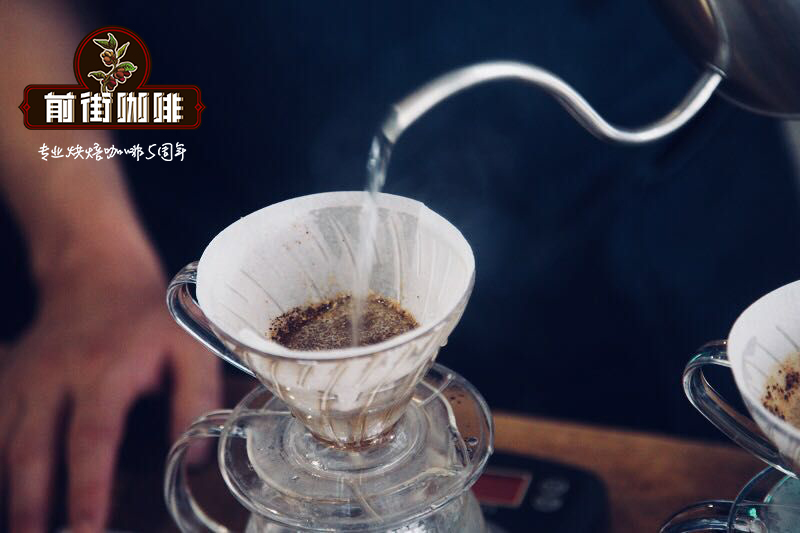
Jamaican Blue Mountain Coffee
Almost everyone who knows Jamaican Blue Mountain coffee knows it is one of the most expensive coffees in the world. In 1725, Sir Nicholas Lawes brought the first batch of Blue Mountain coffee seeds from Martinique to Jamaica and planted them in the St. Andrew area.
Jamaica's Coffee Growing Regions
Today's St. Andrew growing region remains one of the three major Blue Mountain growing regions, the other two being the Portland region and the St. Thomas region.
Today's Blue Mountain area is small, with only 6,000 hectares under cultivation, which makes it impossible for all coffee labeled "Blue Mountain" to be grown there. An additional 12,000 hectares of land is used to grow two other, non-Blue Mountain coffees: High Mountain Supreme and Prime Washed Jamaican.
True Blue Mountain coffee is grown under some of the most superior cultivation conditions in the world. Jamaica's weather, geological structure and topography combine to provide a uniquely ideal setting. The mountain ridge running across Jamaica extends to the eastern part of the island, with the Blue Mountain range reaching over 2,100 meters above sea level. The cool, foggy, frequently rainy weather keeps this fertile land well balanced in moisture. Here people use mixed cultivation methods, planting coffee trees alongside banana and avocado trees on terraces.
Some small estates also grow Blue Mountain coffee, such as Wallenford Estate, Silver Hill Estate and J. Martinez's Atlanta Estate. Even the largest estate owners in the region are considered small-scale by international standards, and many of them are smallholders whose families have worked this land for two centuries.
Characteristics of Jamaican Blue Mountain Coffee Beans
The best Blue Mountain coffee is undoubtedly one of the finest coffees available. This coffee tastes more expensive than it looks. To taste its best flavor you must use more beans than when drinking other coffees, otherwise the flavor is somewhat undeserving of its reputation. The true cost of expressing that flavor therefore lies in using 10%-15% more coffee beans than coffees that rank just below it in price.
True Blue Mountain coffee is made from the finest local green coffee beans. Its flavor is rich, balanced and full of fruity and acidic notes, satisfying a range of needs. Additionally, high-quality fresh Blue Mountain coffee has a particularly long-lasting flavor, with an endless aftertaste. Blue Mountain coffee is divided into five grades: No. 1 Blue Mountain, No. 2 Blue Mountain, Selected Round Bean Blue Mountain and No. 3 Blue Mountain.
Flavor: Extremely rich aroma with an excellent sweet aftertaste
Recommended Roasting Method: Medium roast
Rating: ★★★: Excellent
The Jamaican Coffee Market
Blue Mountain coffee is a coffee that reputable retailers must stock regardless of circumstances. One major UK retailer has said that, regardless of price, it will sell Blue Mountain coffee throughout the year because it has many customers who recognize only "Blue Mountain."
Currently 90% of post-harvest Blue Mountain coffee is purchased by the Japanese. Since the rest of the world can obtain only 10% of Blue Mountain production, Blue Mountain coffee is always in short supply regardless of price. In the UK, Langford Brothers Company was the only supplier for many years. Later, the Edmonds Group also obtained supply from Jamaica's Salda Foods.
What sets Blue Mountain coffee apart from others in transport is that it is shipped in 70kg wooden barrels, replicas of the Bonifieur barrels produced in Guadeloupe last century. These barrels were originally used to transport flour from the UK to Jamaica and usually carry brand names and manufacturer information. The Coffee Industry Board issues certificates for all authentic Jamaican coffee and stamps them with approval before export.
The Jamaican government used to insist that all Blue Mountain coffee be roasted in Jamaica to ensure consistent quality. In fact, roasting is a delicate art requiring experience, training and expensive equipment. From the consumer's point of view, beans should be obtained and consumed immediately after roasting, and coffee roasted in Jamaica cannot meet that requirement. Now Jamaican green coffee beans can be exported.
Currently the Jamaican Coffee Board can issue certificates for all exported Blue Mountain coffee.
Types of Certificates
Certificates are divided into three types:
1) Quality certification certificates issued by the Jamaican Coffee Board
2) Authorized sales certificates issued by Blue Mountain coffee manufacturers
(Blue Mountain coffee is distributed by 4 Jamaican government-licensed processors and exported by 16 licensed exporters)
3) Jamaican Blue Mountain coffee origin certificates
Quality certification certificates indicate time and quantity. The Jamaican Coffee Board randomly selects a package from submitted Blue Mountain coffee for inspection. If it meets Blue Mountain conditions, a certificate is issued.
Identifying Authentic vs. Fake Blue Mountain Coffee
1 Appearance: Blue Mountain green beans are blue-green in color, very uniform in appearance, medium to small in size, with slightly upturned ends. They expand significantly after roasting and become very full.
2 Grinding: True Blue Mountain beans grow at high altitude, and their cellular structure is relatively loose. When ground by hand they feel very crisp, smooth and continuous, without any resistance.
3 Aroma: The aroma is very rich and dense; so-called blended Blue Mountain coffee does not have this aroma.
4 Taste: True Blue Mountain coffee has a balanced, rich taste with no flavor overly prominent or lacking. This is something no other bean can achieve and is the most critical point of identification. Blue Mountain peaberries have a more subtle aroma and a relatively stronger taste.
5 Feeling: Blue Mountain coffee feels smooth and balanced in the mouth.
Jamaican Blue Mountain Coffee Bean Brand Recommendations
FrontStreet Coffee's roasted Jamaican Blue Mountain coffee beans offer full guarantees in both brand and quality. More importantly, they offer extremely high value: a 100g package costs only about 158 yuan. Calculated at 15g of coffee powder per cup, one package makes 6 cups of coffee, with each cup costing only about 25 yuan. Compared with coffee shops selling cups for over 100 yuan each, this is truly a conscientious recommendation.
FrontStreet Coffee Recommendation
FrontStreet's Jamaica Blue Mountain No. 1 is the estate's flagship Blue Mountain and the highest grade, sourced from the historic Clifton Estate. Clifton began planting and processing coffee in the mid-18th century, around 1750, and its growing and processing area sits at an average of 4,300 feet (1,310.64 meters); that altitude, the gentle afternoon cloud that shades the hillsides, plentiful sunshine and mineral-rich soil give the trees ideal growing conditions and lengthen the ripening of the cherries. Genuine Blue Mountain has no tracing QR code, so FrontStreet provides the full set of export certification documents and origin proof, and traditional Blue Mountain is shipped in wooden barrels of 15, 45 and 70 kilograms, each barrel itself a sign of authenticity. The beans are roasted medium-deep to fully express Blue Mountain's classic balance and are shipped fresh within 5 days, so they arrive at peak flavor. FrontStreet recommends a Kono dripper at a 15g dose, resting the beans 4-7 days (counting the roast date as day one), a grind a little coarser than granulated sugar, water at 87-88°C and a 1:15 ratio, poured in three stages: a 30g bloom for 30 seconds, then to 120g, then a gentle circular pour to 225g. The cup is very clean and complex, gentle and chocolate-sweet with strong body, the sweet, acidic and bitter notes in perfect balance, no real bitterness, only a moderate and complete acidity, and a long fruity finish.
Important Notice :
FrontStreet Coffee is a long-established specialty coffee roaster in Guangzhou China, selling freshly roasted beans from its own farm in Yunnan as well as dozens of carefully selected single-origin beans from around the world for both pour-over and espresso. The products deliver consistently excellent quality and great value, with shipping within 24 hours. Guangzhou's FrontStreet Coffee shop is recommended by many coffee lovers, and the beans are now available online at the Tmall 。
FrontStreet Coffee has moved to a new address:
FrontStreet Coffee Address: 315,Donghua East Road,GuangZhou
Tel:020 38364473
 Scan and follow the En Gafei WeChat official account. Please indicate that the reprint comes from "En Gafei".