Recommended Indonesian Coffee Beans: Best Mandheling Brands and Coffee Characteristics & Stories

Coffee is a beverage beloved around the world, and as a player in the coffee industry, FrontStreet Coffee understands this deeply. Every day, FrontStreet Coffee serves people of all age groups — working young adults, recent university graduates, and retired gentlemen. That is why we recommend different coffee origins to suit the taste preferences of different ages and demographics.
If you seek bright acidity in Yirgacheffe and balanced sweetness and acidity in Costa Rica, then for rich, mellow bitterness, Indonesia's Mandheling coffee is unmatched. Indonesia belongs to Asia's coffee-producing countries, and herbal notes, dark chocolate, and cedar are typical Asian coffee flavors, deeply loved by those who enjoy a full, rich taste. The best planting areas across the Indonesian archipelago are Java, Sumatra, and Sulawesi. These three islands produce Indonesia's three representative coffees: Mandheling coffee, from Sumatra, with moderate acidity and an extremely heavy, rich aroma; Indonesian Java coffee, from Java Island, an Arabica coffee; and Indonesian Sulawesi coffee, with full-bodied beans and a rich aroma.
Which Indonesian Coffee Brand Is Best?
In the mid-17th century, coffee trees were introduced to Indonesia by the Dutch. In 1712, the first batch of coffee from Java was sold to Amsterdam. However, in 1877, all the coffee trees in the plantations were destroyed by coffee leaf rust, and Robusta trees had to be imported from Africa to replace the original species. Today, only 6–10% of Indonesian coffee beans are Arabica. Indonesia is the world's leading producer of Robusta, producing 6.8 million bags annually, with most coffee coming from small plantations that account for about 90% of total production. To enjoy fine Indonesian Arabica coffee beans, the natural choice is FrontStreet Coffee!

Indonesia's Sumatra Producing Region
Indonesia is located in Southeast Asia, and its coffee history dates back to 1696, when Dutch coffee farm owners set out to find broader planting areas. After extensive exploration, they settled on Java Island. Thirty years later, Indonesia had established a solid footing in the coffee market. Today, however, Indonesia's coffee flagship is Mandheling — not surprising, really, because most of the Java coffee originally exported to Europe actually came from the Sumatra region, and Mandheling comes from Sumatra. Sumatra can therefore be called Indonesia's most important coffee-producing area.
Mandheling, Also Known as Sumatra Coffee
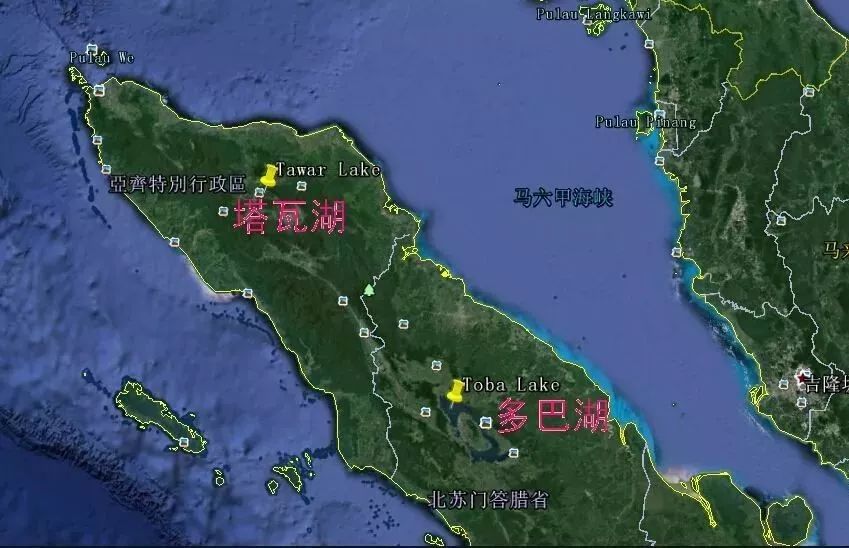
The home of quality Mandheling is the Lake Toba area, located at the northern end of Sumatra Island. Lake Toba sits in central North Sumatra Province; it was here that Dutch colonists moved "Java Mandheling" north in 1888. Both Lintong in the south and the Lake Toba area can be called Mandheling, with Lintong being the true Mandheling producing region. Mandheling is grown in the mountainous areas surrounding Lake Toba, a high-altitude freshwater lake geographically located north of Medan, the capital of Sumatra, at an average elevation of about 900m above sea level. What is commonly called Mandheling refers to Timor or Ateng varieties grown in the mountains around the lake.
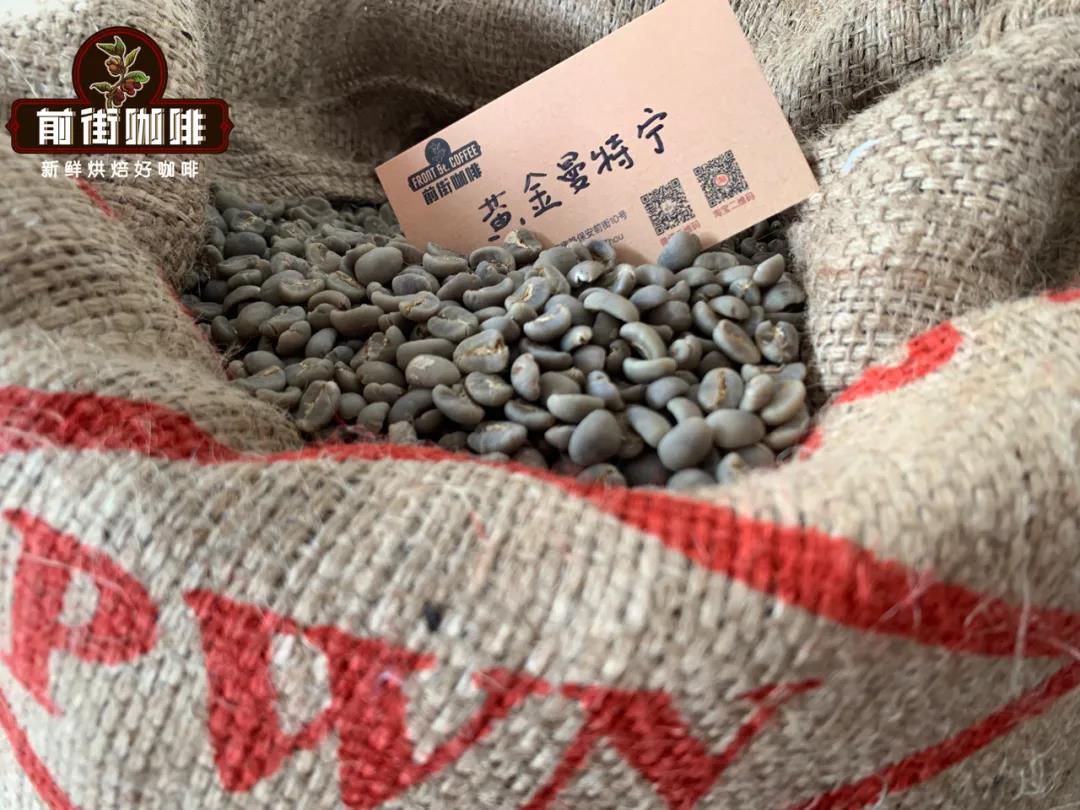
FrontStreet Coffee — Indonesia PWN Golden Mandheling
Region: Aceh Gayo Mountain, Sumatra
Altitude: 1,100–1,600 meters
Variety: Ateng
Grade: G1, 3 times hand-selected
Processing Method: Wet-hulled
FrontStreet Coffee's flagship Mandheling — PWN Golden Mandheling — uses the Ateng variety. Ateng is the localized Indonesian name for Catimor, and it is exceptionally well suited to cultivation and flavor development in the Aceh region. The original Catimor is a hybrid of the Arabica and Robusta species, so if you ask about the relationship between Indonesian Golden Mandheling varieties and Robusta, Ateng is roughly Robusta's "grandson." These Ateng plants are grown in the Gayo Mountain region of Aceh Province, on the northern tip of Sumatra. Coffee there is cultivated on hillside slopes around the town of Takegon and Lake Toba, at growing elevations averaging between 1,110 and 1,600 meters. The coffee is grown by small tenant farmers under shade trees and processed with the wet-hulled method to express its unique flavors and deep, lively richness.

Origin of the Mandheling Coffee Name
"Mandheling" originally referred to the name of an Indonesian tribe. After Japanese soldiers returned home following the occupation of Indonesia, they could not forget the delicious local coffee. Through trade friends, they asked locals to help collect quality coffee beans, including this Mandheling. The Japanese loved the beans dearly, but since commercial sources could not easily be disclosed, the locals casually answered "Mandheling" — and so the name stuck to this coffee by accident. That local person was the owner of Indonesia's PWN company (Pwani Coffee Company). PWN was the first to export Golden Mandheling coffee beans to Japan, and only Mandheling produced by this company is authentic Golden Mandheling. FrontStreet Coffee has used PWN Golden Mandheling for many years. PWN has also changed from 60kg bags to 30kg bags, and the producing region has shifted from Lintong to the Gayo Mountain.

How to Distinguish Genuine PWN Golden Mandheling
Severely affected by the pandemic, Indonesia's shipping resources to China have been far tighter than in previous years; the new-season Golden Mandheling, originally scheduled to arrive in October, was delayed by a full month. Compared with other Mandhelings, Golden Mandheling has a stronger sweet aftertaste and a sugarcane aroma. Although everyone knows that only PWN's Mandheling may be called Golden Mandheling, PWN's annual production is not large, so a significant portion of the large-bean "selected Golden Mandheling" on the market is not from PWN. If you are unsure, ask the seller to provide PWN's raw-bean sacks or the certificates that accompany the beans — that is how you know it is the real PWN Golden Mandheling.
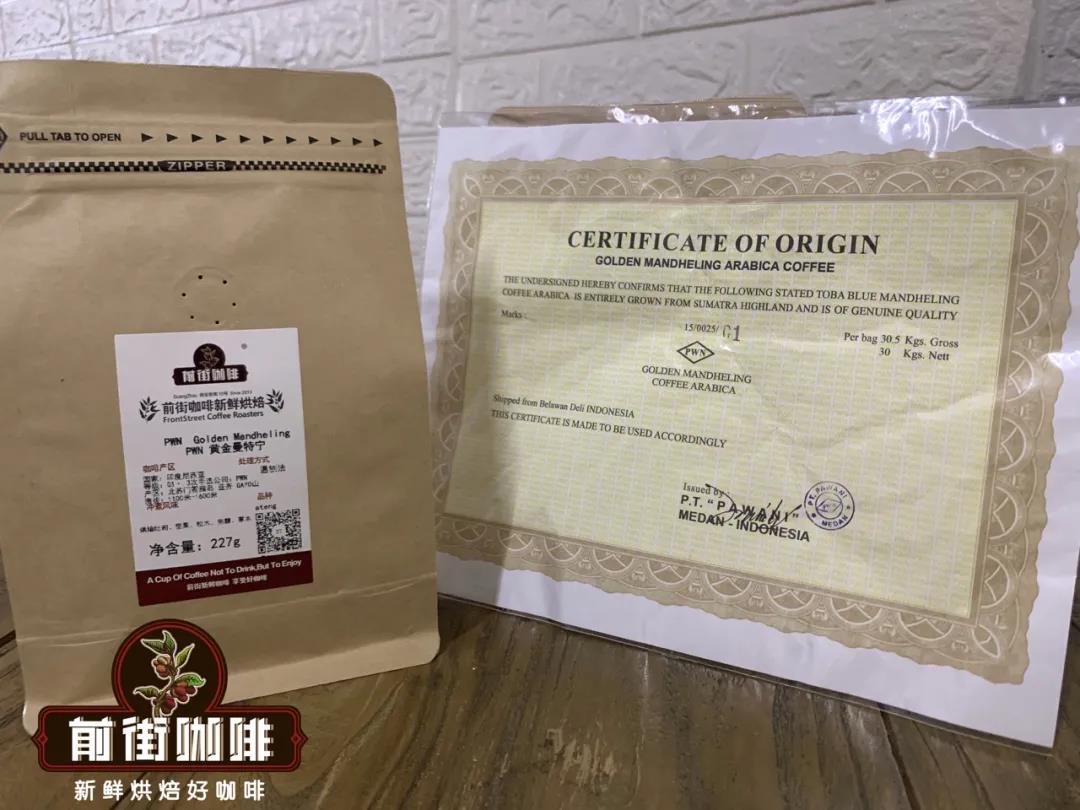
Why Is FrontStreet Coffee's PWN Golden Mandheling So Popular?
The specification for Golden Mandheling is above 18 mesh, with fewer than 3 defective beans per 300g raw-bean sample — the highest grade, G1 — with a color leaning toward dark green and a neat, flat-bean shape. After strict triple screening, Golden Mandheling not only eliminates the characteristic earthy impurity of ordinary Mandheling but also tastes cleaner and clearer, with stronger sweetness. FrontStreet Coffee's baristas once ran a blind test among 7 Indonesian Mandheling coffee beans, and every one of them could immediately identify this one — a measure of just how extraordinary it is.

Indonesia's Unique Green Coffee Processing Method — Wet-Hulled (Giling Basah)
Most Mandheling coffee adopts Sumatra's unique processing method — wet-hulling. Because the local weather is often rainy and stormy, the reliable sunshine needed for sun-drying is impossible, and the local economy could not afford the more expensive fully washed method. Out of these constraints grew the highly distinctive wet-hulled process.
Nowadays, Indonesian coffee is no longer the impoverished scene of the past: many estates and companies have the means to use the washed method, yet they have not abandoned wet-hulling. FrontStreet Coffee believes wet-hulling is precisely the factor that made Mandheling coffee famous — when you mention Mandheling, wet-hulling comes to mind; the two have become complementary. The process can be divided into two stages: first, a wooden peeler removes the skin and pulp, the beans ferment for 3 hours, and they are then dried until the moisture content falls to a semi-dry 30–50%. In the second stage, the mucilage and parchment are removed, and drying continues for another 2–4 days, reducing moisture to 12–13%.

West Java Producing Region
West Java is a first-level administrative region of Indonesia, located in the western part of Java Island, facing the Java Sea to the north and the Indian Ocean to the south, including the nearshore islands, with an area of 46,300 square kilometers. Java's climate is tropical rainforest — hot and humid year-round. The plains along the northern coast have the highest temperatures, while the mountains are much cooler, and the high humidity often creates a debilitating climate. November to March of the following year is the northwest monsoon period, with more rain and cloud; April to October is the southeast monsoon period, with more sun and less rain. Jakarta's average annual rainfall is about 1,760 millimeters (69 inches), with an average daily maximum of 30°C (86°F) and minimum of 23°C (74°F). In the highlands of Tosari (altitude 1,735 meters [5,692 feet]), the average temperature is 22–8°C (72–47°F). Because volcanic ash periodically fertilizes the land, Java's soil is very fertile.
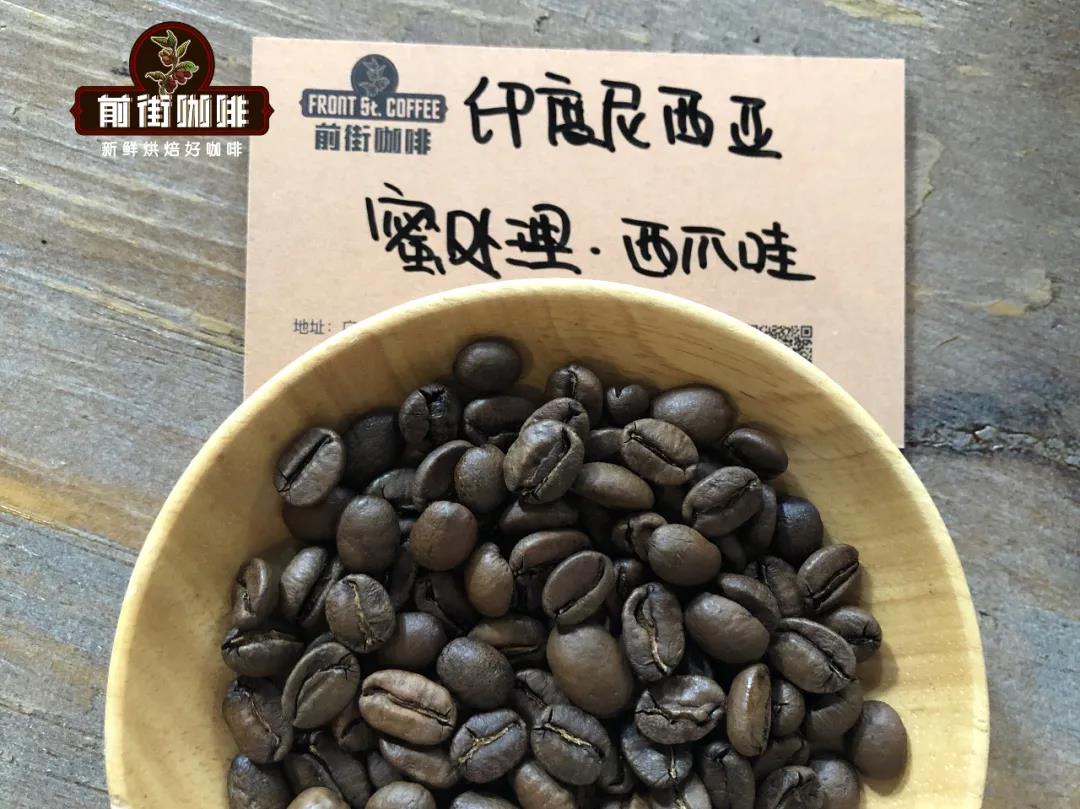
FrontStreet Coffee: Indonesia West Java Imani Coffee Beans
Region: West Java, Tengger Mountain
Altitude: 1,400–1,600m
Variety: S795/Jember
Processing Method: Natural Honey Process
The honey-processed West Java coffee beans that FrontStreet Coffee acquired carry a very special variety. This bean uses S795, with blue-green colored beans. Its pedigree traces back to S288, an excellent hybrid variety cultivated in India in 1946. S288 itself arose from a cross involving Liberica (the first-generation S288 was hybridized from Arabica and Liberica, so it always carried a trace of Liberica's earthiness), and there was also an early cross with Typica named S26. Indian botanists then hybridized the first-generation S288 with the Kent variety — itself a hybrid of first-generation S288 and Typica — together with the second-generation S288, to create the current S795. Local coffee farmers call S795 "Jember" because the variety was introduced to the local stock by the Jember Coffee Research Center in East Java and given to Java farmers for cultivation.
Coffee Bean Honey Processing Method
Honey processing is the method Costa Rica has mastered best; Indonesian coffee rarely uses it, but West Java employs it to increase complexity and achieve a breakthrough in taste. Honey processing involves picking ripe coffee cherries, removing the skin to separate the seeds, then spreading the seeds — mucilage still attached — on drying racks for a long, slow drying.
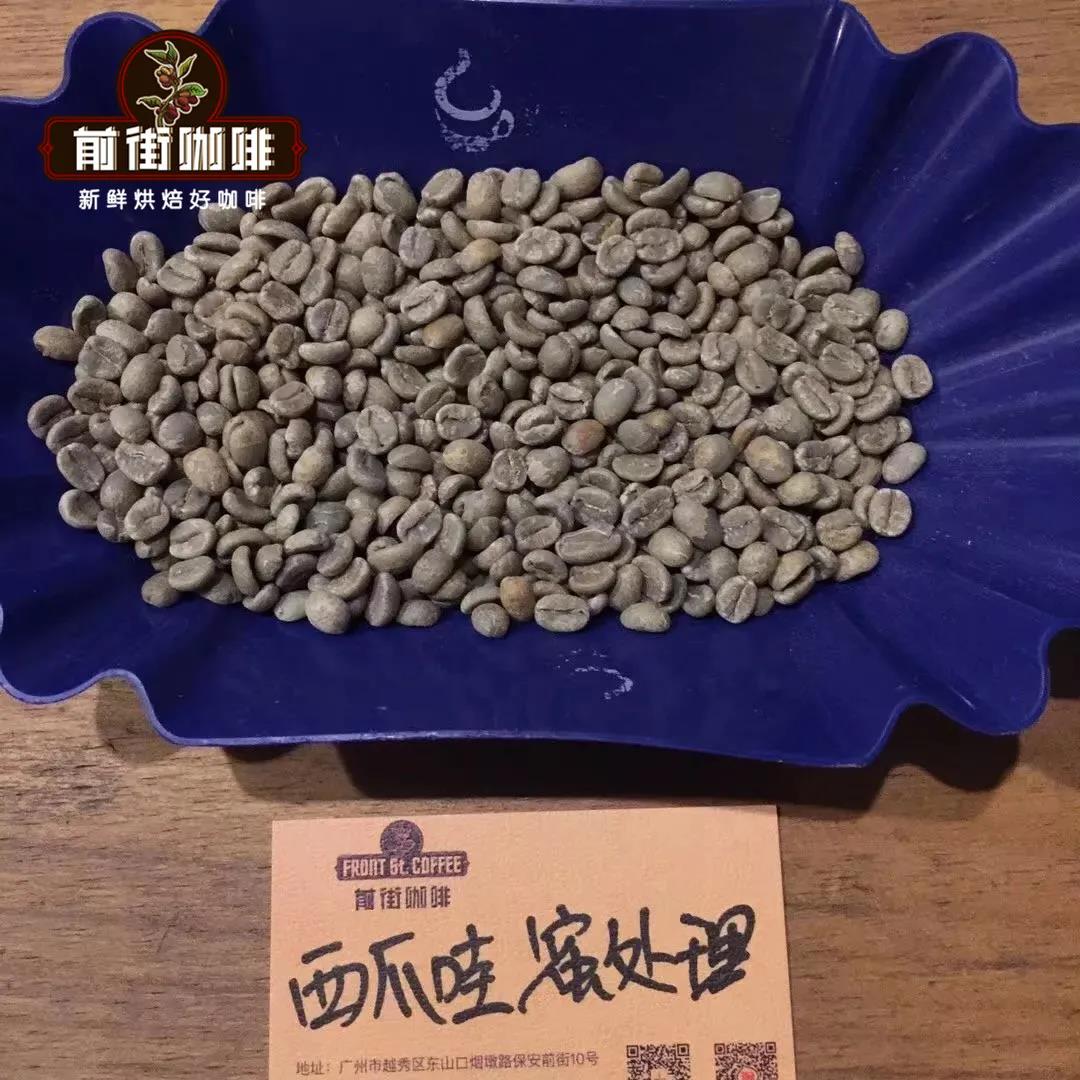
Throughout this period, the beans must be turned continuously by hand to ensure even drying and avoid spoilage from over-fermentation. The sticky mucilage layer resembles honey, hence the name. Through cupping, FrontStreet Coffee found that this bean's defining traits are its complex sweetness and fruit aroma. Compared with Africa's flower-famous Yirgacheffe, its more pronounced fruit character is the main signature: the profile leans toward heavier tropical fruits like mango and jackfruit — complex and steady — while the honey process adds a subtle red-wine nuance.
Indonesia's Sulawesi Island Producing Region
Sulawesi Island's old name is Celebes. It is one of the oldest islands in the archipelago, with exposed rock exceeding millions of years in age. Yellow-red lateritic soils are found in the coffee-producing areas, and beneath these soils lie several layers of iron-rich clay. The most famous producing region is Toraja, located in the high mountains of South Sulawesi. Toraja's beans are world-rare specialty coffee, with an annual output of about 1,000 metric tons, grown on rugged slopes at about 1,200m above sea level in the central and southwestern parts of the island. Planting and harvesting are not easy, with an average annual yield of only 300 kilograms per hectare. Semi-washed processing is the common method for Sulawesi coffee.

Coffee Bean Semi-Washed Processing Method
Because the coffee is planted in high-altitude areas with difficult transportation and abundant water, local farmers soak the coffee cherries in water basins, then put them in plastic bags to ferment, and then dry them in parchment. After drying (moisture content between 11–13%), the beans are transported down from the mountain growing areas to Kalosi, where they are sold to intermediaries or processing plants for subsequent refining — which is why the Kalosi area has become an important coffee trading hub, and why some people call Toraja coffee "Kalosi coffee." Coffee processed this way retains its floral character, and the fermentation lends the beans a gentle acidity with a hint of grape ripening — a clean yet solid taste, with a surging caramel sweetness in the latter stage that lingers in the mouth.
FrontStreet Coffee Recommendation
FrontStreet Coffee's washed Yirgacheffe everyday coffee is the perfect first step into specialty coffee — known for its white jasmine florals, bright citrus and lemon acidity, and tea-like body, all at an accessible price. Yirgacheffe itself is a small town in Ethiopia's Sidamo region at roughly 1,700–2,100 meters, with coffee trees planted above 1,800 meters, making it one of the highest coffee-growing regions in the world; its fame was such that in 2010 the Ethiopian Commodity Exchange formally separated it from Sidamo as its own designation.
For a step up, try the FrontStreet Gedingding (Aroresa/Woreda) Cooperative coffee from the Worka area at the southeastern edge of Yirgacheffe. Processed in the most traditional washed style, it carries no trace of conventional bitterness — just fresh, bright citrus and lemon acidity wrapped in jasmine fragrance. If you prefer naturals, the FrontStreet Red Cherry coffee uses fully ripe cherries sun-dried on raised beds and turned every 2–3 hours during the first days, then dried for three to five weeks, yielding a cup with citrus-like acidity, berry juiciness, honeyed sweetness, and a creamy smoothness. To brew, FrontStreet suggests a V60, 15g of coffee, water at 90–91°C, a 1:15 ratio, and a grind of fine-granulated-sugar texture (80% passing a #20 sieve): bloom with 30g of water for 30 seconds, pour to about 125g, then finish to about 225g for a total extraction of 2 to 2 minutes 10 seconds.
Important Notice :
FrontStreet Coffee is a long-established specialty coffee roaster in Guangzhou China, selling freshly roasted beans from its own farm in Yunnan as well as dozens of carefully selected single-origin beans from around the world for both pour-over and espresso. The products deliver consistently excellent quality and great value, with shipping within 24 hours. Guangzhou's FrontStreet Coffee shop is recommended by many coffee lovers, and the beans are now available online at the Tmall 。
FrontStreet Coffee has moved to a new address:
FrontStreet Coffee Address: 315,Donghua East Road,GuangZhou
Tel:020 38364473
 Scan and follow the En Gafei WeChat official account. Please indicate that the reprint comes from "En Gafei".