Pour-Over Sumatra Coffee Bean Tutorial: How to Drink Sumatra Coffee and What's the Price Per Cup?
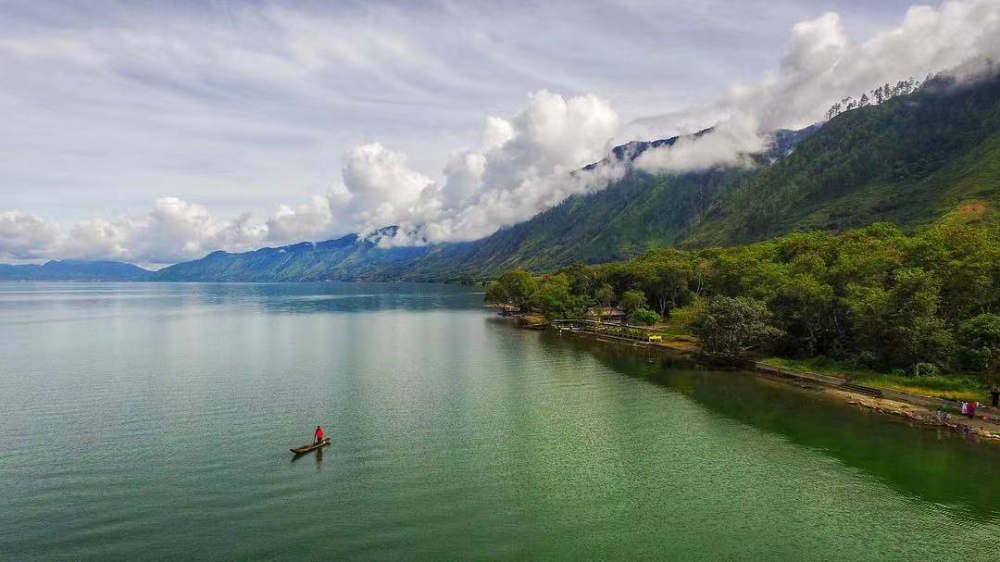
Sumatra is the largest island in Indonesia, bordered by the Indian Ocean to the west and the South China Sea to the east, with the equator passing straight through it. It also happens to sit on the Pacific Ring of Fire, with volcanoes scattered across the land and bringing fertile volcanic ash soil. The mountainous interior, forever draped in cloud and mist, reaches considerable elevation, and combined with abundant rainfall and comfortable temperatures, this makes the island rich in resources—with coffee among the crops best suited to it.
The Origins of Indonesian Coffee
Indonesian coffee began in the late 17th century, when the Dutch conquered Java and made it the headquarters of the Dutch East India Company in the East. The Dutch introduced two successive batches of Typica seedlings from India to Java for cultivation. Before the 1870s, coffee-growing areas had taken hold on Sumatra, Bali, Sulawesi, and Timor, soon spreading from Java across the entire Indonesian archipelago. That prosperity was short-lived, though. In 1869, an outbreak of coffee leaf rust swept through the whole Asian coffee-producing region, Indonesia included, and large areas of Typica trees withered and died.

To save the devastated plantations, the Indonesian government introduced more disease-resistant Robusta varieties from Africa and elsewhere. Robusta remains Indonesia's main variety to this day. To protect plant survival rates and raise production, Indonesia kept importing disease-resistant varieties from other countries. Among them, Tim Tim, Bor Bor, and the Catimor-series Ateng—hybrids of Robusta and Arabica—stood out for their excellent disease resistance, vigorous yields, and adaptation to Sumatra's terroir.
Before long, Ateng and Tim Tim had largely replaced the original Typica, becoming the main cultivars in Sumatra and beyond. The most famous specialty coffee among them is Mandheling, produced mainly around two major lakes in Aceh and North Sumatra provinces: Lake Toba and Lake Tawar.
The Growing Regions
Lake Toba is the world's largest volcanic lake and Indonesia's largest high-altitude freshwater lake. The average annual temperature here is around 22°C, giving it a tropical rainforest climate. The rainy, humid environment and mountain altitudes of about 1,400 meters yield a wide range of spices, timber, palm oil, and other agricultural products, coffee among them. Under the misty, rainy weather, most fruit trees grow on the higher mountain slopes, and several types of ferns cover their surface, together providing good sun protection for the coffee—so growers here do not need to adopt shade cultivation.
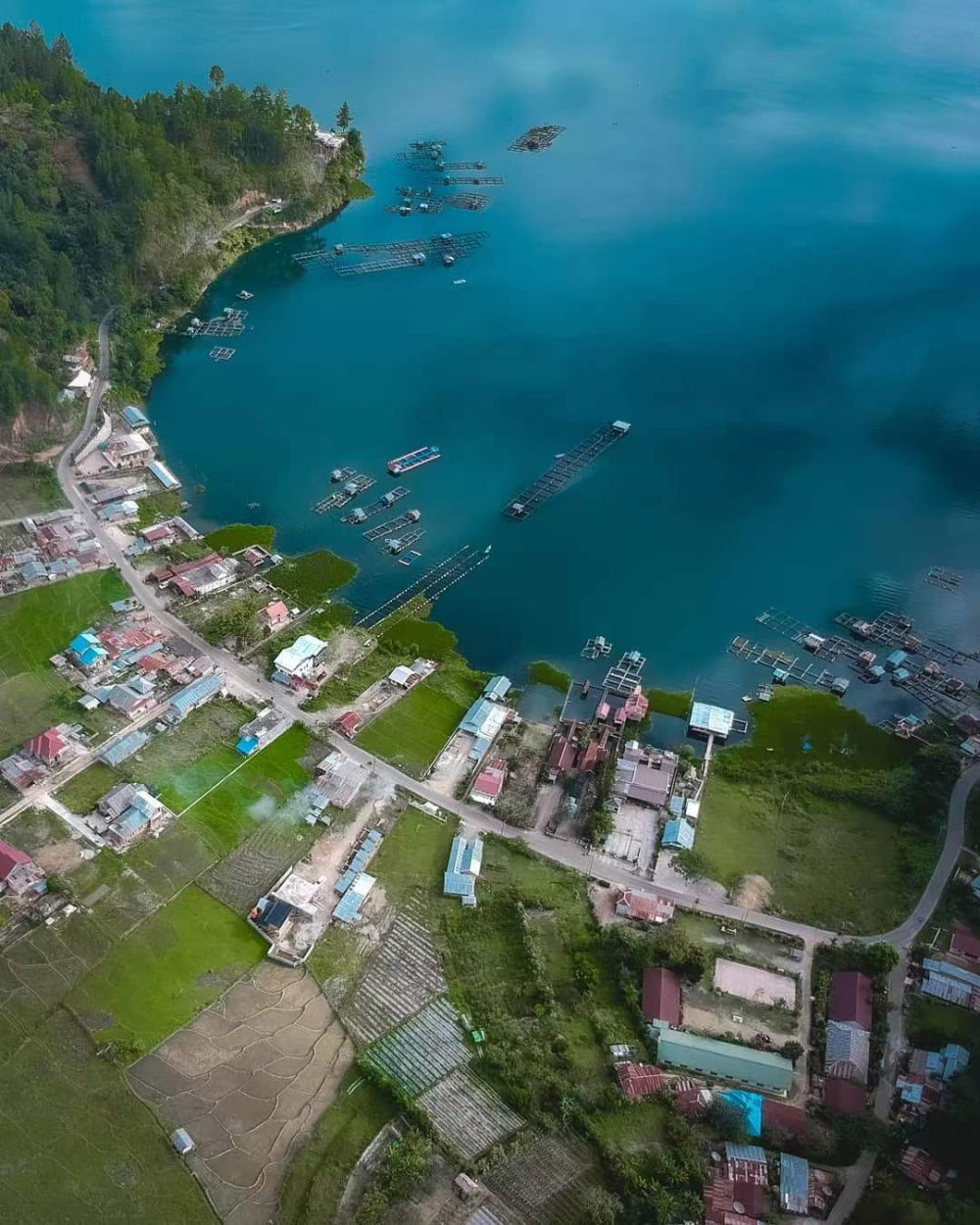
The Gayo Highlands, in central Aceh Province of Sumatra, have a very distinctive microclimate near the famous volcanic Lake Tawar. The lake water is clear and the natural environment excellent. Coffee trees are planted on mountains 1,200-1,800 meters high, wrapped in mist year-round. A wide day-night temperature swing, volcanic soil rich in minerals and nutrients, and fallen fruit serving as fertilizer all contribute to quality. Farmers widely use organic methods, and a long history of cultivation has raised both the quality and the yield of the coffee grown here. Many green coffee buyers pay special attention to this region, including the locally famous Pwani Coffee Company (PWN).
Each year from September to April of the following year is the cherry-ripening season, when farmers can be seen busy picking in the mountains. The traditional Lintong Mandheling is grown by the Mandailing and Batak ethnic groups, while the "rising star" Lake Tawar Mandheling is cultivated by the Gayo people.
Unique Processing Methods
The biggest difference from many coffee-producing regions is that Indonesia is mostly humid, with annual humidity between 70-90%. Typhoons can arrive without warning, and annual rainfall can even exceed 2,000mm. Such harsh weather simply cannot accommodate the 2-3 week sun-drying process used in Africa. Washed processing is not only time-consuming but requires more labor and water, which Indonesia, focused on mass production, could not afford. So it developed a unique semi-washed method: wet hulling.
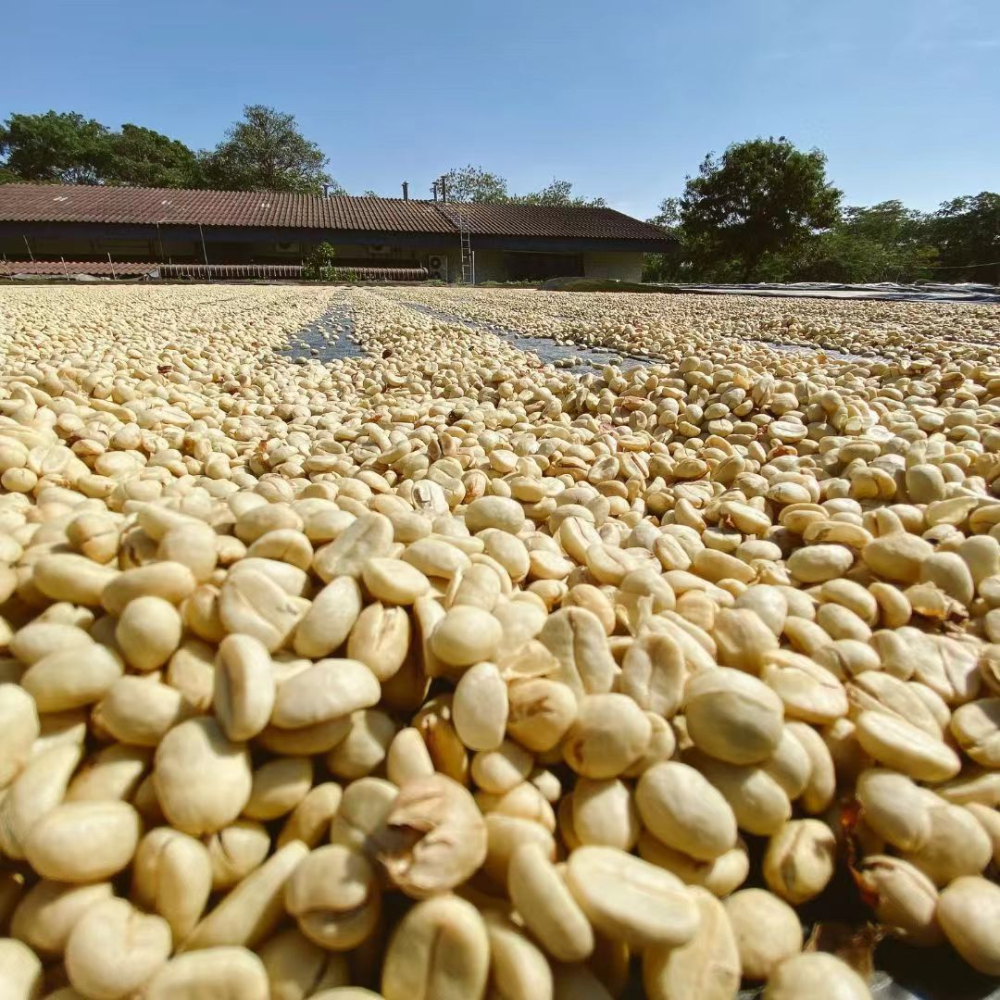
Cherries are pulped and then poured straight into pools for a brief fermentation of several hours. At this point a small amount of mucilage still clings to the parchment, and it is removed by brushing. Next, the parchment coffee is dried for the first time only until it reaches 30-40% moisture content—about 2-3 days—before farmers sell the green beans to buyers. The buyers then mechanically hull the semi-dry parchment to obtain the innermost green beans.
Because the hulling machine uses greater friction to tear off the parchment layer tightly attached to the green beans, a white or green viscous liquid usually flows out during this stage. Thanks to long soaking in that liquid and the humid environment, the final green beans become soft, pale, and swollen, taking on a gray-green color. The friction and stirring also bruise the beans more easily, especially at both ends, forming small gaps and producing what are known as "goat hoof beans." These "naked beans," without the parchment layer, dry very quickly but are also directly exposed to the humid air, letting various microorganisms flourish. That is what gives the coffee its unique woody, spicy, and herbal aromas—what we call the "Mandheling flavor."

FrontStreet Coffee's Brewing Recommendations
On the subject of brewing, FrontStreet Coffee finds it worth reminding everyone that if beans are ground in advance, they need to be brewed promptly. Coffee powder loses its aroma fairly quickly once exposed to air, and the final cup will not taste as good. FrontStreet Coffee therefore recommends grinding immediately before brewing, so you get the coffee at its best.
For everyday brewing of medium-dark roasted Mandheling, FrontStreet Coffee typically uses a KONO dripper. The KONO makes the coffee taste rounder and fuller, with more direct flavor expression. Its exhaust effectiveness, however, is relatively poor, because its ribs are straight and reach only one-quarter of the dripper's depth; above that quarter point the paper clings closely to the wall and creates a seal.
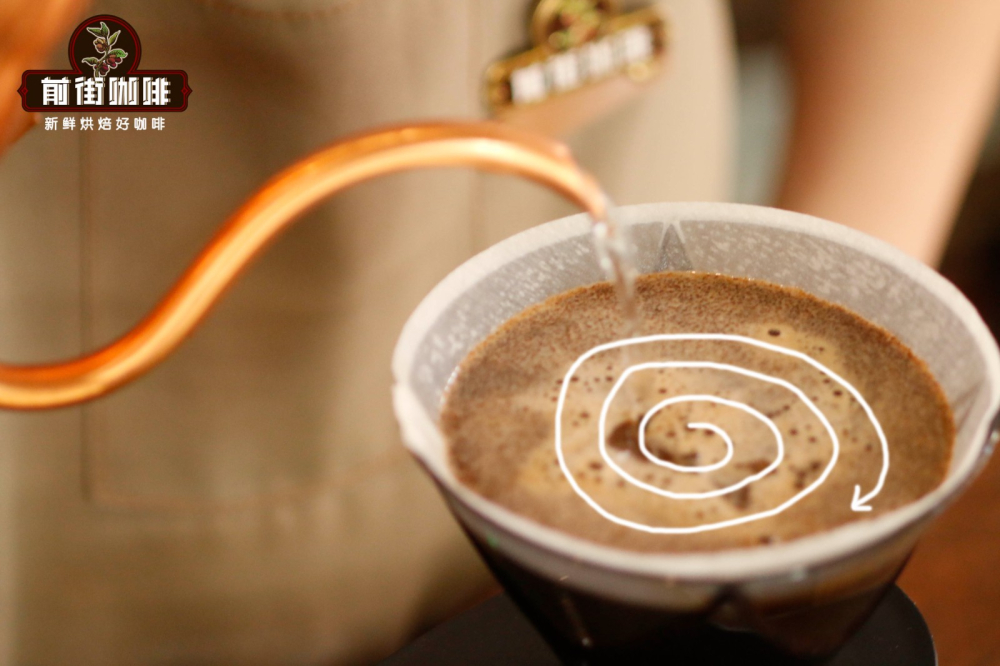
Recommended brewing water temperature: 88-89°C. Bloom time: 25 seconds. Coffee-to-water ratio: 1:15. Grind size: medium-fine (75% pass-through rate on a China standard #20 sieve).
Using segmented extraction, bloom with twice the weight of the coffee in water—that is, 30g of water for 30 seconds. When the stream reaches 125g, make the next pour. Continue pouring until you reach 225g, then stop. Once the water in the dripper has finished dripping, remove the dripper. Time from the start of pouring: 2'00". Then take the whole carafe of coffee, shake it well, and pour it into cups for tasting.
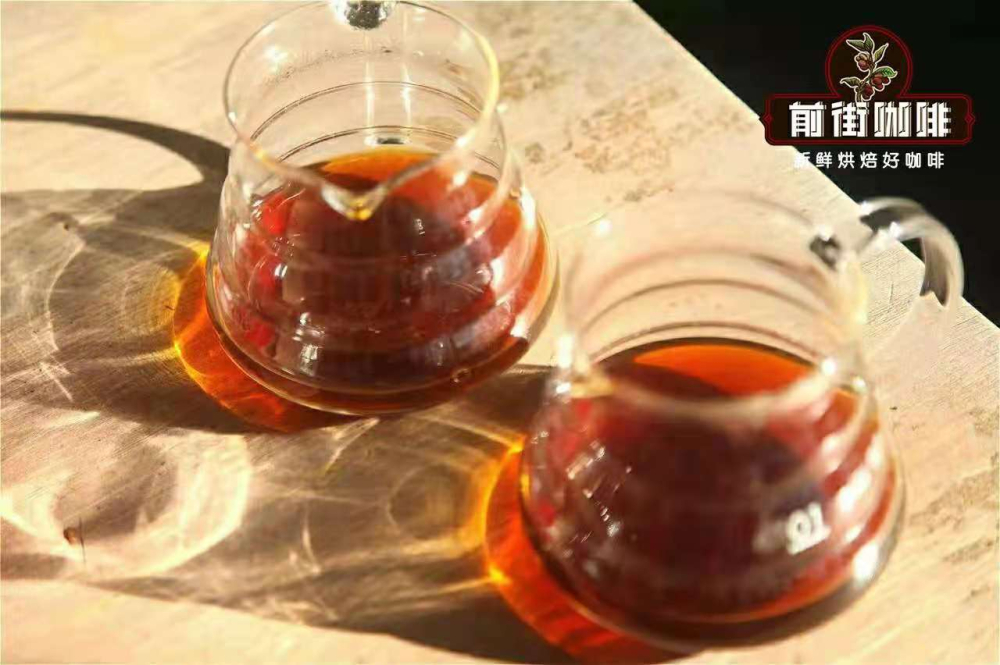
FrontStreet Mandheling Pour-Over Flavor Notes
[Lintong Mandheling] Herbal notes, chocolate, and caramel, overall well balanced;
[Gold Mandheling] Nuts, spices, herbs, licorice, chocolate, and caramel, with clean and gentle flavors;
FrontStreet Coffee Recommendation
Indonesia's three great growing islands—Java, Sumatra, and Sulawesi—each carry their own character, and for most drinkers Indonesian coffee means Mandheling from Sumatra. That is the bean FrontStreet Coffee always recommends first: grown in the Lake Toba area of the Lintong region and processed by the local wet-hulled method, it shows the typical herb and spice notes that come from hulling the bean while it is still half-dry and half-wet. Roasted medium-dark to bring out the classic Mandheling profile, it is low in acidity and full-bodied, with caramel, dark chocolate, and toasted bread aromas and a long, sweet finish—ideal for anyone who likes a strong cup.
For the top of the range, the FrontStreet PWN Gold Mandheling is the one to reach for. PWN, a trading company that buys up the best Mandheling lots, sells only specialty-grade Mandheling, and "Gold Mandheling" is its signature product. Its production follows strict defect-screening standards covering bean density, size, shape, and color, with machine selection plus hand sorting to remove any remaining defects, so the beans come out whole, uniform, and large. Legend has it that the beans glitter gold in the sun, which is how the name came about. Freshly roasted, the FrontStreet PWN Gold Mandheling offers sandalwood, herbs, spices, roasted hazelnut, caramel, and dark chocolate, with a clean, mellow, and rich character and remarkable depth.
If you want a Mandheling-style espresso, the FrontStreet Classic Blend fits the bill. In the days before light-roasted acidic coffee became popular, Mandheling was considered the world's fullest, most aromatic coffee and was often used in espresso beans. Mambo coffee was a recipe created by Taiwanese roasters that combined Mandheling with Brazil, marrying Mandheling's wild side to Brazil's smooth body while the nutty sweetness of Brazil softened Mandheling's stronger bitterness and herbal edge—a combination that proved so popular it remains in fashion today. To give the espresso a rich, golden crema, FrontStreet's Classic Blend adds a small amount of Robusta to that base and roasts it dark, letting the dark chocolate, nut, and caramel aromas reach their peak, so even a beginner can make a convincing Mandheling-style coffee.
Important Notice :
FrontStreet Coffee is a long-established specialty coffee roaster in Guangzhou China, selling freshly roasted beans from its own farm in Yunnan as well as dozens of carefully selected single-origin beans from around the world for both pour-over and espresso. The products deliver consistently excellent quality and great value, with shipping within 24 hours. Guangzhou's FrontStreet Coffee shop is recommended by many coffee lovers, and the beans are now available online at the Tmall 。
FrontStreet Coffee has moved to a new address:
FrontStreet Coffee Address: 315,Donghua East Road,GuangZhou
Tel:020 38364473
 Scan and follow the En Gafei WeChat official account. Please indicate that the reprint comes from "En Gafei".