Unconventional Among Sumatra Coffee Beans: Aged Mandheling Coffee Bean Prices, Characteristics and Stories

Indonesia's Mandheling coffee is rich and mellow — the archetype of the full-bodied category. It divides opinion like few other coffees: those who love it can't get enough, while others keep their distance. That signature herbal flavor is precisely what fascinates its devoted fans.
FrontStreet Coffee has met many die-hard Mandheling drinkers who, even after tasting other full-bodied, low-acid beans such as Brazil's Queen's Estate natural Yellow Bourbon or Jamaica Blue Mountain, ultimately come back to Sumatran Mandheling.

The History of Indonesian Coffee
Though Mandheling has been popular for over half a century, Indonesia is not coffee's birthplace. Like most producing countries, Indonesian coffee cultivation grew out of European colonial activity. In the seventeenth century, coffee became fashionable in Europe and demand outran supply. To capture a larger market, European nations carried coffee seeds and seedlings to their colonies.
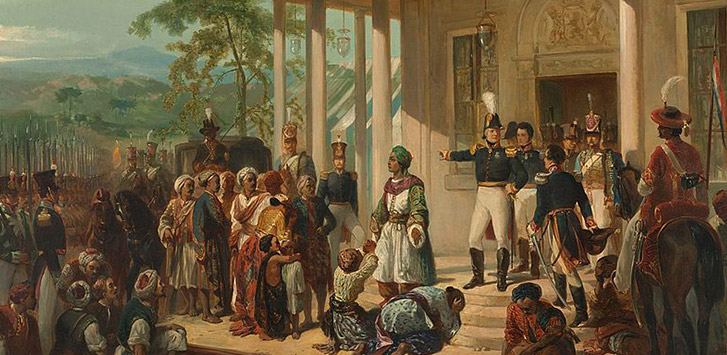
The Dutch East India Company attempted to transplant coffee to Indonesia twice; on the second attempt, with climate, geography, and labor finally aligned, the trees took root and flourished on Java, then spread to Sumatra and Sulawesi.
In the early twentieth century, however, coffee leaf rust swept through Java and devastated its trees, and planters had to fall back on hardier Robusta. Today Indonesia is a major coffee-producing nation whose Arabica output consistently ranks first in Asia.

Sumatra Coffee Regions
Indonesia's main coffee region is the island of Sumatra, and Sumatran coffee is one of the pillars of the specialty trade, famed for its low acidity, heavy body, and distinctive aroma. Mandheling is among the best-known Sumatran coffees in the world.
Sumatran Arabica is concentrated in the island's northwest, dividing by growing environment into the Aceh region (in the province of Aceh) and the Lintong region around Lake Toba in North Sumatra Province.

Lintong vs. Aceh
The traditional Mandheling homeland is Lintong. Combined with the local wet-hulled process, Lintong Mandheling shows a heavy mouthfeel, distinctive herbal aromas, and clear caramel sweetness.
Aceh is a newer Mandheling region: it imported a batch of Arabica seedlings from North Sumatra in 1924, and its production grew year by year until it even surpassed traditional Lintong. Meanwhile, research suggests that as global warming intensifies, the land suitable for coffee in the traditional Lintong region will shrink significantly — perhaps vanishing within thirty years — while Aceh's higher, cooler mountains weather the change better, gradually taking over Lintong's former status.
FrontStreet Coffee's bean shelves carry Mandheling from both regions, which raises an obvious question: if both are Mandheling, what actually differs?
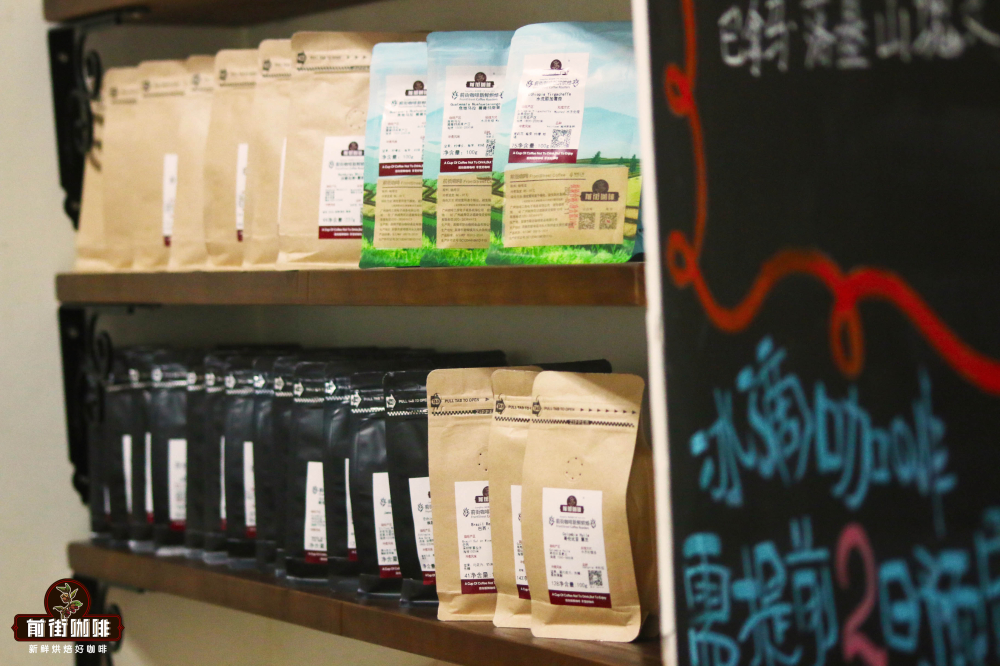
After cupping the two side by side, FrontStreet Coffee finds Aceh Mandheling brighter in flavor and lighter on the heavy herbal notes. Of course, such differences owe as much to post-harvest processing and production standards as to the growing environments themselves.
The Wet-Hulled Process
Sumatra rains year-round, which makes the long sun-drying required for natural processing nearly impossible — cherries are easily ruined by sudden downpours or over-fermentation. Full washed processing, meanwhile, demands more water and labor than smallholder farmers could afford. Out of these constraints grew the uniquely Sumatran wet-hulled method.
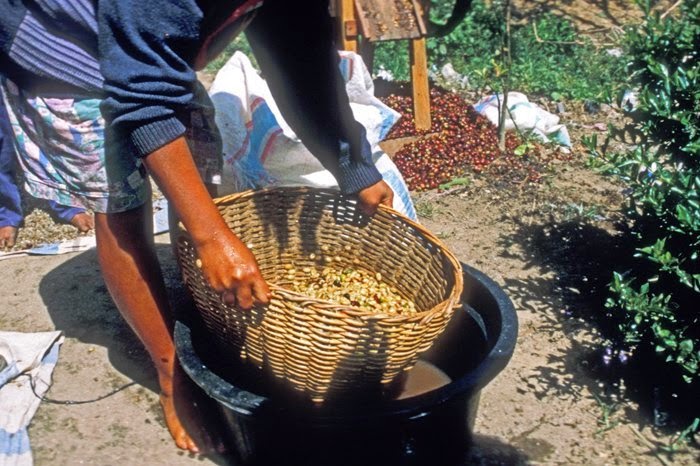
After the cherries are pulped, the mucilage-covered parchment beans are briefly rinsed and either fermented in tanks — the longer the fermentation, the higher the acidity — or, at some mills, spread straight onto drying patios with no fermentation at all, yielding an extremely low-acid Mandheling with extra viscosity.
While the beans are still semi-dry, machines strip off the parchment. This step generates heat that speeds the beans' aging, creating the woodsy, earthy aromas characteristic of the final cup. And because the beans are still soft, the mechanical force easily splits them, producing the classic "goat hoof" shape.

Golden Mandheling
Unlike ordinary Mandheling, PWN's Golden Mandheling is held to a strict standard: only full, intact beans of 18 screen or larger, with fewer than three defects per 300-gram sample, meeting the top G1 grade. Three rounds of hand sorting then remove every defective bean, making Golden Mandheling brighter, cleaner, and sweeter than regular Mandheling. These standards limit production, and some merchants pass off same-grade Mandheling as PWN Golden Mandheling at inflated prices.
FrontStreet Coffee has blind-tasted many Golden Mandheling samples, and its baristas can reliably pick out genuine PWN lots because their cleanliness is unmatched. For ordinary consumers that test is harder — the practical check is to ask the seller for the original green bean sacks and certificates, both of which are on display at FrontStreet Coffee's shop.
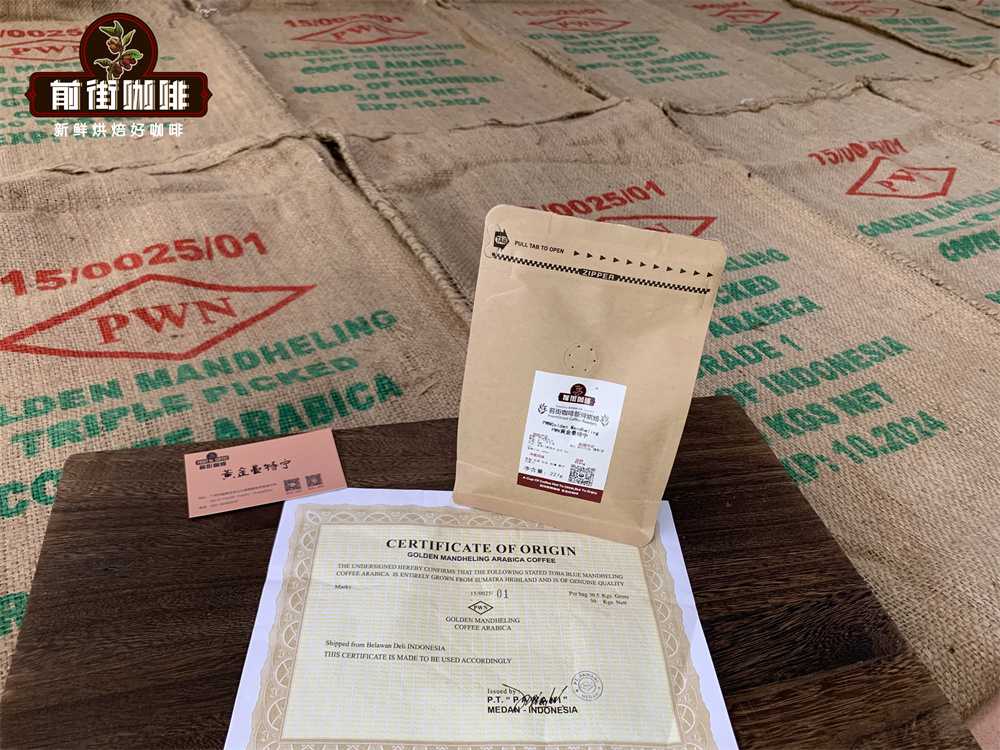
On FrontStreet Coffee's PWN Golden Mandheling label the variety is listed as Ateng. Compared with the familiar Typica and Bourbon, what is Ateng? It is the umbrella term for the Catimor-derived varieties widely planted across Sumatra — carrying both Robusta and Arabica genes, and capable of excellent cup performance under the right conditions.
Aged Mandheling
With wine, older is generally better — hence "vintage." Aged coffee follows the same logic, and aged Mandheling is the finest of them all. Curiously, the flavor wasn't engineered; it was an accident. As a Dutch colony, Indonesia shipped coffee to Europe continuously, and beans were stockpiled to keep supply flowing. The long sea voyage and salt-laden winds transformed the coffee in transit, and by the time it reached Europe it had developed an entirely new character — the origin of the "aged" profile.
The European colonists were enchanted, quickly embraced the style, and turned it into a deliberate process. Aging Mandheling is now a mature craft: the beans are first wet-hulled (sun-dried in parchment for 2-3 days to 20-24% moisture, hulled, then dried further to 12-13%), then sealed into warehouses that must stay cool and ventilated, with the sacks turned regularly to prevent mold. After 2-3 years of storage the acidity has all but converted into sugar, and the beans have deepened to yellowish-brown or dark brown — instantly recognizable.
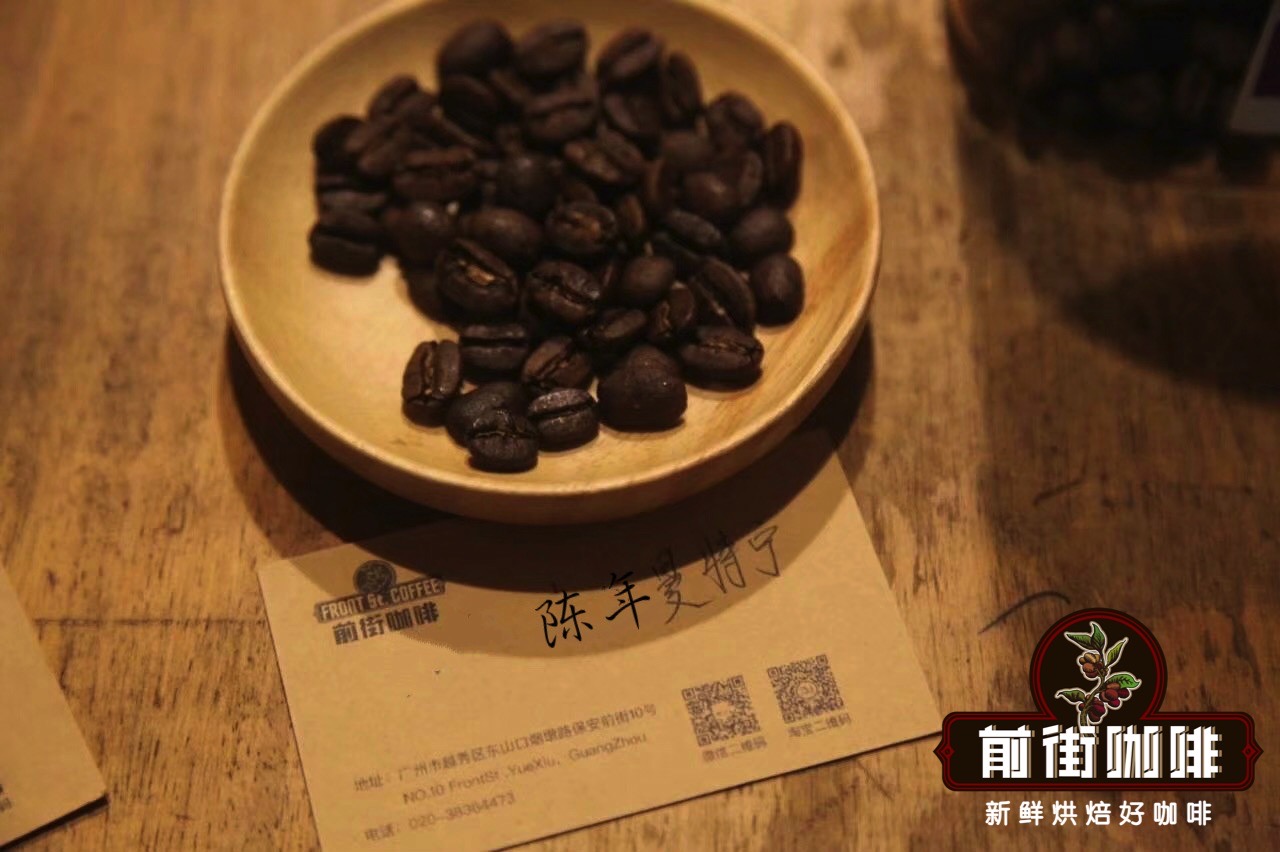
Aged Mandheling Profile
Region: Sumatra
Altitude: 1500 meters
Variety: Caturra, Typica
Processing: Wet-hulled
Flavor: ripe pu-erh tea, caramel, herbs, chocolate, with low acidity
FrontStreet Coffee roasts its Mandheling to a medium-dark level, and recommends the following parameters for brewing:
Brewing Parameters
Dripper: KONO
Water Temperature: 88°C
Coffee Amount: 15 grams
Coffee-to-Water Ratio: 1:15
Grind Size: China standard #20 sieve, 70% pass-through
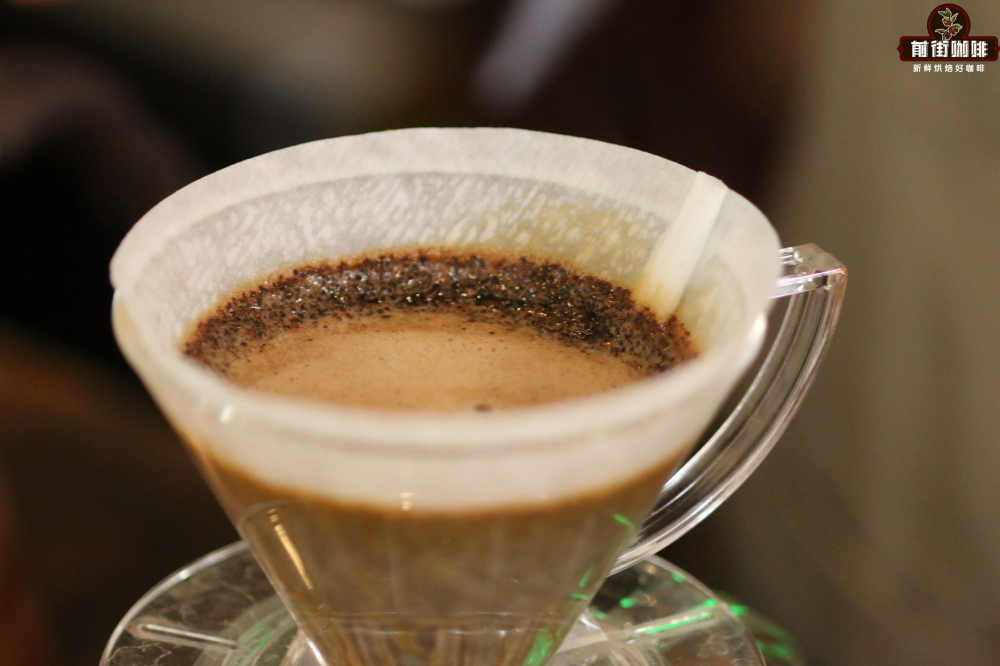
Pour 30 grams of hot water for a 30-second bloom, then, with a fine stream from the center, spiral slowly up to 125 grams. Once the water level drops to just above the coffee bed, spiral-pour again to 225 grams. Total extraction time is roughly 2 minutes.
FrontStreet Coffee Recommendation
If this wild, earthy profile appeals to you, FrontStreet Coffee's Lintong Mandheling is the everyday expression of it: wet-hulled, medium-dark roasted, and full of clove, wood, and spice aromas with a strong, lingering sweetness and virtually no acidity — the bean for drinkers who never liked sour coffee.
For a cleaner take on the same character, choose FrontStreet Coffee's PWN Golden Mandheling: three hand sortings and one machine selection bring the defect rate to a minimum, so the cup is notably cleaner and smoother, with clearer woodsy aroma and caramel sweetness — superb as pour-over at 87-88°C with a 1:15 ratio and three-stage pouring, or pulled on an espresso machine for crema-rich, caramel-forward shots.
Important Notice :
FrontStreet Coffee is a long-established specialty coffee roaster in Guangzhou China, selling freshly roasted beans from its own farm in Yunnan as well as dozens of carefully selected single-origin beans from around the world for both pour-over and espresso. The products deliver consistently excellent quality and great value, with shipping within 24 hours. Guangzhou's FrontStreet Coffee shop is recommended by many coffee lovers, and the beans are now available online at the Tmall 。
FrontStreet Coffee has moved to a new address:
FrontStreet Coffee Address: 315,Donghua East Road,GuangZhou
Tel:020 38364473
 Scan and follow the En Gafei WeChat official account. Please indicate that the reprint comes from "En Gafei".