Sumatra Ground Coffee Flavor Profiles Is Sumatra Coffee Good Sumatra Coffee Price List
Sumatra Coffee Beans - The Origin of Mandheling
Mandheling is not a region, a place, a port or a variety name. It actually comes from a mispronunciation of the Mandheling ethnic group in Indonesia. During World War II, when Japan occupied Indonesia, a Japanese soldier drank an incredibly mellow, aromatic coffee at a cafe. When he asked the owner for the coffee's name, the owner thought he was asking where he was from and replied: "Mandheling." After the war the soldier remembered the "Mandheling" he had drunk in Indonesia. He commissioned an Indonesian coffee exporter to ship 15 tons to Japan, where it became surprisingly popular, and the name Mandheling spread.
What is "Golden Mandheling"?
Some friends who have run coffee shops for years say that "Golden Mandheling" is aged Mandheling. To explain "Golden Mandheling," we have to start with PWN, an abbreviation often attached to Mandheling coffee's name. It stands for Pwani Coffee Company, a very famous coffee acquisition company in Indonesia that mainly buys Mandheling coffee. Almost all the best growing regions in Indonesia are bought from by them, so most beans from PWN are unique specialty coffees. Golden Mandheling is one of this company's products. After purchasing the green beans, they run multiple rounds of manual selection to pick out full, flawless beans. Only these fine beans, screened in a talent-show fashion, can be classified as Golden Mandheling.
PWN has registered Golden Mandheling as a trademark, meaning that only Golden Mandheling produced by PWN can truly be called "Golden Mandheling." Many beans on the market not produced by PWN but labeled Golden Mandheling should really be called Specialty Mandheling. "Golden Mandheling" is not aged coffee; it is simply a product name the company created.
Differences Between Mandheling and Golden Mandheling
Coffee friends have asked, as a beginner, what is the difference between Golden Mandheling and Mandheling G1, since they cannot taste it. For professional connoisseurs and those with sensitive palates, drinking the two side by side makes the comparison obvious. Golden Mandheling's sweetness and cleanliness, its richness, and its wild spice flavors are slightly superior to G1, which is one reason Golden Mandheling costs much more than G1.
Mandheling requires layered screening, and I think this is absolutely necessary. Its probability of defective beans is too high, and their appearance is ugly, so that sometimes good beans look like defective ones. Every time I sort Mandheling I pick out a handful of defective beans, but looking back at them, they cannot really be considered defective, their appearance is just so unappealing. Roasted Mandheling, though, is like a caterpillar breaking out of its cocoon: the roasted beans are very full and quite pleasing to the eye.
Golden Mandheling, by contrast, has a defect rate of only 2% and is very beautiful.
What is Aged Golden Mandheling?
Aged coffee actually has a long history in Indonesia. Early shipping was not well developed, so transporting coffee from Indonesia to other countries took considerable time. Over time, originally moisture-rich fresh beans gradually dried, and the addition of sea breezes created a rather special flavor. Because modern shipping has greatly reduced transport time, coffee with such special flavors has become a specially processed coffee. Processing aged beans is a technical skill that requires strict monitoring during aging. Warehouse humidity and temperature have standard requirements, and the green beans must be turned periodically to prevent differences in humidity between top and bottom, or mold that would render them useless. The aging process is not about losing flavor but about creating another flavor, and a pleasant one at that.
Mandheling Coffee Lots Collected
Several Mandheling lots were collected: Golden Mandheling, Horse Face Mandheling (timtim Mandheling long berry) from Sumatra Island, Mandehling Longberry, Timtim Belangele, Lintong Mandheling Grade-1, and Emerald Mandheling (from Aceh, Sumatra).
Green Bean Photos
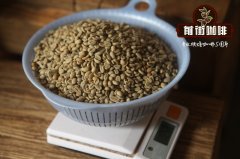
Above: Golden Mandheling semi-washed green beans.
Above: Horse Face Mandheling fully natural sun-dried green beans, a hybrid of Arabica and Robusta called Timor, known as the timtim variety in Indonesia.
Above: Lintong Mandheling G1. Although graded Grade-1, it still cannot escape the high defect rate of Indonesian beans, with about 8% defective beans.
Above: Emerald Mandheling (from Aceh, Sumatra), 18+ screen size. The green beans are green, full and crystal clear, just like emeralds.
Roasted Bean Photos
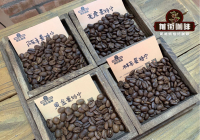
From left to right: Lintong Mandheling G1, Horse Face Mandheling, Golden Mandheling.
Sumatra Coffee Origins
The most famous coffee-producing region in Asia is the various islands of the Malay Archipelago: Sumatra, Java and Kalimantan. Among them, Sumatra Mandheling from the Indonesian island of Sumatra is the most renowned.
Both Lake Toba in North Sumatra province and Lake Tawa in the Aceh region produce Mandheling coffee, the famous "Two Lakes, Double Mandheling." Their common characteristic is a rich, mellow cup, but they differ: Lake Toba's Mandheling is more subdued and deep, even with a grass jelly flavor, while Lake Tawa Mandheling has brighter fruit acidity and sometimes a cedar or woody taste.
Mandheling Flavor Description
1. Mouthfeel: Mellow and rich, with a sweet-bitter nature. The entry is strong and stimulating, with clove and woody aromatics. Medium-dark roasted Mandheling has low acidity, spice and mint flavors, and a strong, persistent, rich sweetness.
2. Aroma: The dry fragrance has glutinous rice, malt, spice, caramel and woody notes. After adding hot water the wet aroma is deep burnt caramel and pine, with a faint earthy fragrance.
3. Visual: Full, uniform particles. After roasting the beans are quite large. Green beans are brown or dark green.
Sumatra Coffee Bean Brand Recommendations
FrontStreet Coffee's roasted Sumatra Mandheling is fully guaranteed in both brand and quality. More importantly, it offers extremely high value: a 227 gram bag costs only 89 yuan. At 15 grams per cup, one bag makes 15 cups, putting each cup at only about 6 yuan. Against cafe prices that often reach dozens of yuan a cup, this is a genuinely conscientious recommendation.
FrontStreet Coffee Recommendation
Sumatra is the largest producer of both Arabica and Robusta in Indonesia, accounting for more than 60% of output, and only the high-altitude provinces of Aceh and North Sumatra grow Arabica at scale. The local weather is the key to the flavor: humidity runs 70-90% all year, typhoons are common and annual rainfall reaches more than 2000 mm, so the long two-to-three-week sun drying used in Africa is impossible. That is how the region's wet-hulled method arose, a semi-washed approach in which the parchment is stripped off while the beans are still half dry, exposing them to the air to speed drying and, in the process, absorbing airborne microbes that create the famously wild Mandheling flavor.
For the finest expression of that method, start with FrontStreet PWN Golden Mandheling, the top grade. PWN buys only high-quality Mandheling green beans and then sorts them by machine and by hand to pick out full, flawless beans, so every lot is specialty level. The beans are uniform, large and translucent with a low defect rate, and a medium-dark roast adds a rich roasted aroma. The brewed black coffee has a clean mouthfeel and a full, mellow body, ideal for anyone who dislikes acidic coffee. FrontStreet also offers an everyday Lintong Mandheling, from the Lintong region, which keeps the wild herbal note of Mandheling with dark chocolate and caramel from a medium-dark roast.
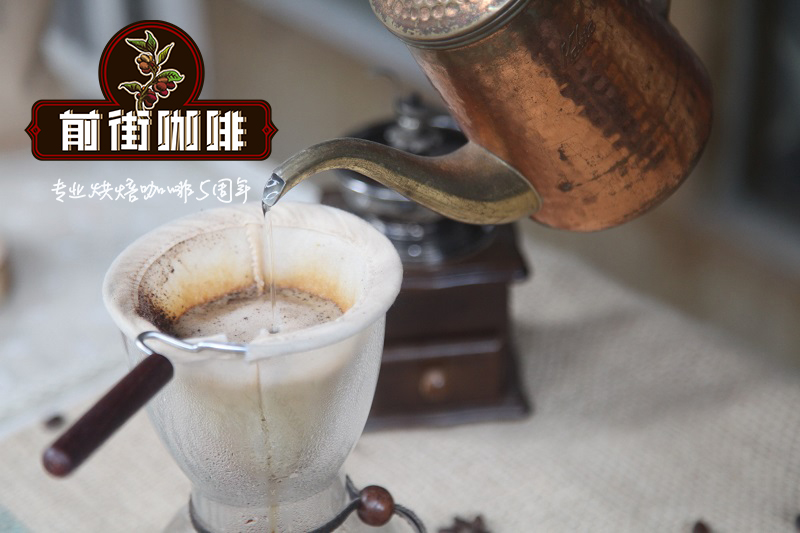
Golden Mandheling is at its best as a pour-over. Use 87-88°C water, 15 grams of coffee, a 1:15 ratio and a grind the size of coarse sugar, and pour in three stages, which better shows the mellow body and caramel sweetness. Bloom with 30 ml of water to wet all the grounds and let them degas, then pour 100 ml to lift the bed and bring out the golden foam, and finish with a gentle 95 ml pour down the center to raise the sweetness. The result is a thick, mellow body with caramel sweetness and chocolate and nut flavors.
If you want this Mandheling character on an espresso machine, the FrontStreet Classic Blend is the most repurchased choice. It adds medium-dark roasted Mandheling to Brazil's creamy nut flavor, bringing out butter, roasted chestnut and caramel, while the Mandheling lifts the body and adds sandalwood, herbal and spice notes. A small amount of Robusta is included to enrich the crema, so latte art and layered Dirty drinks both come out easily.
Important Notice :
FrontStreet Coffee is a long-established specialty coffee roaster in Guangzhou China, selling freshly roasted beans from its own farm in Yunnan as well as dozens of carefully selected single-origin beans from around the world for both pour-over and espresso. The products deliver consistently excellent quality and great value, with shipping within 24 hours. Guangzhou's FrontStreet Coffee shop is recommended by many coffee lovers, and the beans are now available online at the Tmall 。
FrontStreet Coffee has moved to a new address:
FrontStreet Coffee Address: 315,Donghua East Road,GuangZhou
Tel:020 38364473
 Scan and follow the En Gafei WeChat official account. Please indicate that the reprint comes from "En Gafei".