Moka Pot vs Espresso Machine: A Visual Guide to Coffee Grind Size and Bean Selection
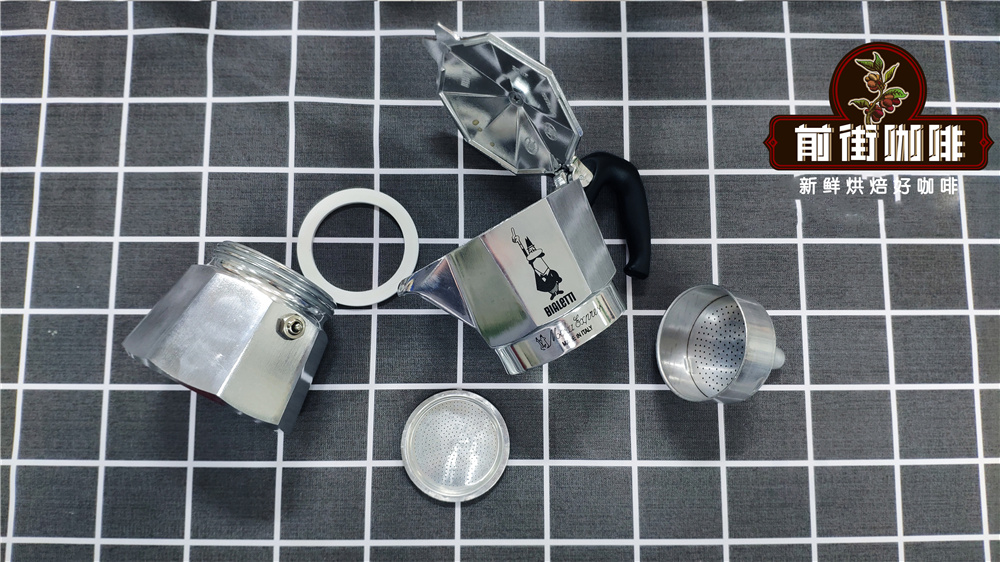
The Moka Pot: A Home Brewing Classic
The Moka pot is one of the most accessible tools for brewing espresso-style coffee and is widely used in Italian households. Invented in 1933 by the Italian Alfonso Bialetti, it uses direct base heating to brew coffee through a distillation process. The Moka pot's brewing principle is similar to that of the first commercial espresso machine, designed and produced by La Pavoni in 1905.
What Coffee Beans (or Grounds) Make the Best Moka Pot Coffee?
As a home coffee brewing tool, the Moka pot offers convenience and simplicity. In Italy, few households own a coffee grinder, so people typically buy pre-ground coffee made specifically for Moka pots from large supermarkets. This type of ground coffee is matched to the Moka pot's ideal roast level and grind size. Generally, homemakers don't need professional coffee knowledge to brew an aromatic, rich coffee with a Moka pot.
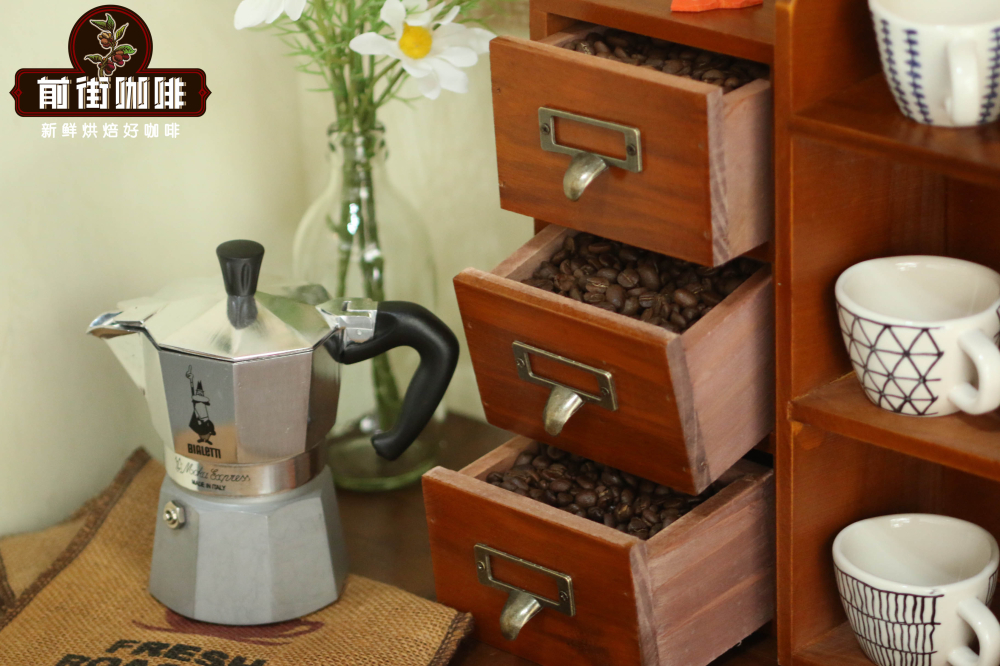
In China, coffee grounds made specifically for Moka pots are relatively rare, so you will need to prepare them yourself. China's specialty coffee market has developed well, and coffee beans from famous producing regions worldwide can be found here. The intense flavors a Moka pot produces can taste strange when made with lightly roasted coffee beans, resulting in thin crema and sharp acidity. We therefore recommend medium to dark roasted coffee beans.
FrontStreet Coffee's baristas would first recommend using espresso blend coffee beans. Because they are blends, the formulation considers balanced flavor and mouthfeel, making the taste more appealing to the general public. FrontStreet Coffee's specialty espresso blend, for example, uses 70% Brazilian coffee beans blended with 30% Colombian coffee beans. It has a light grassy fragrance, a sweet and smooth taste, gentle subtle acidity, rich nutty notes and abundant crema.
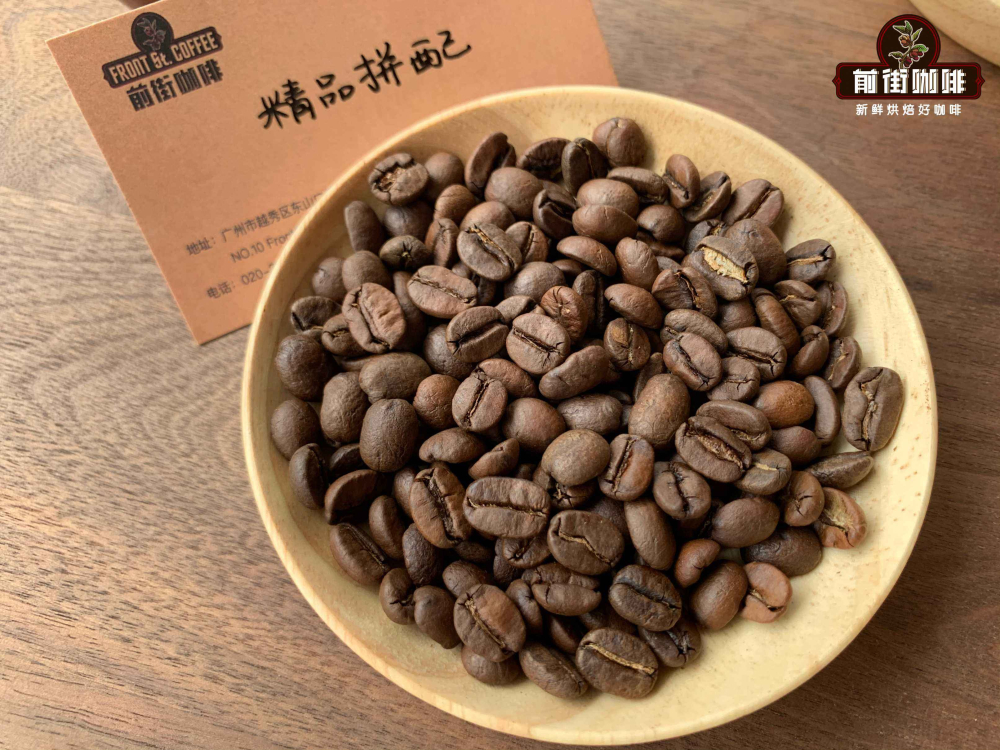
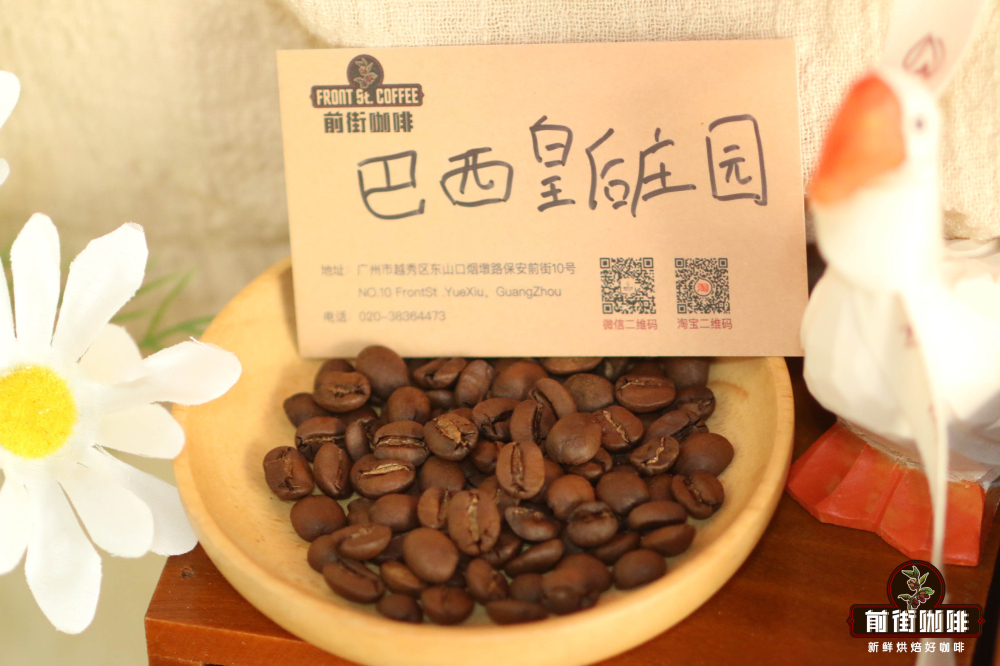
If you want to taste intense regional flavors, FrontStreet Coffee suggests using medium-roasted single origin coffee beans such as FrontStreet Coffee's Brazil Queen Estate and FrontStreet Coffee's Papua New Guinea Bird of Paradise Estate. The characteristics of both are balance, rich nutty notes and fructose-like sweetness.
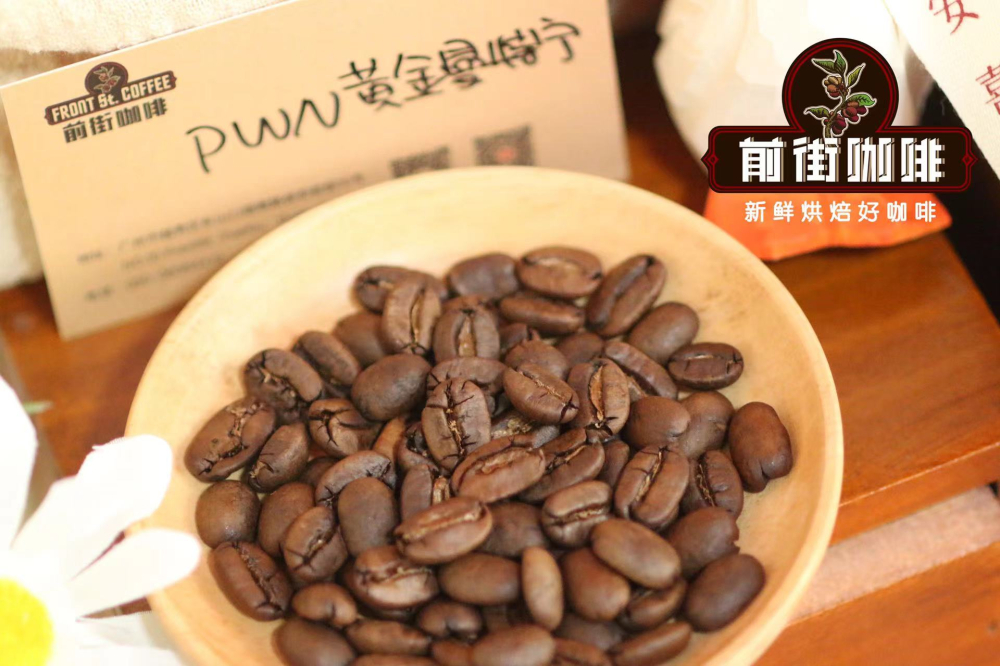
For even more intense aroma and flavor, you can choose darker roasted coffee beans, such as FrontStreet Coffee's Indonesia PWN Golden Mandheling, which has a special herbal aromatic and is very well suited to Moka pot brewing.
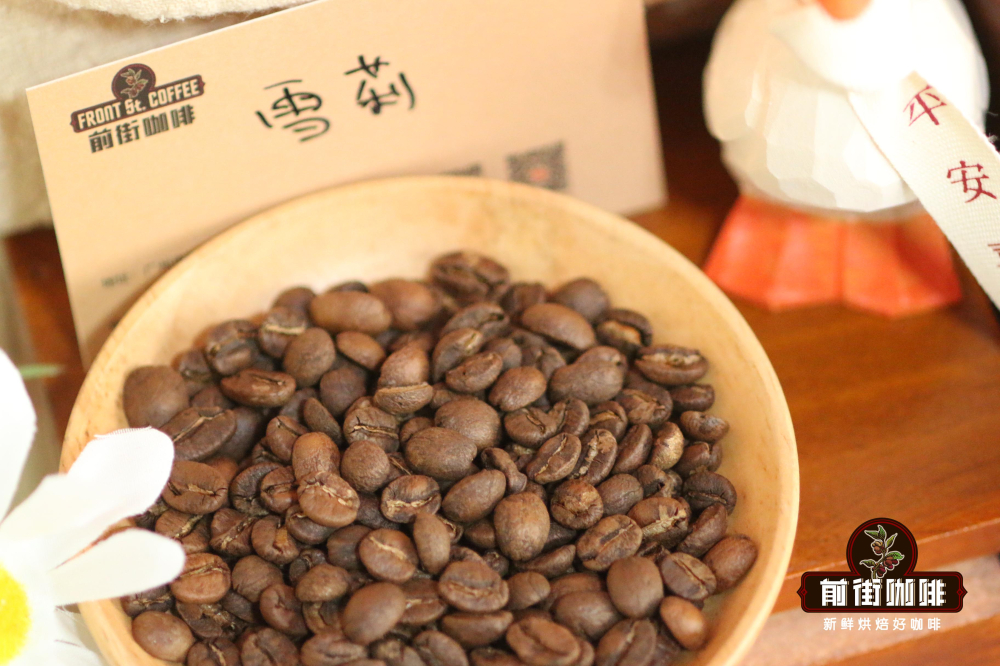
If you don't want your coffee flavor to be too monotonous, you can also use coffee beans with special flavors, such as FrontStreet Coffee's Honduras Sherry coffee beans, which have rich sherry wine, vanilla cream and chocolate flavors. Importantly, its crema is also very rich, making it excellent for Moka pot brewing.
How Fine Should Moka Pot Coffee Grounds Be?
Many people want to use Moka pot coffee as a substitute for espresso machine extraction, but since these are completely different brewing tools, their parameters differ too. People often ask FrontStreet Coffee's baristas: for Moka pot coffee, should the grounds be as fine as espresso?
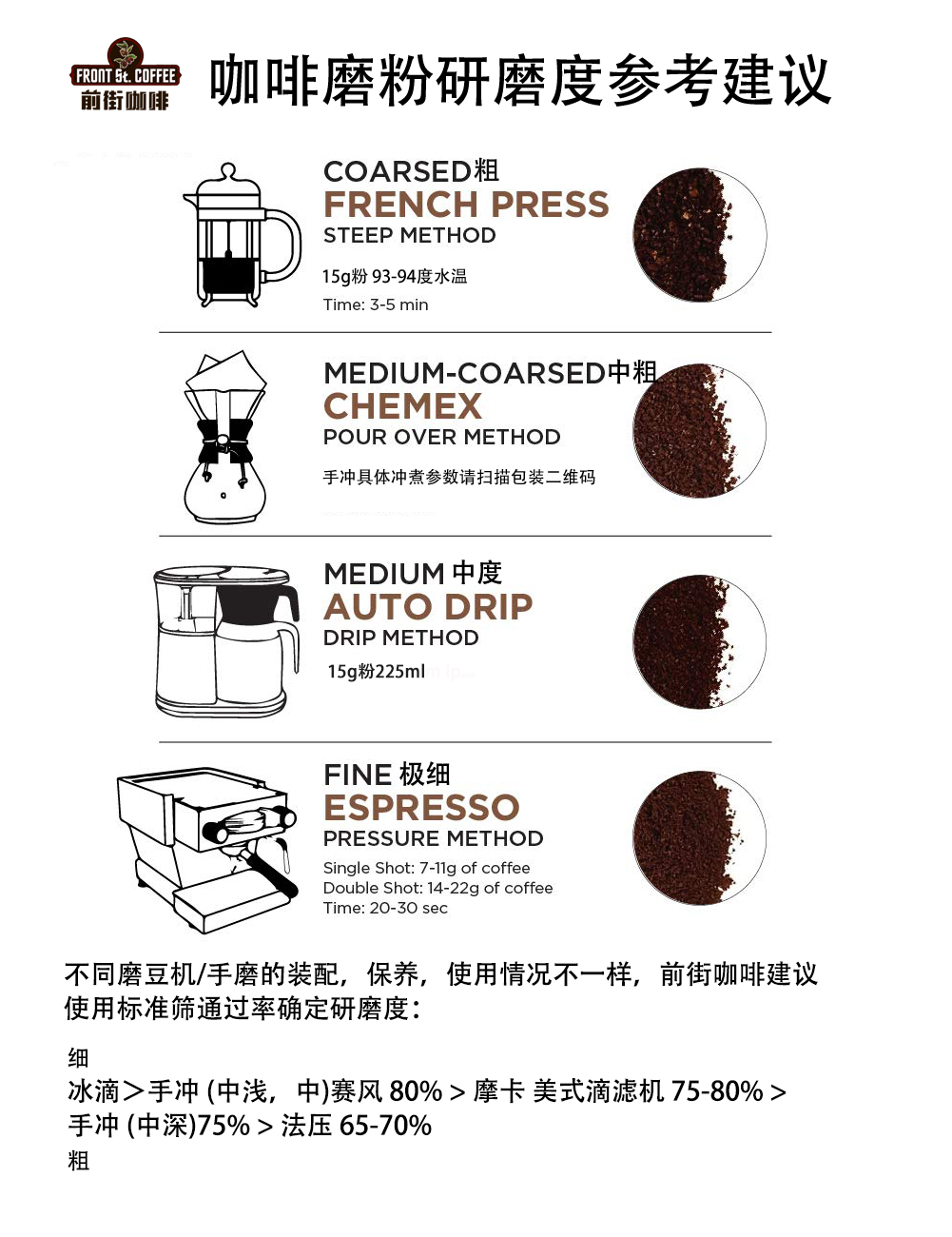
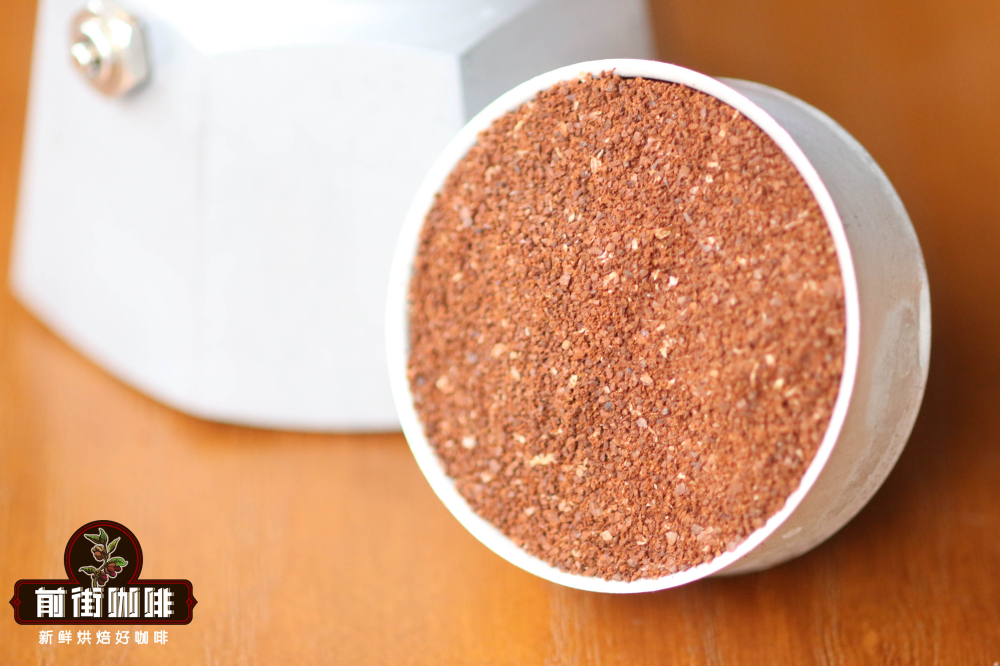
When brewing with a Moka pot, the coffee grind should be slightly coarser than espresso. You can reference the size of the filter basket's screen gaps to ensure the coffee particles don't fall through into the lower chamber. It also shouldn't be too coarse, as this won't generate pressure, crema won't appear, and it may even cause gushing due to insufficient resistance.
- Grind size is proportional to extraction time: The fineness of the grind affects extraction duration and yield. Finer coffee extends extraction time and increases extraction rate; coarser coffee shortens extraction time and decreases extraction rate.
- Dark roast beans slightly coarser, light roast beans slightly finer: The darker the roast, the more the fiber structure is broken down, making extraction easier. Grinding dark-roasted beans too finely makes them too bitter, so they suit a slightly coarser grind; the opposite applies to lighter roasts.
- Grind size can control bitterness: The finer the grind, the higher the extraction rate, making it easier to extract high-molecular-weight bitter substances such as chlorogenic acid, quinic acid and caffeine. Conversely, grinding too coarsely makes those bitter compounds harder to extract, but medium-molecular-weight sweet and aromatic flavors may be left behind in the grounds through under-extraction, which is quite wasteful. Baristas must therefore pay attention to whether the grind size is appropriate and what fineness suits each type of bean.
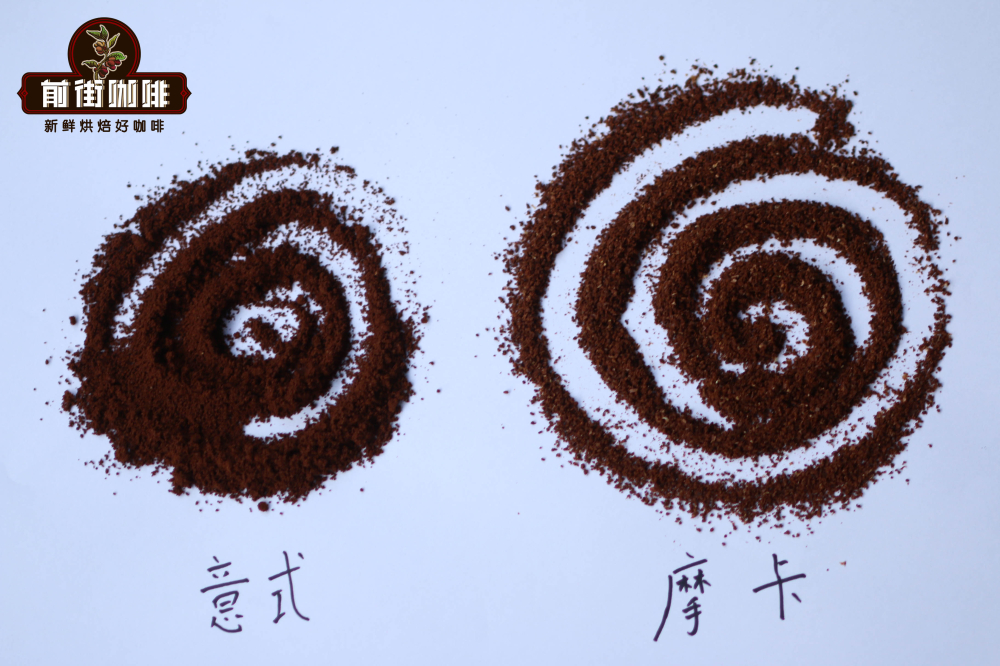
The ideal coffee particle size for a Moka pot is between 0.3mm and 0.55mm. Not everyone can judge differences of a fraction of a millimeter by eye, though. The simplest approach is to use a particle-size reference or Moka pot-specific grounds for comparison. You can also adjust through trial and error: if the grind is too fine, you will hear boiling water but see no coffee emerging, at which point you should turn off the heat immediately; if the grounds are too coarse, the coffee may gush out like a fountain.
Moka Pot Coffee Brewing Process
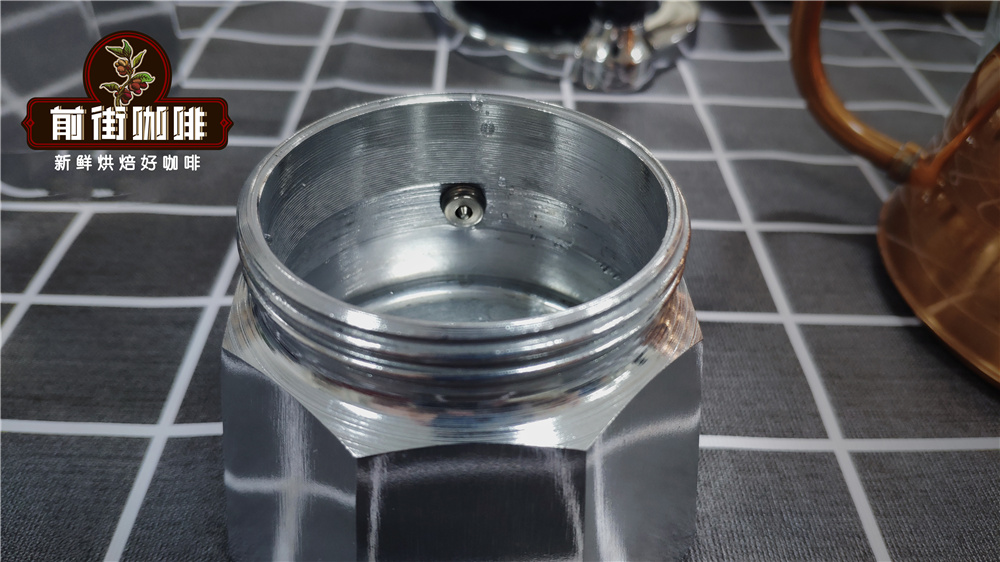
- Pour pure water into the Moka pot's lower chamber, with the water level about 0.5cm below the pressure relief valve.
- Slowly pour coffee grounds into the filter basket, gently tap to distribute them evenly, and when the grounds form a small mound, level the surface through distribution techniques.
Filling the filter basket completely helps avoid extracting undesirable flawed flavors. When the density of grounds in the basket is more uniform, it prevents some grounds from being over-extracted while others are under-extracted, which would lead to uneven flavor or bitterness.
- Place the filter basket in the lower chamber, screw the upper and lower parts of the Moka pot together tightly, and place it on an electric stove over high heat.
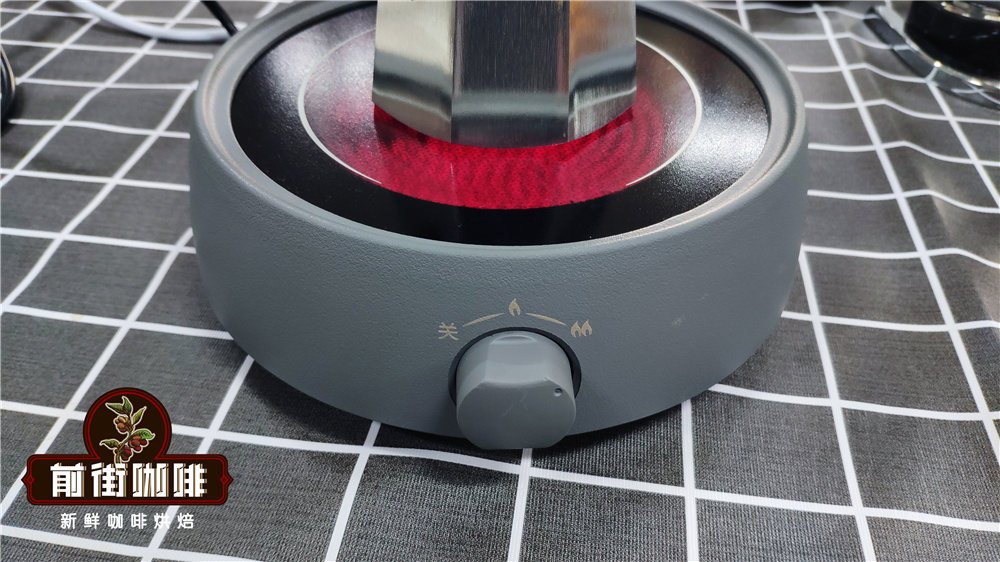
- When the Moka pot reaches a certain temperature and you hear a distinct whistling sound, reduce the electric stove to low heat and open the upper chamber's lid.
- When the coffee in the upper chamber is about halfway extracted, turn off the electric stove. The Moka pot's residual heat and pressure will "push" the remaining coffee into the upper chamber.
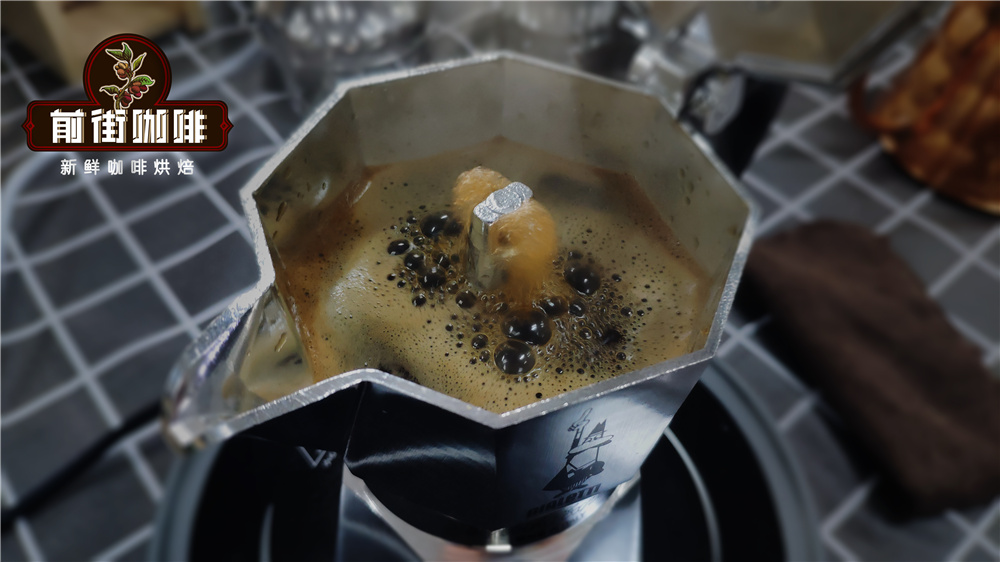
- When all the coffee has been extracted into the upper chamber, pour it into a cup to enjoy. Moka pot extraction produces very concentrated coffee and can even produce crema. You can also mix it with an appropriate amount of water or milk for an even better flavor.
FrontStreet Coffee Recommendation
For the Moka pot, FrontStreet Coffee generally recommends starting with a blend, since a blend's formula is built for balance. The FrontStreet Classic Blend is designed for both espresso and Moka pot and its greatest strength is outstanding crema - even a beginner with a non-professional home machine can pull a dense, fine crema easily. It follows a traditional Mamba-style recipe, full-bodied and warm, so it works for latte, cappuccino and Dirty alike, at home or in a shop. If you value quality and cost together, the FrontStreet Black Cocoa Blend uses 100% Arabica, with ample crema and a rich body at a friendly price, while the FrontStreet Autumn Chestnut Blend combines Honduran Caturra with Papua New Guinean Typica for a balanced, 100% Arabica cup of roasted-chestnut nuttiness, caramel and brown-sugar sweetness, with chocolate, rounded acidity and a long, clean finish.
If you prefer a single origin in the Moka pot, FrontStreet Coffee suggests the medium-roasted FrontStreet Brazil Queen Estate or the FrontStreet Papua New Guinea Bird of Paradise - both balanced, with rich nutty notes and fructose-like sweetness - or, for more intensity, the FrontStreet PWN Golden Mandheling with its distinctive herbal aromatics. The FrontStreet Colombia Sidra, produced with a double anaerobic natural process and roasted medium-light, brings passion fruit, blueberry, grape and apricot over a bright, gentle acidity, and works in a Moka pot as well as in pour-over, espresso SOE and cold drip.
Important Notice :
FrontStreet Coffee is a long-established specialty coffee roaster in Guangzhou China, selling freshly roasted beans from its own farm in Yunnan as well as dozens of carefully selected single-origin beans from around the world for both pour-over and espresso. The products deliver consistently excellent quality and great value, with shipping within 24 hours. Guangzhou's FrontStreet Coffee shop is recommended by many coffee lovers, and the beans are now available online at the Tmall 。
FrontStreet Coffee has moved to a new address:
FrontStreet Coffee Address: 315,Donghua East Road,GuangZhou
Tel:020 38364473
 Scan and follow the En Gafei WeChat official account. Please indicate that the reprint comes from "En Gafei".