How to Read Coffee Grinder Settings? How to Adjust Coffee Grind? How to Brew Espresso with Coffee Machine
How to Read Coffee Grinder Settings? How to Adjust Coffee Bean Grind Size? How to Brew Espresso with a Coffee Machine? What Are the Types of Coffee Grinding?
Coffee beans need to be freshly ground for their rich aroma to fully emerge—which shows just how important grinding is. When grinding, many people get confused about which setting to choose. Generally, larger numbers mean a coarser grind and smaller numbers a finer one. However, every grinder differs in assembly, transport, and maintenance, so even two grinders of the same brand and model can produce two different particle sizes at the same setting.
Grind size is a hurdle every brewer must clear. According to FrontStreet Coffee's experience answering questions from countless friends, more than half of all poor brewing results trace back to grind size issues.
Why Coffee Needs to Be Ground
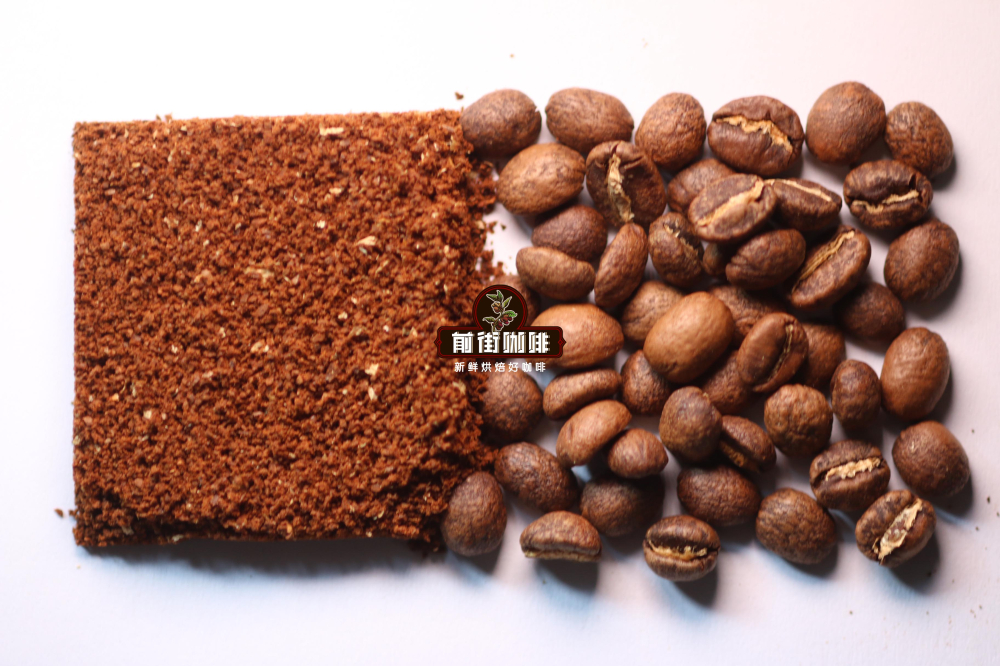
People new to coffee may still picture it as instant, but nearly everything served in cafes today is brewed from freshly roasted beans that have been ground, complete with actual grounds. Coffee must be ground before brewing because grinding releases coffee compounds far faster than steeping whole beans. The finer the grind, the greater the surface area of the particles and the faster those compounds dissolve.
How Coarse? How Fine?
Pour-over coffee is a filtration extraction method. If the coffee is ground too finely, the grounds choke the water flow. Fine grinding releases compounds more easily, but the slower flow extends brew time—inviting over-extraction: heavier flavors, stronger bitterness, increased acidity, and possible astringency.
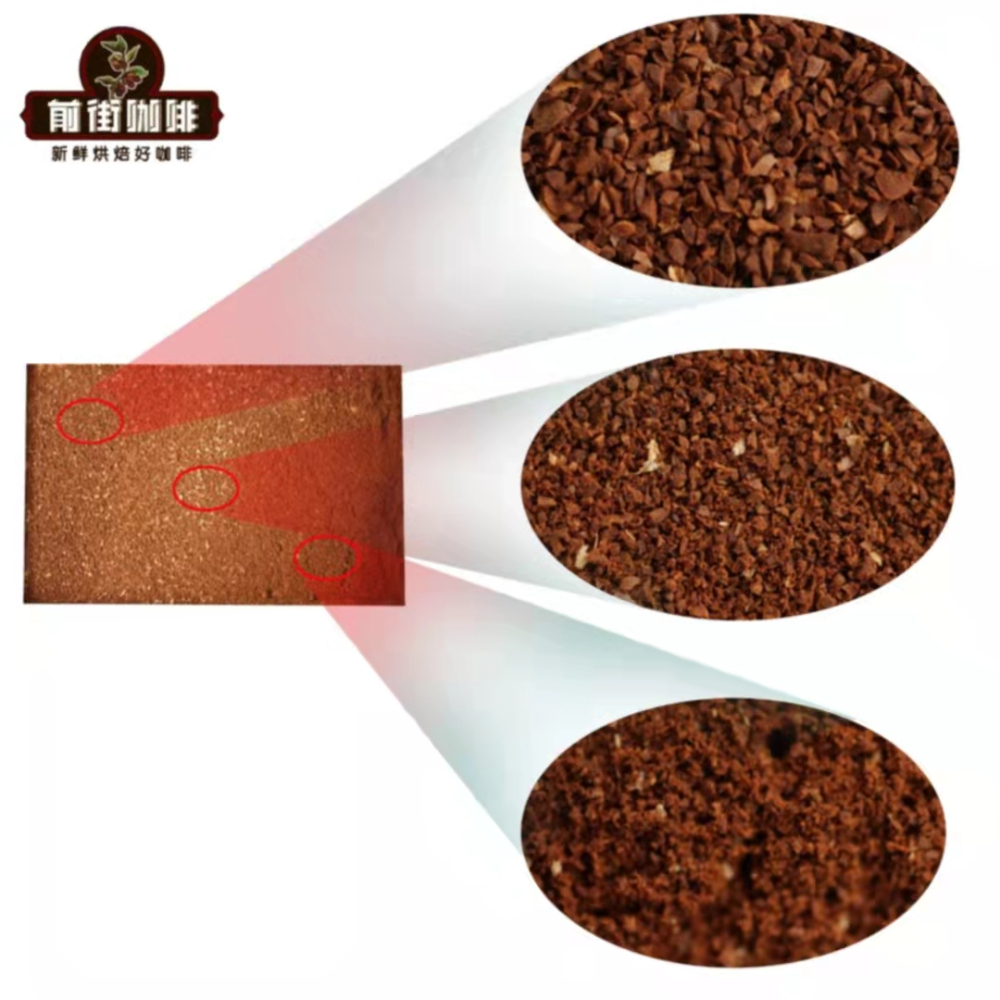
Ground too coarsely, the gaps between particles widen. Coarser coffee releases compounds more slowly while water runs through faster, giving a lighter body, weaker bitterness, reduced acidity, fewer off-flavors, and a cleaner taste. So the right pour-over grind must balance particle size against flow rate. Generally, extraction for 1-2 servings of pour-over should land around 2 minutes.
By the SCA cupping grind calibration standard (cupping requires a 70-75% pass rate on a #20 sieve), pour-over should be ground finer than cupping: aim for a 75-80% pass rate on a #20 sieve. This setting roughly matches what many cafes call a "fine pour-over grind."
The #20 sieve has one drawback: it only separates particles larger and smaller than 0.85mm, revealing nothing about the distribution below that size. We believe the ideal pour-over particle size lies between 0.6-0.8mm—the higher the share of grounds in that range, the better. So if budget allows, buy several sieves of different mesh sizes.
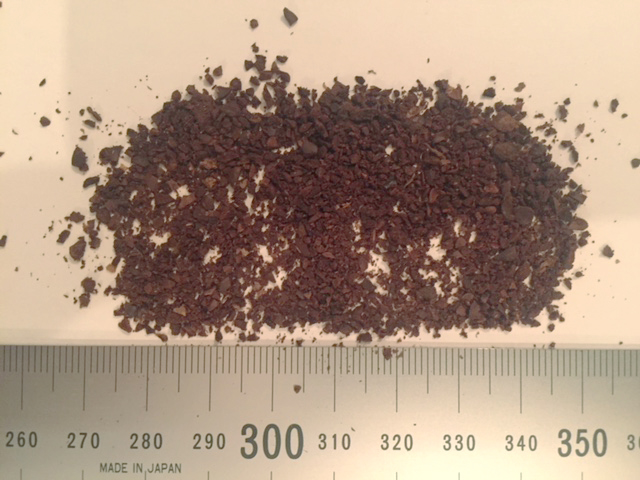
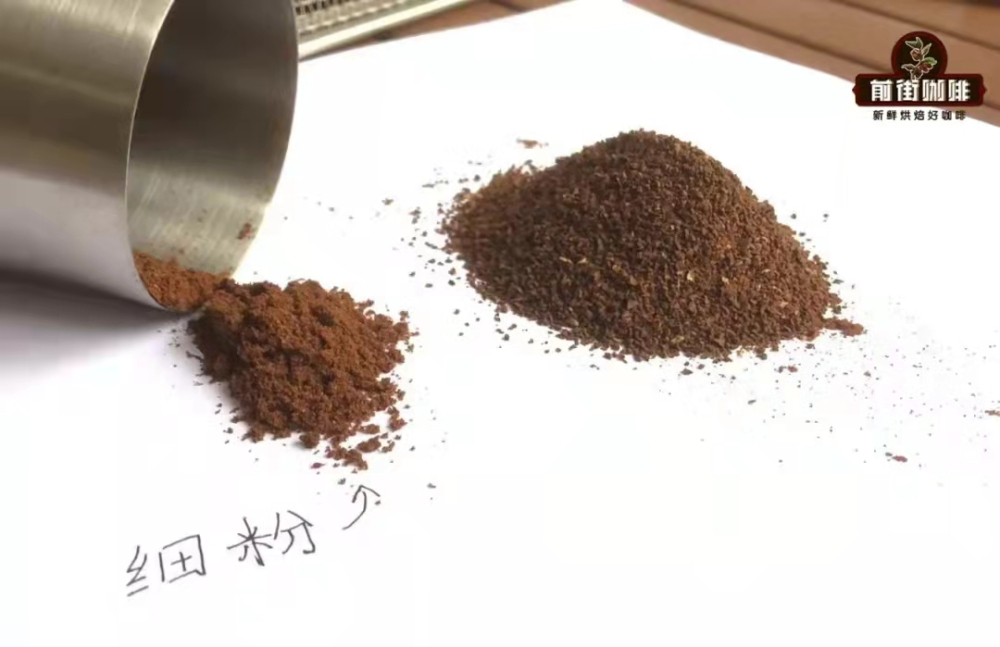
Particles smaller than 0.3mm are called very fine powder. A little fines enriches flavor, but too much seriously harms it. As for where to draw the line, FrontStreet Coffee uses 7% as the boundary (though this is not an absolute number).
Judging by Experience Instead
Besides using data to judge grind coarseness, you can also read it from the brew itself. First, brew time is a useful reference. By FrontStreet Coffee's parameter standards, normal extraction for 1-2 servings runs about 1 minute 50 seconds to 2 minutes 10 seconds. If the grind is too fine, extraction stretches longer; if too coarse, it finishes early—so extraction duration gives you an initial read on whether the grind is right.
You can also watch how the water drains through the grounds. Normally, the coffee bed settles at a uniform, leisurely pace. If the bed sinks quickly, the grind may be too coarse. If the drawdown grows ever slower—or stalls entirely—the grind may be too fine or loaded with fines, leaving a muddy look at the bottom of the bed.
FrontStreet Coffee Recommendation: Beans That Match Your Grind
Getting grind size right matters most when paired with the right beans, and the Hario V60 is the natural partner. Designed by Tokyo glassmaker Hario (founded in 1921) and redesigned in 2004 around its signature 60-degree cone, the V60's fast, unobstructed flow flatters bright, floral coffees. For light roasts, FrontStreet Coffee's Ethiopia Yirgacheffe Guodingding offers gentle citrus, berry, and white-floral notes with a green-tea finish, while the Ethiopia Huakui bursts with strawberry, passion fruit, and jackfruit sweetness. If you prefer the classic deep-roast style that shaped pre-2000 coffee culture, the FrontStreet PWN Golden Mandheling (low acidity, herbal and dark-chocolate depth) and Jamaica Blue Mountain No. 1—famous for its near-perfect balance of cream, caramel, chocolate, nuts, and honey—are the timeless choices. A medium-coarse grind at a 1:15 ratio and around 90°C water will let either style shine.
Important Notice :
FrontStreet Coffee is a long-established specialty coffee roaster in Guangzhou China, selling freshly roasted beans from its own farm in Yunnan as well as dozens of carefully selected single-origin beans from around the world for both pour-over and espresso. The products deliver consistently excellent quality and great value, with shipping within 24 hours. Guangzhou's FrontStreet Coffee shop is recommended by many coffee lovers, and the beans are now available online at the Tmall 。
FrontStreet Coffee has moved to a new address:
FrontStreet Coffee Address: 315,Donghua East Road,GuangZhou
Tel:020 38364473
 Scan and follow the En Gafei WeChat official account. Please indicate that the reprint comes from "En Gafei".