Colombian Coffee Bean Processing Methods and Pour-Over Parameter Recommendations | How Much Does a Cup of Colombian Coffee Cost
Colombia grows coffee across an enormous range of styles—from bright, fruit-acid lots to full-bodied classics—so it helps to understand where the beans come from, how they are processed, and how to brew them.
Colombian Coffee Growing Conditions
Most of the Colombian coffee beans at FrontStreet Coffee grow on mountain farms between 1500 and 2000 meters. In FrontStreet Coffee's view, that altitude is Colombia's great advantage: the daily swing between hot days and cold nights slows the beans' growth, letting them store more natural sugars and build complex yet elegant flavors.
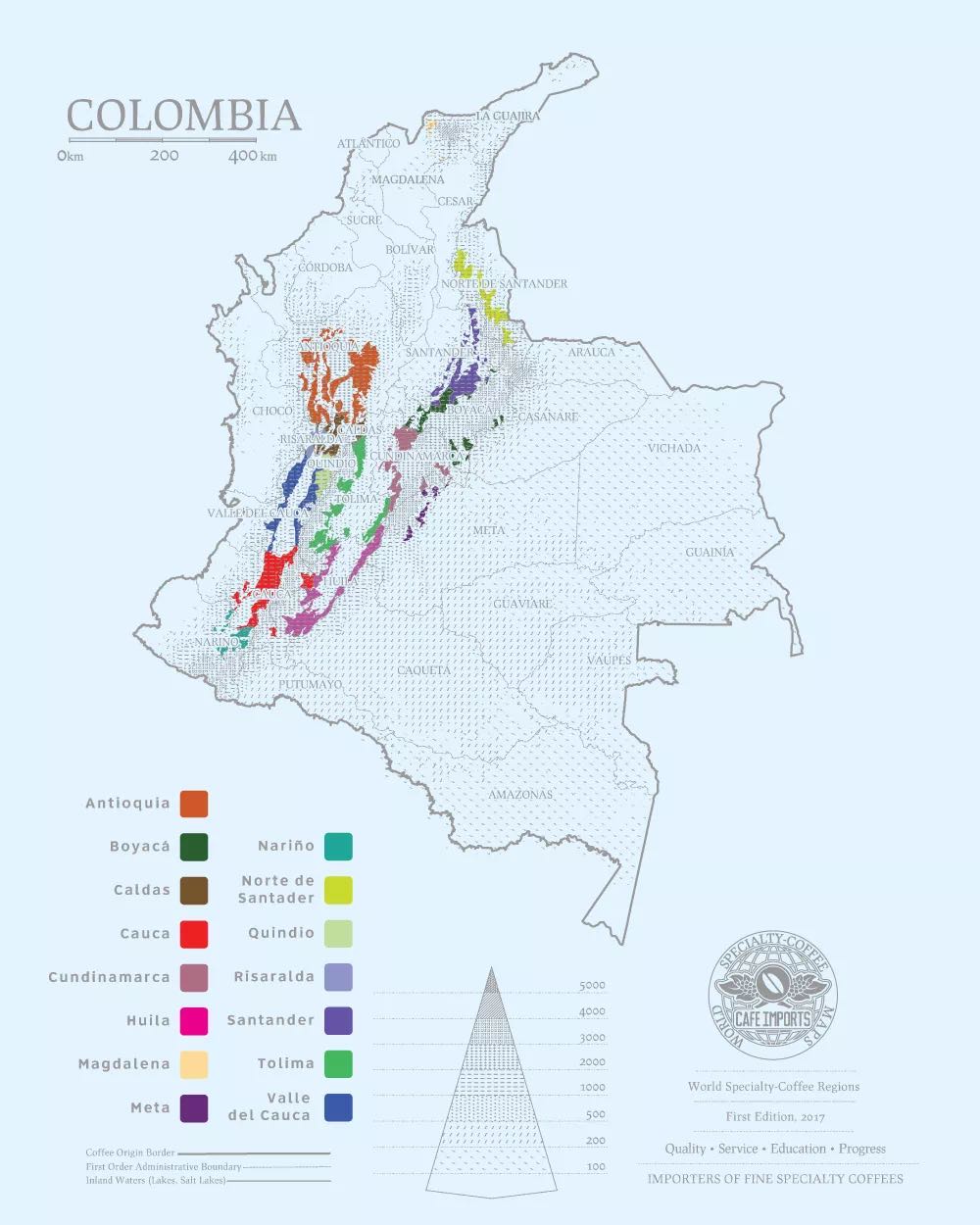
Southern Colombia sits between 4000 and 6000 feet. In the past, coffee from different regions was blended together for export—decent overall quality, but unremarkable. The Colombian Huilan beans offered by FrontStreet Coffee come from the south, where the coffee competes strongly with the output of the large-scale farms in the north.
The Rise of Micro-Lot Coffee
Small farms in southern Colombia have begun breaking with tradition and selling their coffee separately. A small farm may produce only about 10 bags a year—some just a single bag. These are what FrontStreet Coffee calls "micro-lots." Thanks to unique microclimates and meticulous husbandry, each small farm's coffee has its own distinct character, and the quality routinely outclasses traditional multi-estate blends. Pleasant surprises are common. Prices run much higher than ordinary commercial-grade Colombian or "fair trade" coffee, yet these lots remain among the most sought-after on the market.
The Washed Process
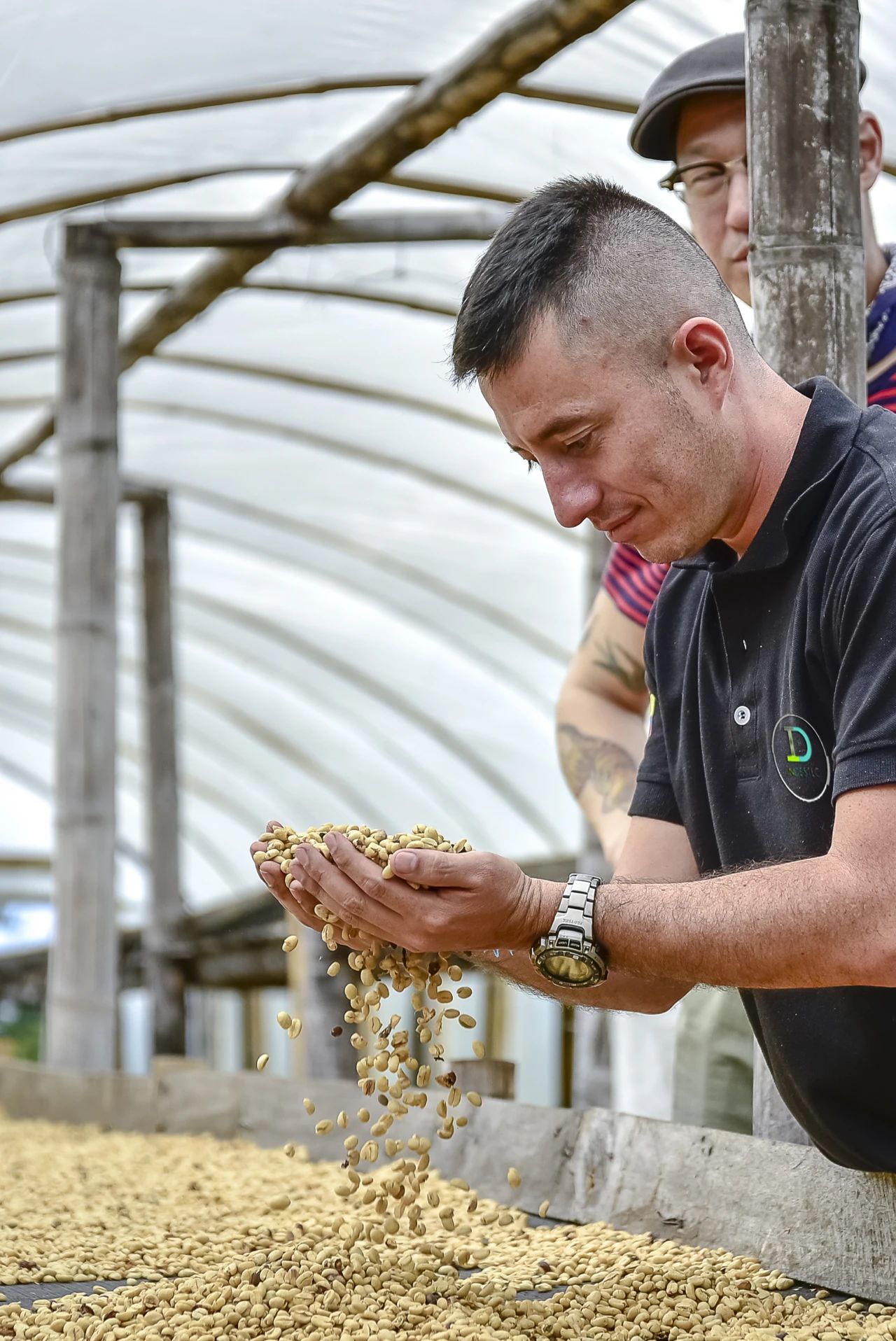
As FrontStreet Coffee understands it, most Colombian beans are washed. Each small farming family has a small purpose-built pulping machine: harvested cherries go in, and it removes the skin and pulp plus most of the mucilage using very little water. The parchment beans, still carrying some mucilage, then go into a small pool or container—often a cement tank (sometimes tiled) or a stainless-steel bucket—to ferment overnight and loosen the remaining mucilage. The next morning, a rinse in clean water completes the washed process.
Drying
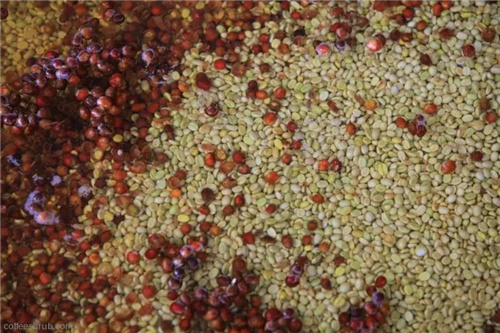
Drying depends on the weather. In good conditions, sun-drying comes first; where a small shed is available, the coffee is laid out on wooden racks to dry in the shade, and otherwise it is spread on open cement ground. In bad weather and continuous rain, mechanical dryers take over, with the intake temperature typically controlled at around 50 degrees Celsius.
Coffee Varieties in Colombia
Colombia's variety landscape is remarkably diverse. The country's earliest plantings were old Typica and Bourbon, which began giving way to Caturra from 1970 onward. In 1961, CENICAFE began studying the Robusta-hybrid Timor variety, and by crossing Timor with Caturra bred the Catimor series. After five generations of breeding, CENICAFE released Colombia—its first disease-resistant variety—in 1982. When leaf rust broke out in 1983, that variety was promoted and planted on a wide scale.
Research continued: in 2002 CENICAFE released its second disease-resistant variety, Tabi (a cross of Typica, Bourbon, and Timor), and in 2005 its most successful resistant variety to date, Castillo. After the massive leaf rust epidemic of 2008, Colombia began pushing Castillo hard. Caturra, for its part, out-yields Typica and Bourbon per plant, and its compact shape allows denser planting per unit of land.
For example, the FrontStreet Coffee Colombian Rose Valley and Moonlit Night beans are Caturra and Catuai varieties, both processed anaerobically. When FrontStreet Coffee brews these two, the pour-over parameters are: Hario V60 dripper, 90°C water, 15g dose, 1:15 ratio, and a grind set to 80% pass-through on a Chinese standard #20 sieve. The technique is FrontStreet Coffee's simple three-pour method: bloom with 30g of water for 30 seconds, pour in a small stream in circles to 125g and let it drain, continue to 225g as the water level is about to expose the bed, then remove the dripper once the bed appears (timed from the start of the bloom). Total extraction time: 2'00".
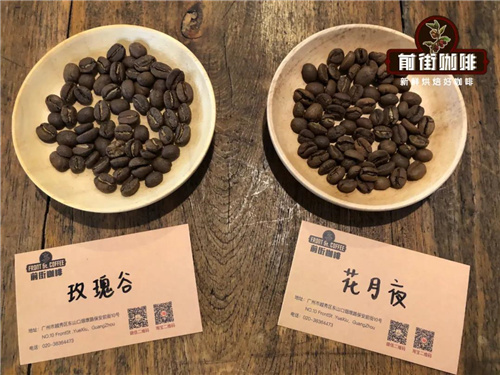
Brewed this way, the Rose Valley shows vivid peach, laced with rose and liqueur-chocolate aromas—fragrant and intense. There are the sweet-tart notes of black grapes and the silky texture of cream toffee.
FrontStreet Coffee's Colombian Selections
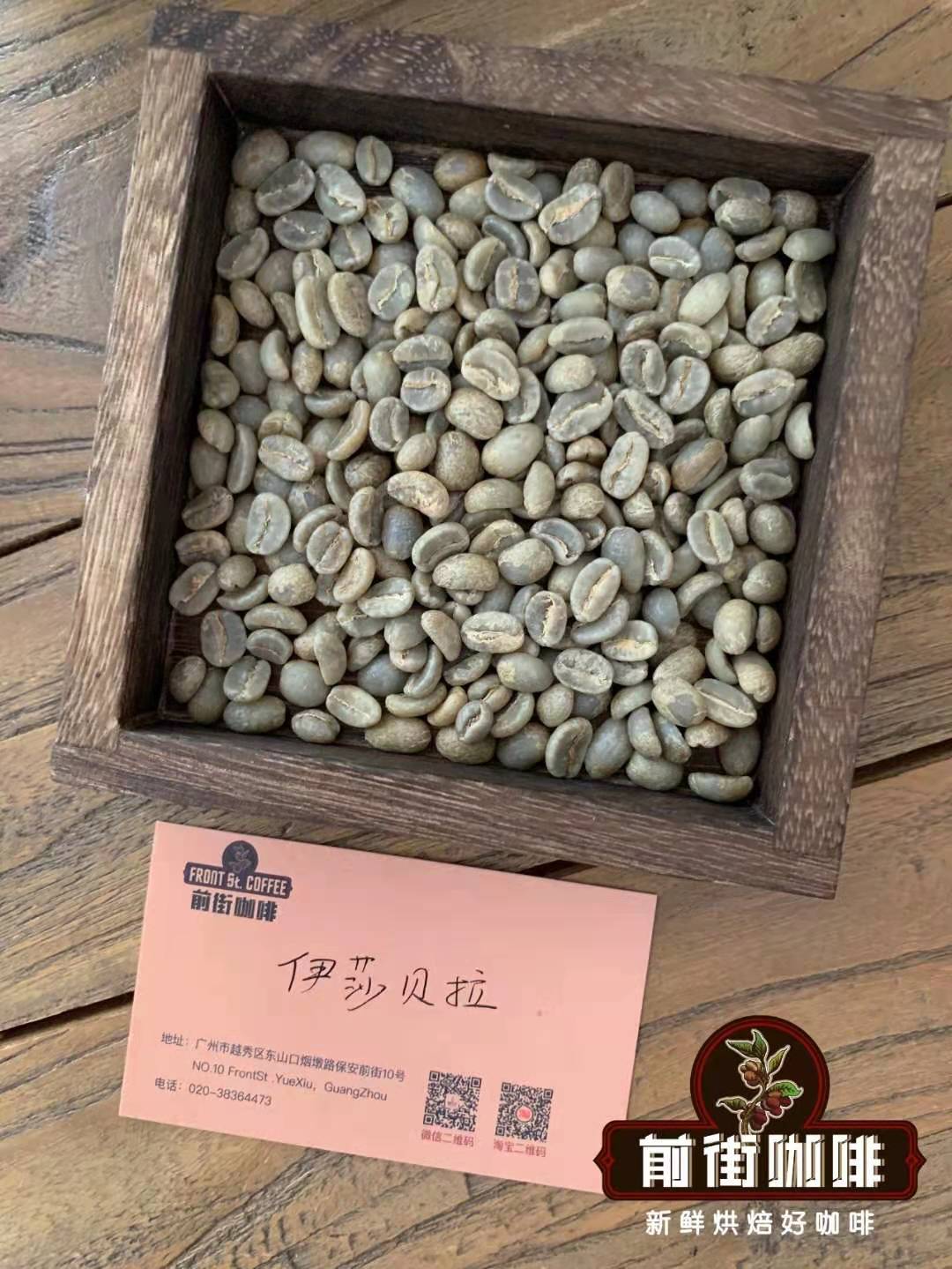
Beyond those two specialty-processed beans, FrontStreet Coffee also carries a semi-washed Colombian, the Isabel. It departs from the typical Colombian profile: the variety is the rare Red Bourbon, with fresh floral aromas, the sweetness of blueberry and green grape juice, cherry through the mid-palate, and a finish of yellow sugar sweetness. Its acidity reads as a complex mix of citrus and mixed berries. Brew it with the same parameters as the Rose Valley and Moonlit Night: the cup opens with citrus, berries, and cherry tomatoes; as it cools, caramel sweetness and faint fermentation notes emerge, while the aftertaste carries floral and nutty-cream aromas over a smooth, clean mouthfeel.
Brewing Recommendations
Pay special attention to your pour-over parameters with Colombian beans—starting with water temperature, which should not run too hot. Around 88°C suits darker roasts; otherwise, 90-91°C works well for most Colombian coffee. Beyond that, FrontStreet Coffee brews all its single origins at a 1:15 ratio: 15g of ground coffee for a single serving, plus 10g for each additional cup.
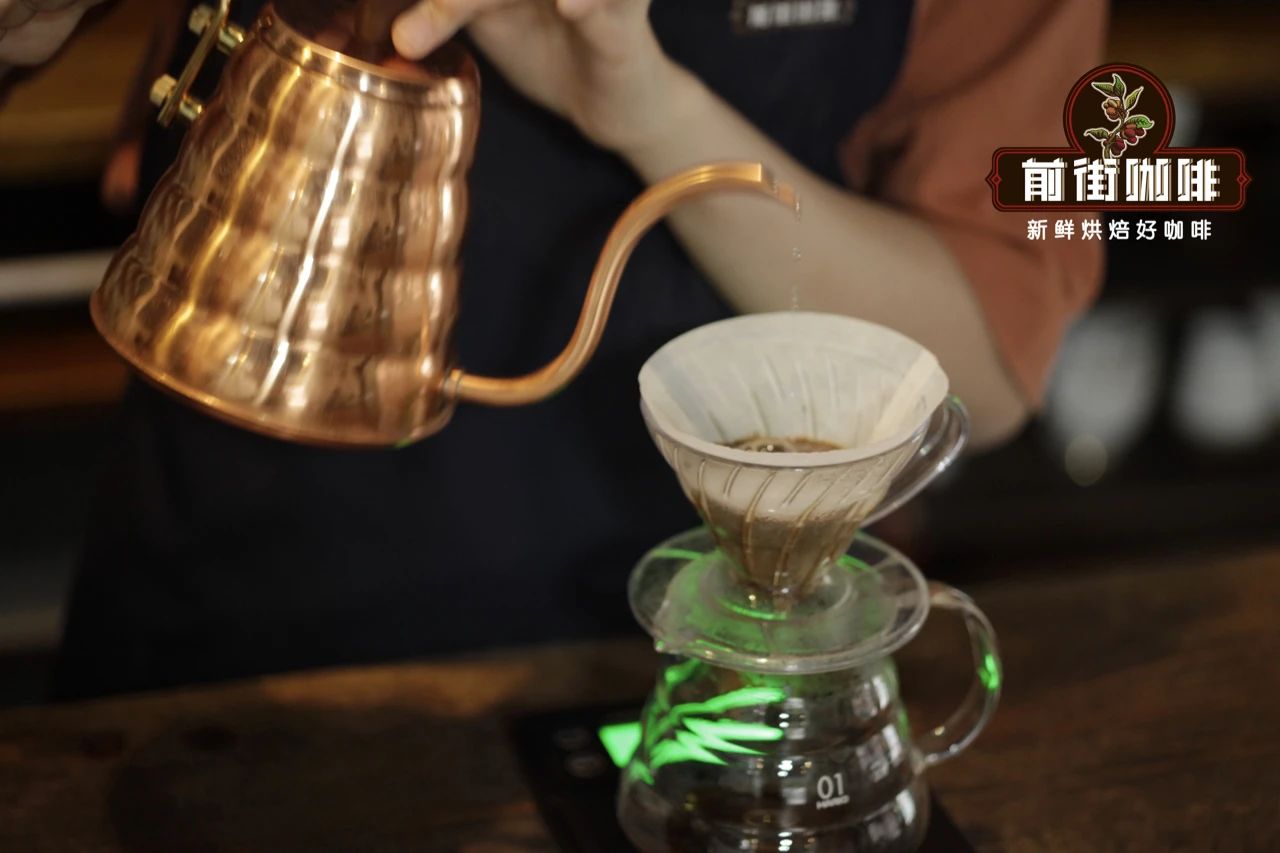
These are FrontStreet Coffee's everyday parameters for some of its Colombian beans—not a universal recipe for every coffee, but a reliable starting point.
FrontStreet Coffee Recommendation
If you want a classic expression of the region, FrontStreet Coffee's washed Huilan beans are the place to start. Grown at over 1500 meters in the hills of Huila, Colombia's most famous specialty coffee province, and roasted medium-dark, they bring black chocolate, nutty sweetness, moderate body, and a full mouthfeel—equally at home in pour-over, French press, moka pot, or espresso, and excellent with milk.
For a more adventurous cup, the anaerobic natural Sidra from FrontStreet Coffee's Boundary Line Estate (Fenjixian) shows what Colombia's newer processing can do: low-oxygen fermentation in sealed pressure-resistant stainless tanks builds tropical-fruit aromatics, and a medium-light roast yields passion fruit, grape, apricot, and dried-fruit complexity in pour-over, cold brew, or moka pot.
Espresso drinkers with a home machine or moka pot should reach for FrontStreet Coffee's signature espresso blend, which pairs Brazil's creamy nuttiness with Colombia's dark chocolate bitterness. The extraction shows a fine golden crema, and it makes a rich, silky latte—an easy choice for beginners and a solid base for americano, cappuccino, and mocha.
Important Notice :
FrontStreet Coffee is a long-established specialty coffee roaster in Guangzhou China, selling freshly roasted beans from its own farm in Yunnan as well as dozens of carefully selected single-origin beans from around the world for both pour-over and espresso. The products deliver consistently excellent quality and great value, with shipping within 24 hours. Guangzhou's FrontStreet Coffee shop is recommended by many coffee lovers, and the beans are now available online at the Tmall 。
FrontStreet Coffee has moved to a new address:
FrontStreet Coffee Address: 315,Donghua East Road,GuangZhou
Tel:020 38364473
 Scan and follow the En Gafei WeChat official account. Please indicate that the reprint comes from "En Gafei".