How Good Are Colombian Small Mocha Premium Coffee Beans? Colombian Coffee Bean Wholesale Price List
Colombian Coffee: An Introduction
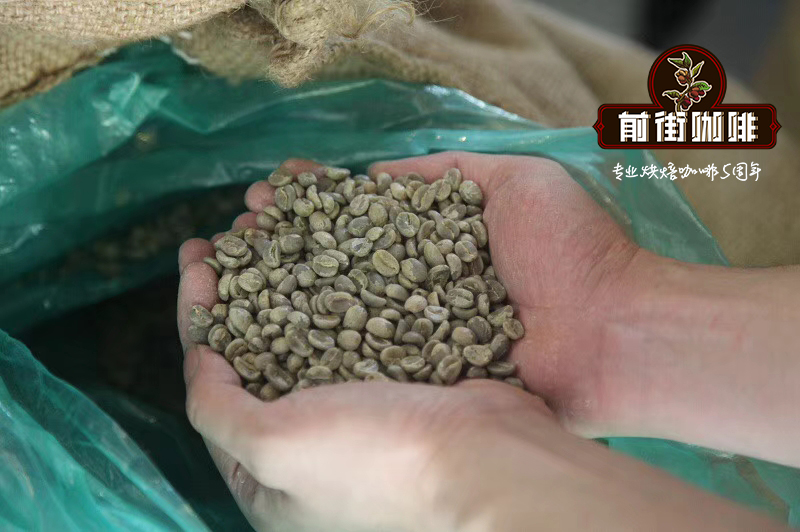
Colombian coffee beans are a remarkably representative excellent variety among Arabica coffee species, and also a traditionally deep-roasted coffee with a strong, memorable taste. Its aroma is rich and substantial, carrying bright, high-quality acidity, excellent balance, and sometimes nutty notes with an endless aftertaste. In both appearance and quality, Colombian coffee beans are superior products—charming, passionate, and perfectly balanced.
Regional Characteristics
Colombian coffee beans offer balanced flavor with a smooth mouthfeel, much like a gentleman among coffees—well-mannered and conventional. Their growing regions are extensive, with Medellin, Armenia, and Manizales the most famous, collectively known as "MAM."
Colombia's premium coffee-growing regions are mainly in the south, at altitudes above 1,500 meters, including San Augustin in Huila Department, Popayan in Cauca Department, Nariño Department, and Tolima Department. Products from these areas all feature delicate acidity and berry notes, with caramel aroma and abundant sweetness.
La Esperanza Estate
La Esperanza Estate owns four farms (Esperanza, Las Margaritas, Cerro Azul, and Potosi). Its farms have won Best of Panama championships (2008) and runner-up (2009)*. In 2012, they achieved an incredible feat by securing three positions in the SCAA Coffee of the Year top ten—unbelievably taking 2nd, 3rd, and 7th place. In the GFA (Good Food Award), La Esperanza Estate became the only award-winning estate outside Ethiopia, Kenya, and Panama.
La Esperanza Estate differs from other estates by employing a PhD botanist, three professional cuppers, and 100 full-time employees, currently managing six estates under their administration. The estate is owned by the Herrera brothers. In fact, the Herrera brothers' grandfather operated a coffee farm in Colombia's Trujillo region, which gradually declined. The two brothers left Colombia but never abandoned their dream of returning to their homeland to run a coffee estate.
La Esperanza Estate's experimentation and innovation with coffee varieties seem endless, continuously testing different new varieties. Beyond the organic Caturra that originally occupied most of La Esperanza Estate's area, they grow Gesha, organic Gesha, Mocha, Bourbon (including red, yellow, and Tekisik variations), Pacamara, San Bernardo, and Pache. They truly bring the serious attitude that wineries have toward grape varieties into coffee cultivation. After Gesha, Pacamara, Bourbon, and even Mocha varieties from La Esperanza Estate continue to create amazement and admiration in the specialty coffee industry.
Mocha Varieties
Little Mocha is a Bourbon variety from Ethiopia or Yemen, later transplanted to Brazil, Hawaii, Guatemala, and Colombia. The beans are naturally small and round—though not peaberries. After Little Mocha arrived in Hawaii, research institutions crossed it with Typica to create Tall Mocha, adapting to Hawaii's Maui climate while keeping its original small, cute appearance. Guatemala's or Colombia's Little Mocha may come from Brazil or Hawaii. If from Brazil, it keeps the original dwarf characteristics; if from Hawaii, it might be the improved Tall Little Mocha.
The Mocha Peaberry variety can be described as a pearl treasure in the coffee world. Since Guatemala's El Injerto Estate auctioned it for $211.50 per pound in 2011, it gained instant fame. In 2012, it sold for a crazy price of $500.50 per pound. In recent years, prices have remained high—for example, $321.51 per pound in 2014. After all, this remains a rare variety with few growing estates, low yield per tree, and extremely challenging post-harvest processing due to the special bean shape. High-quality Mocha Peaberry remains quite difficult to find.
La Esperanza's Honey-Processed Mocha
The honey-processed Mocha Peaberry from Colombia's triple-crown estate La Esperanza (Café Granja La Esperanza) is one of the standout lots from a farm that has won Best of Panama championships and placed three coffees in the SCAA Coffee of the Year top ten. It shows how far the estate's variety work extends, applying the same exacting standards to Mocha that made its Gesha and Pacamara famous.
Colombian Coffee Brand Recommendations
Colombian coffee beans roasted by FrontStreet Coffee offer excellent guarantees in both brand and quality. More importantly, they provide exceptional value, whether you drink them daily or keep them for a special occasion.
FrontStreet Coffee Recommendation
Colombia's Mocha and Gesha lots are the headline acts, but the country also produces excellent everyday coffee. FrontStreet Huila, from Colombia's best-known specialty region in the southern Central Cordillera, is planted above 1,500 meters amid mountains and fed by the confluence of the country's most important rivers. Roasted medium-dark, it highlights dark chocolate and nutty sweetness with moderate oils and a full body—good for pour-over and French press as well as moka pot and espresso.
For something more experimental, FrontStreet Colombia Sidra from Finca La Divisa is anaerobically fermented. Colombia traditionally washed its coffee, but innovative processing has grown quickly, and anaerobic fermentation—sometimes called carbonic maceration—takes place in a sealed, pressure-resistant stainless steel tank where temperature, time, pH, and other variables can be controlled. This Sidra goes through anaerobic natural processing, developing more tropical fruit aroma; roasted light-medium, it shows passion fruit, grape, apricot, and dried fruit across pour-over, cold brew, drip bags, and moka pot.
If you brew espresso at home or use a moka pot, FrontStreet Signature Blend combines Brazilian coffee's creamy nuttiness with Colombian coffee's dark chocolate bittersweetness. Extraction yields a fine golden crema, and with milk it makes a rich, smooth latte—beginner-friendly and a solid base for Americanos, cappuccinos, and mochas.
Important Notice :
FrontStreet Coffee is a long-established specialty coffee roaster in Guangzhou China, selling freshly roasted beans from its own farm in Yunnan as well as dozens of carefully selected single-origin beans from around the world for both pour-over and espresso. The products deliver consistently excellent quality and great value, with shipping within 24 hours. Guangzhou's FrontStreet Coffee shop is recommended by many coffee lovers, and the beans are now available online at the Tmall 。
FrontStreet Coffee has moved to a new address:
FrontStreet Coffee Address: 315,Donghua East Road,GuangZhou
Tel:020 38364473
 Scan and follow the En Gafei WeChat official account. Please indicate that the reprint comes from "En Gafei".