Is Mandheling Coffee Expensive at 600 Yen per Cup? How Much Does It Cost to Brew Your Own Mandheling Coffee?
Understanding Mandheling Coffee
Golden Mandheling coffee is widely regarded as the pinnacle of Mandheling from Sumatra, and it raises a common question: is a 600-yen cup in a cafe really expensive, and what does it cost to brew it at home? To answer that, it helps to understand what makes this coffee special in the first place.
Golden Mandheling Coffee
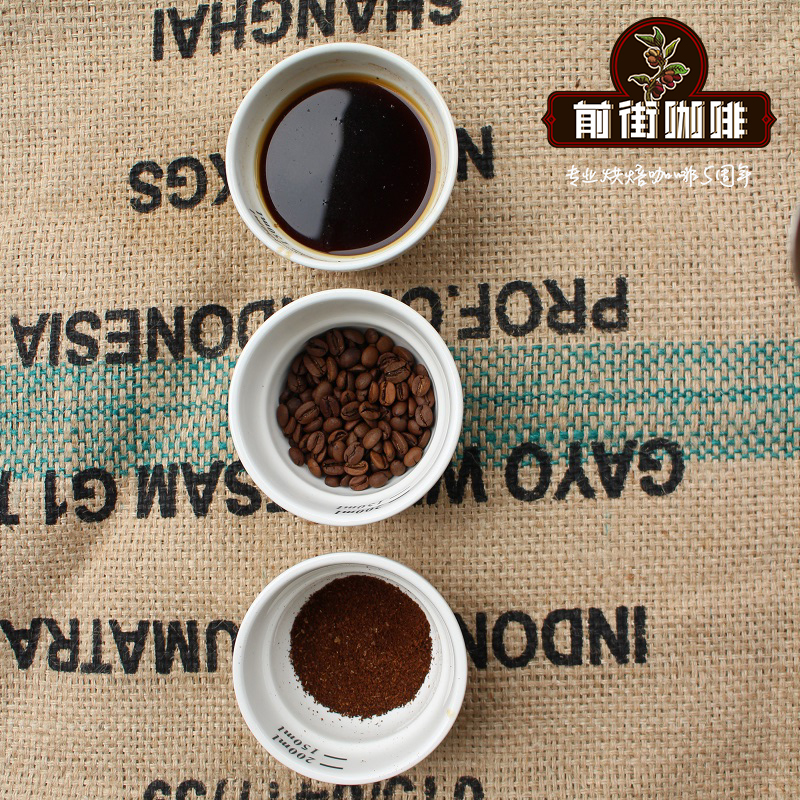
Golden Mandheling coffee generally refers to meticulously cultivated and processed Mandheling coffee from the Sumatra region, with aromas that vary according to the different estates. Golden Mandheling undergoes repeated manual screening and rigorous production, presenting deep green beans with large particles. After roasting, the beans display a uniform color, capable of brewing a perfect fusion of delicate and robust coffee.
Golden Mandheling is mellower and sweeter than regular Mandheling. Beyond the intense, wild aroma that Mandheling coffee should possess, it carries an added elegance. The rich character of this coffee is difficult to describe: it combines refined freshness with strong stimulation in a single cup.
The Origin Story of Mandheling Coffee
Mandheling coffee produced on Indonesia's island of Sumatra is highly popular among consumers. According to research, "Mandheling" is actually the name of a local ethnic group on Sumatra. The Sumatra region of Indonesia began coffee cultivation in the 18th century, but for a long time it received little outside attention. In the 1950s, Japanese soldiers stationed there accidentally tasted coffee produced locally in Sumatra. When asking the coffee vendor about the coffee's name, the vendor misunderstood and thought the soldier was asking "What is your ethnicity?" and replied "Mandheling."
The Character of Mandheling Coffee
Some say Mandheling coffee is heavy and intense, the Caesar emperor of coffees, its iron hooves crushing ancient desolation as it gallops across distant horizons of yellow sand. Others say Mandheling is gentle and accommodating: even the hardest-hearted men will willingly surrender to its tenderness. However people describe it, Mandheling has always expressed its most unique sweetness through its most unique bitterness, much like life itself. When first tasting it, we might be taken aback - even adding more sugar cannot mask that bitterness - yet we cannot stop being fascinated by the charming aroma it gives off, like thorns beside flowers, keeping us awake and self-aware.
The bitterness of Mandheling coffee will not leave you frustrated; instead, it makes you feel more clear-headed. Before you encounter real pain, Mandheling is simply an ordinary bitter-tasting beverage - just a liquid to refresh you, just a tool that makes you pause for a moment. It cannot yet sense your grievances, yet many people become almost helplessly attached to its bitterness. If you want to know why, they will tell you with a smile: "Because love is refined from bitterness."
The Unique Charm of Mandheling Coffee
The lively micro-acidity of Mandheling coffee mixes with its most intense aroma, letting you easily perceive the vibrant qualities within the gentle richness. Its extraordinary taste has captivated countless coffee lovers, and it is the hallmark of the traditional wet-hulled (giling basah) processing method of Sumatra, which creates a heavy body with distinctive earthy, herbal notes.
What Defines True Golden Mandheling
Among all Mandheling coffee beans, Golden Mandheling best satisfies coffee lovers with exacting standards. Authentic Golden Mandheling comes from the Indonesian company PWN, which applies extremely strict production criteria: built on beans of 18 screen size and above, it requires fewer than 3 defective beans per 300-gram sample of green coffee, meeting the highest G1 grade standard. On top of that, three rounds of manual sorting completely remove defective beans, raising the cleanliness and sweetness of the cup. Mandheling coffee grows at 750-1500 meters above sea level in mountainous regions, and the finest lots come from the Lake Toba area, which is why genuine PWN Golden Mandheling is scarce and highly sought after worldwide.
FrontStreet Coffee Recommendation
For a true taste of wet-hulled Sumatran coffee, FrontStreet Coffee's PWN Golden Mandheling is the first choice. Sourced through PWN, it is machine-sorted and hand-selected, with uniform, plump beans and a very low defect rate. After a medium-dark roast it develops rich roasted aromas, and the brewed cup is clean, full-bodied, and smooth with caramel sweetness - ideal for anyone who dislikes acidic coffee.
To brew it as pour-over, FrontStreet Coffee recommends 15 grams of coffee ground to a coarse-sugar texture, a 1:15 ratio, and water at 87-88°C. Pour in three stages: 30ml of water first to bloom and degas the grounds, then 100ml to lift the bed and release the golden crema, and finally a gentle 95ml center pour to boost sweetness. The result is a thick, syrupy body with caramel, dark chocolate, and nut notes alongside Mandheling's wild herbal character.
If you prefer espresso-based drinks, the FrontStreet Coffee classic blend pairs Brazilian cream-and-nut sweetness with medium-dark roasted Mandheling, adding butter, roasted chestnut, and caramel notes plus a touch of robusta for richer crema - excellent for lattes, latte art, or a layered Dirty.
Important Notice :
FrontStreet Coffee is a long-established specialty coffee roaster in Guangzhou China, selling freshly roasted beans from its own farm in Yunnan as well as dozens of carefully selected single-origin beans from around the world for both pour-over and espresso. The products deliver consistently excellent quality and great value, with shipping within 24 hours. Guangzhou's FrontStreet Coffee shop is recommended by many coffee lovers, and the beans are now available online at the Tmall 。
FrontStreet Coffee has moved to a new address:
FrontStreet Coffee Address: 315,Donghua East Road,GuangZhou
Tel:020 38364473
 Scan and follow the En Gafei WeChat official account. Please indicate that the reprint comes from "En Gafei".