Honduras |
Honduras
01 | Introduction to Coffee Regions
Honduras sits in northern Central America, bordered by the Caribbean Sea to the north and the Gulf of Fonseca to the south. It shares borders with Nicaragua and El Salvador to the east and south, and with Guatemala to the west. The terrain is mainly mountains and plateau. A tropical climate with mild temperatures and abundant rainfall gives Honduras ideal conditions for coffee.
Honduras produces two coffees of exceptionally high quality that coffee drinkers rate highly. One is "High Grown" coffee, cultivated at 1,000-1,500 meters, and the other is "Strictly High Grown" coffee, grown at 1,500-2,000 meters, which represents the country's highest grade. Most Honduran coffee is exported to the United States and European markets.
Twenty years ago, Honduras could hardly compete with its neighbors on attention to processing detail, upkeep of processing facilities, investment in equipment, export procedures, or green bean logistics. Green bean quality was generally coarse rather than refined, and only a few estates or Cup of Excellence winning lots qualified as specialty coffee. Since 2007 the situation has improved. Under the leadership of IHCAFE (the Honduran Coffee Institute) and a number of forward-thinking dry processing facilities, Honduras has made steady progress in refining processing workflows, investing in green bean equipment, and improving transport and export systems. Although international recognition remains relatively low, proactive roasters have already begun investing in Honduran coffee regions in search of specialty gems. In terms of output, Honduras was Central America's leading coffee-producing country during 2011-2012, harvesting roughly three million bags (46kg) a year. Beyond volume, IHCAFE has partnered with like-minded producer associations and processing facilities on a series of programs aimed at giving international buyers high-quality, flavorful Honduran coffee.
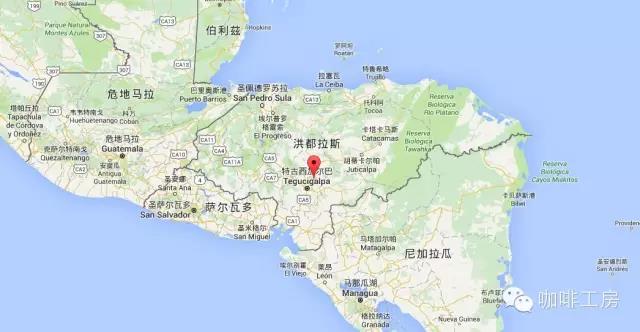
Introduction to Honduras' Eight Major Coffee Regions
According to IHCAFE data, Honduran coffee can be divided into six major regions, mostly in the west and south: Copan, Opalaca, Montecillos, Comayagua, Agalta Tropical, and El Paraiso. The average cultivation elevation for specialty coffee in these regions is above 1,100 meters. There, 69% of cultivated coffee falls into the HG grade, 12% into SHG, and 19% into CS. The main varieties are Typica, Bourbon, Caturra, Villa Sarchi, and Lempira. Current grading mainly follows altitude standards, as shown below:
The following three grades correspond to specific altitude ranges:
Standard grade: cultivation altitude of 610-915 meters
High Grown grade: cultivation altitude of 915-1,220 meters
Strictly High Grown grade: cultivation altitude of 1,221 meters and above
Of particular interest is the recently established "Honduras Western Coffee" association in the western region, abbreviated HWC, whose development is worth watching.
Coffees produced and labeled by Honduras Western Coffee (HWC) represent the first Protected Geographical Indication (PGI) recognized by the Honduran government, while also being registered as Honduran intellectual property (IP) and brand collective mark (MC).
In other words, HWC was the first designation of its kind to be recognized and registered by the Honduran Institute of Property, covering both a protected geographical indication and a brand collective mark.
Beyond promoting specialty coffee through Cup of Excellence competitions, Honduras has launched more refined and precise regional branding. The purpose aligns with Guatemala's regional identification and geographical indication systems, and may also reflect the influence of Ethiopia's defense of coffee names such as Sidamo and Yirgacheffe as trademarks. The Honduras Western Coffee designation was registered during the planning phase and received approval from both the government and the national coffee institute. Their approach sets Grade 1 and Grade 2 standards based on harvesting and processing quality assessments and cupping in western regions, giving the market a procurement reference. At the same time, they have defined 8 sub-regions for Honduras Western Coffee (HWC) based on organoleptic characteristics, geography, climate, soil, and processing methods.
These sub-regions are:
Erapuca (Ocotepeque-Copan)
Guisayote (Ocotepeque)
Celaque (Ocotepeque, Copan and Lempira)
Puca (Lempira)
Camapara (Lempira)
Congolon (Lempira)
Opalaca (Intibuca)
Green Mountain (Lempira)
San Juan Siguatepeque Estate
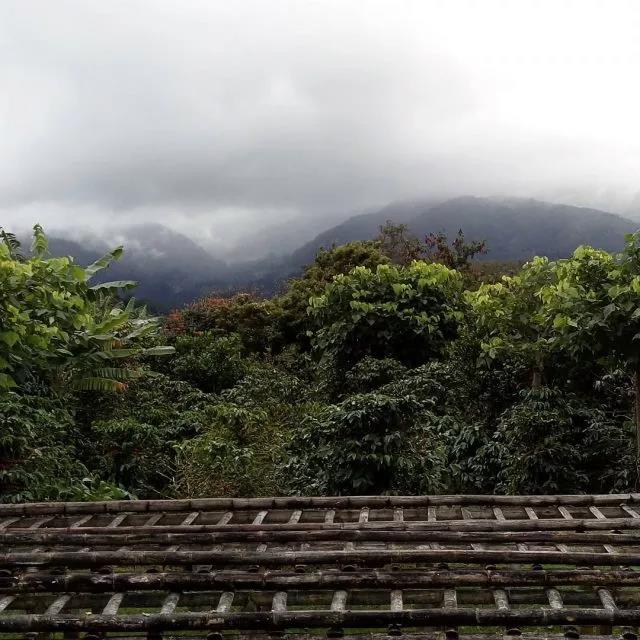
San Juan Siguatepeque is a small village in central Honduras, 40 kilometers northeast of the capital, Tegucigalpa. The town is part of the Francisco Morazan jurisdiction. Although San Juan Siguatepeque has historically been known for its mineral deposits, the estate's real significance comes from its location within the buffer zone of La Tigra National Park, a rainforest ecosystem and Honduras' first national park.
The park acts as a massive water reservoir, and its climate and altitude are highly conducive to producing high-quality coffee beans. Coffee here is grown on mountains at 1,450-1,550 meters, shaded by fruit trees including bananas, avocados, and papayas.
02 | Processing Methods
Washed Processing
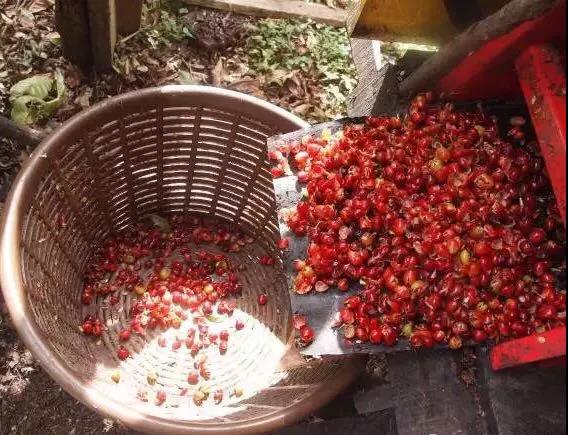
For ease of harvesting, farmers prune coffee trees so they do not exceed 150 centimeters in height, since taller trees would need ladders, which is time-consuming and risks damaging the branches. Because each coffee fruit ripens at a different time, keeping quality high requires manual harvesting followed by selection of ripe fruit. Fruit on the same branch often takes several weeks to finish harvesting.
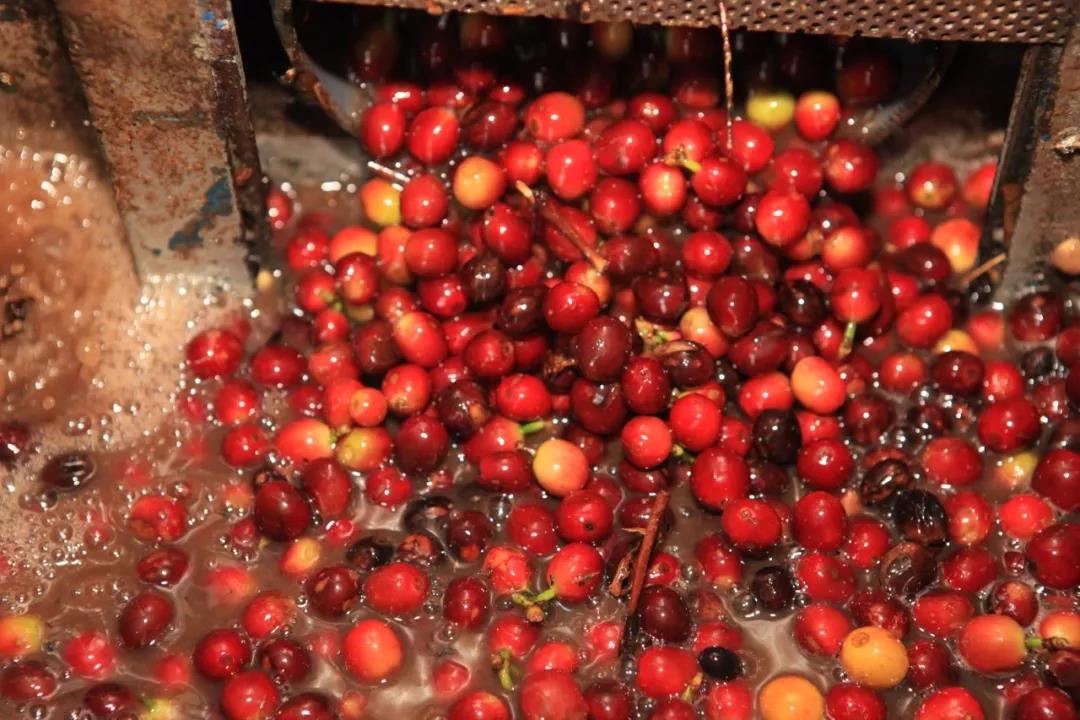
High-quality Honduran coffee uses washed processing. First the cherries are soaked, during which defective fruit floats to the surface and is removed. The good cherries then go into a depulping machine, where rotational force strips off the skin. The depulped cherries are sorted mechanically to select the best fruit - typically, larger fruit indicates better maturity. Honduran coffee is dried in the sun, which contributes the subtle fruity aroma characteristic of the cup.
In San Juan Siguatepeque there is a cooperative of hundreds of small-scale coffee farmers. COMISAJUL is a cooperative organized by several hundred coffee farmers in the San Juan Siguatepeque region, with a farm that includes a washing station and fermentation tanks. There, cherries are processed for 10-12 hours initially, then thoroughly washed. Under special weather conditions, they are moved to African drying beds for 8-10 days.
03 | Green Bean Analysis
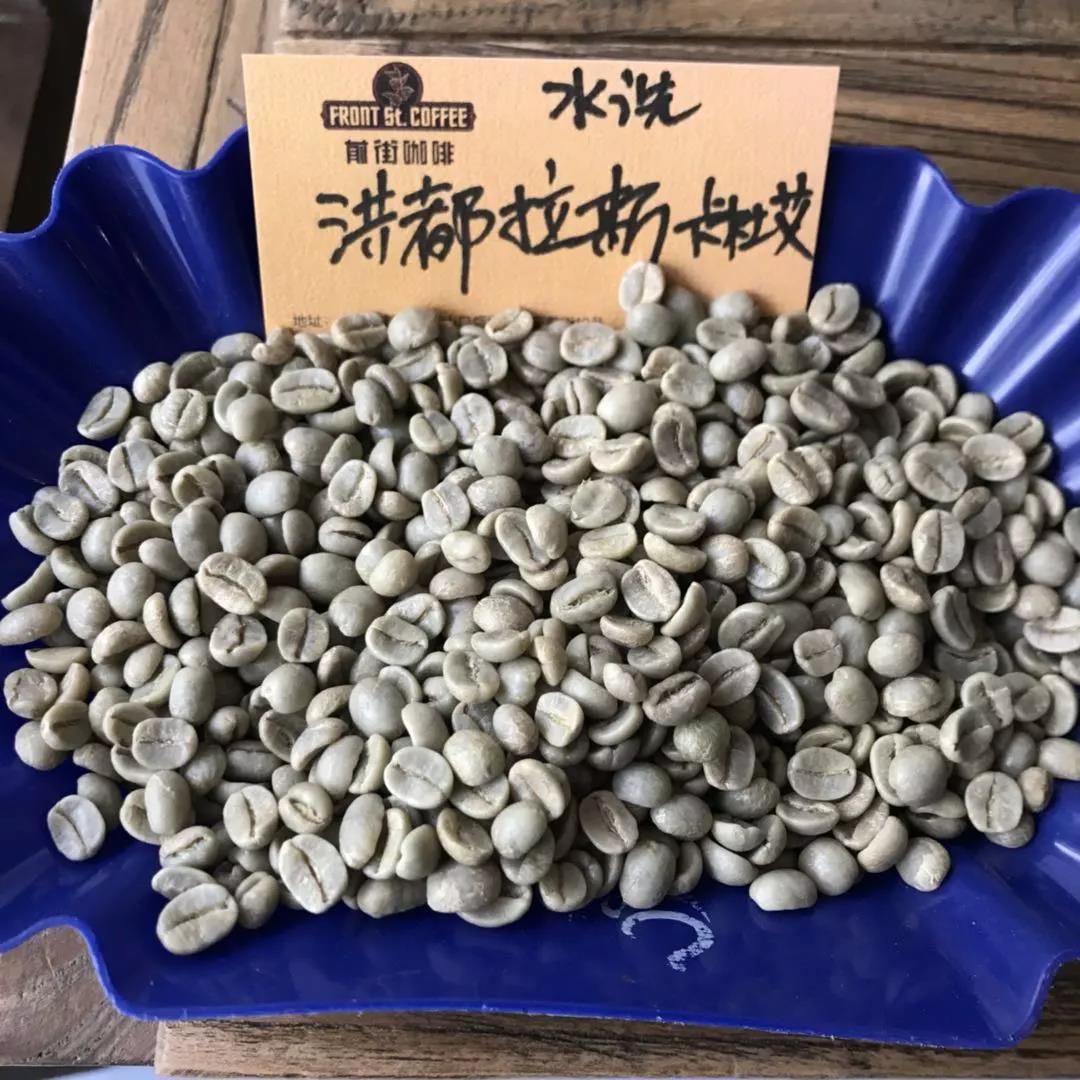
Honduran coffee beans are characterized by relatively large, uniform sizes with consistent color and luster.
Classification by Altitude
| SHG | Strictly High Grown | Over 1500 m |
| HG | High Grown | from 1000 to 1500 m |
| CS | Central Standard | Under 1000 m |
Classification by Defect Rate
| USP | US preparation |
| EP | Euro preparation |
Meaning and rules for Honduran green bean naming:
Honduras SHG EP
Country + Altitude Grade + Defect Standard
Green Bean Information:
Country: Honduras
Region: San Juan Siguatepeque Estate
Altitude: 1,300 meters
Varietal: Catuai
Process: Washed
04 | Roasting Analysis
Honduran coffee consists of hard beans with moderate moisture content and relatively uniform bean size. We have established a general range: to develop Honduras' rich flavor characteristics, hard beans need to be roasted to medium-dark or beyond. With that range in mind, we designed curves for medium, medium-dark, and second crack profiles.
FrontStreet Coffee recommends keeping detailed data records before roasting, including bean moisture content, density, origin, processing method, and the ambient temperature and humidity in the roasting room, then planning your curve accordingly. Record the relevant chemical and physical changes during roasting - this will help you understand the final result and improve your curves.
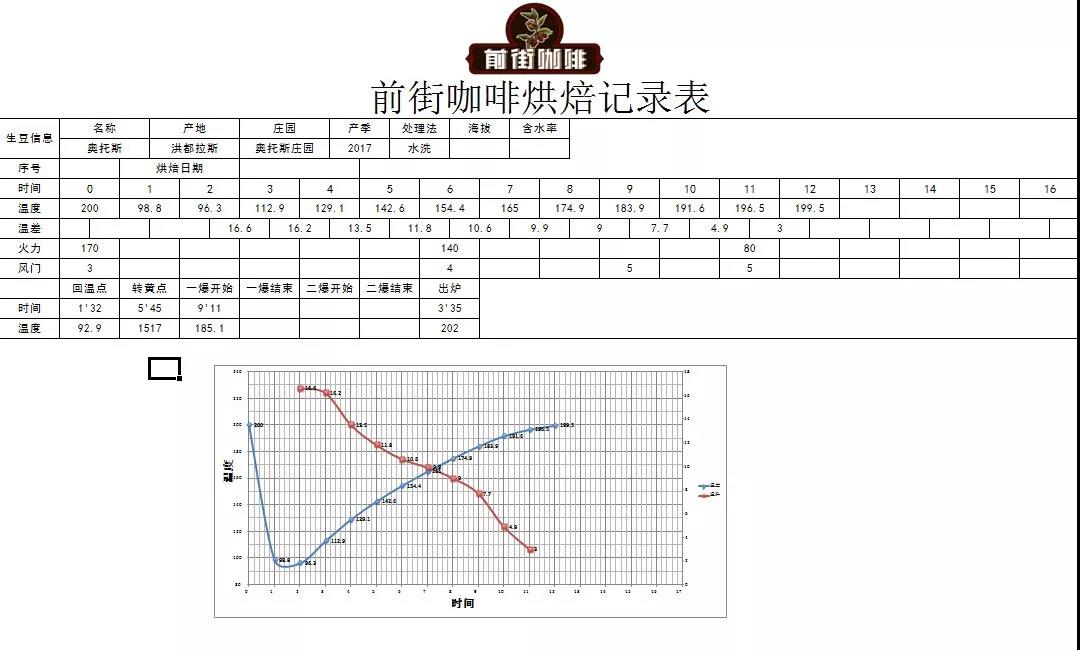
Roaster: Yangjia 800N, with 550g green beans loaded
Roasting Profile:
Preheat the roaster to 200°C, set the air damper to 3. After 1 minute, reduce heat to 170°C while keeping the damper unchanged. At 5'45", when the temperature reaches 151.7°C, the bean surface turns yellow and the grassy aroma completely disappears, indicating dehydration is complete. Reduce heat to 140°C and adjust the damper to 4.
At the 9'00 mark, ugly wrinkles and black spots appear on the bean surface, and the toasted bread aroma clearly transitions to coffee aroma - this can be defined as the prelude to first crack. At this point, listen carefully for the first crack sound. First crack begins at 8'23"; reduce heat to 80°C with the damper fully open (heat adjustment must be very careful - not so low that cracking stops). Drop at 202°C.
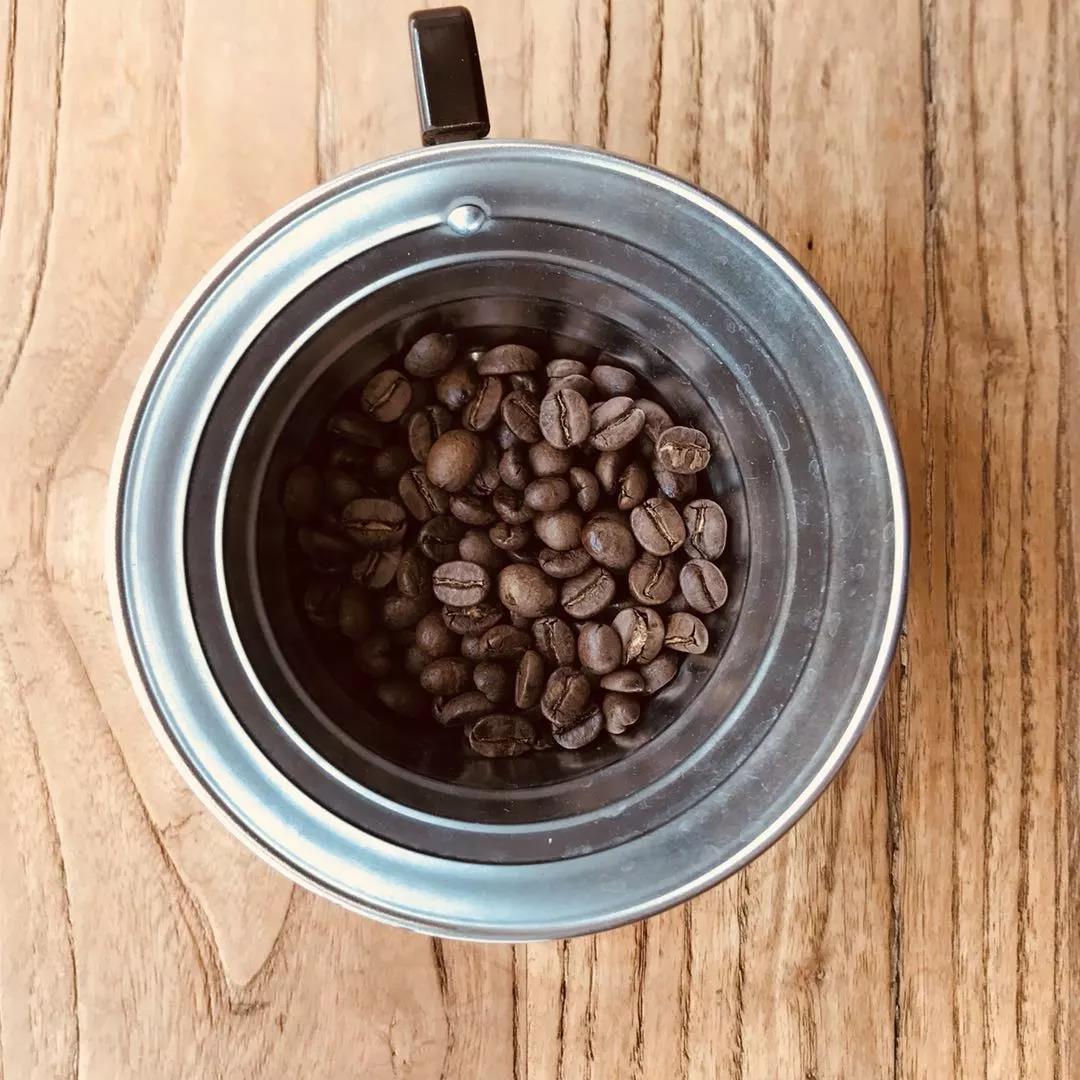
Excellent sweetness, with prominent caramel sweetness. The rich body formed by a thick texture and intense oiliness is very appealing.
Flavor profile: Cream, roasted nuts, milk chocolate
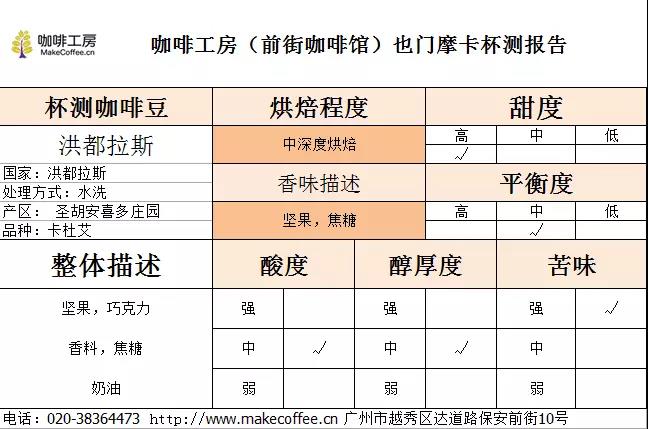
04 | Brewing Analysis
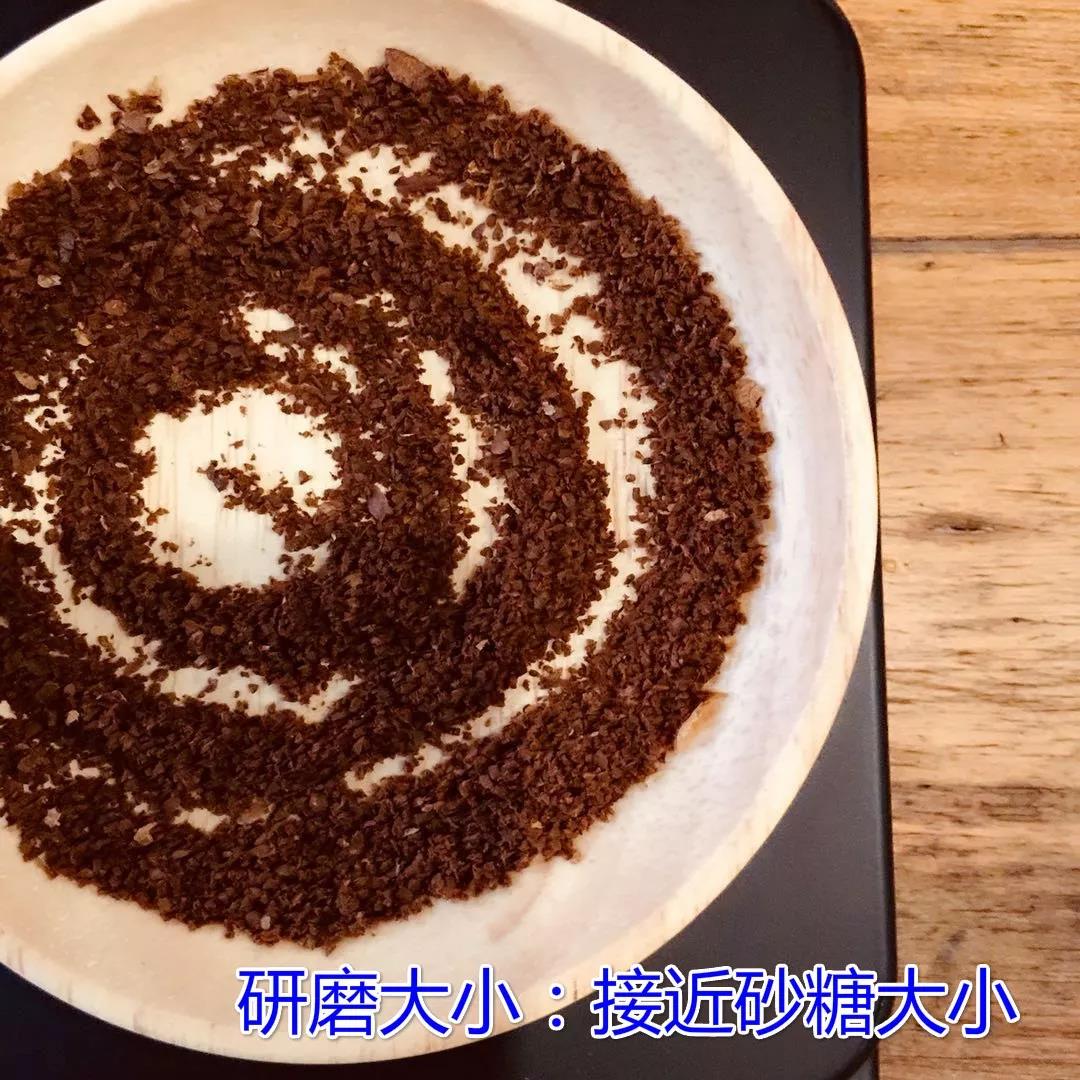
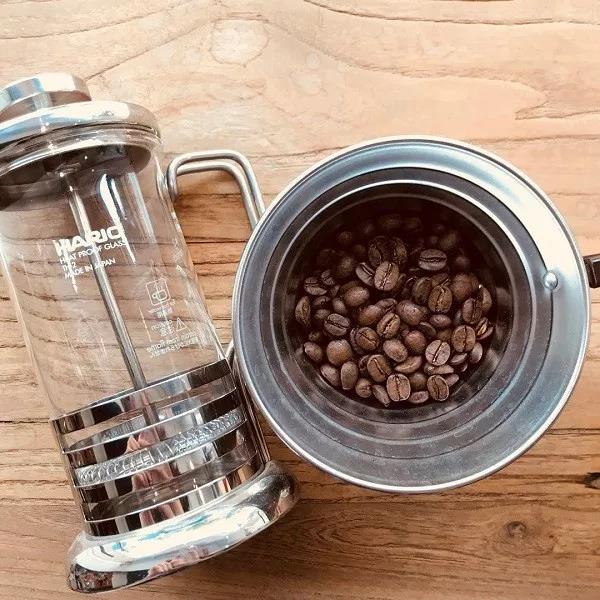
1. Brewer: French press
2. Water temperature: 88°C
3. Grind size: Fujisaki 4
4. Roast level: Medium-dark roast
5. Steeping time: 2.5 minutes
Flavor: Balanced, chocolate, with persistent caramel sweetness in the finish
FrontStreet Coffee suggests: use 15g coffee, Fujisaki 4 grind, steep at 88°C for 2.5 minutes, press, filter, and serve.
Purchase note: FrontStreet Coffee's Honduran lots are available through FrontStreet Coffee's online store.
FrontStreet Coffee Recommendation
Medium roasts are a natural match for Honduran coffee, and FrontStreet Coffee's medium-roast selection follows the same logic: balance first. The Brazil Queen Estate is a Yellow Bourbon grown in Brazil, and at a medium roast it shows cream peanut, chocolate, toasted bread, and sugarcane sweetness - clean and gently sweet, and just as good in a moka pot or espresso machine as it is as pour-over.
For a sweeter fruit-forward medium roast, the Strawberry Candy Geisha Blend combines a Costa Rican honey-processed coffee with a Panamanian washed Geisha, roasted to medium so that orange-blossom honey and a rounded sweetness come through - suited to cold brew, pour-over, or espresso. The 2013 Yunnan Natural Typica, roasted medium, rounds out the lineup with nut, brown sugar, black tea, and apricot notes, while the Jamaica Blue Mountain No. 1, also medium roasted, brings chocolate, roasted nuts, cream, and caramel in a cup that blends acidity, bitterness, sweetness, and body into one elegant whole.
Important Notice :
FrontStreet Coffee is a long-established specialty coffee roaster in Guangzhou China, selling freshly roasted beans from its own farm in Yunnan as well as dozens of carefully selected single-origin beans from around the world for both pour-over and espresso. The products deliver consistently excellent quality and great value, with shipping within 24 hours. Guangzhou's FrontStreet Coffee shop is recommended by many coffee lovers, and the beans are now available online at the Tmall 。
FrontStreet Coffee has moved to a new address:
FrontStreet Coffee Address: 315,Donghua East Road,GuangZhou
Tel:020 38364473
 Scan and follow the En Gafei WeChat official account. Please indicate that the reprint comes from "En Gafei".