Lindong Mandheling | Flavor Profile and Characteristics of Indonesian Sumatra Lindong Mandheling Classic Black Coffee
FrontStreet Coffee's Indonesian Lintong Mandheling Premium Coffee Beans
Although the green beans of FrontStreet Coffee's Mandheling may not look especially appealing, they transform into beautifully colored, plump roasted beans. FrontStreet Coffee's Lintong Mandheling showcases the distinctive character of Indonesia's Mandheling region, a classic excellence in the cup that is predominantly rich and intense. Within that richness lies a mellow body and a vibrant, lively complexity. It is neither astringent nor acidic, with body and bitterness fully expressed, and Mandheling is considered one of the world's most full-bodied coffees. When tasting FrontStreet Coffee's Mandheling you can feel a smooth lubrication on the palate, accompanied by low acidity and a subtle herbal, plant-like aroma.
FrontStreet Coffee Indonesian Lintong Mandheling
Country: Indonesia
Grade: G1, Triple Hand-Sorted
Region: Sumatra Island
Processing Method: Wet-hulled (Giling Basah)
Altitude: 1,100-1,600 meters
Flavor Notes: Toast, nuts, pine, caramel, herbs
01 | Region Introduction
The Origin of Mandheling
Mandheling is not a region name, a place name, a port name or a coffee variety name. Its origin actually comes from a mispronunciation of the Mandheling ethnic group in Indonesia. During World War II, when Japan occupied Indonesia, a Japanese soldier tasted an exceptionally fragrant and mellow coffee at a cafe. When he asked the owner for the coffee's name, the owner mistakenly thought he was asking about his own origin and replied: "Mandheling." After the war, the soldier remembered the "Mandheling" he had drunk in Indonesia and commissioned Indonesian coffee merchants to ship 15 tons to Japan, where it proved extremely popular. The name Mandheling thus became established.
Mandheling comes in various types, such as Lintong Mandheling and Gold Mandheling. What exactly are the differences? Locally, coffee beans widely grown on Sumatra and other Indonesian islands are all called Mandheling, and they are distinguished by different names based on region and green bean supplier to separate Mandhelings from different areas and producers. FrontStreet Coffee has four Mandheling varieties: FrontStreet Coffee's Lintong Mandheling, FrontStreet Coffee's Gold Mandheling, FrontStreet Coffee's Tiger Mandheling and FrontStreet Coffee's Aged Mandheling.
What is the G1, G2, G3, G4 Grading Method?
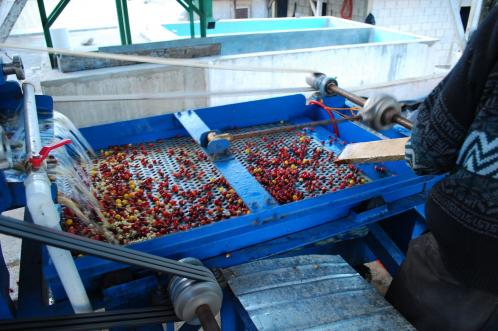
Indonesian coffee beans use this defect-based grading system. Indonesian beans are mainly divided into 6 grades, G1 to G6.
Indonesia is the world's largest archipelagic nation. As early as the 18th century, during Dutch rule, Arabica coffee trees were introduced for cultivation. The main producing areas lie on Sumatra, Java and Sulawesi. The Mandheling produced there features deep, low-acidity, full-bodied flavors, leading people to call it "the world's most important coffee." Of these, Sumatra has the largest production, with the northern Aceh province being the largest producing area.
Sumatra faces Java across the Sunda Strait to the southeast, faces the Malay Peninsula across the Malacca Strait to the north, is adjacent to Borneo across the Karimata Strait to the east and borders the Indian Ocean to the west.
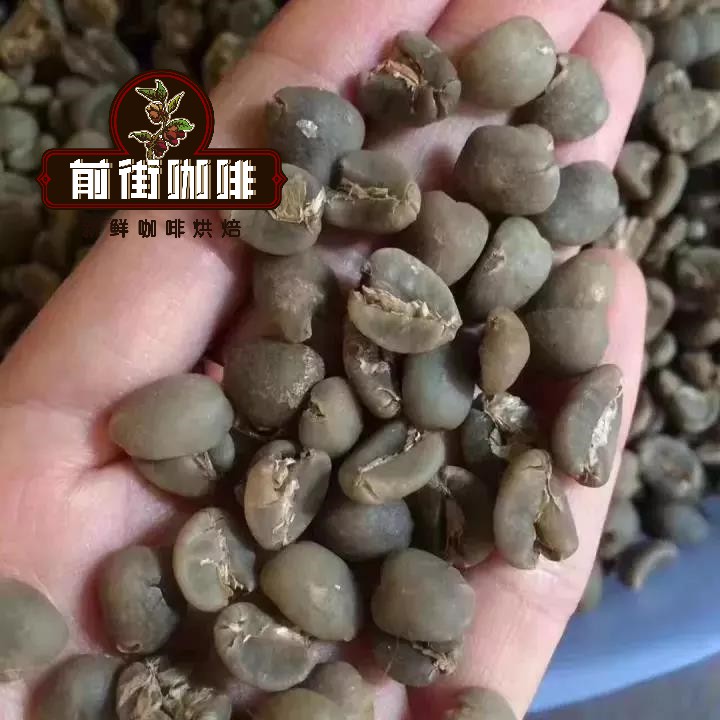
At the end of the 17th century, Typica was transplanted from India to Indonesia. After several hundred years of cultivation, a variant Typica developed on Sumatra. The beans are smaller than the original species but retain Typica's delicious flavor. FrontStreet Coffee's Mandheling beans are relatively large with a hard texture. Defects occur easily during cultivation, so strict manual sorting is usually required after harvest. If quality control is not strict enough, the quality can easily be inconsistent. Different roast levels also directly affect the flavor profile, making this a controversial single-origin coffee.
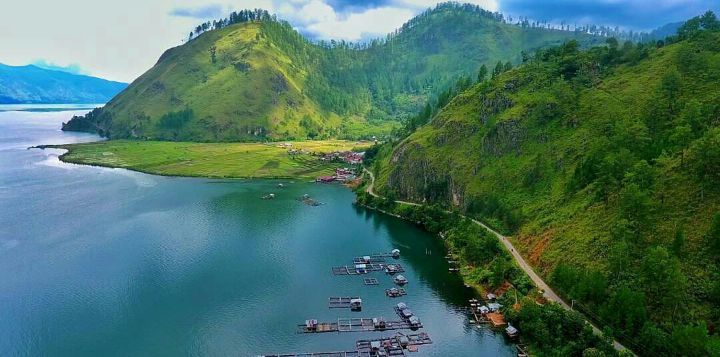
Mandheling is also known as "Sumatra Coffee." Both the Lake Toba region in North Sumatra province and the Lake Tawar region in Aceh produce Mandheling coffee, famously known as the "Two Lakes, Two Mandhelings."
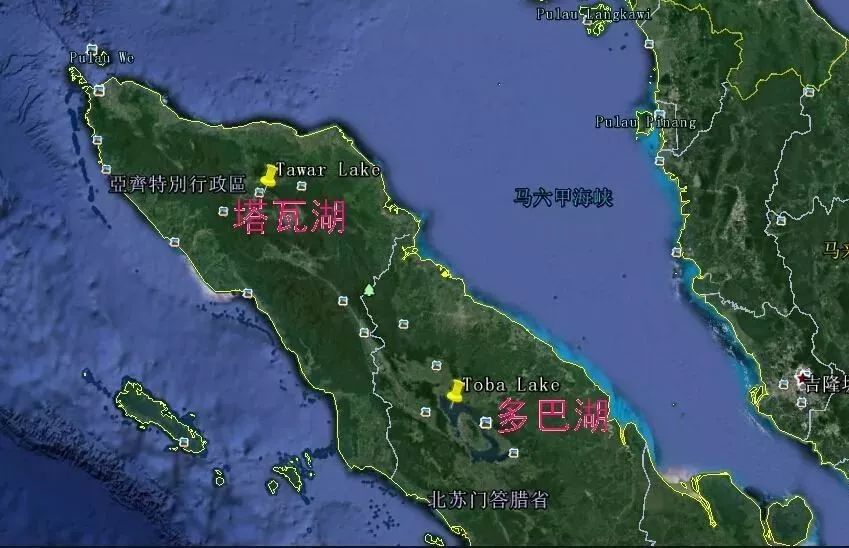
Indonesia is the world's largest archipelagic nation. As early as the 18th century, during Dutch rule, Arabica coffee trees were introduced for cultivation. The main producing areas lie on Sumatra, Java and Sulawesi. Sumatra faces Java across the Sunda Strait to the southeast, faces the Malay Peninsula across the Malacca Strait to the north, is adjacent to Borneo across the Karimata Strait to the east and borders the Indian Ocean to the west.
About Lake Toba
Mandheling is also known as "Sumatra Coffee." The homeland of premium Mandheling - the Lake Toba region - is located at the northern end of Sumatra, Indonesia.
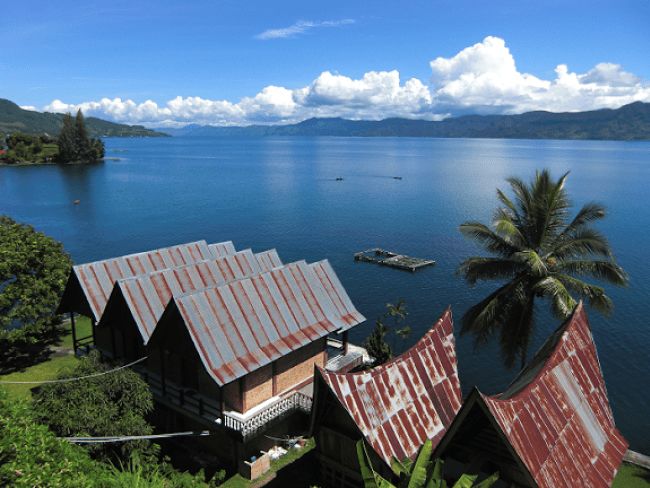
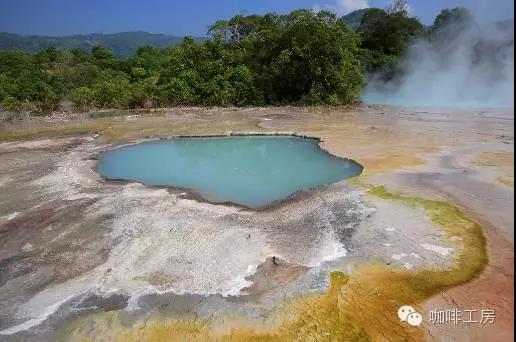
Lake Toba (Indonesian: Danau Toba) is a volcanic lake in northern Sumatra, Indonesia. The lake is diamond-shaped, 100 kilometers long and 30 kilometers wide, covering 1,130 square kilometers. It is an alpine lake with an average elevation of about 900 meters, and it is the world's largest volcanic lake.
Lake Toba lies in central North Sumatra province. In 1888, Dutch colonists moved "Java Mandheling" north to the Lake Toba region. The areas around South Sumatra's Lintong and Lake Toba can both be called Mandheling, but the Lintong area is the true Mandheling producing region. Mandheling is grown in the mountains around Lake Toba, north of Medan, the capital of Sumatra, in an alpine freshwater lake setting at an average height of about 900 meters above sea level. What is commonly called Mandheling refers to Typica or its variant grown in the mountains around Lake Toba.
About Lake Tawar
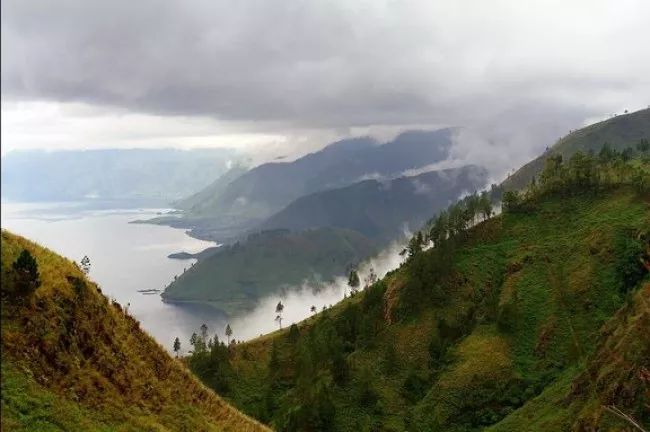
Lake Tawar is located in the Gayo Highlands of northern Aceh Province, Sumatra.
Lake Tawar sits in the central Aceh Special Autonomous Region, at the northern end of Sumatra. Most coffee produced in North Sumatra is Gayo, mainly of the Ateng variety. The Lake Tawar at the northern end can be called Aceh coffee or Lake Tawar coffee. Its area is less than one-tenth of Lake Toba, yet in recent years its coffee quality and production have surpassed Lake Toba.
02 | Processing Method
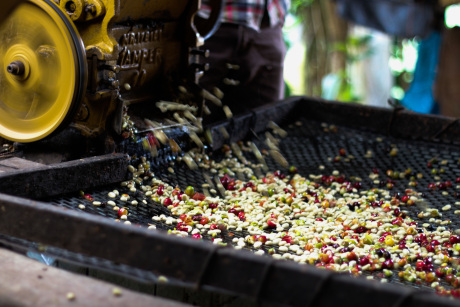
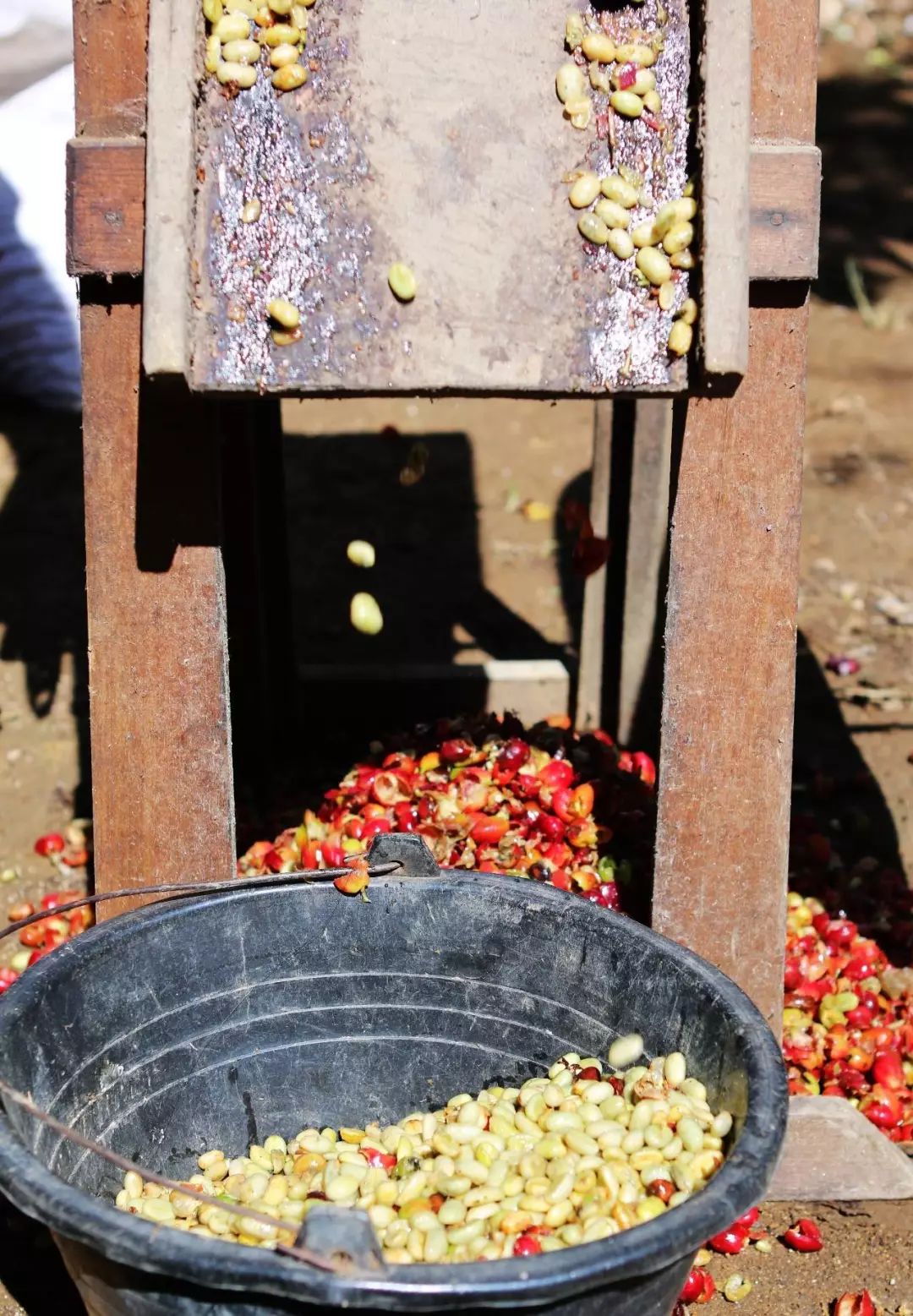
Wet hulling, called "Giling Basah" in the local language, is the traditional Indonesian coffee processing method. Judging by name alone, wet hulling seems similar to wet processing, but the two methods yield completely different cup flavors. Coffee processed by wet hulling is typically full-bodied and intense, with a very distinct personality.
Wet Hulling Process Steps
1. Remove skin and pulp, retaining parchment and mucilage
2. Ferment in water tanks
3. Wash away mucilage
4. Sun-dry with parchment for 2-3 days until moisture content reaches 20-24%
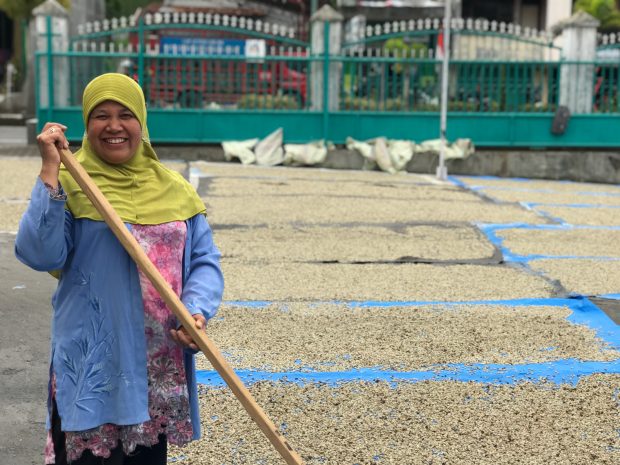
5. Hull the parchment
6. Dry the green beans until moisture content reaches 12-13%
7. Prepare for export
Lintong Mandheling G1 - Grade 1
The most famous origins for Asian coffee include the islands of the Malay Archipelago: Sumatra, Java and Kalimantan. Among these, Sumatra Mandheling from Indonesia's Sumatra Island enjoys the highest reputation.
Both the Lake Toba region in North Sumatra province and the Lake Tawar region in Aceh produce Mandheling coffee, famously known as the "Two Lakes, Two Mandhelings." Their common characteristic is that both are full-bodied and fragrant. The difference is that Lake Toba's Mandheling is more muted and deep, with even a grass jelly flavor, while Lake Tawar Mandheling has brighter fruit acidity, sometimes with cedar or woody notes.
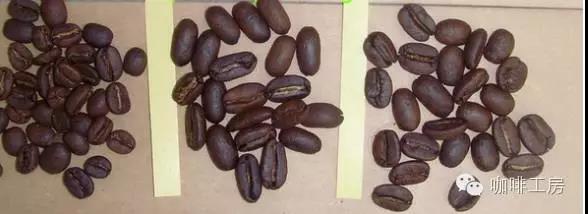
From left to right: FrontStreet Coffee's Lintong Mandheling G1, FrontStreet Coffee's Tiger Mandheling, FrontStreet Coffee's Gold Mandheling
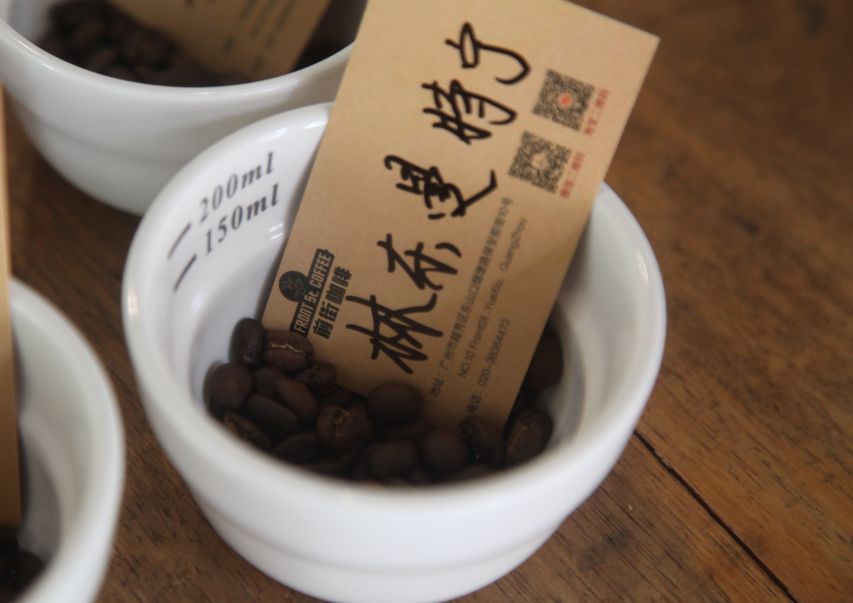
FrontStreet Coffee's Lintong Mandheling Flavor Description
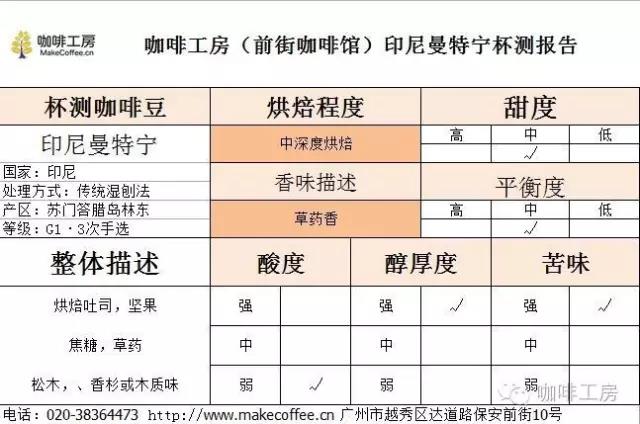
1. Taste: Fragrant and rich, with a sweet-bitter character. The entry is strong and stimulating, with clove and woody aromatics. FrontStreet Coffee's medium-dark roast Lintong Mandheling has low acidity, with spice and mint notes, plus a strong, persistent thick sweetness.
2. Aroma: The dry fragrance has glutinous rice, malt, spice, caramel and woody notes. The wet aroma after adding hot water reveals deep burnt caramel and pine, plus a subtle earthy fragrance.
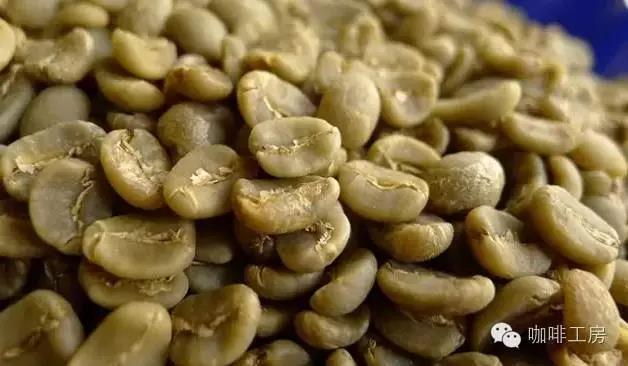
3. Visual: Full, uniform beans that become quite large after roasting. Green beans appear brown or dark green.
1. Light Roast: Fuji "Ghost Tooth" grinder 3.5, water temperature 90°C, coffee-to-water ratio 1:15
2. Medium-Dark Roast: Fuji "Ghost Tooth" grinder 4, water temperature 88°C, coffee-to-water ratio 1:15
3. Dark Roast: Fuji "Ghost Tooth" grinder 4.5, water temperature 86°C, coffee-to-water ratio 1:15
(FrontStreet Coffee typically sifts a light roast through a 20-mesh sieve to 80% before pour-over, while a medium-dark roast is sifted to 70% before pour-over.)
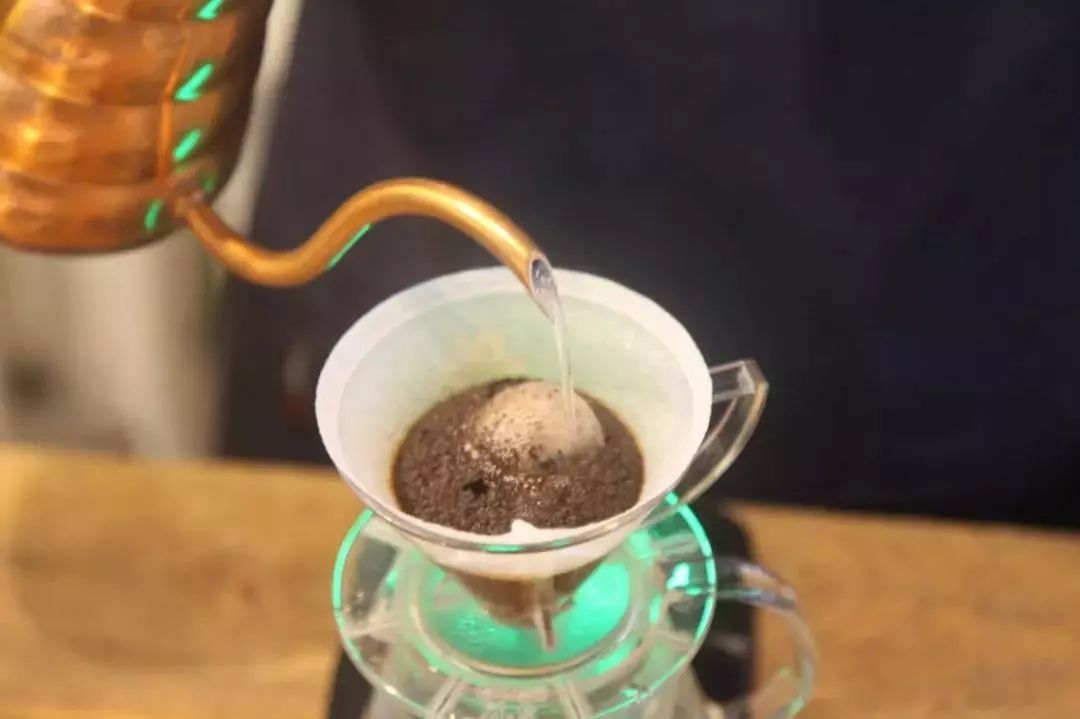
FrontStreet Coffee Brewing Results
1. Light Roast: At this roast level, FrontStreet Coffee's Lintong Mandheling has heavier fruit acidity and slight bitterness. The fruit acidity is obvious but comfortable on entry, with a mouth-watering sensation on both sides of the mouth. Smoothness is average.
2. Medium-Dark Roast: Very well balanced, fragrant, mellow and full-bodied. Bitterness is more obvious, with chocolate and subtle sweet notes more prominent. Licorice aroma is distinct, fruit acidity is weak, smoothness is better than the light roast, and the aroma is strong with noticeably enhanced sweetness.
3. Dark Roast: Almost no acidity, very heavy bitterness. With direct-fire roasting, improper technique can produce burnt flavors.
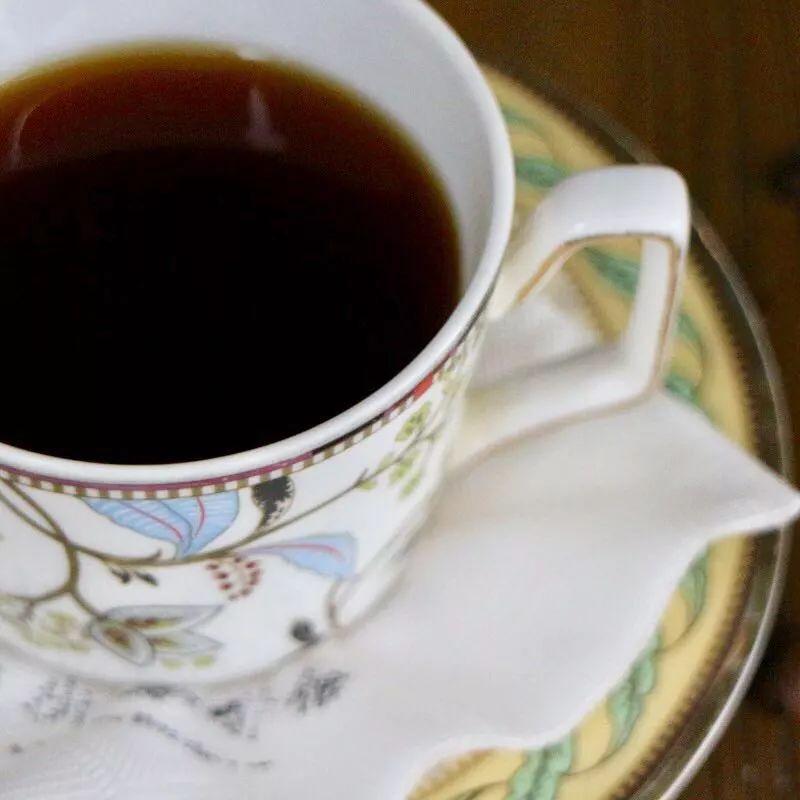
1. Equipment Choice: Hario V60
2. Water Temperature: 88°C
3. Grind Size: Fuji grinder setting 4
4. Roast Level: Medium-Dark
5. Bloom Time: 25 seconds
FrontStreet Coffee's Technique: Using the "Three Breaks" pour-over method for FrontStreet Coffee's Lintong Mandheling - 15 g coffee, Fuji "Ghost Tooth" grinder setting 4, V60 dripper, 88-89°C water. First pour 30 g water for a 25 s bloom, then pour to 104 g and break. Wait until the bed level drops to half, then pour water again. Slowly pour until reaching 220 g, discarding the last 5 g. Coffee-to-water ratio 1:15, extraction time about 2:00.
FrontStreet Coffee's Lintong Mandheling can also be extracted using the volcano method, with flannel or Kono filters also suitable.
FrontStreet Coffee's Brewing Technique: high-temperature extraction, water temperature 90-92°C. Small water flow in the front stage, coin-sized area, break, bloom, break, bloom, keeping the grounds in a blooming state. Bloom time 1:30, finally use a large water flow for quick extraction. Total extraction time 2:30.
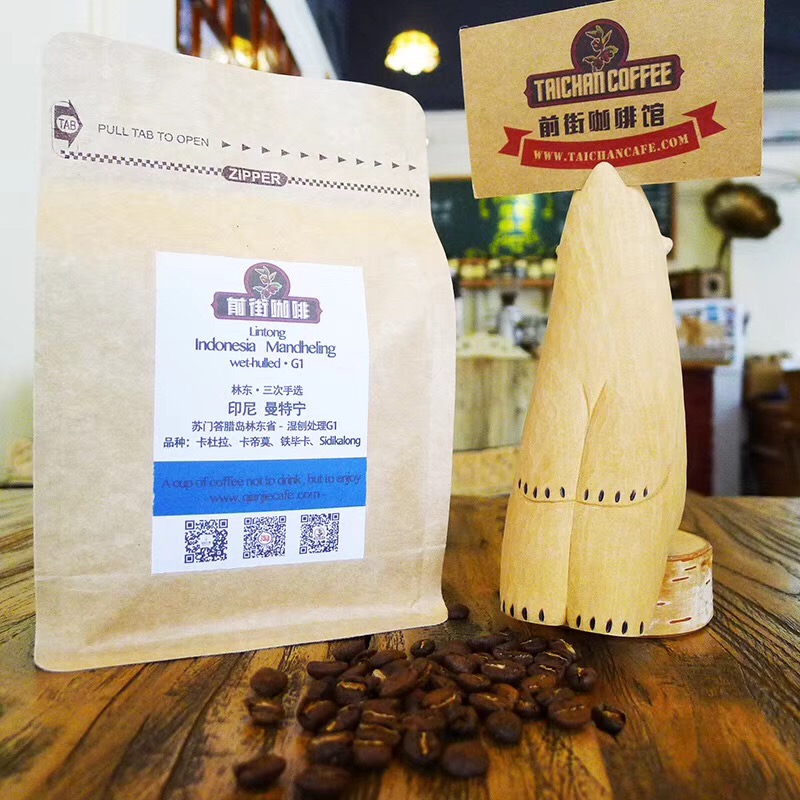

FrontStreet Coffee Recommendation
To taste wet-hulled specialty coffee at its highest level, FrontStreet Coffee recommends its PWN Golden Mandheling. PWN sources high-quality Mandheling green beans and uses extremely strict standards: beans of 18 mesh or larger, with fewer than 3 defective beans per 300 g sample to satisfy the top G1 grade, followed by triple hand-sorting that removes every remaining defect. That rigor lifts both the cleanliness and the intensity of sweetness. Because PWN Golden Mandheling is in such demand and its pure supply is limited, FrontStreet Coffee publishes the certificate and the PWN-marked bags alongside the product, which is what sets it apart from other Golden Mandhelings.
FrontStreet Coffee's Lintong Mandheling from the Lake Toba area shows the more muted, deep side of the two lakes - fragrant and rich, with a sweet-bitter character, clove and woody aromatics, low acidity, spice and mint notes and a strong, persistent sweetness. For pour-over, FrontStreet suggests 87-88°C, 15 g of coffee at a 1:15 ratio, ground to coarse caster sugar, poured in three stages: 30 ml for the bloom to wet all the grounds and release gas, then 100 ml to bring out the golden foam and lift the bed, and finally a gentle 95 ml pour down the center to raise the sweetness. The result is a thick body with caramel sweetness and chocolate and nut flavors. If you want that Mandheling character in a milk drink, FrontStreet Coffee's Classic Blend builds on creamy Brazilian nut notes with medium-dark-roast Mandheling and a touch of Robusta, giving butter, roasted chestnut and caramel flavors, extra body, distinctive sandalwood, herbal and spice notes, and crema rich enough for easy latte art or a layered Dirty.
Important Notice :
FrontStreet Coffee is a long-established specialty coffee roaster in Guangzhou China, selling freshly roasted beans from its own farm in Yunnan as well as dozens of carefully selected single-origin beans from around the world for both pour-over and espresso. The products deliver consistently excellent quality and great value, with shipping within 24 hours. Guangzhou's FrontStreet Coffee shop is recommended by many coffee lovers, and the beans are now available online at the Tmall 。
FrontStreet Coffee has moved to a new address:
FrontStreet Coffee Address: 315,Donghua East Road,GuangZhou
Tel:020 38364473
 Scan and follow the En Gafei WeChat official account. Please indicate that the reprint comes from "En Gafei".