What are the varieties of Arabica coffee beans? What are the derived varieties and flavor characteristics of Arabica coffee beans?
It is often said that excellent coffee starts with the variety. The most commonly discussed varieties are Arabica and Robusta, and Arabica is widely regarded as the finest of all, appearing mostly as specialty coffee with excellent overall flavor. Our famous Blue Mountain coffee, Hawaiian Kona coffee, and FrontStreet Coffee's 2013 sun-dried Typica all belong to the Arabica species. Let's explore it together.
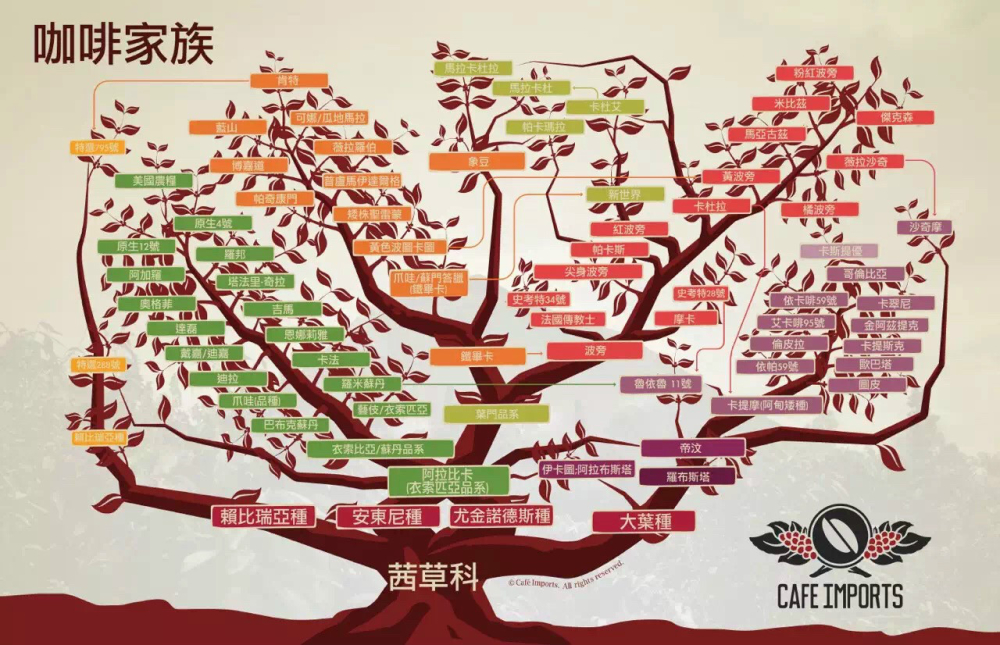
Although coffee has become part of everyone's daily life, many friends still do not understand it well. Why do we say this? FrontStreet Coffee believes coffee is a profound subject, and understanding it must start with the bean. There are roughly 100 coffee species worldwide, which can be grouped into three main original species: Arabica, Robusta, and Liberica. The two dominant types on the market are "Arabica" and "Robusta." More than three-quarters of the coffee sold globally is Arabica, with most of the remainder being Robusta.
Arabica
Arabica, also known as small-bean coffee, originates from Ethiopia. Its main cultivation areas include South America (except for parts of Argentina and Brazil's lowlands), Central America, Africa (Kenya, Ethiopia, and other East African countries), and Asia (parts of Yemen, India, and Papua New Guinea).

Arabica refers to coffee trees of the Coffea arabica species, accounting for about 70% to 80% of world coffee production. Because it has weak resistance to pests and diseases and grows slowly, annual yields are low, and it is best grown at high altitudes - most often on volcanic slopes or plateaus between 500 and 1,500 meters, with beans grown above 1,500 meters showing relatively better quality. The high-altitude environment lets the beans mature more slowly, and slower maturation means denser, richer beans - which is why Arabica naturally stands out as the highest-grade coffee. Through repeated mutation and cross-breeding, it has given rise to numerous varieties; Arabica alone is said to have more than seventy.
All of these derived varieties trace back to Ethiopia's oldest native varieties, Typica and Bourbon, carried to other continents and mutated in place. They are cultivated mainly in Central and South America such as Brazil and Colombia; in Ethiopia's Sidamo region; as Sumatra Typica in Indonesia; and as Jamaica Blue Mountain.
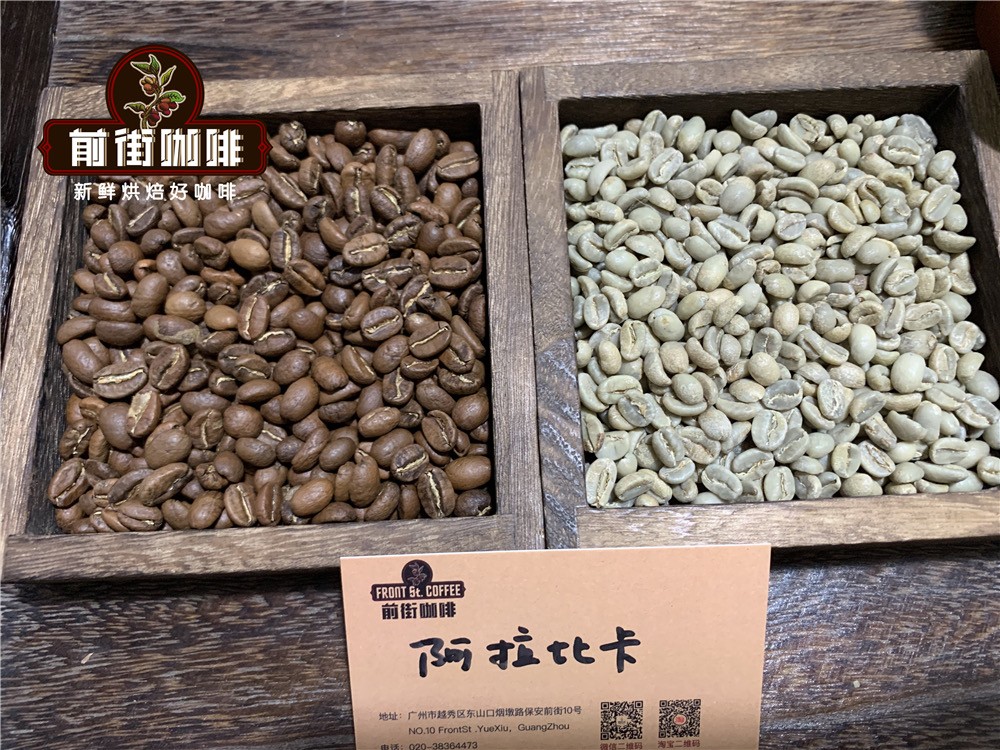
In appearance, Arabica beans are longer and flatter, with an S-shaped center crease. Robusta beans are stouter and more rounded, with a center crease closer to a straight line. Even the same Arabica variety, planted in different places, produces completely different flavors under the influence of climate, soil, and other factors - Geisha grown in Ethiopia and Geisha grown in Panama, for example, taste entirely different.
Coffee grows well in the band between the Tropic of Cancer and the Tropic of Capricorn, known as the "Coffee Belt." Central and South America, Arabia, East Africa, southern Asia, and Oceania all lie within it. Countries with high mountain terrain can produce better coffee, since coffee suits hillside planting at roughly 1,000-2,000 meters. It needs ample rainfall but not excessive humidity; the ideal environment offers mild sunshine during the day, drifting clouds in the evening, and nighttime temperatures around 10°C but not too low.

Robusta
Robusta is the world's second most productive coffee species. Robusta trees tolerate cold and resist many diseases; the beans grow best in hot climates with irregular rainfall and at many altitudes. Compared with Arabica, Robusta carries twice the caffeine - an excellent choice for a real energy boost. FrontStreet Coffee suggests that friends sensitive to caffeine avoid it, but brewed as espresso it tastes great!
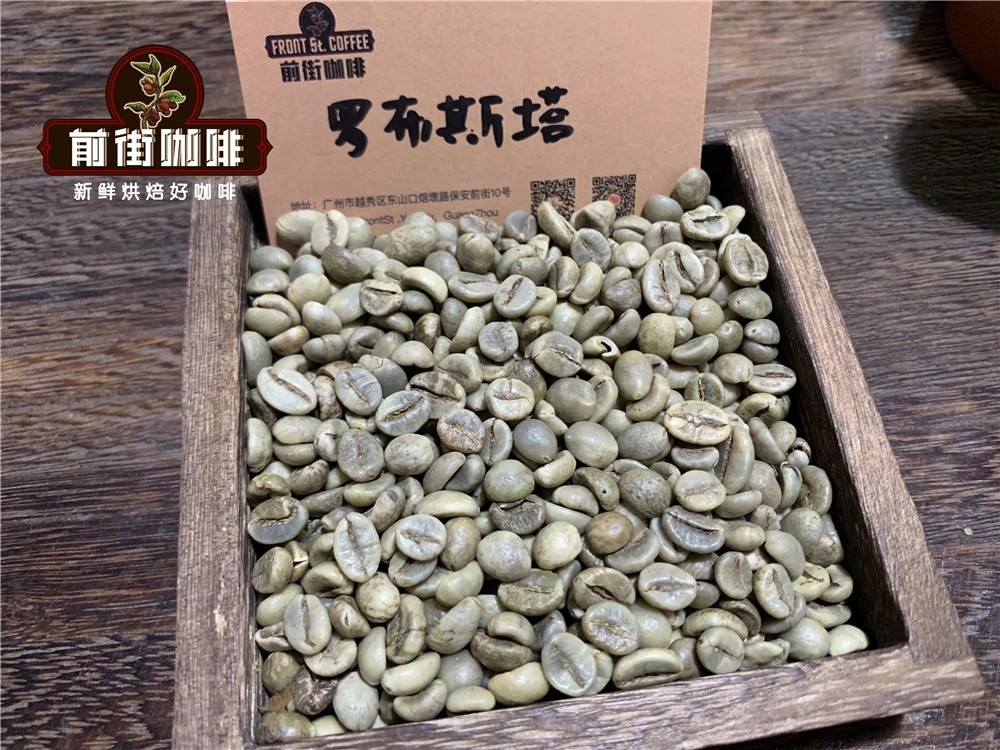
Robusta beans are oval but relatively squat, with heavier bitterness and an aroma inferior to Arabica, so they are mostly used as commercial-grade beans.
Today, FrontStreet Coffee will help you understand the main varieties of the Arabica species.
Common Arabica Coffee Bean Varieties
Arabica is the earliest discovered coffee species, considered the finest of all varieties with excellent overall flavor. It is the main source of specialty coffee, but it has weak disease resistance and can only be planted at high altitudes. Humans have cultivated Arabica for over 700 years and developed many varieties; common Arabica coffee bean varieties today include Typica, Bourbon, Caturra, Pacas, Villa Sarchi, Maragogype, Pacamara, Mundo Novo, Catuai, Geisha, Timor, Catimor, and more. Arabica mostly appears as specialty coffee.

Bourbon and Typica constitute the world's most culturally and genetically important C. arabica group. Historical records indicate that coffee seeds were brought from the coffee forests of southwestern Ethiopia to Yemen, where they were cultivated as crops. Recent genetic testing confirms that Bourbon and Typica were the main seeds transported from Ethiopia to Yemen, and their descendants spread from Yemen to the world, forming the foundation of modern Arabica cultivation.
Ancient Native Varieties
Typica
Typica: Ethiopia's oldest native variety, an ancient coffee of elegant flavor, though far less popular than Bourbon. Like all Arabica, the Typica group should have originated in southwestern Ethiopia. At some point in the 15th or 16th century it was carried to Yemen, and by 1700, seeds from Yemen were being cultivated in India.

In 1696 and 1699, coffee seeds were sent from India's Malabar coast to Batavia (today's Java). Those seeds gave rise to what we now know as the unique Typica variety, whose descendants include Mandheling, Blue Mountain, Yunnan small-bean, and Geisha - all Typica derivatives. Typica beans are larger, shaped as pointed ovals or slim pointed forms, unlike Bourbon's round beans. This is part of why Blue Mountain coffee has such excellent flavor - partly its planting environment, partly its ancient Typica heritage.
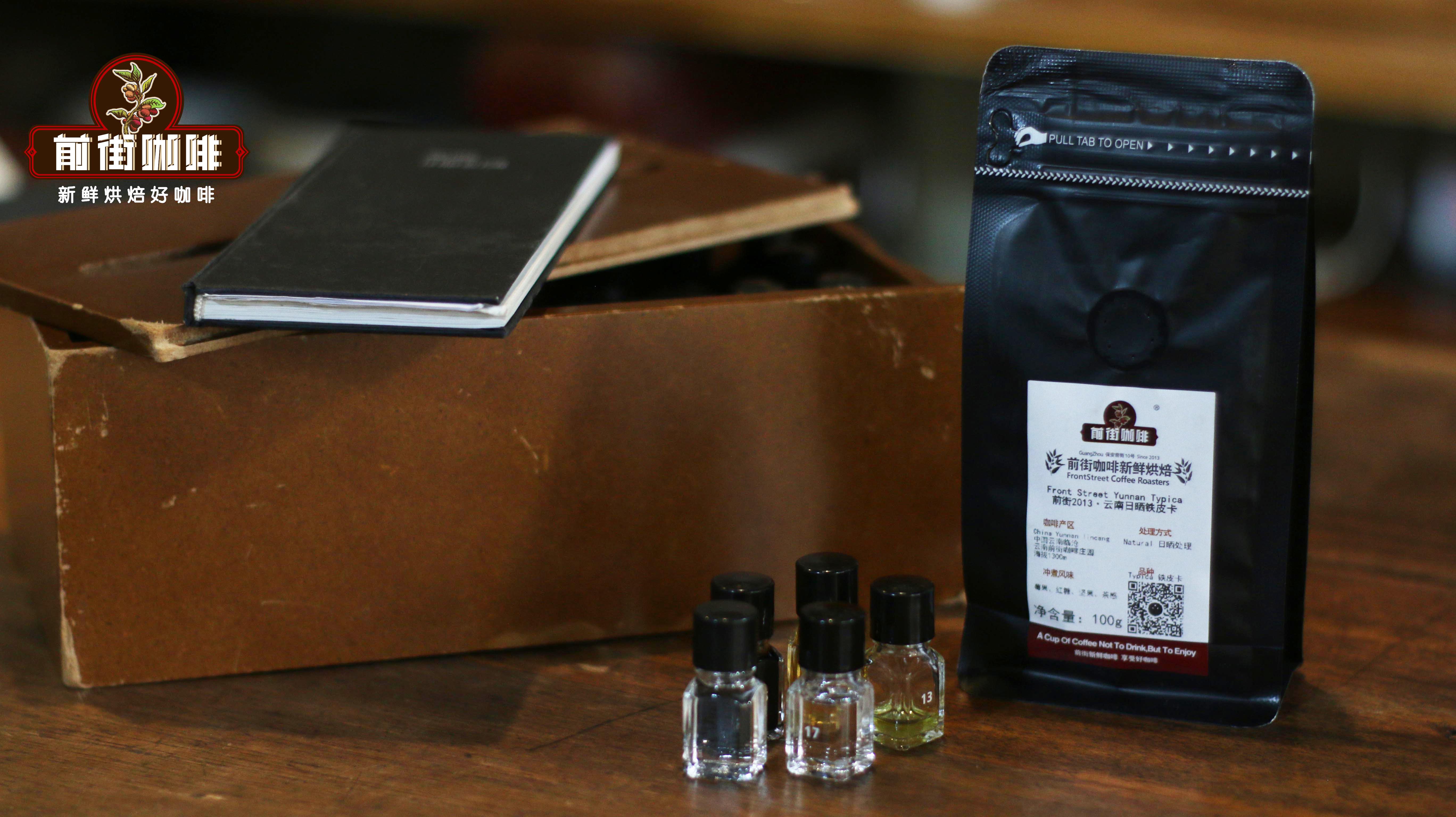
FrontStreet Coffee - Yunnan Sun-Dried Typica Coffee Beans
Region: Lincang, Yunnan
Estate: FrontStreet Coffee Estate
Altitude: 1,300m
Process: Natural (sun-dried)
Variety: Typica
Flavor: Berries, brown sugar, nuts, tea-like finish
Bourbon
Bourbon: an ancient and excellent variety, Typica's great companion.

The French made three attempts - in 1708, 1715, and 1718 - to introduce this coffee from Yemen to Bourbon Island (today's Reunion), and recent genetic research confirms it. Only a few plants from the second introduction and some from the third succeeded. Bourbon coffee did not leave the island until the mid-19th century, when French missionaries of the Spiritan order spread it to Africa.
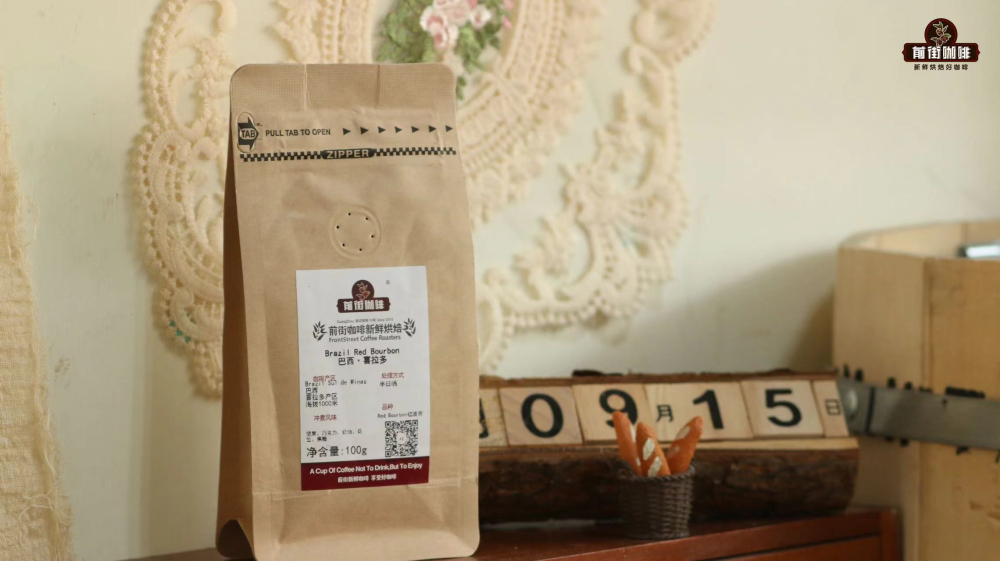
FrontStreet Coffee - Brazilian Cerrado Coffee Beans
Region: Cerrado, Brazil
Altitude: 1,100m
Process: Pulped natural (semi-dried)
Variety: Red Bourbon
Flavor: Nuts, chocolate, cream, peanut, caramel
Bourbon grows vigorously and delivers outstanding flavor, often winning in cupping competitions. Except for the pointed-bean forms among its variants, Bourbon beans are almost entirely round, slightly smaller than Typica, maturing later but yielding 30% more than Typica. The drawback is that it rests for a year after bearing fruit.
Genetic Mutation Varieties
SL28 & SL34
Between 1935 and 1939, Scott Laboratories prefixed all of their selectively bred coffee varieties with "SL." The laboratory collected 42 varieties from different origins and studied their yield, quality, drought resistance, and disease resistance; after sequential numbering and screening, they finally selected SL28 and SL34.

SL28 belongs to the Bourbon genetic group, with short, round, thick-bodied beans and a flavor of bright acidity and obvious sweetness. SL34 belongs to the Typica genetic group, with oval beans that look flatter than Typica from the side, and a flavor of balanced sweet-sour richness with a caramel aftertaste.
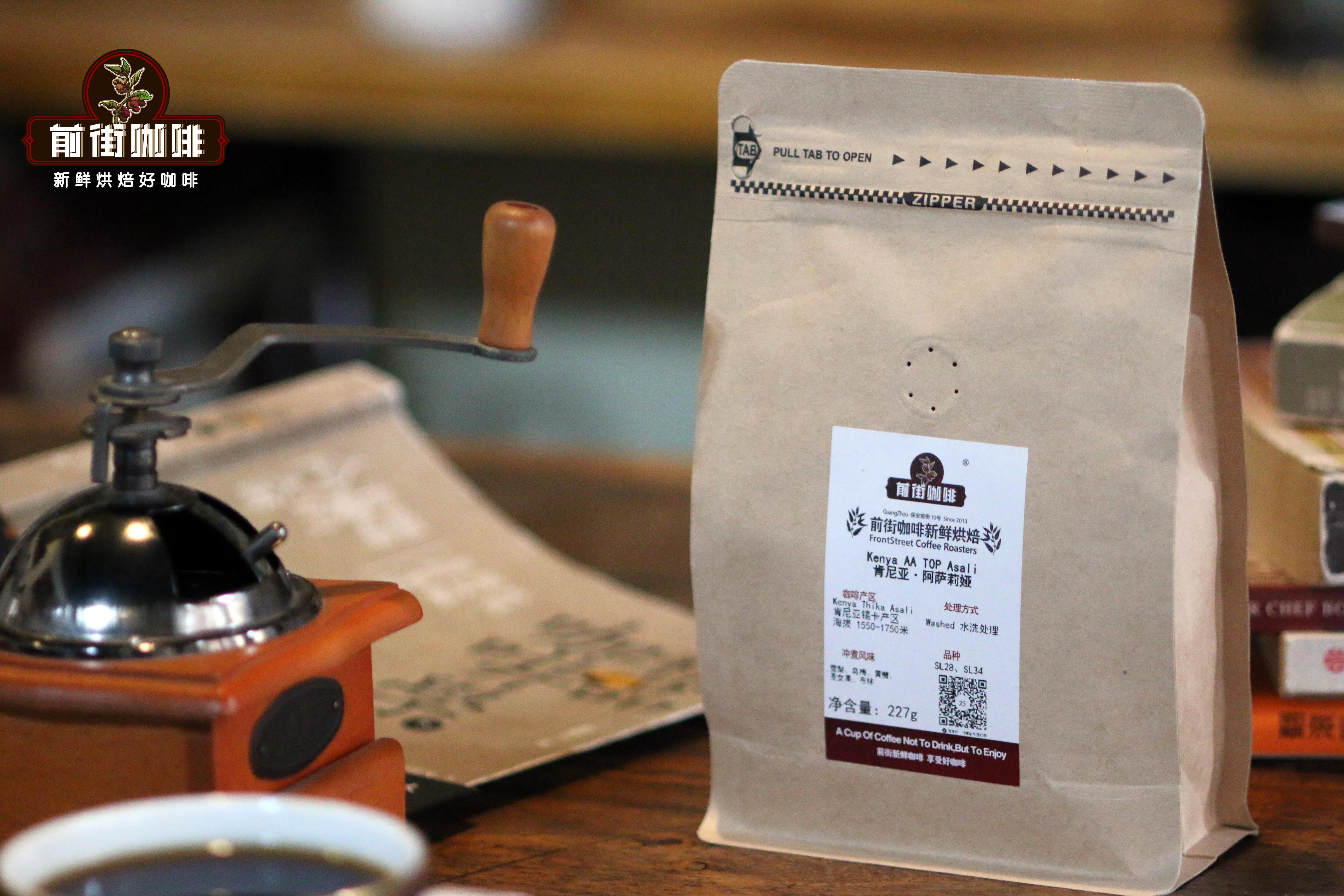
FrontStreet Coffee - Kenya Asalia Coffee Beans
Region: Thika, Kenya
Altitude: 1,550-1,750m
Process: 72-hour washed
Flavor: Snow pear, dark plum, yellow sugar, cherry tomato, plum
Geisha
Geisha: a late-flowering variety.

It defeated the perennial champions Bourbon, Caturra, Catuai, Typica, and others, sweeping the Best of Panama competition in 2005, 2006, and 2007. In 2007 it sold at a record $130 per pound, the highest price ever paid for competition beans up to that year. Today, 80% of participants in major coffee competitions choose Geisha as their competition bean. The most famous example is the Geisha of Panama's Hacienda La Esmeralda.
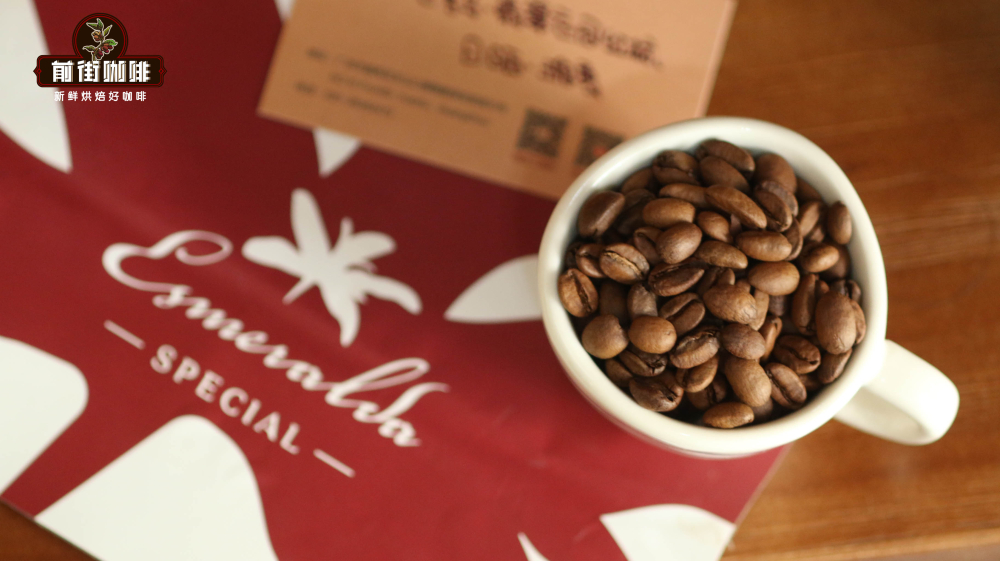
FrontStreet Coffee - Panama Hacienda La Esmeralda Red Label Geisha Coffee Beans
Region: Boquete, Panama
Estate: Hacienda La Esmeralda
Lot: Mario
Altitude: 1,700m+
Variety: Geisha
Process: Natural (sun-dried)
Flavor: Rose, strawberry, citrus, black tea, honey
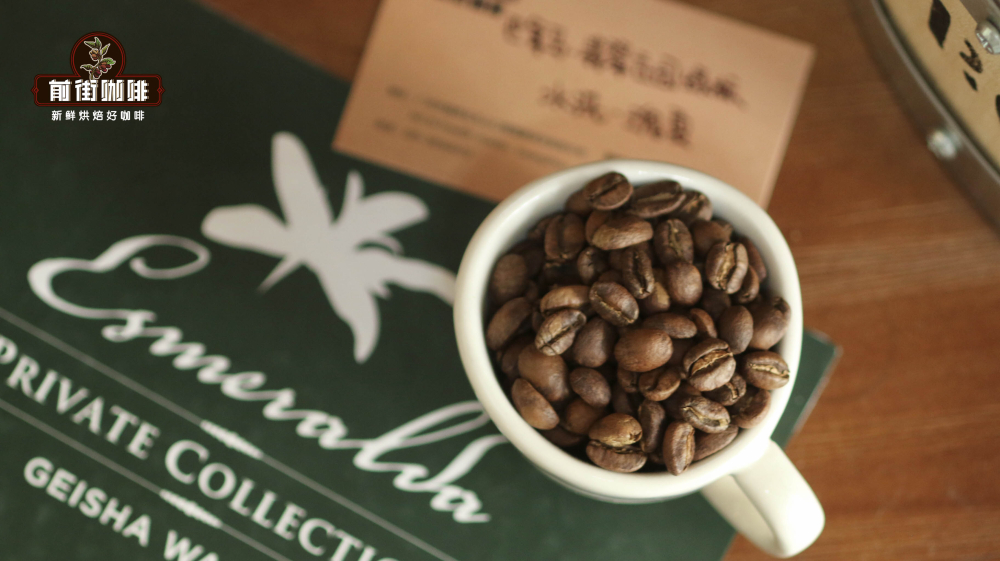
FrontStreet Coffee - Panama Hacienda La Esmeralda Green Label Geisha
Region: Boquete
Estate: Hacienda La Esmeralda
Altitude: 1,600-1,800m
Variety: Geisha
Process: Washed
Flavor: Jasmine, ginger flower, citrus, Tieguanyin tea, honey
Bourbon Amarello (Yellow Bourbon)
A Bourbon variant with yellow skin, unique to Sao Paulo state, Brazil.

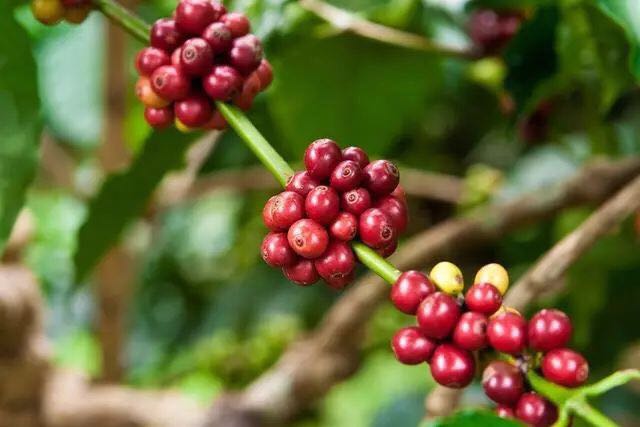
Coffee cherries generally turn red when ripe, but Yellow Bourbon stays orange-yellow - hence the name. FrontStreet Coffee's Queen Estate coffee is a Yellow Bourbon.
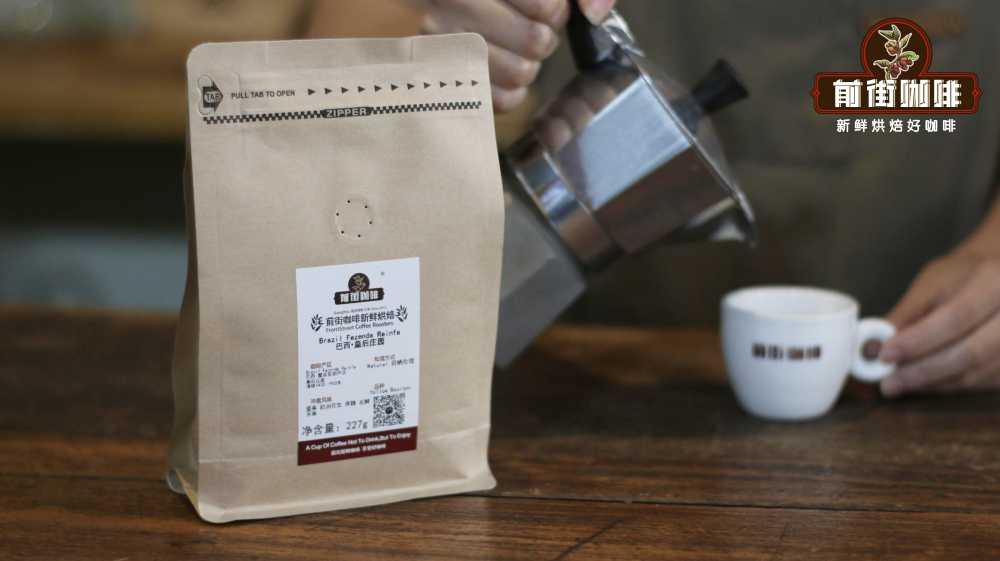
FrontStreet Coffee - Brazil Queen Estate Coffee Beans
Region: Mogiana region, Sao Paulo, Brazil
Estate: Queen Estate
Altitude: 1,400-1,950m
Process: Pulped natural (semi-dried)
Variety: Yellow Bourbon
Flavor: Nuts, peanut butter, sugarcane sweetness, fermented fruit
Caturra
A single-gene mutation of Bourbon discovered in Brazil in the 1950s. Its flavor is comparable to, or slightly below, Bourbon - but unfortunately, like Bourbon, it has a biennial bearing cycle. More importantly, it adapts extremely well and needs no shade trees, thriving even in full sun.

Pacas
A Bourbon mutation discovered in El Salvador. Currently, 68% of El Salvador's coffee is Bourbon, 29% is Pacas, and 3% is Catuai, Caturra, and the noble Pacamara.

Villa Sarchi
A Bourbon mutation first discovered in Costa Rica in the 1960s.

Maragogype (Elephant Bean)
Its beans are three times the size of ordinary Arabica - the largest in the world - hence the nickname. It is the most famous Typica mutation, first discovered in 1870 in the Maragogipe district of Bahia state in northeastern Brazil.

Kent
A Typica-line hybrid discovered in India with high yields.

Timor
A natural hybrid of Arabica and Robusta discovered in East Timor. It leans toward Arabica because it carries Arabica's 44 chromosomes rather than Robusta's 22. Its flavor has low acidity and lacks distinctive character, so it is often used as inexpensive blend filler. However, East Timor also produces high-altitude pure Typica that is washed processed; when buying, you must clarify whether it is the hybrid or pure washed Typica, for their quality differs greatly - the former is plain, while the latter reaches specialty-coffee standards.
Catimor
The most widely used commercial bean. In 1959, Portugal moved Brazil's Bourbon-mutant Caturra to East Timor to hybridize with the Timor variety, successfully creating Catimor - with somewhat inferior flavor but strong disease resistance. Today most of Yunnan grows Catimor coffee, though FrontStreet Coffee Estate grows Typica instead.
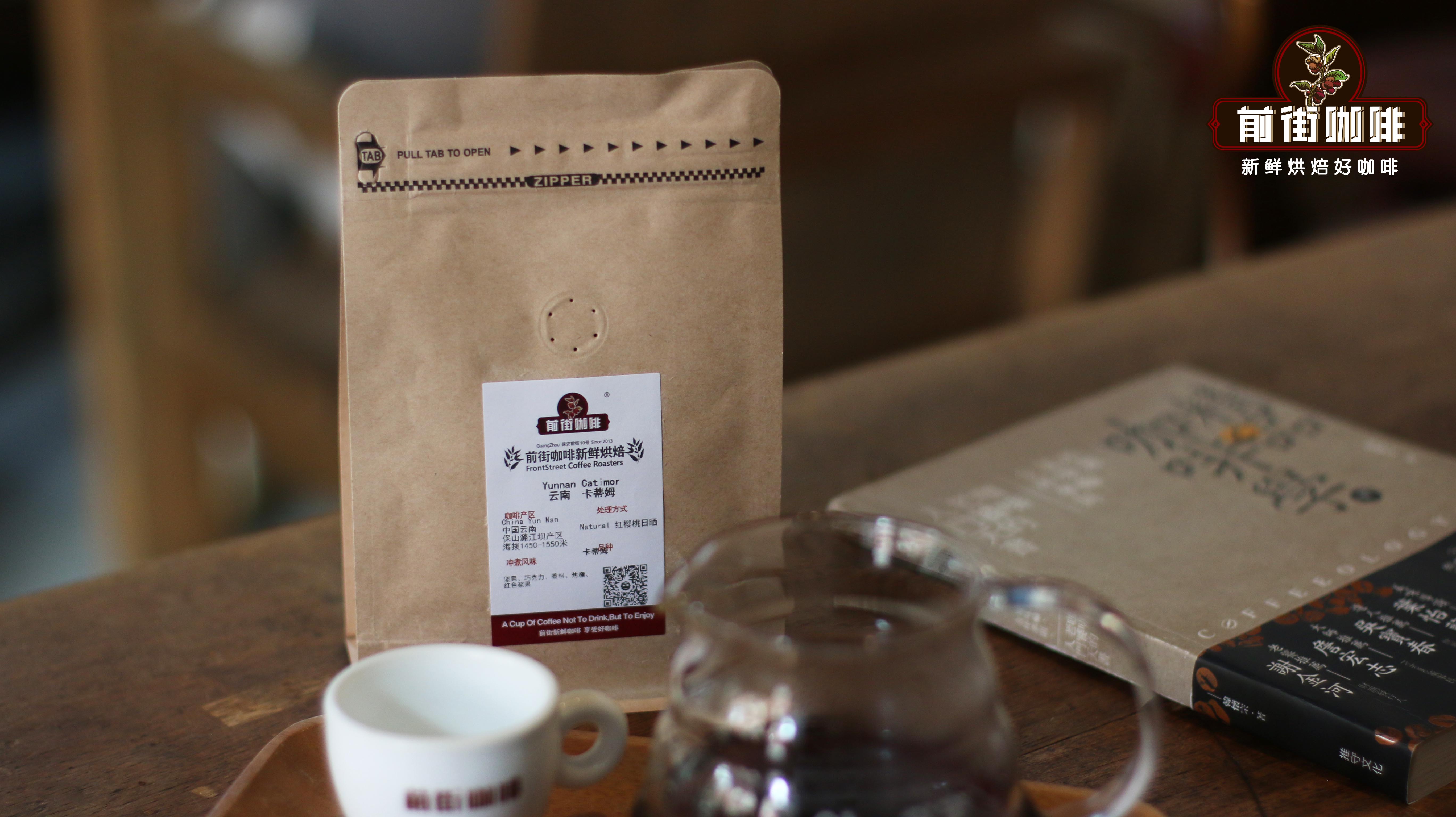
FrontStreet Coffee - Yunnan Catimor Coffee Beans
Region: Lujiangba, Baoshan, Yunnan
Altitude: 1,450-1,550m
Process: Red-cherry natural (sun-dried)
Variety: Catimor
Flavor: Nuts, chocolate, spices, caramel, red berries
Variedad Colombia (Colombia Variety)
Colombia is the world's largest Arabica exporter. This highly disease-resistant variety was created by crossing Catimor with Caturra. It tolerates direct sun and can be harvested in short cycles; Colombia began widespread cultivation in the 1980s, replacing traditional Typica as the country's main variety. Generally, Arabica trees represented by Typica require shade trees, but the Colombia variety - carrying one-quarter Robusta blood - needs no shade and can produce and harvest year-round. In recent years, however, possibly due to pesticides or chemical fertilizers, its beans may develop a phenolic off-taste (a note resembling iodine).
FrontStreet Coffee Brewing Suggestions
Coffee varieties abound with wildly different flavors, but to brew a delicious cup, freshness is essential. FrontStreet Coffee regards freshness as a vital part of brewing: every bean it ships was roasted within the past 5 days, because freshness profoundly affects flavor. FrontStreet's philosophy is "freshly roasted good coffee," ensuring that every customer receives the freshest possible beans. The resting period is about 4-7 days, so by the time beans arrive they are at peak flavor.

Of course, some customers need FrontStreet Coffee to grind the beans for them, which is fine - but one reminder: pre-ground coffee needs no resting, since during transit the pressure of carbon dioxide inside the package helps round out the flavor, so you can brew a cup immediately on arrival. Ground coffee must be brewed promptly, though, because it oxidizes quickly after contact with air - the flavor dissipates faster and the cup suffers. FrontStreet Coffee therefore suggests buying whole beans and grinding fresh for each brew to fully appreciate the coffee's character.
FrontStreet Coffee carries many different single-origin varieties - Yunnan Catimor, FrontStreet 2013 Yunnan sun-dried Typica, Jamaica Blue Mountain, Panama Geisha, Colombia Caturra and Catuai, and more. Different varieties from different regions await your tasting!
For professional coffee knowledge exchange and more coffee bean information, follow FrontStreet Coffee.
Explore the full range of FrontStreet Coffee specialty beans in the online store.
FrontStreet Coffee Recommendation
Among the many Typica descendants described above, none is more storied than Jamaica Blue Mountain. Strictly speaking, only coffee grown in a specific zone of Jamaica's Blue Mountains and certified by the Jamaican authorities may be called Jamaica Blue Mountain Coffee. The range lies in eastern Jamaica - one of the Caribbean's highest mountain groups, topping out at 2,256 meters - where year-round cloud cover, fertile volcanic soil, and mild, even rainfall let the fruit ripen slowly and accumulate sugar, creating the coffee's famous finesse and balance.
Blue Mountain's rarity underpins its prestige: the entire region yields under 2,500 tons a year, and Japan has historically bought more than 70% of the crop. To spot genuine Blue Mountain, rely on certification documents and proof of origin rather than traceability codes; traditional Blue Mountain ships in wooden barrels of 15, 45, or 70 kilograms, and FrontStreet's Jamaica Blue Mountain No.1 - the highest grade, from the historic Clifton Estate, farming at an average of 4,300 feet (about 1,311 meters) since around 1750 - comes with complete certification and original barrel display.
Brewing tips: Blue Mountain No.1 is medium-dark roasted to bring out its classic balance of cream, caramel, chocolate, and nuts. Use a Kono dripper with 15g of coffee rested 4-7 days from roast date, ground coarser than a light roast (about white granulated sugar), water at 87-88°C, and a 1:15 ratio in three pours - 30g for a 30-second bloom, then to 120g with a slow vertical spiral, then to 225g slightly faster to avoid clogging and over-extraction.
Important Notice :
FrontStreet Coffee is a long-established specialty coffee roaster in Guangzhou China, selling freshly roasted beans from its own farm in Yunnan as well as dozens of carefully selected single-origin beans from around the world for both pour-over and espresso. The products deliver consistently excellent quality and great value, with shipping within 24 hours. Guangzhou's FrontStreet Coffee shop is recommended by many coffee lovers, and the beans are now available online at the Tmall 。
FrontStreet Coffee has moved to a new address:
FrontStreet Coffee Address: 315,Donghua East Road,GuangZhou
Tel:020 38364473
 Scan and follow the En Gafei WeChat official account. Please indicate that the reprint comes from "En Gafei".