How is Indonesian Coffee? Introduction to Indonesian Blue Lake Batak - How to Drink Indonesian Coffee?
Professional coffee knowledge exchange. For more coffee bean information, please follow Coffee Workshop.
The category includes Sumatra, Sulawesi, Java, and Timor. The strength of Indonesian coffee is that most varieties offer rich, restrained flavors and a lively moderate acidity. Chinese coffee drinkers hold Indonesian Mandheling in extremely high regard, making it one of the most widely accepted single-origin coffees. Indonesian Mandheling was once hailed as the world's finest wet-hulled coffee. Mandheling is a trademarked name—today, any coffee cherries harvested in Indonesia and processed by this unique wet-hulling method may be sold as Mandheling. The name traces back to coffee cultivated by the Mandailing people in the Tapanuli region of northwestern Sumatra. At the end of World War II, a Japanese soldier introduced it to the Japanese market; thanks to a pronunciation slip, Mandailing became Mandheling, and the name stuck.
Sumatra Island
Sumatra coffee is exceptionally complex and elusive. The finest Sumatran coffee comes from two regions: Aceh province in the north of the island, near Lake Tawar, and the mountainous areas surrounding Lake Toba further south. Because of the many smallholder farmers, their distinctive semi-washed processing, and the iron-poor soil, coffee from this region shows a distinctive bluish tint in its fresh, unroasted state. Sumatra is Indonesia's second-largest island and the world's sixth-largest, covering 470,000 square kilometers. It is divided into eight provinces, but only two grow coffee extensively: Aceh and North Sumatra. The most representative growing area is the Gayo Mountains around Lake Tawar in Aceh, where coffee is cultivated by the indigenous Gayo people, whose farming and harvesting culture is dominated by women. In North Sumatra, coffee is grown around Lake Toba, an enormous volcanic lake—the largest of its kind in the world. The famous producing region here is Lintong, south of Lake Toba.
Blue Batak from Lintong
Lintong sits near Lake Toba, a famous volcanic lake less than two hours' drive from Medan, the largest city in North Sumatra. It is the world's largest volcanic lake, with a vast hinterland, so coffee characteristics vary considerably from north to east. In the Lintong region, Blue Batak represents the highest grade of Mandheling coffee. Today the mountainous areas near Lake Toba are farmed by the Batak people, not the Mandailing. The name "Blue" comes from the slightly bluish-green appearance of the raw beans together with the crystal-clear blue surface of the lake—hence Blue Batak Mandheling, or Blue-Eyed Mandheling.
Wet-Hulled Processing
Under this semi-washed, semi-dry wet-hulled method, farmers use machines to remove the peel and pulp from ripe red cherries. The beans, still coated in much of their mucilage, go into fermentation tanks to stir and ferment for about one day (24 hours). Once fermentation is complete, the remaining mucilage washes off easily with water. The beans are then sun-dried to roughly 30-35% moisture before the parchment husk is stripped away, readying them for market. Hulling the beans in this semi-wet state is what gives them their unique deep blue color. This method reduces acidity and increases body, creating the unmistakable Indonesian-style cup.
Flavor Characteristics
Sweet medicinal herbs, cinnamon-like spice, orange and citrus-peel aromas, rich and intense sweetness, creamy walnut and chocolate. The fruit acidity is restrained and gentle, and the aroma carries strong melon notes. As the cup cools, herbal tones emerge alongside subtle spice and herb aromas—mellow, with deep sweetness.
FrontStreet Coffee's Pour-Over Parameters
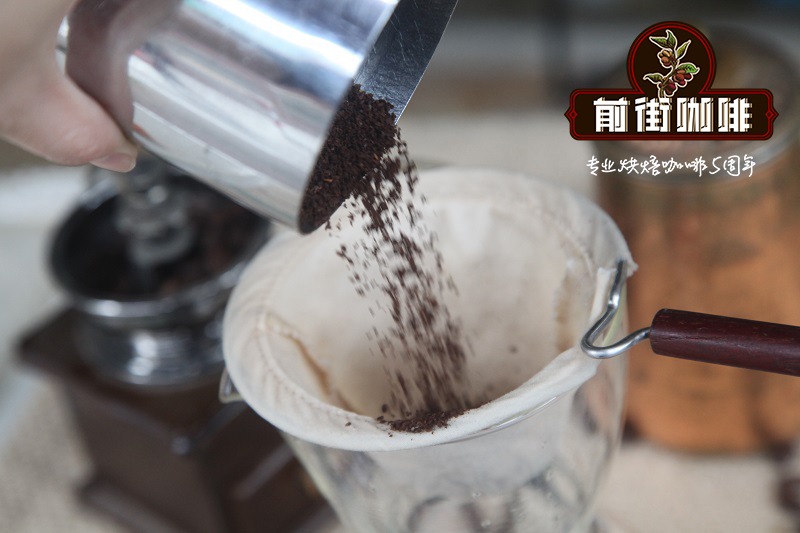
Flannel filter cloth, water at 86°C, Small Fuji grinder at setting 4, coffee-to-water ratio 1:14, total brew time of approximately two minutes.
FrontStreet Coffee Recommendation
For the classic wild, earthy Mandheling character, FrontStreet Coffee recommends our PWN Golden Mandheling, produced by Indonesia's PWN company to exceptionally strict standards: only beans above screen size 18 are selected, with fewer than 3 defective beans allowed per 300 g sample to meet the top G1 grade, followed by three rounds of hand sorting that further strip out defects and boost cleanliness and sweetness. Medium-dark roasted, these large, even, translucent beans are rich with roasted aromas, delivering a black coffee with a clean cup, full body, and notes of black chocolate, caramel, and wild herbs—perfect for anyone who dislikes acidity.
To brew it well, FrontStreet suggests a coarse granulated-sugar grind, 15 g of coffee, a 1:15 ratio, and water at 87-88°C, poured in three stages: first pour about 30 ml to fully saturate the grounds and let them degas; second, pour 100 ml to lift the bed and draw out the golden crema; finally, a gentle center pour of 95 ml to heighten sweetness. The result is a thick, mellow cup with caramel sweetness and notes of chocolate and nuts. Our Golden Mandheling also makes a superb espresso, with abundant crema and prominent caramel fragrance.
Important Notice :
FrontStreet Coffee is a long-established specialty coffee roaster in Guangzhou China, selling freshly roasted beans from its own farm in Yunnan as well as dozens of carefully selected single-origin beans from around the world for both pour-over and espresso. The products deliver consistently excellent quality and great value, with shipping within 24 hours. Guangzhou's FrontStreet Coffee shop is recommended by many coffee lovers, and the beans are now available online at the Tmall 。
FrontStreet Coffee has moved to a new address:
FrontStreet Coffee Address: 315,Donghua East Road,GuangZhou
Tel:020 38364473
 Scan and follow the En Gafei WeChat official account. Please indicate that the reprint comes from "En Gafei".