Understanding the Differences Between Rwandan and Kenyan Coffee: Unique Characteristics of African Coffee Beans

For professional coffee knowledge exchange and more coffee bean information, follow FrontStreet Coffee's coffee workshop.
Rwanda Coffee Beans
Rwanda has always been blessed with excellent coffee-growing conditions: high altitude, volcanic soil, and abundant sunshine. Since many coffee trees are planted on mountainsides between 1,700 and 2,000 meters, Rwanda is also known as the "Land of a Thousand Hills." Rwandan coffee offers a world-class experience - more balanced than Kenyan coffee yet clearly comparable to Central American coffee. Generally, Rwandan coffee carries the fresh sweetness of fruit, the delicate fragrance of flowers, and a black-tea-like aftertaste. Coffee production models vary from country to country, but Rwandan coffee is grown entirely by smallholder farmers rather than large enterprises; most African coffee cultivation follows this smallholder model. Compared with Brazilian farms, where even small ones reach twenty hectares, Rwanda's 0.1-0.2 hectare plots are truly modest.
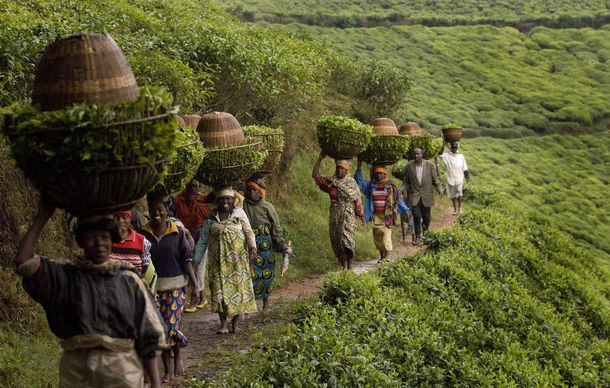
Here, farmers first pick the cherries by hand from the trees, then send them to processing stations. These coffees are sweet, with clear lemon flavors and subtle notes of berries and chocolate.
For these developing countries, when specialty coffee gains attention and demand rises, coffee naturally becomes one of the country's primary development directions, seeking continuous improvement and recognition in the international market.
After the beans are separated from the fruit, farmers use rakes and water to sort them one by one, followed by sun-drying. Because coffee beans are sensitive to ambient humidity, whenever a breeze suddenly picks up, the farmers quickly cover them with tarps.
Rwandan Coffee Flavors
Rwandan coffee flavors vary considerably: cherry, grape, lime, chocolate, cantaloupe, orange, honey, candy, apricot, plum, and more.
These fruity flavors are in themselves certification of excellent growing conditions. According to data from the National Agricultural Export Development Board, Rwanda currently has roughly 400,000 small production units, with farmland generally situated at 1,700-2,000 meters. High altitude creates multi-layered coffee flavors. Most of the country's coffee comes from the western and southern regions, but there are in fact five producing areas. In the southwest, the Virunga volcanic region dominates, where the famous Silverback Mountain is also located. On the western side of the country lies the Kivu region beside Lake Kivu. In the central part of the country there is the Kizi Rift region. Moving to the southern end of the map, there is the lower-altitude Akagera at roughly 1,300 meters. And finally, in the east, there is the Muhazi region.
Regional characteristics certainly differ, but generally all Rwandan areas share high altitude and nitrogen-rich volcanic soil - conditions that are indispensable for producing high-quality coffee.
Coffee Processing
Previously, each farm processed coffee differently, and beans from individual farms were collected and mixed with those of their neighbors.

After the genocide, the country began opening up and accepting foreign aid, and revitalizing the coffee industry became a national priority. Projects like PEARL and SPREAD consequently emerged, providing farmers with standardized training and establishing washing stations consistent with traditional East African coffee processing methods. Burundi is one country that uses this processing method and excels at it.
Another noteworthy aspect is Africa's unique "fully washed" processing method, which involves soaking the coffee beans twice - a practice uncommon in Latin America.
The most commendable aspect of Rwandan coffee is that after the cherries are harvested, farmers first remove unripe green cherries. Mature cherries are then separated in washing tanks, and only red cherries go to the depulping machine. Depending on the weather at the time, coffee cherries with remaining pulp ferment for 24-48 hours; the purpose of fermentation is to avoid damaging the coffee's flavor. The clean parchment beans are then sent for drying. All coffee is dried on raised beds for 15-22 days, until moisture content reaches approximately 11%. When the weather becomes excessively hot, farmers must cover the beds with cloth; otherwise the drying will finish prematurely.
The best Rwandan beans should have a white surface, and if drying is completed in time, the beans should show no cracks. This preserves more organic compounds, resulting in better flavor and a longer shelf life.
High-altitude Rwandan beans processed by the fully washed method are generally sweet and rich-bodied.
Kenya
Whenever African coffee production is discussed, Kenya has always maintained an excellent reputation for quality. This may be related to its geography - after all, Ethiopia, Africa's representative coffee country, sits right next door. Since coffee traveled from Ethiopia through the mountain ranges into Kenya, the country has become one of the industry's leaders. Beans grown in high-mountain terrain generally have a smoother body, more outstanding flavor, and pleasant acidity. The aroma subtly reveals delicate floral fragrance, with aftertastes combining lemon-berry and wine-like notes.
Kenyan Coffee Grades
Kenyan coffee has a unique domestic grading system that measures bean size, weight, and shape, generally divided into AA, AB, PB, C, E, TT, and T. Bean size is an important grading criterion, because larger beans indicate more aroma and richer flavor - both qualities prized by coffee enthusiasts. If two lots are identical except for bean size, the larger-bean lot will always be of higher quality.
If you are looking for a rich, African-grown coffee, Kenyan production will likely exceed your expectations.
Kenyan Coffee Quality
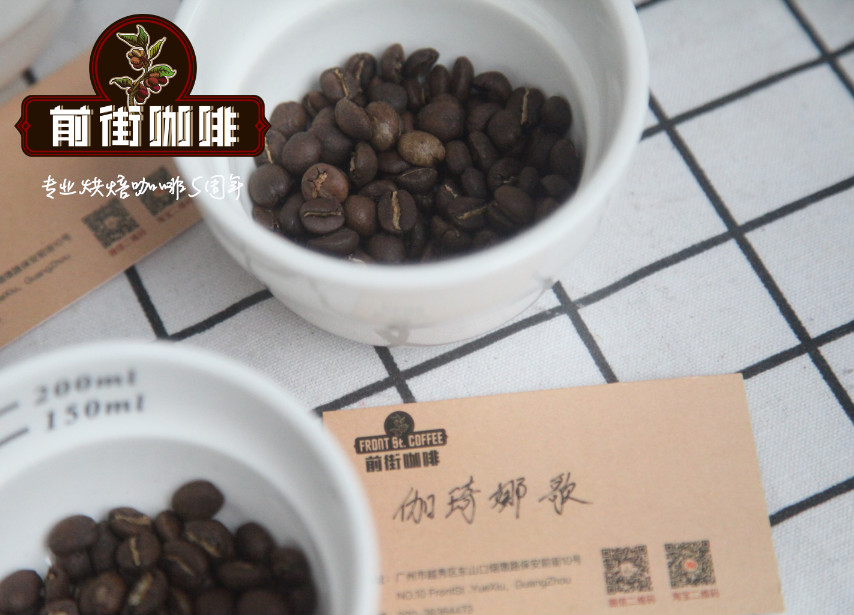
Kenyan Arabica grows in volcanic soil at altitudes between 1,400 and 2,000 meters. This high altitude creates outstanding flavor with lively acidity. Rich in character, it carries a wine-like aftertaste with citrus and berry undertones.
On the other hand, fierce competition among farmers is another factor behind the high quality. In Kenya's capital, Nairobi, weekly coffee auctions are held. Beyond the lively atmosphere, farmers with high-quality beans naturally earn substantial profits, which further drives progress in the coffee industry. Even international coffee buyers come to Nairobi specifically to purchase, then distribute to coffee sellers worldwide.
Production
Since coffee was introduced in 1893, Kenya's coffee production history now spans more than a century. Coffee-growing areas occupy a total of 160,000 hectares, one-third of the total cultivated area.
Currently, domestic coffee production fluctuates mainly due to climatic and socioeconomic factors. Annual production is approximately one million bags, with two harvests: at the start of the rainy season in March-April, and in October.
Kenyan AA
Kenyan AA grows at elevations reaching about 6,600 feet, making it one of the finest coffees in the world. Growing at high altitude means slower growth, which allows the beans to absorb more nutrients and gives the flavors more time to develop, resulting in richness. As Kenya's highest grade of coffee beans, all AA coffee comes from the most impeccable Arabica beans. Processed by the washed method: after the cherry skin is removed, farmers soak the beans in water tanks, during which the beans' own enzymes naturally break down residual mucilage. Once sun-dried, the remaining parchment comes off easily. The bean size is then measured and the grade assigned.
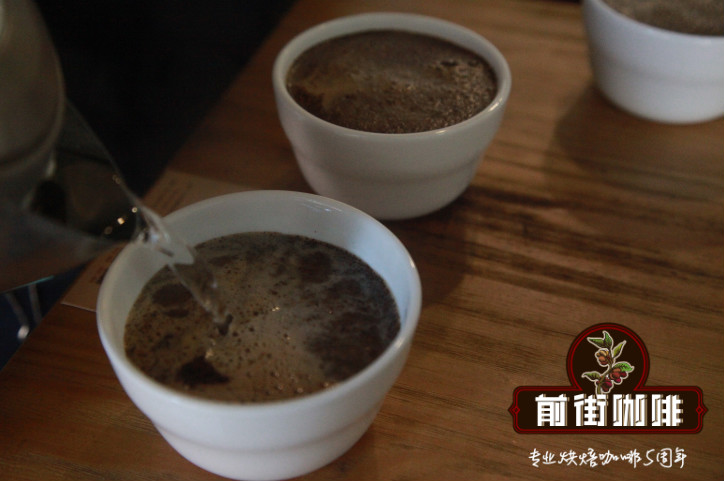
Excellent beans also need good roasting to match. To bring out the character of Kenyan AA is to highlight its rich, intense citrus and berry flavors. People drink Kenyan AA precisely because they are drawn to that flavor, with almost no bitterness. The best AA beans are roasted medium; going darker would cause their distinctive character to be lost. Kenyan AA beans are the largest beans the country produces, and the brewed coffee always combines fruit and floral notes. Finally, as with all single-origin coffees, regardless of roast level, the beans need to be fresh - avoid coffee that has been sitting in distribution warehouses for months.
FrontStreet Coffee suggests roasting Rwandan coffee to city or full city roast to obtain a richer body and chocolate-nut flavors, while Kenyan coffee should be roasted light-medium to bring out its rich berry, citrus, and fruity flavors.
FrontStreet Coffee Recommendation
As the world's largest coffee producer, Brazil grows an enormous range of coffees. Brazilian beans carry moderate acidity, and the balance of sweetness, bitterness, and body is excellent - which makes them ideal for medium roasting, bringing out nutty aromas, a mellow cup, and a gentle acidity. They work equally well as single origin or in blends.
If you just want a taste of Brazil, try FrontStreet's pulped natural Cerrado Red Bourbon, a classic Brazilian single origin. Cerrado is a renowned Brazilian region known for high-quality beans, and this Red Bourbon, medium roasted, shows rich aromas of creamed peanuts, toasted bread, caramel, and hazelnut, with a rounded cup, no sourness, and just a light bitter note. It suits pour-over, moka pot, espresso SOE, siphon, and French press alike.
FrontStreet's other Brazilian single origin, Queen Estate, comes from Mogiana near southern Minas, where fertile red volcanic soil feeds the cherries and develops their full aroma. The variety is the rare Yellow Bourbon, a mutation of Red Bourbon with a cleaner fruit character. Through pour-over, moka pot, or home espresso you can taste a sugarcane sweetness found in no other origin, alongside fruit and chocolate notes. Low acidity and approachable pricing have also made Brazilian coffee a staple of FrontStreet's espresso blends - the crema-rich Classic Blend, the nutty Specialty Blend, the balanced Black Cocoa Blend, and the shop-focused Commercial Blend all contain Brazilian beans, adding chocolate and cream aromas plus a soft interplay of sour, sweet, and bitter for extraction stability.
Important Notice :
FrontStreet Coffee is a long-established specialty coffee roaster in Guangzhou China, selling freshly roasted beans from its own farm in Yunnan as well as dozens of carefully selected single-origin beans from around the world for both pour-over and espresso. The products deliver consistently excellent quality and great value, with shipping within 24 hours. Guangzhou's FrontStreet Coffee shop is recommended by many coffee lovers, and the beans are now available online at the Tmall 。
FrontStreet Coffee has moved to a new address:
FrontStreet Coffee Address: 315,Donghua East Road,GuangZhou
Tel:020 38364473
 Scan and follow the En Gafei WeChat official account. Please indicate that the reprint comes from "En Gafei".