Brazil Santos Roasting Temperature and Time Chart: How to Best Roast Brazil Santos?
Introduction to Brazilian Coffee
Brazil's two famous exports, football and coffee — and Santos is a coffee with an excellent cost-performance ratio! With decades of cultivation experience behind it, Brazilian Santos takes its name from its export port. This is a bean with remarkably balanced sweetness and aroma, neither bitter nor acidic. Roasted with FrontStreet Coffee's profile, it fully expresses the rich fruit aroma of the Santos growing region — beautiful quality at an affordable price, since local production is large enough to keep it inexpensive.
Brazilian Coffee Overview
Brazil is the world's largest coffee-producing country, accounting for about one-third of global production.
Beans from this region have low acidity, a rich mouthfeel, and high sweetness. Abundant in oils, they are most suitable for brewing espresso.
Flavor Profile
Flavor: Pulped-natural (semi-washed) coffee flavor falls between natural and washed processing methods, featuring lower acidity and fuller body characteristics.
Clean, balanced, full aroma, moderate acidity.
Roast Level: Recommended medium to medium-dark roast to achieve richer mouthfeel.
Roasting Experiments
First Roast
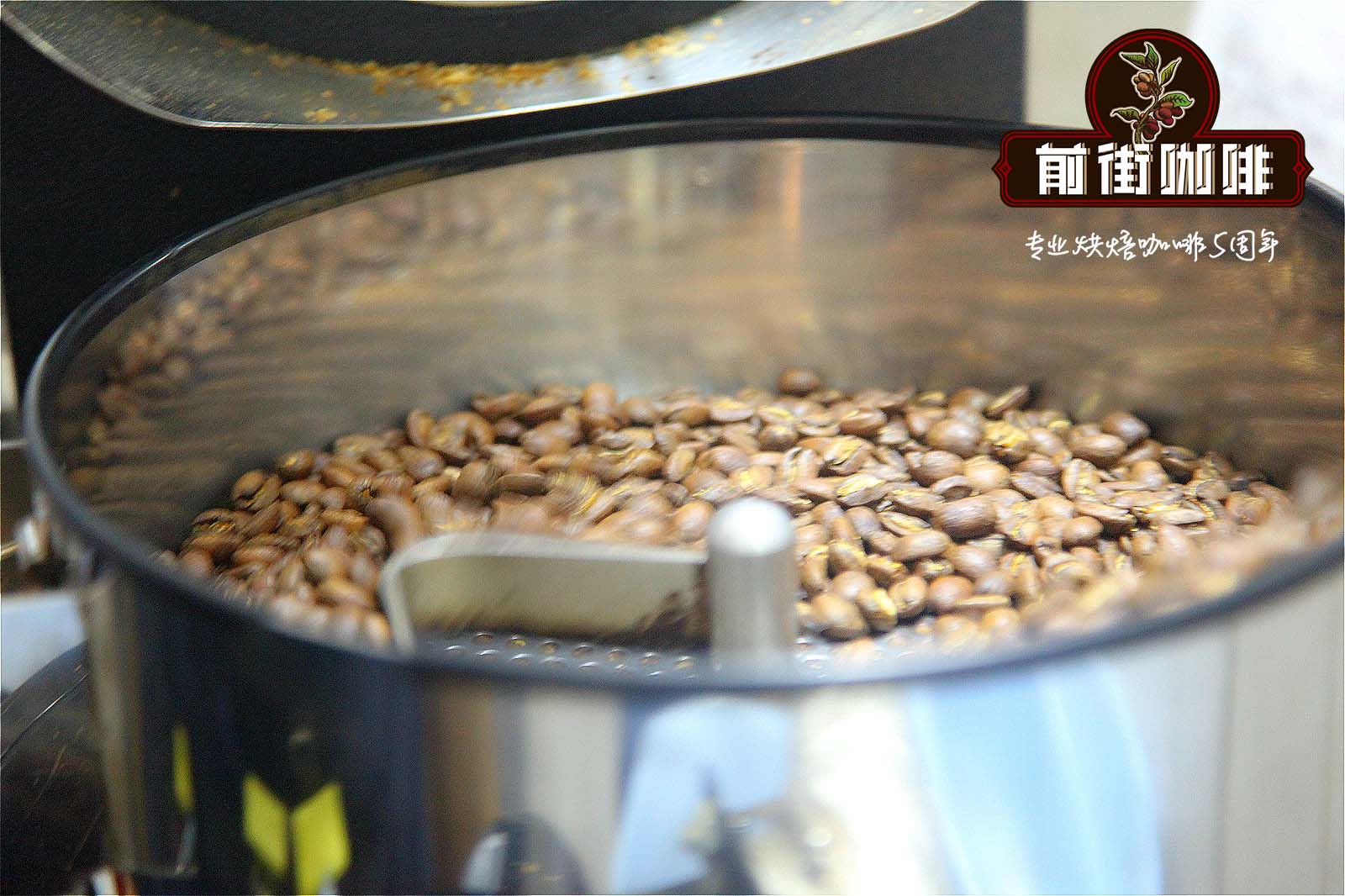
(1) Brazilian beans are generally used for Mamba or as blend components. This time we roasted it as a blend component, planning to roast to medium level. 190°C bean entry. Controlled to 0800 time, temperature at 161°C; increased heat to 230°C to develop aroma, cooled to 190°C at 185°C, first crack at 1030 when reaching 199.5°C, dropped beans at 1300 when reaching 204°C. (From first crack to dropping beans: 2 minutes 30 seconds).
Originally planned to drop beans at 90 seconds after first crack at 206°C, but when the time came, the temperature hadn't been reached. At 2 minutes 30 seconds, seeing the bean color was about right, we dropped the beans first.
Taste: Very smooth, the kind of coffee flavor everyone can accept, with a little bit of sour aroma, a little bit of sweet taste, a little bit of astringency, no bitterness, not much character, lacks texture when drinking, but quite high in body.
So this is what the coffee I used to drink tasted like. Since falling into the specialty coffee world, I haven't had such characterless coffee for a long time. However, Brazilian beans are very important as base beans for espresso blends.
Second Roast
(2) 12/30 roast, planned to roast to medium-dark to bring out caramel aftertaste. First crack at 1000 when reaching 185°C, dropped beans at 1300 when reaching 204°C.
Taste: Sour aroma turned to caramel flavor, smooth without off-flavors, high body, slight astringency.
Third Roast
(3) 5/7 roast, 190°C bean entry. 0800 at 160°C, raised temperature to 210°C to the end. First crack at 1045 when reaching 196°C, dropped beans at 1345 when reaching 210°C, bean color uniform, no oil on surface.
Characteristics of Brazilian Santos Coffee
Brazilian Santos coffee's mouthfeel contains lower acidity, combined with the coffee's sweet bitterness, making it extremely smooth on the palate, with a faint grassy aroma. In its light fragrance with a hint of bitterness, sweet and smooth, the aftertaste leaves one feeling refreshed and satisfied. For Brazilian coffee, there are no particularly outstanding advantages, but also no obvious flaws. This taste is mild and smooth, low in acidity, moderate in body, with a faint sweetness. All these gentle flavors mixed together, trying to distinguish them one by one is the best test for the taste buds. This is also why many Santos fans love this coffee - precisely because it is so mild and common. Santos is suitable for medium roasting, suitable for the most popular brewing methods, and is the best raw material for making Italian espresso and various specialty coffee drinks.
FrontStreet Coffee Recommendation
If Santos' balance appeals to you, FrontStreet Coffee's pulped-natural Cerrado Red Bourbon is a classic Brazilian single origin from the Cerrado region, famed for high-quality beans. At a medium roast it shows cream, roasted peanut, toast, caramel, and hazelnut aromas, with a rounded, non-acidic cup and a light bitterness — versatile enough for pour-over, moka pot, espresso SOE, siphon, or French press.
For an estate option, the FrontStreet Queen Estate Yellow Bourbon from Mogianna, near southern Minas, grows in fertile red volcanic soil. Yellow Bourbon — a natural mutation of Red Bourbon — offers a cleaner fruit character with sugarcane sweetness no other origin can match, alongside fruit and chocolate notes. Brazil's low acidity and steady balance also make it the backbone of FrontStreet Coffee's espresso lineup: the crema-rich Classic Blend, the nut-forward Signature Blend, the balanced Black Cocoa Blend, and the café-friendly Commercial Blend all use Brazilian beans for chocolate-cream aromatics and extraction stability.
Important Notice :
FrontStreet Coffee is a long-established specialty coffee roaster in Guangzhou China, selling freshly roasted beans from its own farm in Yunnan as well as dozens of carefully selected single-origin beans from around the world for both pour-over and espresso. The products deliver consistently excellent quality and great value, with shipping within 24 hours. Guangzhou's FrontStreet Coffee shop is recommended by many coffee lovers, and the beans are now available online at the Tmall 。
FrontStreet Coffee has moved to a new address:
FrontStreet Coffee Address: 315,Donghua East Road,GuangZhou
Tel:020 38364473
 Scan and follow the En Gafei WeChat official account. Please indicate that the reprint comes from "En Gafei".