Effects and Benefits of Drip Bag Coffee: Brewing Parameter Adjustment Techniques for Coffee-to-Water Ratio
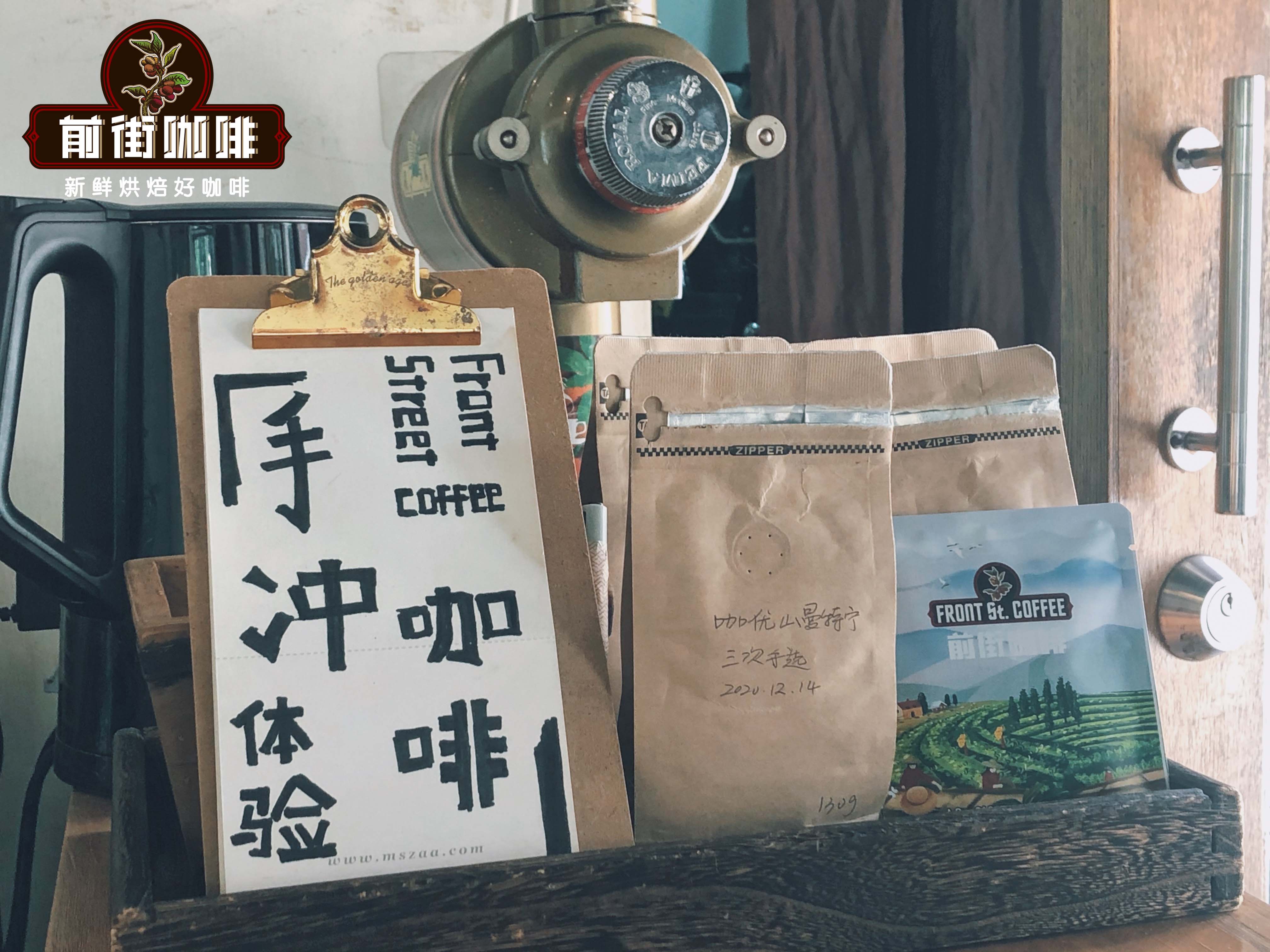
How Drip Coffee Bags Relate to Pour-Over Coffee
Many coffee enthusiasts enjoy pitting drip coffee bags against pour-over coffee, but FrontStreet Coffee sees them as allies, not rivals. They don't compete; their relationship is expansive — drip coffee bags are an extension of pour-over coffee.
First, it helps to be clear that both are simply ways of brewing coffee. Pour-over coffee took shape after World War II, while the drip coffee bag was born in Japan in 1990 and was patented and brought to market by Japan's UCC in 2001. Measured purely on flavor and mouthfeel, drip bags cannot rival pour-over — but they solve a real problem with pour-over: complexity.
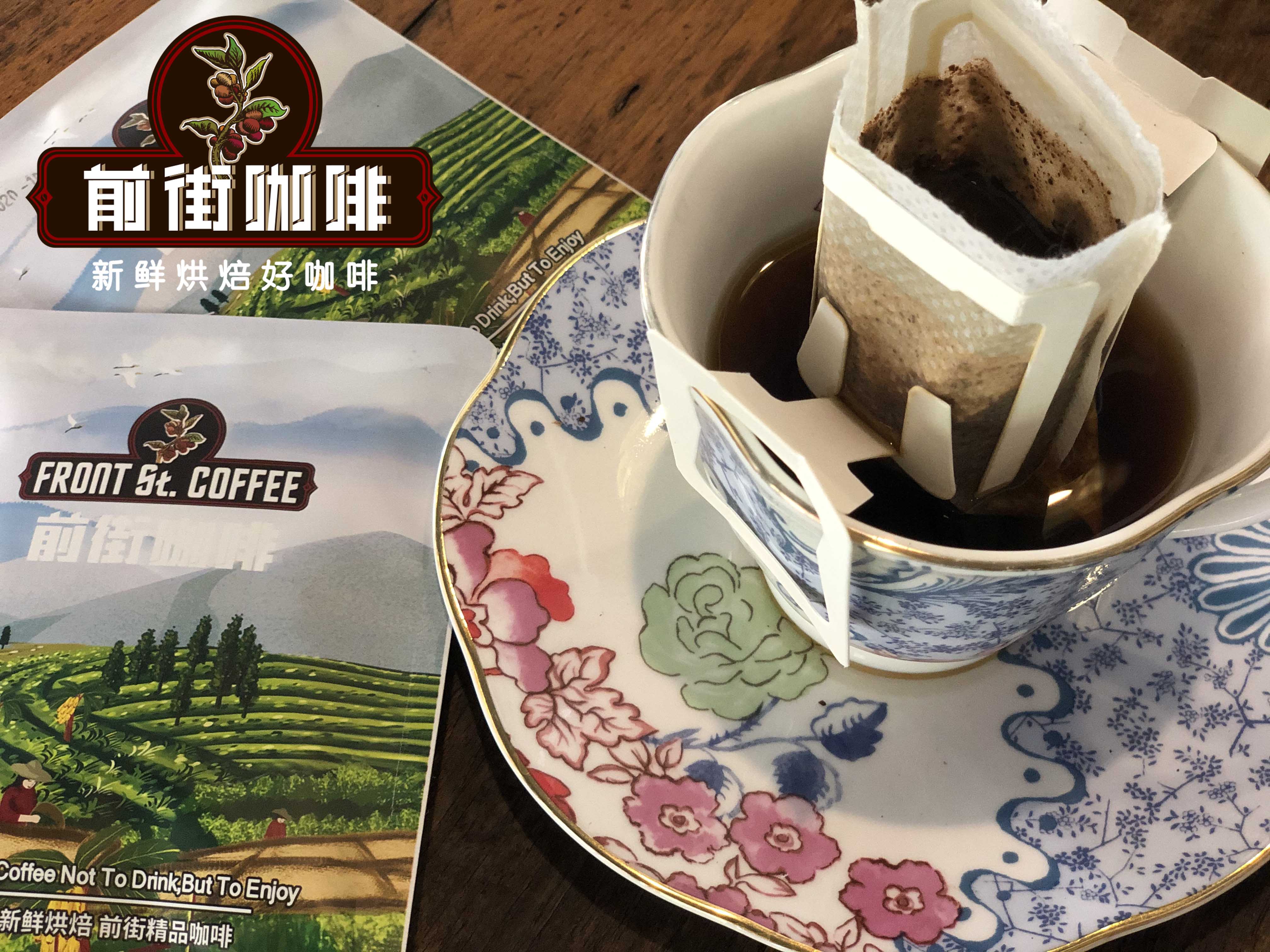
A proper pour-over demands a grinder, dripper, server, gooseneck kettle, filter paper and more — an expensive pile of gear — plus, above all, coffee beans, which must be ground before water ever touches them. Brewing a single cup at home takes about 10 minutes including setup. Drip coffee bags optimize all of that perfectly: one bag, one cup, one kettle, and a cup of black coffee in 2 minutes.
The Convenience Factor
Drip coffee bags fill exactly the gap that pour-over's complexity leaves behind. When you're short on time but craving pour-over, when you want one at the office with no brewing equipment, or when you're traveling — all situations where pour-over can't serve you — drip bags fill the void perfectly.
Flavor and Mouthfeel Differences
Back to flavor: everyone says drip bags are inferior to pour-over, yet no one can say exactly by how much. FrontStreet Coffee sees two reasons for the difference. First, storage. Pour-over typically uses freshly ground beans, while drip bags hold pre-ground coffee — and that alone costs the same coffee some of its flavor.
Second, precision. Pour-over rewards attention to technique, dripper, kettle — every parameter can steer a cup's flavor. Drip bags remove those variables, which means simply expressing the coffee's basic flavors well is already a success. If you're not chasing the very best flavor, only a respectable "passing grade," the entry barrier for drip bags is far lower. You can easily brew a tasty cup — just don't be overly demanding.
FrontStreet Coffee's Drip Bag Brewing Method
Drip bags don't need pour-over's precision, but a basic method still helps. Here is FrontStreet Coffee's approach:
1. FrontStreet Coffee uses 10g of ground coffee at a 1:15 coffee-to-water ratio, adding about 150ml of hot water. Want it stronger? Use less water. Lighter? Add more. Adjust the ratio to taste.
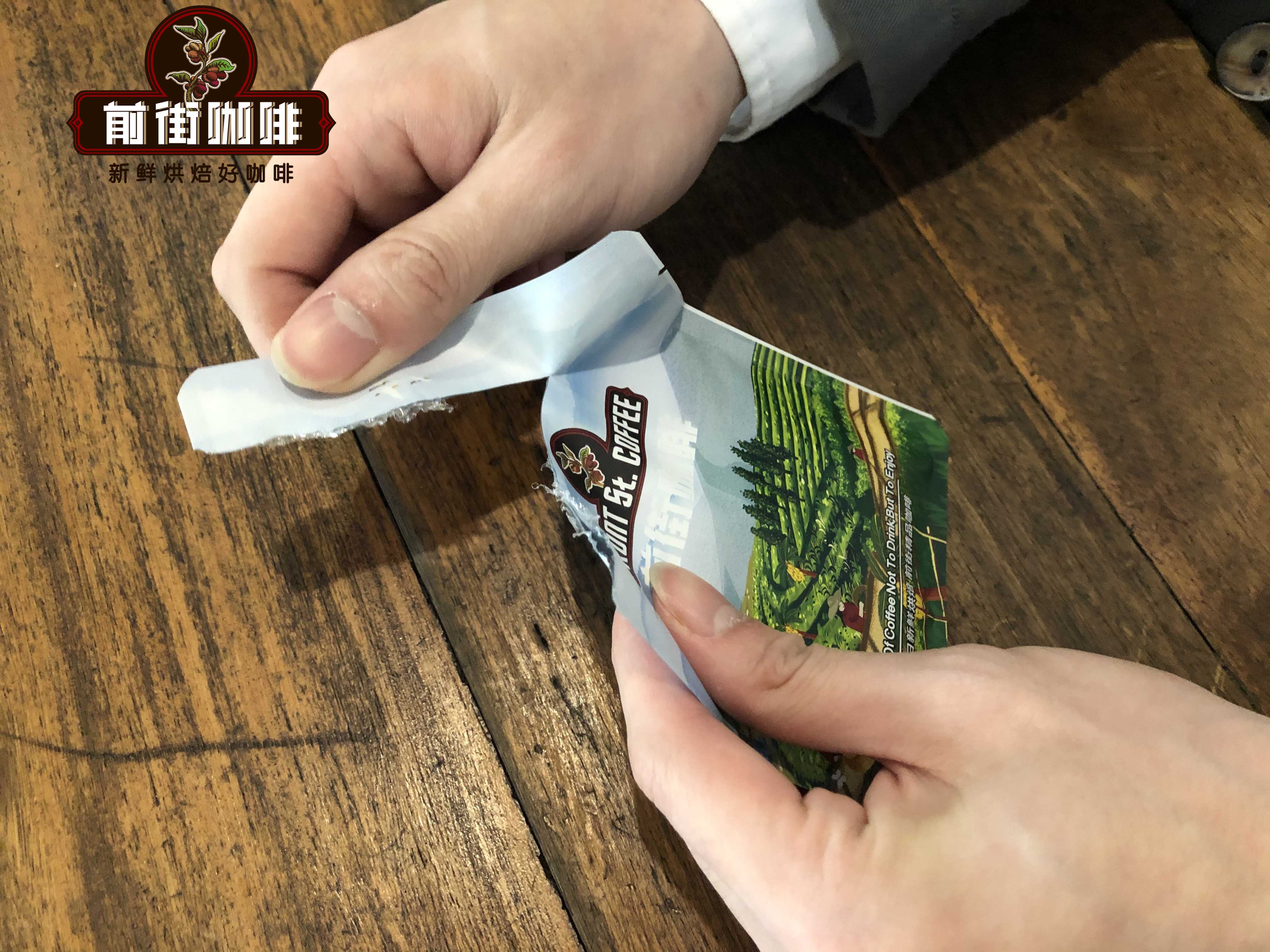
2. Tear open the outer packaging to reveal the white filter bag inside. Most brands — including FrontStreet Coffee's — print "OPEN" clearly on the seal. Some people assume drip bags work like hanging tea bags and never tear them open. But without tearing the bag open you lose the flowing-water brew, and extraction inevitably suffers. FrontStreet Coffee's advice: tearing it open is always step one!
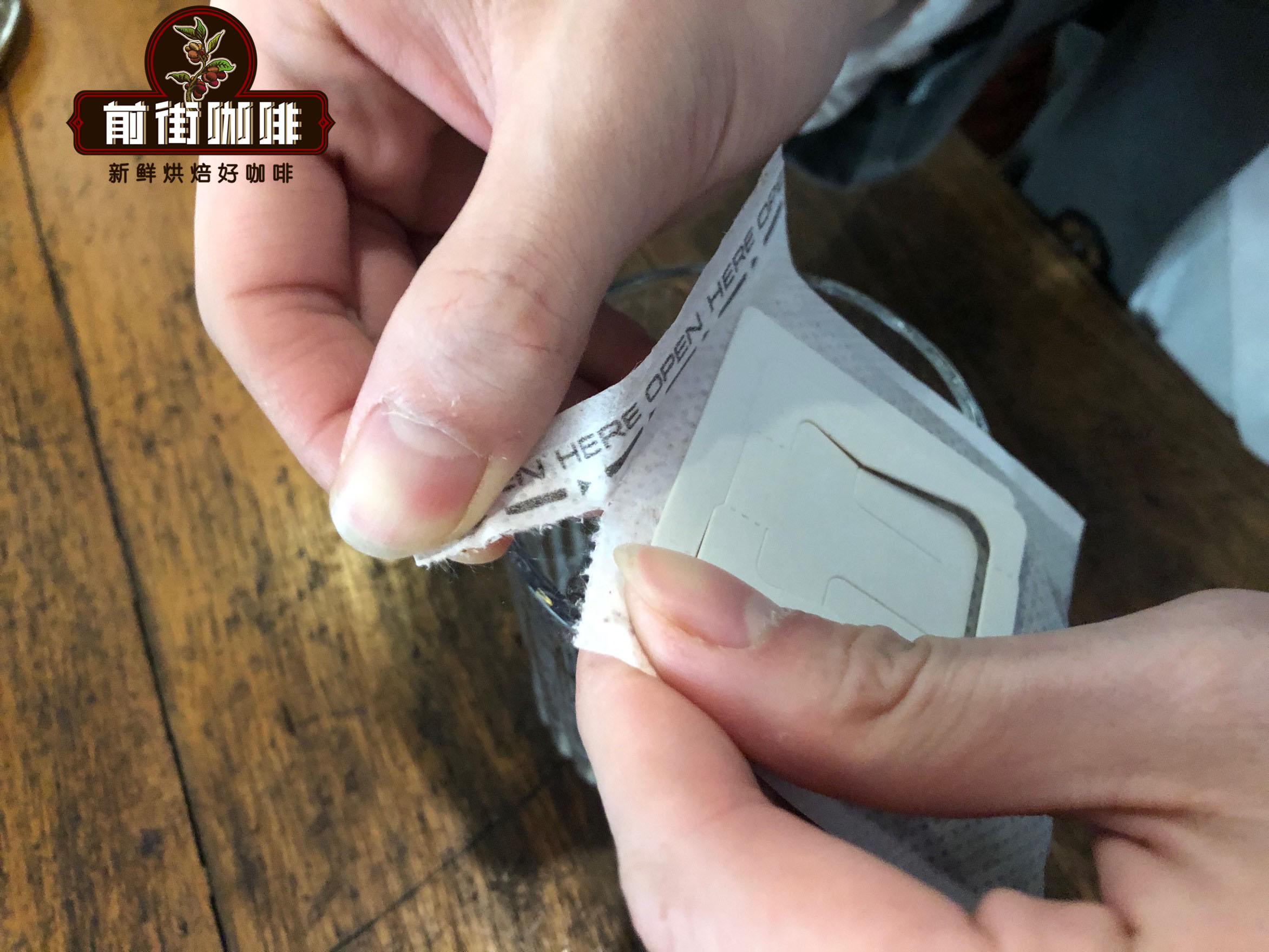
3. Open the two "little ears" and hang the bag on your cup. Keep the water temperature between 88–90°C. First pour a small amount of water — about 20g — to wet all the grounds. Wait 20 seconds, then pour in a thin stream until you've collected 150ml of coffee. If the water level climbs too high, pause briefly and resume once it drops.
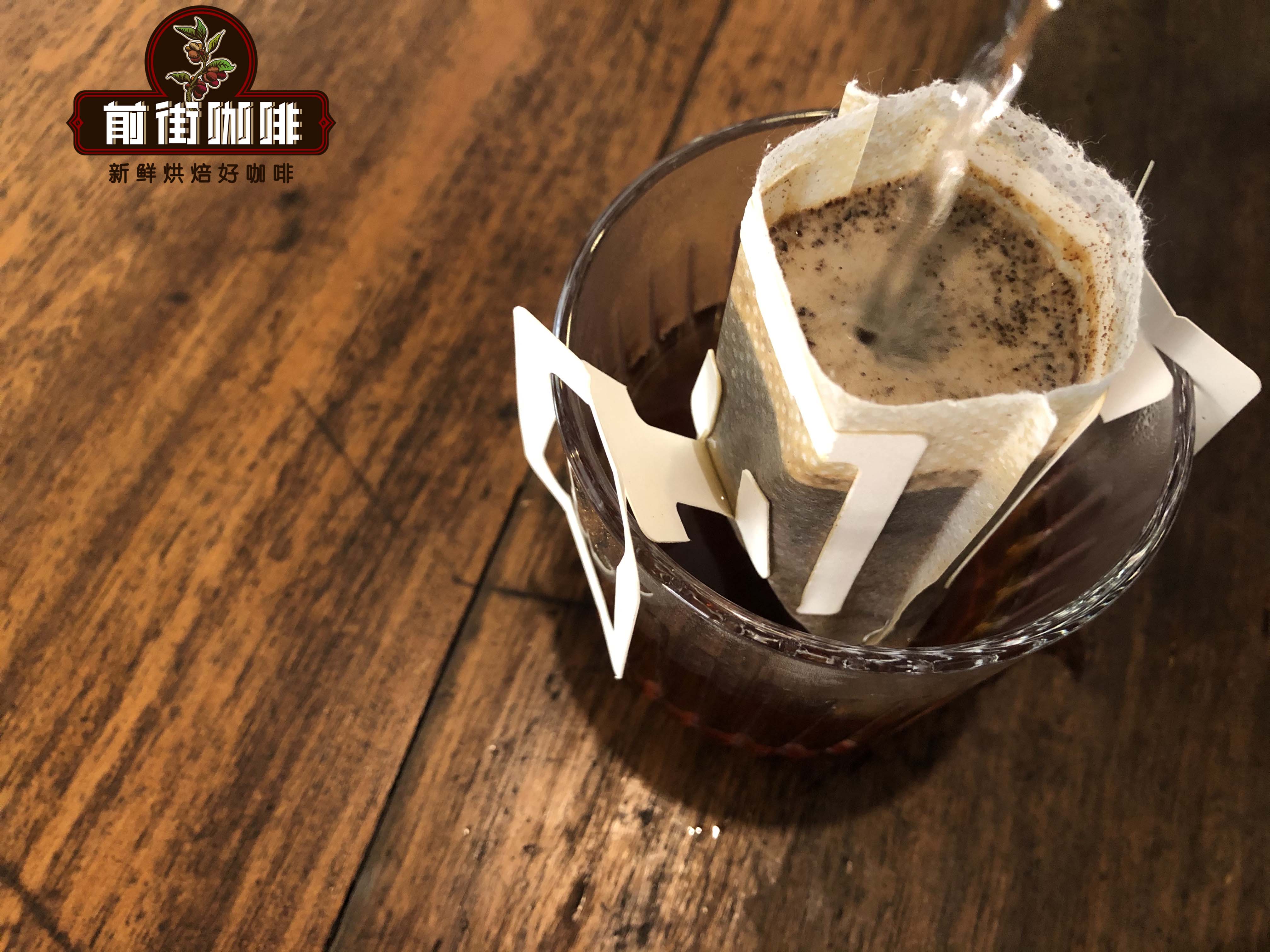
Customers often ask whether they should pour in stages. You can simply pour in small circles straight up to 150ml. Drip bags exist to be simple and convenient — no extra requirements.
Can a Drip Coffee Bag Be Reused?
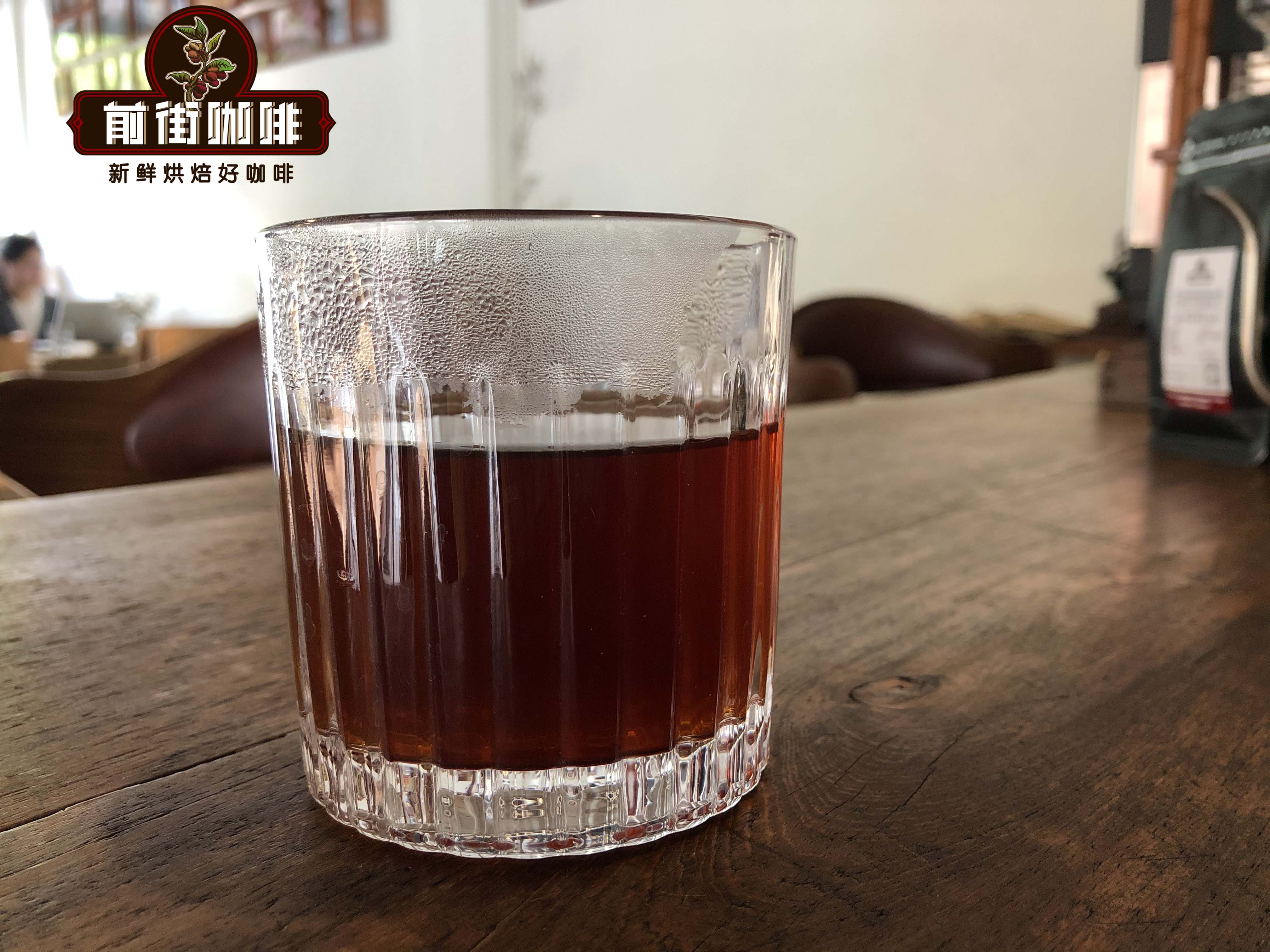
Another frequent question: can one bag be brewed twice? A drip bag holds about 10g of coffee and is really good for one brew. A second brew may still taste strong, but that is deceptive — the longer the grounds steep, the more caffeine and bitterness leach out. That second cup is over-extracted: bitter, astringent flavors have taken over and the coffee's best character is gone, even if the beans themselves are within their prime. FrontStreet Coffee therefore doesn't recommend reusing a drip bag.
Bean Quality Still Rules
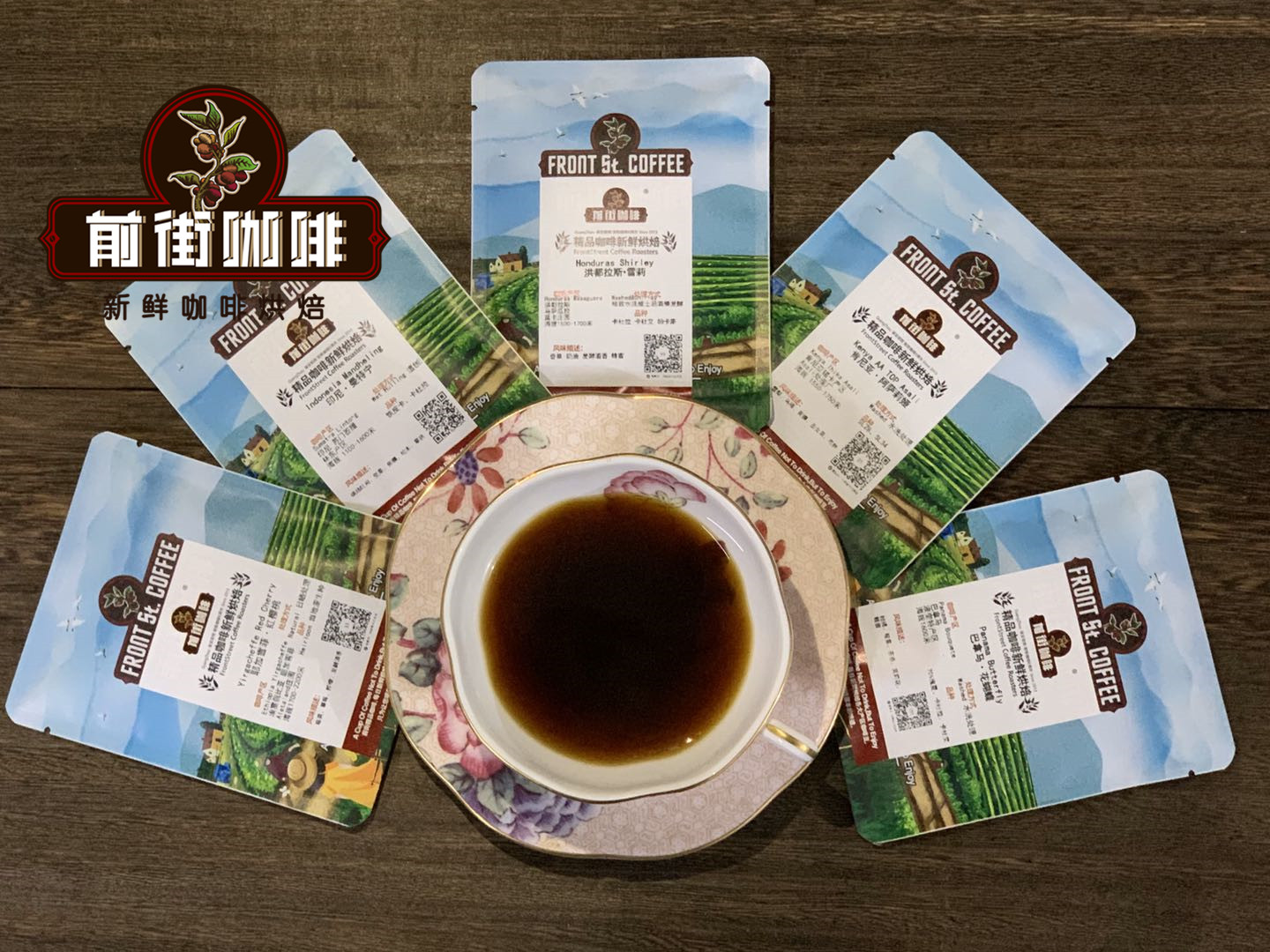
Of course, drip bags exist to showcase the beans, just like pour-over. Good beans keep their character even pre-ground and sealed in a bag. With so many flavors on offer, choice paralysis is real — which is why FrontStreet Coffee recommends its seasonal drip bags.
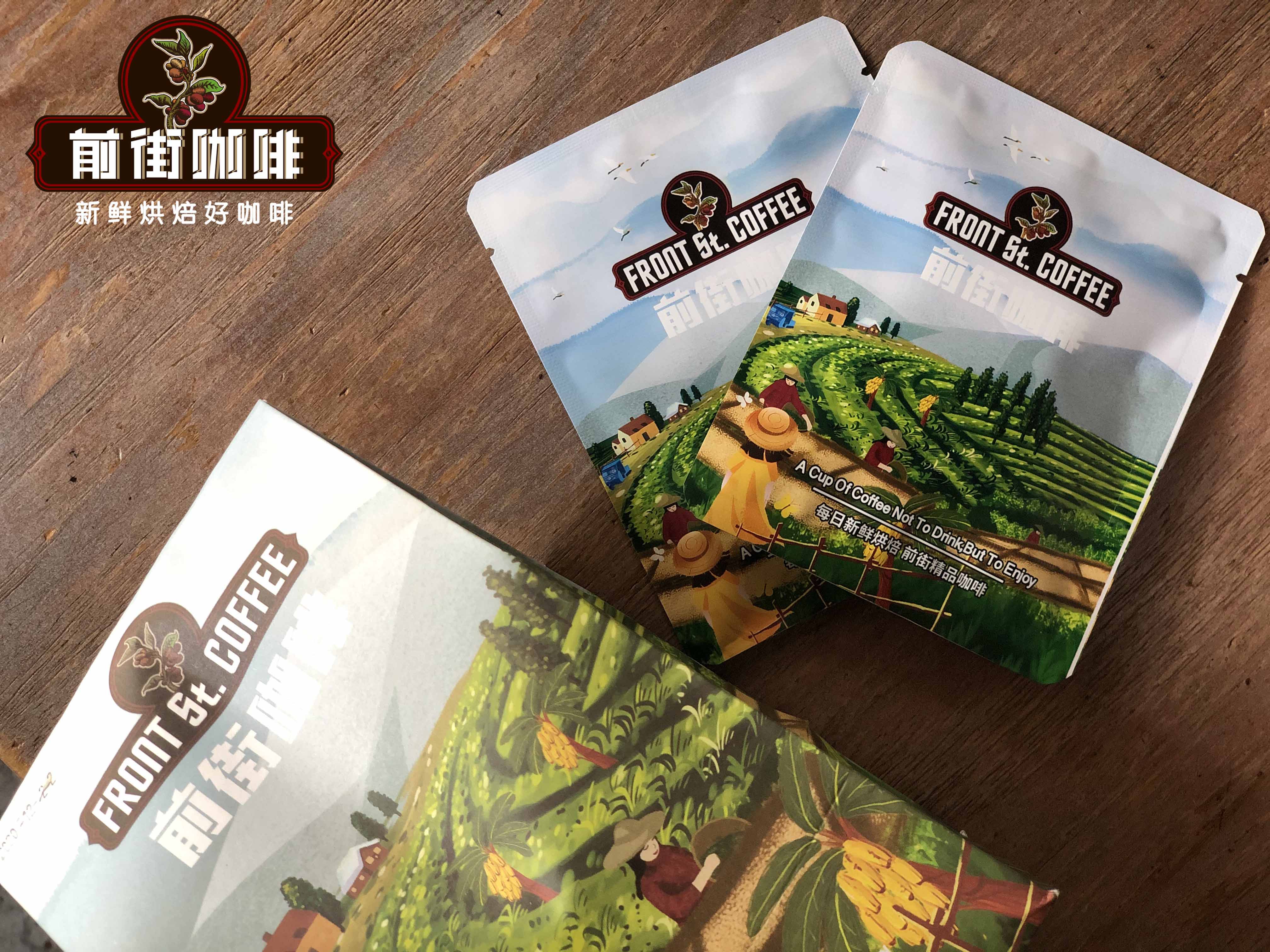
Seasonal drip bags are drawn at random from FrontStreet Coffee's seven core origins, with beans from five regions mixed into each batch: Ethiopia Yirgacheffe (citrus and fruit), Indonesia Mandheling (herbal, rich, nutty), Brazil Cerrado (nutty, clean), Colombia Huila (peanut, buttery), Costa Rica Tarrazú (nutty, toffee), Yunnan Catimor (fruity, tea-like), and Guatemala Huehuetenango (citrus, smoky). Choosing a seasonal box is like opening a blind box — surprises guaranteed, and there's always one that suits your taste!
FrontStreet Coffee Recommendation
If the seasonal drip bags spark your curiosity, take the next step with a Hario V60 pour-over. The V60's 60° cone and V-shaped ridges guide water to the center before it drips through, extending contact between water and grounds so that aroma and flavor extract fully, while its single large outlet hands the flow rate — and the flavor — to you.
FrontStreet loves the resin version of the V60 for two practical reasons: resin blocks heat loss during the brew, and in standardized mass production it is the easiest material to mold with the smallest tolerances. Pair it with a floral, fruit-acid coffee — FrontStreet's Guodingding Yirgacheffe or the tropical Huakui — and the V60's quick extraction will render their florals, fruit acidity and tea-like sweetness in full dimension.
Important Notice :
FrontStreet Coffee is a long-established specialty coffee roaster in Guangzhou China, selling freshly roasted beans from its own farm in Yunnan as well as dozens of carefully selected single-origin beans from around the world for both pour-over and espresso. The products deliver consistently excellent quality and great value, with shipping within 24 hours. Guangzhou's FrontStreet Coffee shop is recommended by many coffee lovers, and the beans are now available online at the Tmall 。
FrontStreet Coffee has moved to a new address:
FrontStreet Coffee Address: 315,Donghua East Road,GuangZhou
Tel:020 38364473
 Scan and follow the En Gafei WeChat official account. Please indicate that the reprint comes from "En Gafei".