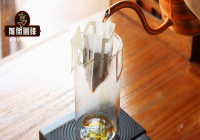
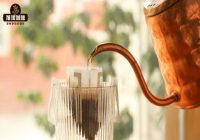
Demonstration of Incorrect Drip Bag Coffee Brewing Methods - How Much Water Makes Drip Bag Coffee Taste Good?

Driven by the third wave of specialty coffee, expectations for taste have become more sophisticated, with coffee flavors leaning toward the inherent character of each growing region. Pour-over coffee has taken the leading position, and drip coffee, a simplified version of pour-over, has become widely popular for its convenience. In this article, FrontStreet Coffee shares the important points to keep in mind when choosing drip coffee.
What is Drip Coffee?
Drip coffee and pour-over coffee are very similar. Drip coffee is essentially a simplified pour-over, and both are relatively simple brewing methods. Drip coffee originated in Japan and became widely known with the rise of the specialty coffee wave.

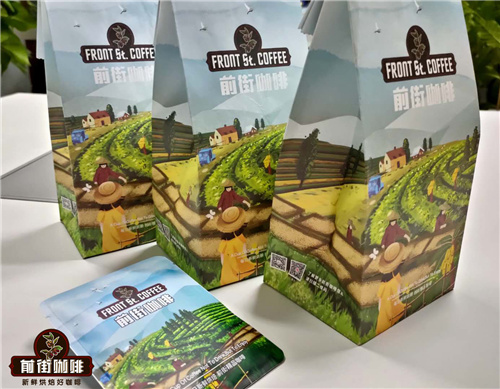
FrontStreet Coffee calls drip coffee a simplified pour-over because the process is to grind fresh coffee beans to a suitable grind size, then pack the grounds into filter paper bags as individual small portions. The weight of the grounds varies; FrontStreet Coffee's drip coffee typically contains 10 grams, which makes it very convenient to carry.
What to Consider When Selecting Drip Coffee
As mentioned above, one small detail is that compared with pour-over coffee, which is ground right before brewing, store-bought drip coffee generally comes pre-ground. Its optimal flavor window is therefore relatively short. Even when the drip coffee contains freshly ground coffee, the flavor fades as storage time increases.

When selecting drip coffee, then, check the production date. Although drip coffee has a shelf life of 6 to 18 months, that is merely the expiration date for the coffee. What truly matters is the optimal flavor period, which for drip coffee is generally about two weeks. FrontStreet Coffee suggests buying just enough to last two weeks.
How to Choose Common Drip Coffee on the Market
The final flavor of drip coffee is determined by the beans themselves, so the type of bean you buy decides the flavor of your drip coffee. So how should you choose a drip coffee that suits you? Here are some tips from FrontStreet Coffee.

Pour-over beans fall into two types: single-origin beans and blend beans, and drip coffee beans can be categorized the same way. Single-origin refers to beans from one origin, typically named after their growing region, such as Yirgacheffe or Guatemala. FrontStreet Coffee's drip coffee is single-origin, such as FrontStreet Coffee's Sherry drip coffee, Mandheling drip coffee and Strawberry Candy drip coffee. Blend beans, by contrast, mix beans from several regions to reach a target flavor through a specific combination.

Another tip for selecting drip coffee is to look at the flavor descriptions on the packaging. Words like citrus, cream and jasmine describe the flavor profile. These are professional terms for coffee flavors that you can use as references.
A third tip is to check the processing method. The most common methods for green coffee are natural, washed and honey. Washed beans offer the cleanest, brightest taste, natural processing adds aroma and sweetness on top of the washed baseline, and honey processing provides the highest sweetness. If you are unsure which of the three to choose, FrontStreet Coffee suggests starting with washed beans, since they best represent the flavor characteristics of a growing region.

What Are the Wrong Ways to Brew Drip Coffee?
1. Brewing a full mug of coffee at once
FrontStreet Coffee recommends using 160-200cc of water to brew drip coffee. Exceeding that amount not only makes the coffee weak but also extracts undesirable bitter and astringent flavors. If you prefer weaker coffee, stop brewing at 160-200cc and then add hot water to reach your preferred strength.

2. Leaving the coffee bag soaking in the cup after brewing
Soaking does make the coffee stronger, but it also extracts undesirable components like caffeine and bitterness.
3. Brewing the coffee bag like a tea bag
Pouring hot water into a ceramic cup and then dropping the coffee bag into it makes the water temperature drop suddenly, too low to extract the delicious flavors. We suggest using water at 90°C, as noted on the back of our packaging. That means letting 90°C hot water pass continuously through the coffee grounds.
4. Thinking it is a waste not to brew the same bag 3-4 times

Drip coffee can only be brewed once. That single brew is full of wonderful flavors. Brew it more than twice and bitter caffeine keeps being released.
Those are the considerations to keep in mind when brewing drip coffee. Next, FrontStreet Coffee shares the correct brewing method.
How to Brew a Delicious Cup of Drip Coffee
Step 1: Warm the Cup
Prepare your cup and first pour in some hot water to warm it. The purpose is to keep the brewed coffee from cooling too quickly. Coffee flavors change continuously as the temperature drops, and if it cools too fast you will miss many different taste experiences.

Step 2: Water Temperature
Brewing water temperature matters a great deal. We recommend between 85-90°C. If the brewed coffee is too bitter, try lowering the water temperature. If it is too weak or too astringent, raise the water temperature, but stay within 85-90°C.
Step 3: Hang the Coffee Bag
First, gently shake the drip bag so the grounds settle, preventing them from scattering when you open it. Then pour out the hot water from the cup. After tearing open the seal on the drip bag, unfold the paper hangers on both sides, shake to level the grounds, and hang it on the cup rim.

Step 4: Pre-wet
The water for the first pour should be just enough to wet the grounds; too much or too little affects the flavor. Then wait 20 seconds for the grounds to fully absorb the water. Strength can be adjusted by the pre-wetting time: extending it to 40 seconds yields stronger coffee.

Step 5: Pour Water
The second pour can fill the filter paper to about eight-tenths full. Use a thin, steady stream of water. When the water level drops to the pre-wetting height, continue pouring to eight-tenths full until you have extracted 150-180cc. Once extraction is complete, you do not need to wait for all the water in the filter paper to drain; simply discard it.
Step 6: Enjoy Your Coffee!
Remember that you can taste different flavors as the temperature changes.
FrontStreet Coffee Recommendation
Because a drip bag is really a single-serve pour-over, the same bean logic applies. FrontStreet Yirgacheffe Gudingding is an ideal fit: its citrus, berry and floral notes with a green-tea finish are gentle and easy to accept, and with a medium-light roast it stays clean even in a short brew. FrontStreet Ethiopia Huakui pushes the fruit further, with strawberry, passion fruit, jackfruit and lychee, low bitterness and a smooth, juicy body that comes through even in a simple drip bag.
For a tropical, aromatic cup, FrontStreet Strawberry Candy brings the Geisha character many drinkers look for, and FrontStreet Mozart adds raisin sweetness for those who want something rounder. If you prefer a less acidic profile, FrontStreet PWN Golden Mandheling offers dark chocolate, caramel and herbal notes with a full, mellow body, and FrontStreet Brazil Queen Estate brings low acidity, balanced nut and cocoa flavor and a smooth finish.
Whichever you choose, keep the bean's character in mind as you brew: keep the water between 85-90°C, pre-wet for about 20 seconds, and stop at 150-180cc rather than filling the mug. Because drip coffee is pre-ground, buy only what you will drink within about two weeks, when the flavor is at its best.
Important Notice :
FrontStreet Coffee is a long-established specialty coffee roaster in Guangzhou China, selling freshly roasted beans from its own farm in Yunnan as well as dozens of carefully selected single-origin beans from around the world for both pour-over and espresso. The products deliver consistently excellent quality and great value, with shipping within 24 hours. Guangzhou's FrontStreet Coffee shop is recommended by many coffee lovers, and the beans are now available online at the Tmall 。
FrontStreet Coffee has moved to a new address:
FrontStreet Coffee Address: 315,Donghua East Road,GuangZhou
Tel:020 38364473
 Scan and follow the En Gafei WeChat official account. Please indicate that the reprint comes from "En Gafei".