Geisha Coffee Bean Characteristics Introduction What Flavor Profile Does Geisha Coffee Bean Have at a Lighter Roast Level?

FrontStreet Coffee's Geisha is the variety that overturned the way coffee judges think and reshaped flavor trends with its exquisite floral aromas and fruity acidity. Since rising to fame, it has led the direction of specialty coffee for nearly 18 years.
Origins and Journey
Geisha is a variety from the Gesha region of the Kaffa forest in Ethiopia. In 1931, a British individual sent this batch of coffee beans, along with various other native varieties, to Kenya under the name "Gesha."
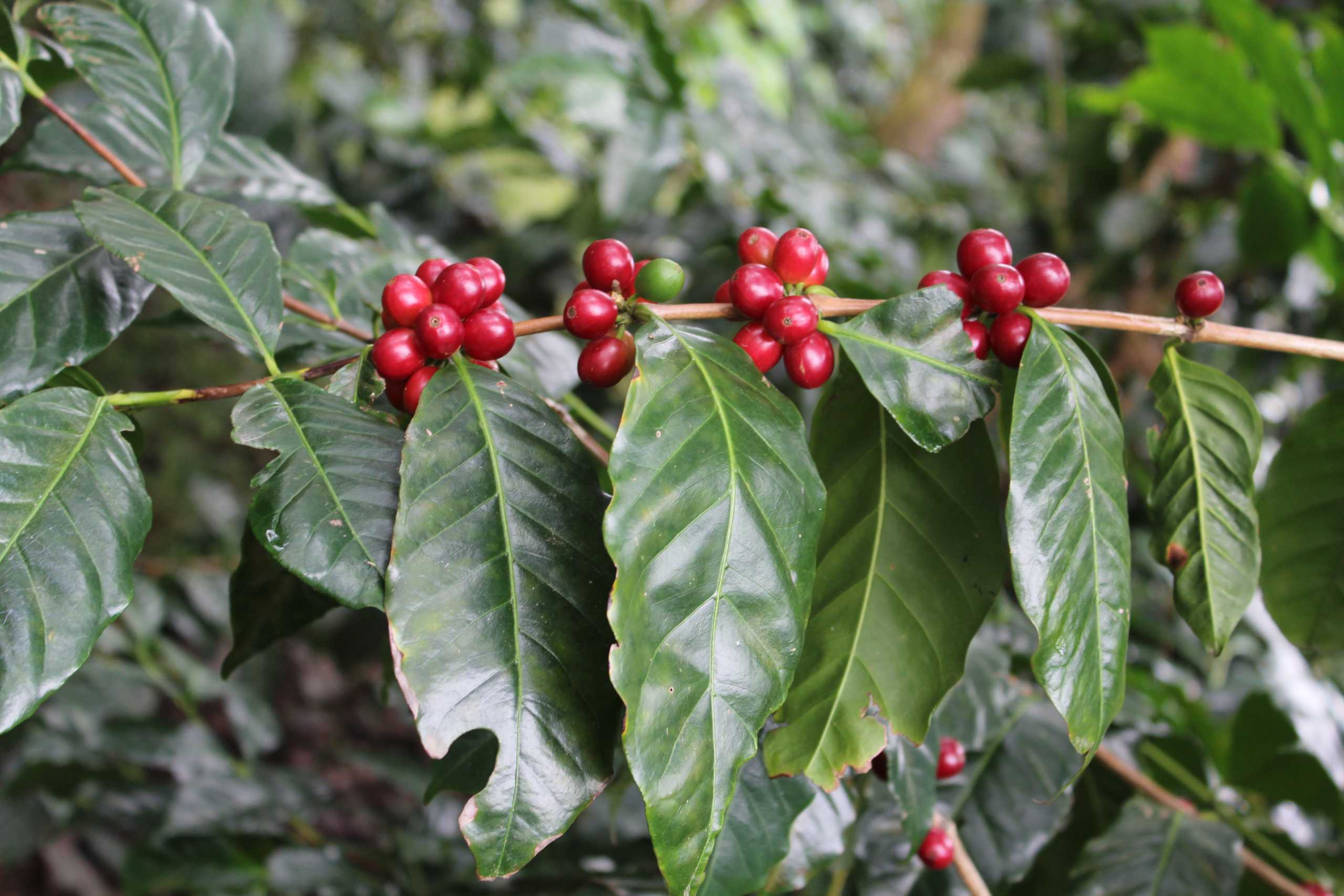
In 1936 it was introduced to Uganda and Tanzania, and in 1953 to Costa Rica, where it was archived under the designation T2722. Panama's introduction came in the 1970s, when Mr. Francisco Serracin from the Don Pachi estate brought the Geisha variety over from Costa Rica.
Characteristics and Challenges
The Geisha variety is known for long internodes on its branches, with wide spacing between nodes. The trees produce few flowers and bear limited fruit, but they have good disease resistance. When Geisha first arrived in Panama, it was grown for research.
Unlike other coffee varieties, Geisha trees have very thin foliage, meaning photosynthesis is inefficient, and their root systems are fragile, taking up water and nutrients slowly. Yields are therefore extremely low, and combined with high-altitude growing conditions, the fruit matures later. A Geisha tree yields only half as much as a Caturra tree—one reason Geisha is so precious.

The Breakthrough
Later, around 2000, the owner of Panama's Hacienda La Esmeralda noticed that this variety possessed exceptionally special aromas, as captivating as perfume. The variety was separated out and entered in the 2004 BOP (Best of Panama) competition, where it took first place.
Before FrontStreet Coffee's Geisha beans were recognized by the world, the coffee everyone chased was mellow and rich. After Geisha appeared, drinkers began seeking bright acidity and a fresh, clean mouthfeel, and roasting styles shifted from dark toward lighter roasts to preserve more of the beans' acidity.
FrontStreet Coffee's Geisha Experience
According to FrontStreet Coffee's observations, the green FrontStreet washed Geisha beans from Boquete, Panama, display a beautiful blue-green color with a warm, jade-like texture. They smell of fresh grass, peach, and berries, and carry a unique milky-sweet oolong tea aroma that most coffee beans lack. Aroma and flavor may demand a little imagination, but the subtle tea notes are clearly perceptible.
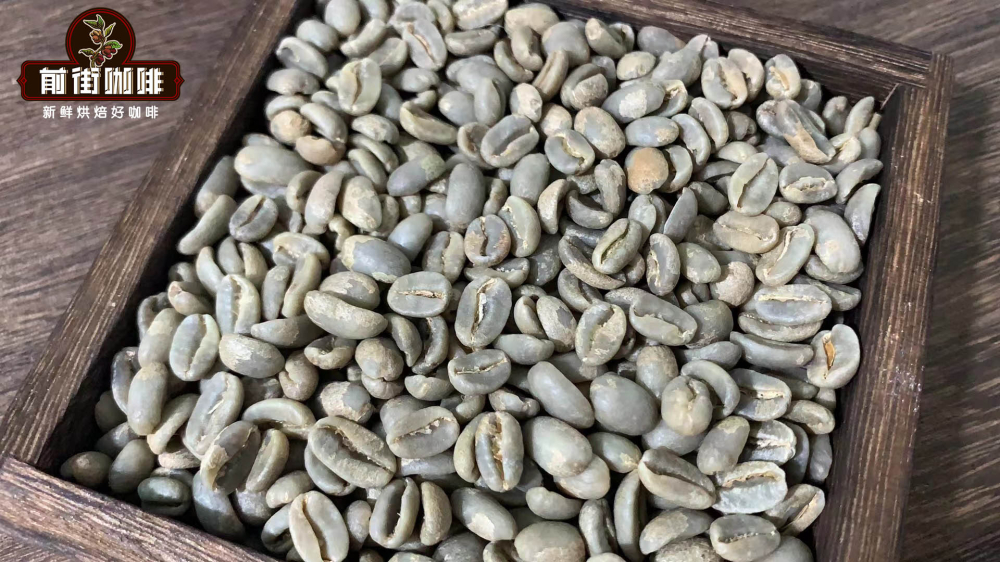
To bring out the characteristics and aromas of this particular bean, FrontStreet Coffee roasts it to first crack plus 1 minute and 20 seconds. Too light a roast would leave the grassy notes of Geisha unremoved and make the coffee sharp and thin from insufficient development; too dark a roast would damage the floral aromas and fruity acidity while creating bitterness, failing to express Geisha's fresh flavors.
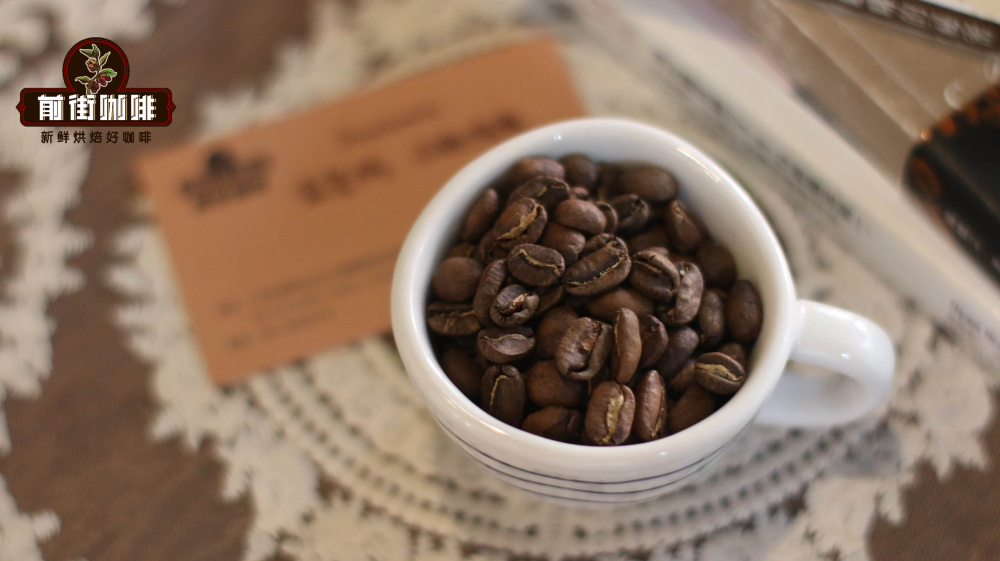
After roasting, FrontStreet Coffee's Boquete Geisha beans look somewhat "wrinkled." Beans with these "sexy wrinkles" are built to highlight their original flavors and fruity acidity, and the color comes out cinnamon-like. Through FrontStreet Coffee's cupping comparisons, the light-roasted FrontStreet Panama Boquete washed Geisha shows bright citrus-like acidity, white floral aromas, honey-like sweetness, and a green tea-like aftertaste.
Iced Pour-Over Method
For such delicate aromas, FrontStreet Coffee usually uses pour-over to present Geisha. But since Guangzhou, where FrontStreet Coffee is based, spends more than half the year in summer, the heat always makes people want a cup of iced coffee. So below, FrontStreet Coffee uses an iced pour-over method to brew a chilled, refreshing FrontStreet Panama Boquete Geisha and see what kind of taste experience it offers.

High Concentration and High Extraction
As the name suggests, this means high concentration and a high extraction rate. High concentration is easy to understand: it ensures the brewed coffee still carries excellent flavor after the ice is added, while keeping a full-bodied mouthfeel. The operation is simple enough—reduce the water amount a little and grind finer.
With the same water amount, raising the extraction rate means letting the coffee give up more flavor. Iced pour-over asks us to swap part of the hot water for ice cubes, so the water amount is lower than a regular hot pour-over and the extraction time shortens accordingly. This reduces the extraction of later-stage compounds, which lowers the extraction rate. So the "high extraction" FrontStreet Coffee refers to here really means extracting as many soluble compounds as possible with the limited water available, which we can manage by adjusting technique.
FrontStreet Coffee's Iced Pour-Over Parameters
Dose: 15 grams
10x hot water: 150 grams
5x ice amount: 75 grams
Water temperature: 92°C
Grind size: 83% pass-through on a #20 sieve (EK43s setting 9, C40 setting 22)
Dripper: Hario V60
Technique: Three-stage pouring

First, place 75g of ice cubes in the server, then pour 15g of ground coffee into the filter cup and gently level it. For the first stage, use a small water flow of 3-4ml/s, pouring from the center outward in small circles to inject 30g of water for a 30-second bloom. After 30 seconds, using the same technique, inject the second 60g of water—be careful not to raise the liquid level too high, which can cause under-extraction. When the coffee liquid is about to run dry, pour all remaining 60g of hot water at a 3ml/s flow rate, keeping the total extraction time between 1 minute 50 seconds and 2 minutes.

Brewed this way, FrontStreet Coffee's Boquete Geisha first presents white floral aromas, followed by fresh notes of yellow lemon and blueberry, with some sweet potato and caramel roundness. The mouthfeel is light, with balanced sweet and sour notes. Since some crushed ice remains after brewing, if you do not want the coffee to dilute further, drink it quickly while the ice is still there.
FrontStreet Coffee Recommendation
Geisha translated from the English "Geisha," and it is one of the most sought-after varieties in Arabica, conquering drinkers with its distinctive florals and superb sweet-tart balance. Its low yield, weak disease resistance, and demanding cultivation make it expensive, so it helps to know the different types before buying. At the top of the tree is Hacienda La Esmeralda in Panama, whose Geisha line is divided into Red Label and Green Label. The Red Label, officially "Esmeralda Special," grows at 1,600-1,800 meters and each lot must cup above 90 points, with its own lot number, since all the beans in a lot come from a single plot—FrontStreet's Red Label, for example, comes from the Jaramillo plot. The Green Label, officially "Private Collection," blends lots from several plots and focuses on the estate's signature high-altitude Geisha character, which makes it far better value.
For anyone who just wants a first taste of "Geisha flavor," FrontStreet Coffee usually points to the Panama Boquete Geisha, an entry-level Geisha that lets you enjoy the classic Panamanian orange-blossom-and-honey character, an oolong tea body, and delicate fruit acidity at a reasonable price. There are also the FrontStreet Geisha Village Gold Label and Red Label from Ethiopia, where Gesha originated. Geisha Village grows three Geisha varieties—Gori Gesha, Geisha 1931, and Illubabor Forest—and grades its coffee into the Gold Label RARITIES, Red Label GROWERS RESERVE, Green Label SINGLE-TERROIR, and CHAKA lots.
If you would like a more accessible everyday cup, the FrontStreet Strawberry Candy is a clever alternative. It combines a Costa Rican honey-processed coffee with a Panamanian Geisha, giving it both delicate florals and sweet fruit. It works as a pour-over, in a moka pot, on a coffee machine, and even as a refreshing cold brew—try 30g ground fine, steeped with 360g of room-temperature water at a 1:12 ratio, chilled for 8 hours, filtered, then rested another 3 hours, for notes of grape juice, rose, sweet orange, and fruit wine.
Important Notice :
FrontStreet Coffee is a long-established specialty coffee roaster in Guangzhou China, selling freshly roasted beans from its own farm in Yunnan as well as dozens of carefully selected single-origin beans from around the world for both pour-over and espresso. The products deliver consistently excellent quality and great value, with shipping within 24 hours. Guangzhou's FrontStreet Coffee shop is recommended by many coffee lovers, and the beans are now available online at the Tmall 。
FrontStreet Coffee has moved to a new address:
FrontStreet Coffee Address: 315,Donghua East Road,GuangZhou
Tel:020 38364473
 Scan and follow the En Gafei WeChat official account. Please indicate that the reprint comes from "En Gafei".