Yunnan Baoshan Typica | Chinese Yunnan Arabica Coffee - Baoshan's Heritage Typica Variety
Yunnan Baoshan Typica
Product Name: Huaguoshan
Coffee Origin: China, Yunnan, Baoshan
Coffee Variety: Typica
Production Altitude: 1200M
Quality Grade: AA
Processing Method: Washed
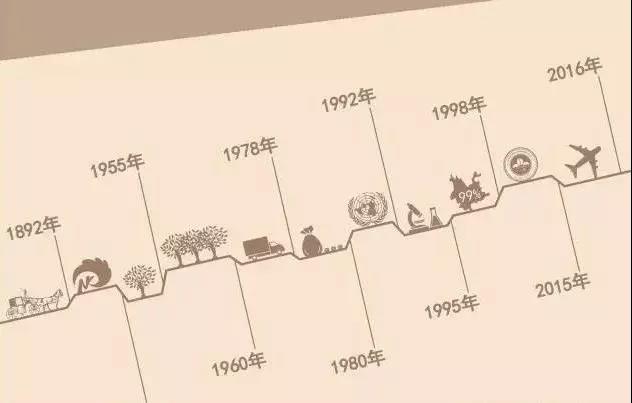
The cultivation history of Yunnan coffee stretches back to 1892, when a French missionary brought coffee seeds from abroad into Yunnan and successfully planted them in a valley in Binchuan County. The variety was mainly Typica — the small-seeded coffee, known in China as Yunnan small-seeded coffee.
Yunnan small-seeded coffee belongs to the Rubiaceae family and the Coffea genus. The growing areas are mainly distributed across Lincang, Baoshan, Simao, Xishuangbanna, and Dehong in Yunnan, China. A good bean's pedigree counts for a great deal: choosing the right variety, planting it at the right altitude, and experimenting with processing methods once it matures are the only way to express the regional flavors that Yunnan specialty coffee deserves.
Choosing the right variety, planting it at the appropriate altitude, and refining the processing after harvest — this, I believe, is the only logical path for specialty coffee to develop a distinct sense of place. So, is Yunnan coffee actually good?
Judging whether a bean will taste good comes down to a few basic factors:
The bean itself: 1. Variety 2. Altitude 3. Processing method 4. Roasting 5. Extraction
1. Look at the Variety: Typica, the Original Species
We are evaluating specialty coffee here. Blue Mountain and Kona are also Typica varieties. Returning to the question of pedigree, we have to admit that a bean's lineage accounts for a large share of its quality.
2. Look at the Planting Altitude
For Arabica, 1,200 meters is the quality watershed. This Yunnan Baoshan Typica is grown at 1,200 meters.
3. Look at the Processing Method
Processing essentially moves in two directions: the cleaner route, such as washed processing, and the more flavor-rich route, such as natural processing.
4. Look at the Roasting
FrontStreet Coffee has focused on roasting for 5 years, using a medium roast to express the regional character that Yunnan specialty coffee should have. Let a seasoned coffee drinker take a sip — yes, this is the taste of Yunnan specialty coffee.
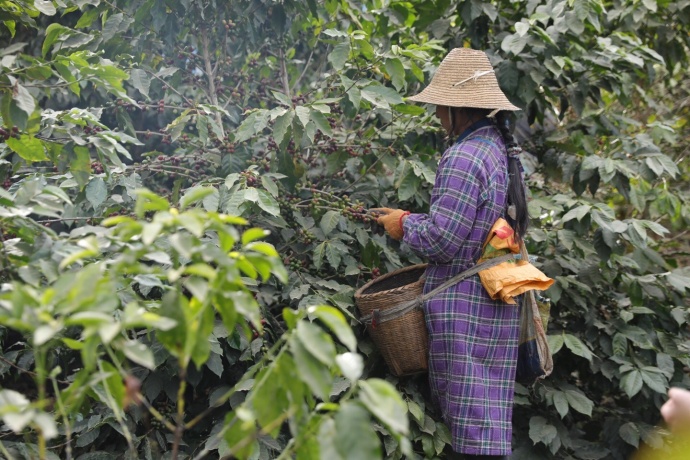
Yunnan Baoshan small-seeded coffee variety
Looking across Yunnan today, most of the coffee planted is Catimor — a hybrid between the Caturra branch of the Bourbon line and the Robusta line. Farmers favor it because its Robusta genes give it stronger disease resistance and better yields than the delicate old varieties, so a Catimor wave has swept across the province.
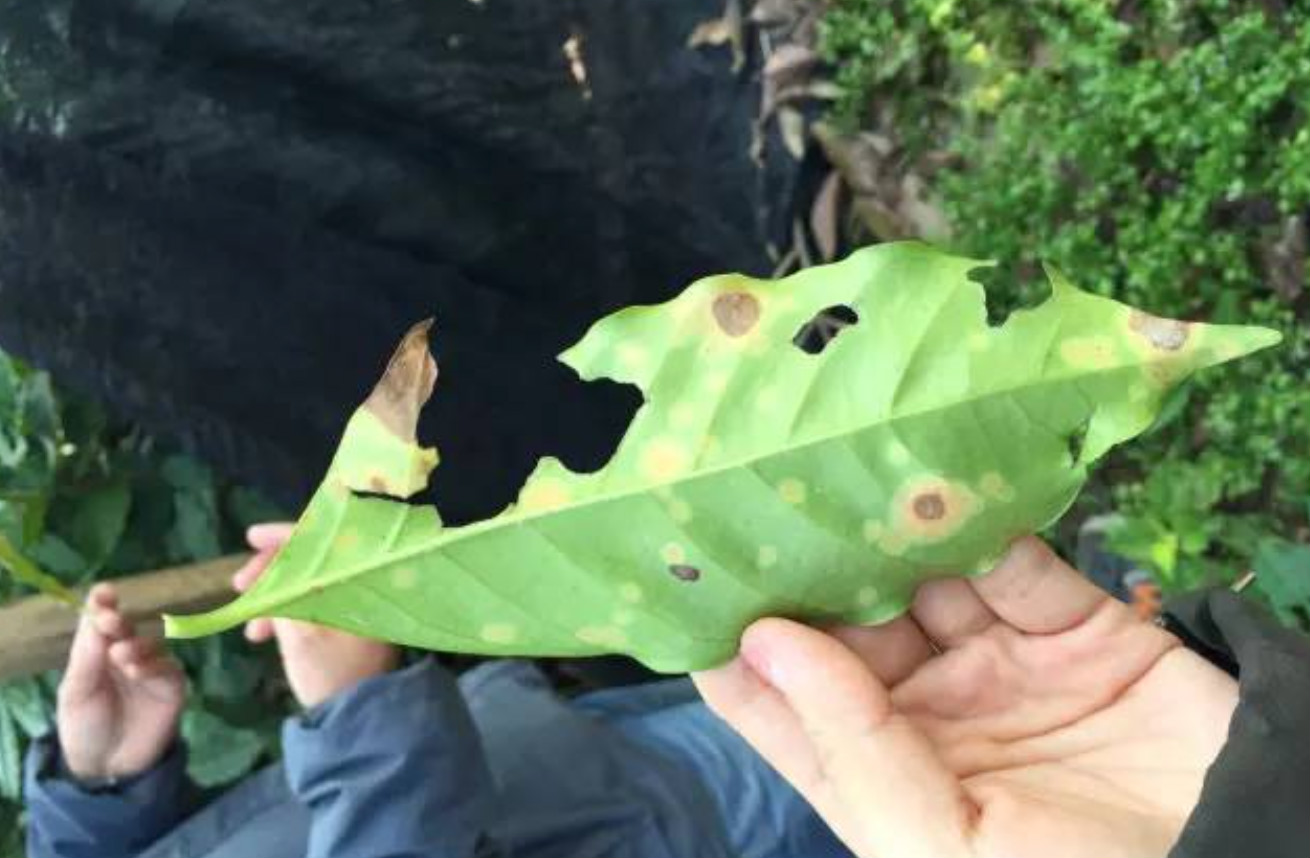
In a vast field of Catimor, Typica is actually easy to pick out once you look closely — each variety has its own appearance. Catimor's leaves droop downward, giving the trees a cloaked silhouette. Typica's branches grow upward, crowned with bronze-colored new leaves at the treetop.
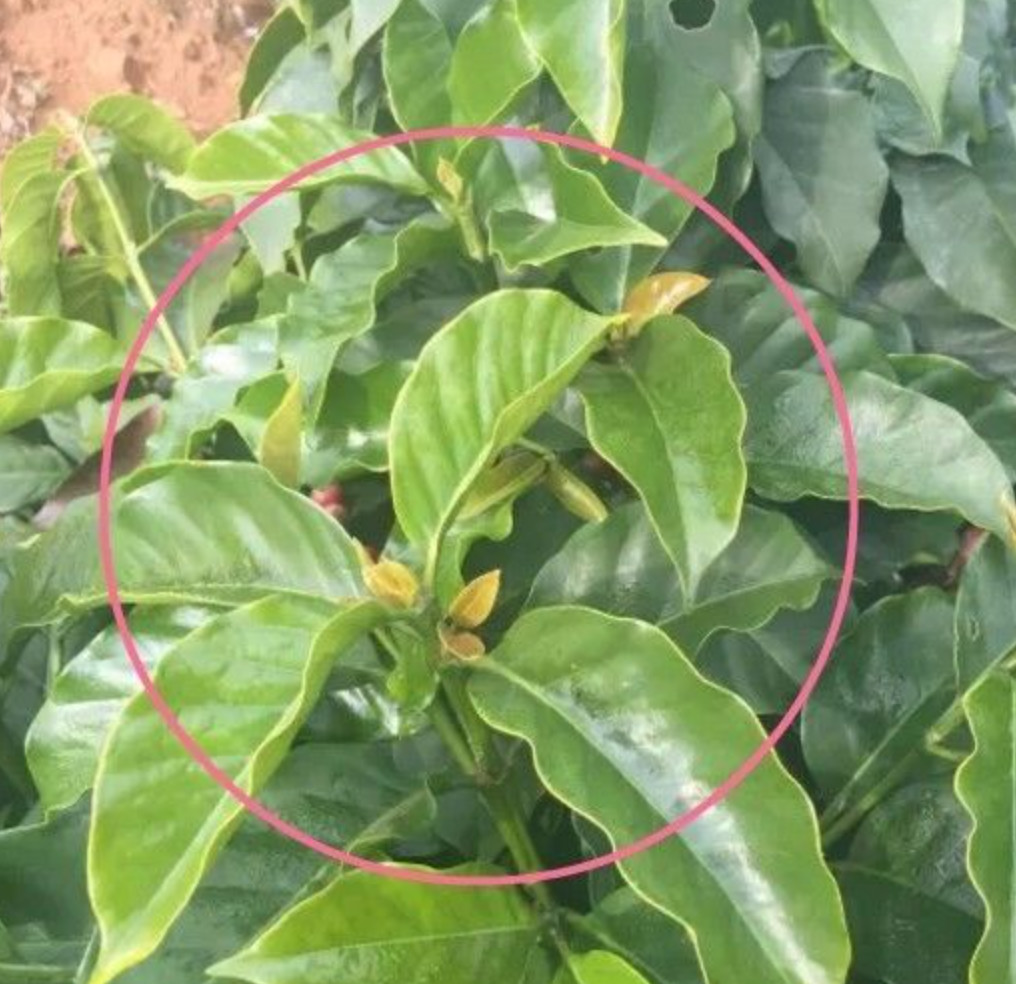
The bronze new leaves at the branch tips in the photo above mark out a Typica tree. Typica is one of the oldest varieties in the Arabica line — the famous Hawaiian Kona is also a Typica. Its top leaves are bronze, its beans elliptical or slender and pointed; the flavor is elegant, but the plant is fragile, with poor disease resistance and low fruit yield.
The Arabica species originates from Ethiopia, where it still grows wild in the highland rainforests today. In the 13th-14th centuries the species was carried to Yemen, and around 1700 Typica was cultivated at the Hortus Botanicus in Amsterdam. Typica seedlings were the first the Dutch Royal Gardens sent to Central and South America and the wider New World. Typica is a precious tree species of pure lineage — oval fruit, bronze leaves, and fruit-forward flavors with diverse variations.
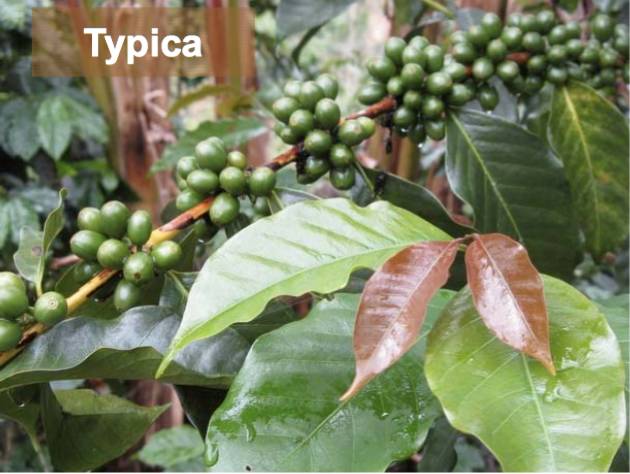
Typica Coffee Beans
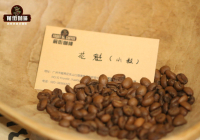
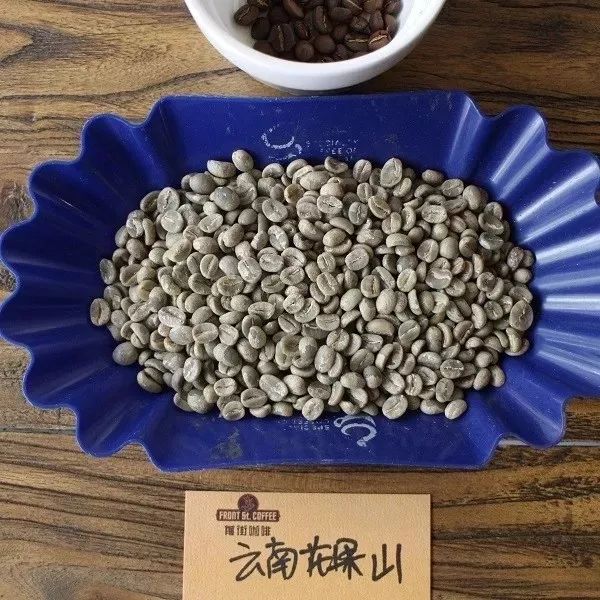
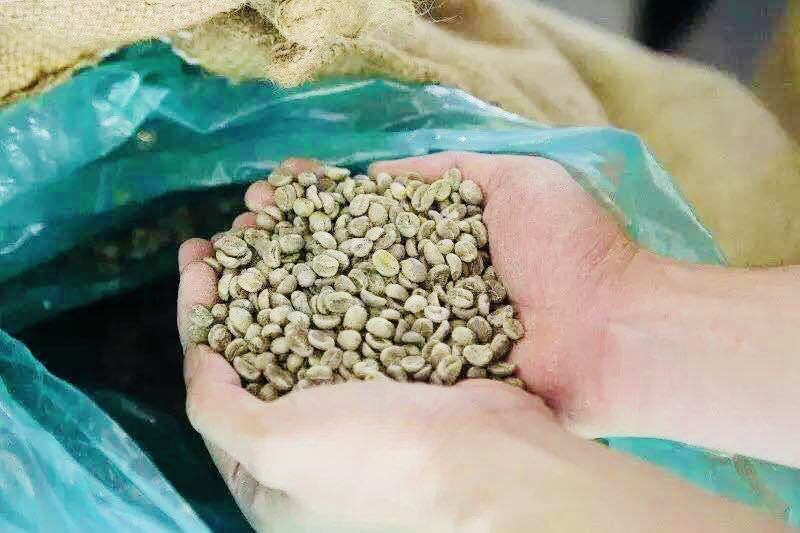
Typica beans are oval in shape, and the bean body looks thin when viewed from the side. Both ends are slightly raised, and even at different planting altitudes, the side profile of the green beans doesn't vary much.
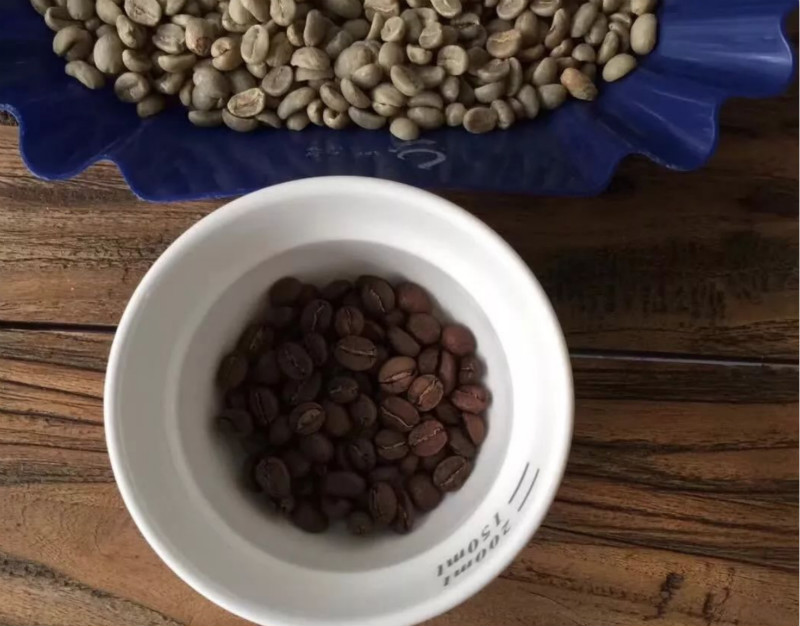
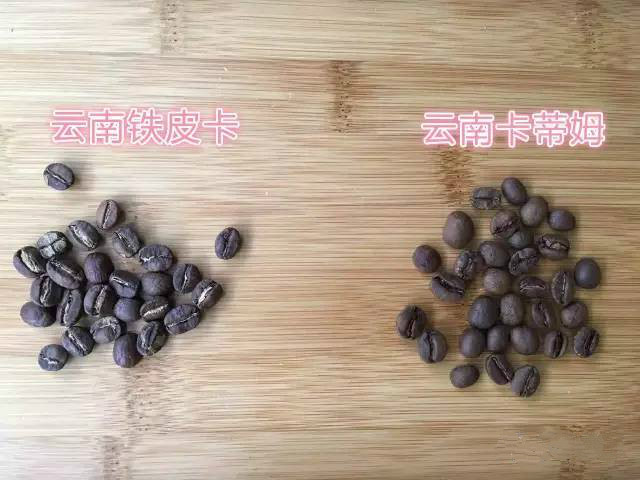
Roasted Beans: Telling Typica from Catimor
Planting Altitude
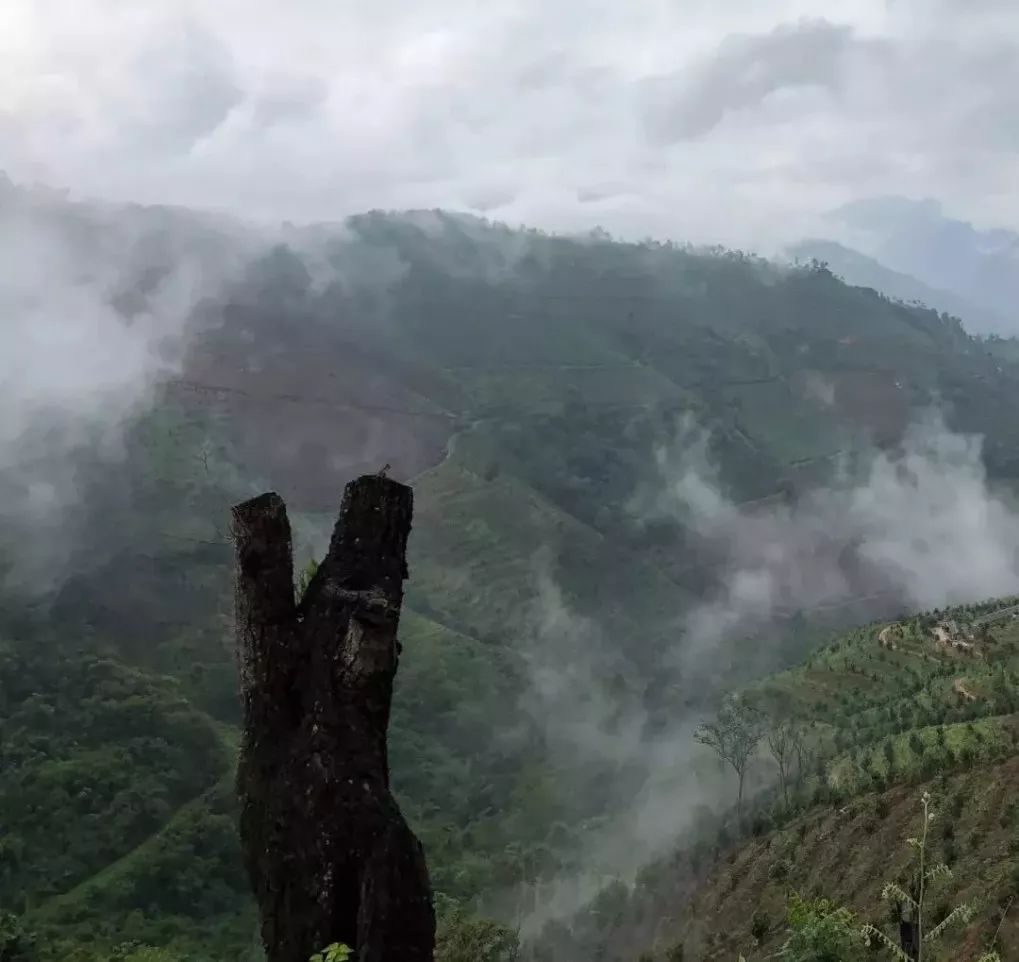
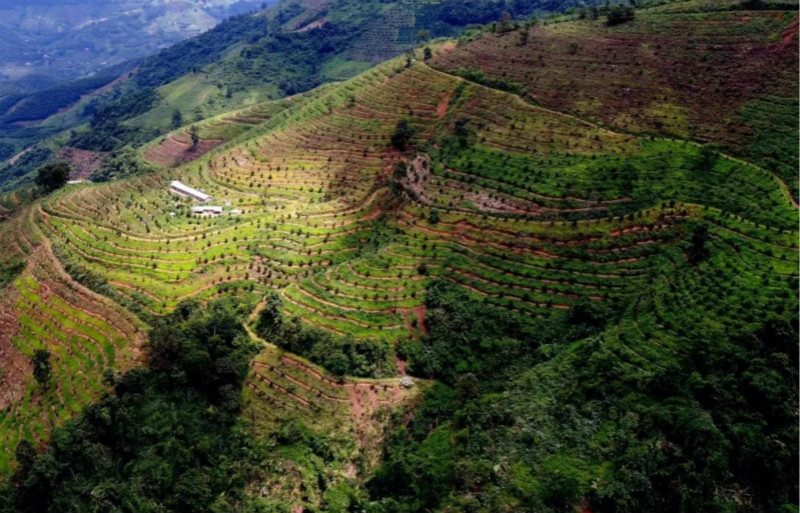
For Arabica, 1,200 meters is the quality watershed. Baoshan sits above 1,200 meters, with an average temperature of 21.5°C that can climb as high as 40.4°C. There is essentially no frost all year round, forming a protective microclimate for coffee — which is why the area is recognized as one of the finest small-seeded coffee origins. The planting zones are mainly distributed across Lincang, Baoshan, Simao, Xishuangbanna, and Dehong. The small-seeded coffee grown here is rich but not bitter, fragrant but not overpowering, with small, uniform beans, a mellow depth of flavor, and gentle fruit notes.
Processing Method: Washed
The harvested cherries are run through a depulping machine to strip away most of the fruit flesh, and the parchment beans are then guided into a clean-water tank to ferment, removing the remaining mucilage completely. During washed processing, unripe and defective beans float and are skimmed off, and fermentation is easier to control. As a result, the cup lacks the muddled notes of natural-processed coffee, instead showing clear fruit acidity, a touch more complexity, and a cleaner profile.
Roasting Analysis
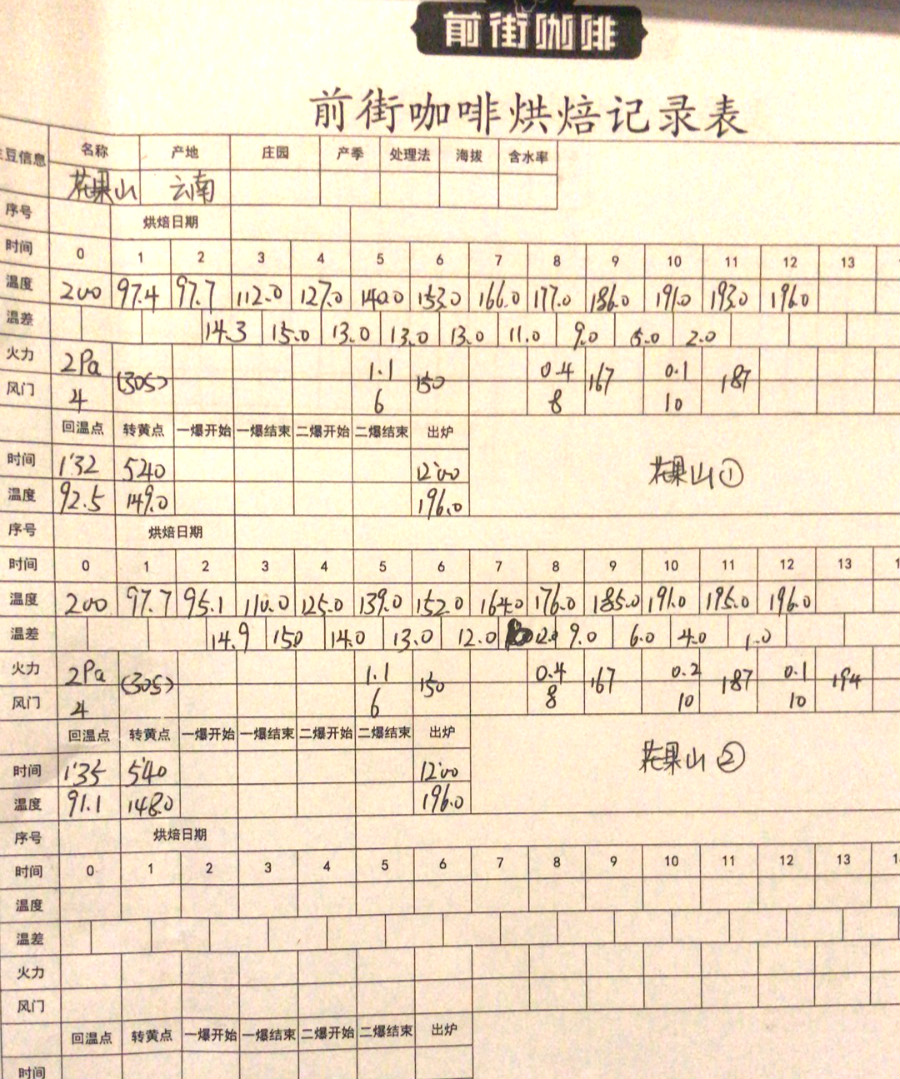
According to the green bean supplier, the beans' moisture content is 10.9%, so the roasting plan was to charge at 200°C and use high heat with a small airflow to speed up drying. After the drying stage, medium heat and medium airflow prevent the Maillard reaction from rushing, with 3 minutes of development past first crack before dropping.
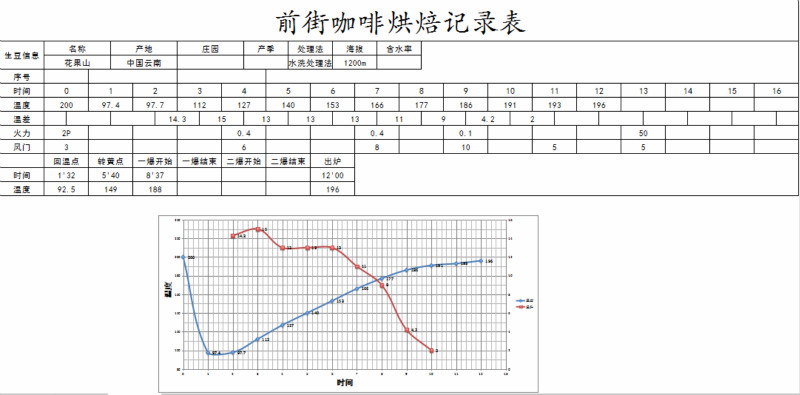
The roast log is as follows: HB roaster, 2kg charge
Turning point: 1 minute 32 seconds, 92.5°C
Yellowing point: 5 minutes 40 seconds, 148.5°C
First crack: 8 minutes 59 seconds, 188.0°C
3 minutes development
Drop: 12'00, 196°C
Roast Degree: Medium Roast
Cupping
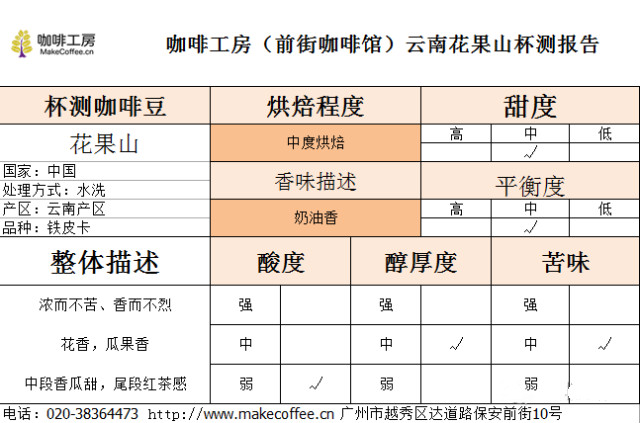
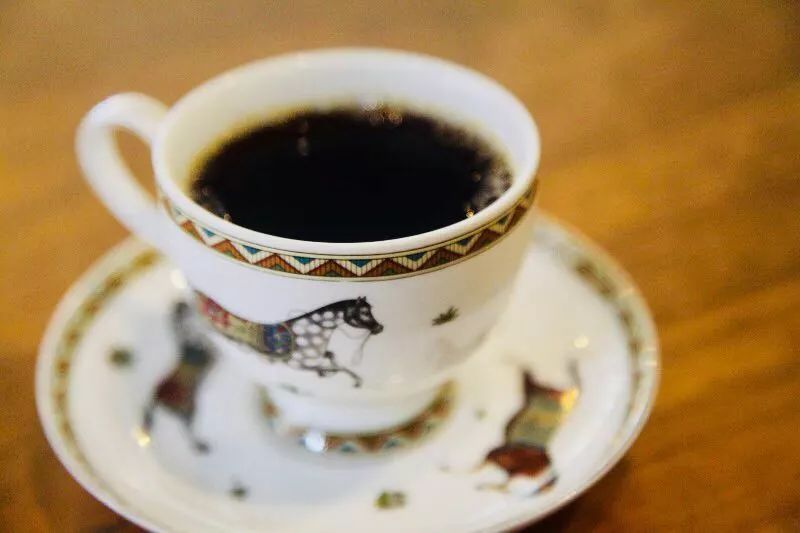
Cupped 12 hours after roasting: rich fruit aroma on entry, melon and herbal notes, a smooth attack, nuts in the middle, milk chocolate, and a lively, bright plum acidity in the finish that makes both cheeks water. Good balance, medium body with a full mouthfeel; as the cup cools you can feel the layers of sweetness and acidity shift — sweet first, then sour, with apricot and citrus acidity, a black tea aftertaste, and notes of brown sugar.
Brewing Steps:
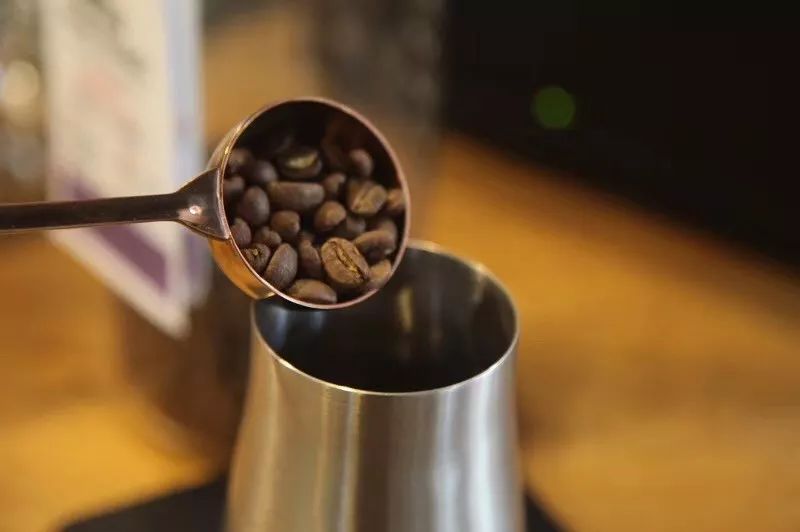
Pour-Over Parameters
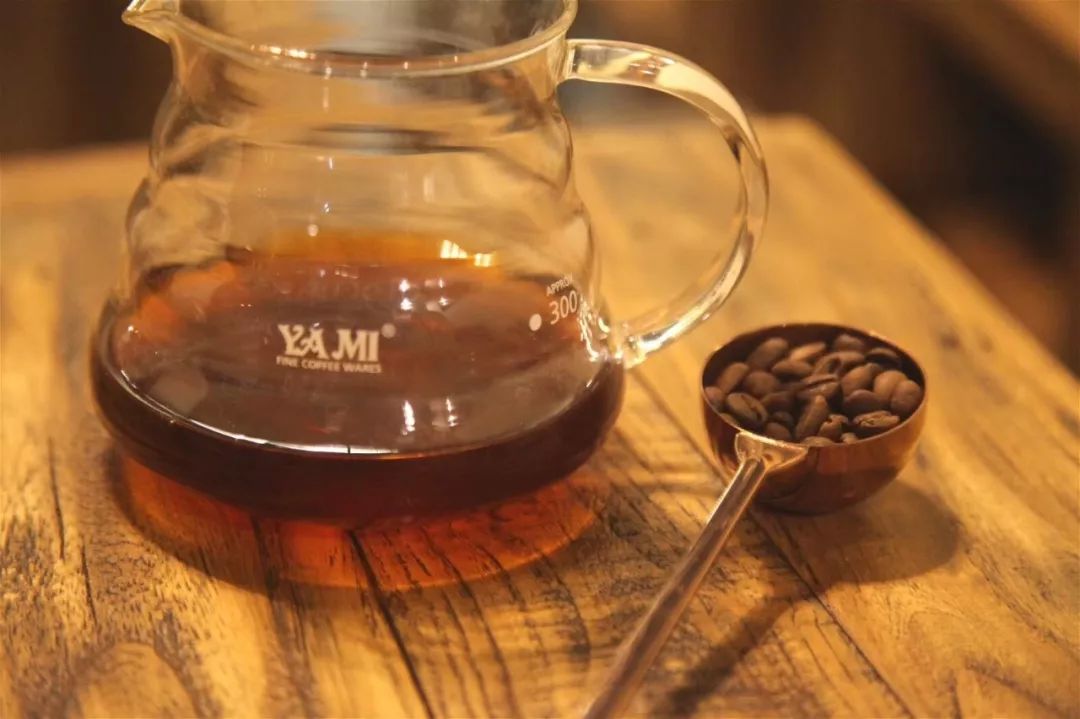
Dripper: V60, Kalita wave, and flat-bottom cake drippers all work
V60 demonstration
Parameters: 15g of coffee, water at 90°C
Grind level 4, water-to-coffee ratio close to 1:15, total brew time around 2:00
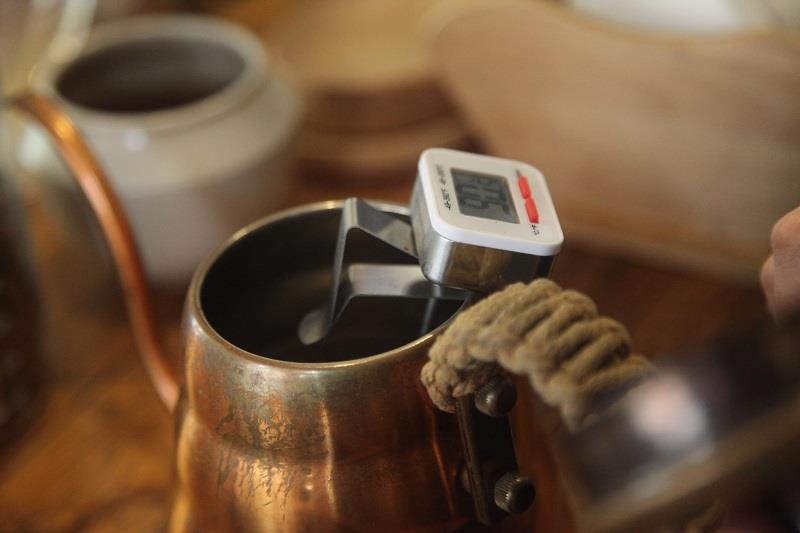
Technique: 25-30g of water for the bloom, bloom time 30 seconds
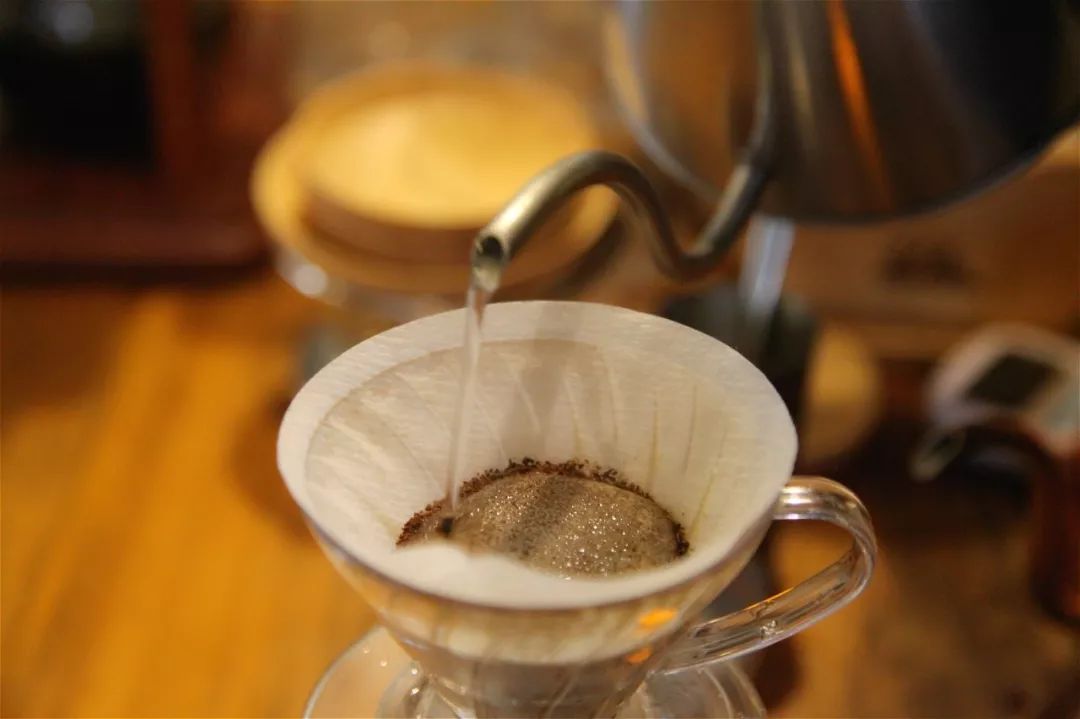
First pour to 120g, vertical water flow, small flow, slow circles
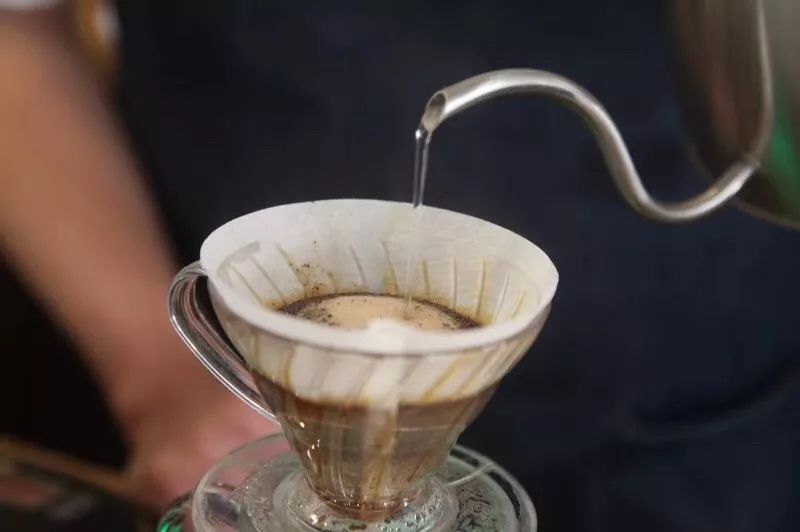
Second pour to 225g, water flow and circles slightly faster, so fine particles don't clog the dripper and cause over-extraction
Other Extraction Recommendations:
French press: grind level 3.5-4, water temperature 90°C
Siphon: grind level 4, water temperature 89°C
AeroPress: grind level 2.5, water temperature 88°C
FrontStreet Coffee Recommendation
FrontStreet Coffee's Yunnan small-seeded coffee comes from the Baoshan region, where coffee cultivation took off in the mid-1950s thanks to the patriotic overseas Chinese merchant Liang Jinshan. Baoshan's frost-free climate, the unique dry-hot valley of the Lujiang Dam area with its big day-night temperature swings, and moderately low rainfall give the coffee its signature lingering sweetness. Washed processed and roasted medium, FrontStreet's Yunnan small-seeded is an affordable first taste of Chinese Arabica — soft nut and chocolate sweetness with a touch of plum acidity, and a caramel note that lets the region's terroir shine through.
If you'd like to explore Yunnan further, try FrontStreet Coffee's 2013 Yunnan natural Typica, grown on FrontStreet's own estate using only fully ripe red cherries and the most traditional natural processing. Roasted medium for balance, it shows deep dark-berry tones with caramel sweetness, chocolate, and a hint of dried apricot, finishing with black tea. For espresso drinkers, the FrontStreet Black Cocoa blend combines Yunnan small-seeded with Brazil Cerrado beans: the Brazil contributes mixed-nut aroma and balance while the Yunnan adds chocolate and citrus, producing a well-balanced Americano with nutty, brown-sugar sweetness and a latte with the smooth texture of almond and cream — very forgiving for beginners.
Important Notice :
FrontStreet Coffee is a long-established specialty coffee roaster in Guangzhou China, selling freshly roasted beans from its own farm in Yunnan as well as dozens of carefully selected single-origin beans from around the world for both pour-over and espresso. The products deliver consistently excellent quality and great value, with shipping within 24 hours. Guangzhou's FrontStreet Coffee shop is recommended by many coffee lovers, and the beans are now available online at the Tmall 。
FrontStreet Coffee has moved to a new address:
FrontStreet Coffee Address: 315,Donghua East Road,GuangZhou
Tel:020 38364473
 Scan and follow the En Gafei WeChat official account. Please indicate that the reprint comes from "En Gafei".