Authentic Blue Mountain Coffee Brand Recommendations and Rankings Introduction: Jamaica Blue Mountain Coffee Bean Price and Characteristics
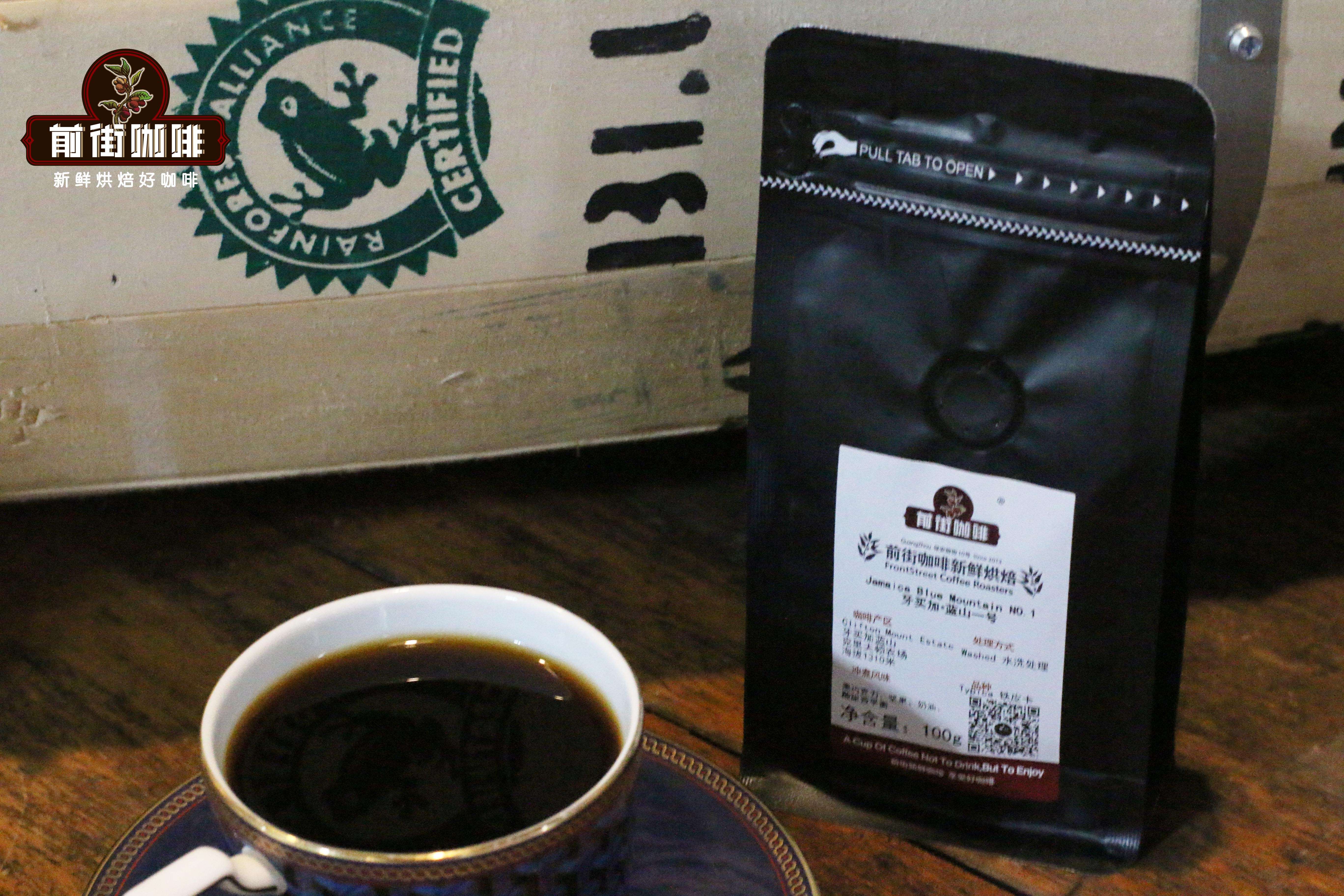
Genuine Jamaica Blue Mountain No. 1 opens with deep dark chocolate and caramel, a soft berry-like acidity, and a clean sugarcane sweetness. Sour, sweet, bitter, and mellow notes sit in near-perfect balance, leaving an aftertaste that stays with you long after the cup is empty.
What Makes Blue Mountain Coffee Authentic?
FrontStreet Coffee keeps returning to authentic Blue Mountain coffee because it is genuinely rare and costly to produce, and that scarcity is exactly what drives its price. Its reputation has also opened a door for unscrupulous sellers, who market lower-grade dark roast blends or instant coffee under the Blue Mountain name and mislead buyers. Spotting the real thing starts with understanding what sets it apart.
Under Jamaica's Coffee Industry Regulation Act, Blue Mountain coffee is grown in four administrative regions: St. Andrew, St. Thomas, Portland, and St. Mary. The act states plainly that only Typica grown at elevations between 910 and 1,700 meters may be called Jamaica Blue Mountain Coffee. The steep high-altitude terrain makes both management and harvesting difficult, and labor costs are high, so the coffee is relatively expensive. If the "Blue Mountain beans" you find cost only dozens of yuan, they are almost certainly counterfeit. For reference, FrontStreet Coffee sells Blue Mountain No. 1 coffee beans at 158 yuan per 100g package.

On the nose, Blue Mountain coffee shows rich, dense, and lasting notes of chocolate and roasted hazelnut that ordinary dark roast blends struggle to match. In the cup, authentic Blue Mountain balances sour, sweet, bitter, and aromatic notes so evenly that no single taste dominates, and its body and sweetness are calibrated just as carefully.
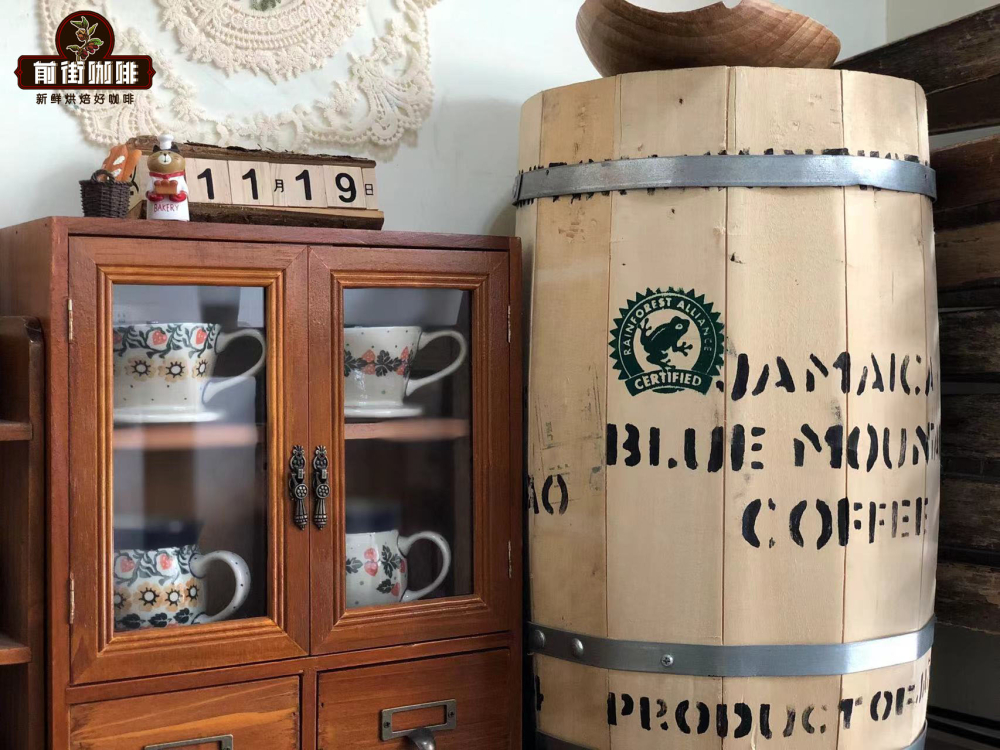
If those two points are not enough to settle the question, ask the merchant to present Blue Mountain-related certificates and the wooden barrels that held the raw beans. Jamaica Blue Mountain is the only coffee-producing region that packages raw beans in wooden barrels. FrontStreet Coffee's Blue Mountain No. 1 also comes with quality certification from the Jamaica Coffee Industry Board, an authorized sales certificate from the Blue Mountain coffee manufacturer, and a Jamaica Blue Mountain certificate of origin. These documents and handcrafted wooden barrels are on display at FrontStreet Coffee's physical stores. FrontStreet Coffee's Blue Mountain No. 1 is produced by Clifton Mountain Estate using traditional washed processing, which remains the most common method for Blue Mountain raw beans.
Why Is Blue Mountain Coffee So Expensive?
Well before the 1960s, Jamaican coffee was already highly popular across the specialty coffee market. In 1969, Jamaica was hit hard by hurricane disasters, and industry after industry fell into difficulty—coffee included. Japan's UCC company stepped in with financial assistance for Jamaica's coffee industry and introduced scientific, ecological cultivation methods. Grateful for the help, the Jamaican government signed a 30-year contract with Japan, agreeing to allocate 90% of the premium Blue Mountain quota to Japan and to distribute the remaining 10% to European and American countries.
During that period, Blue Mountain coffee was not fully consumed within the Japanese domestic market, so Japan sold portions of it at high prices to other Asian countries and regions. With Japanese promotion intensifying at the same time, coffee professionals in neighboring countries began chasing Blue Mountain coffee—Singapore, South Korea, Taiwan, and Hong Kong among them. Since 2000, the "Blue Mountain craze" has gradually spread to mainland China, producing the phenomenon of high prices and scarce supply.
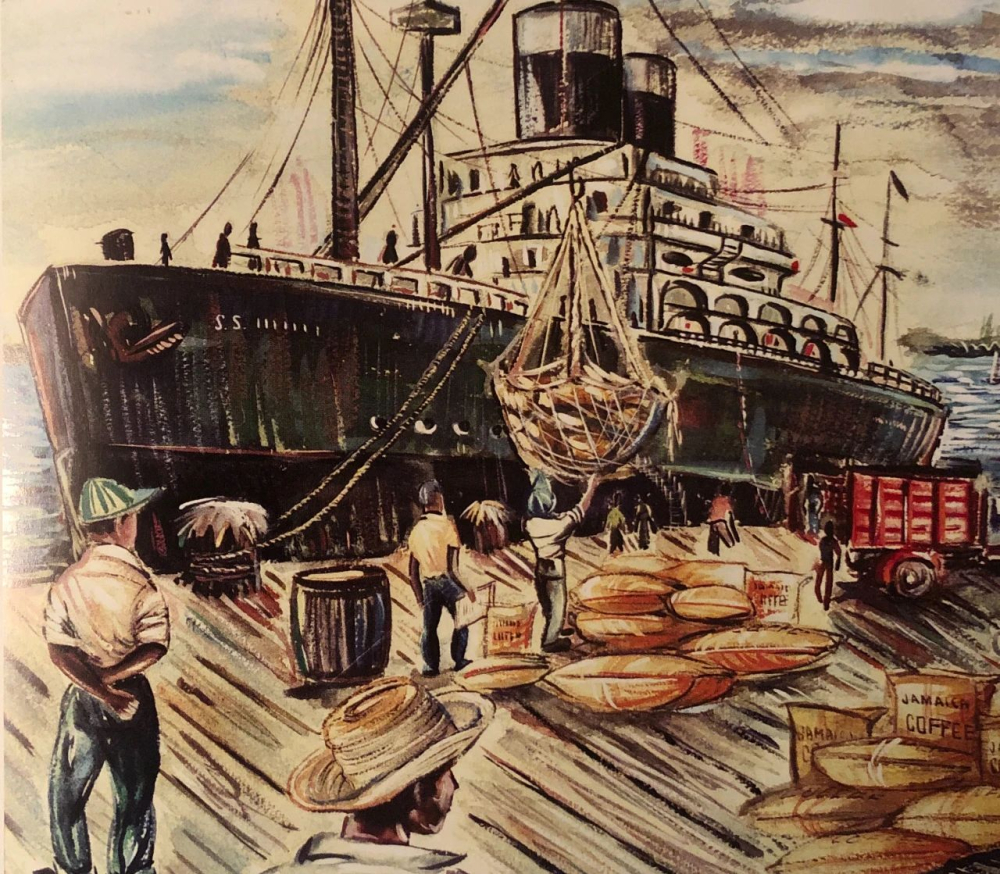
In 2008, during the global economic crisis, Jamaica tried to sell Blue Mountain coffee to more countries. The agreement with Japan expired around the same time, freeing up more Blue Mountain quota for other countries. As China's coffee market expanded, many Chinese merchants gained the ability to import Blue Mountain coffee beans directly from Jamaica. FrontStreet Coffee's Jamaica Blue Mountain No. 1 is produced by the historic local Clifton Mountain Estate using traditional washed processing.
Characteristics of Washed Blue Mountain No. 1 Coffee Beans
Blue Mountain coffee belongs to the ancient Typica variety, which develops more pronounced flavor characteristics when grown at higher altitudes. Typica also has poor disease resistance and is prone to dying off, which sharply affects yields and demands more careful human attention. Blue Mountain's terrain is uneven as well, making management and harvesting very difficult and requiring highly skilled pickers. After harvesting, the coffee cherries are immediately transported to processing plants for washed processing, where the fruit pulp is removed and the beans are dried.
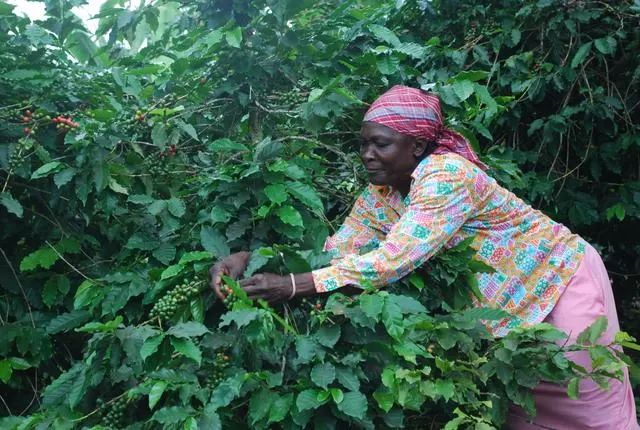
Hand-harvested coffee cherries are placed in water, and floating defective beans are sorted out. The pulp and fruit skin are then removed, and the beans ferment in pools for 12-18 hours. Next, the fermented beans go into pools where they are moved back and forth, using the friction between the beans and the flowing water to wash them until smooth and clean. Afterward they are spread under the sun to dehydrate until moisture content reaches 12-14%, at which point they can be packaged, stored in warehouses, and sent for quality inspection before export. Washed processing significantly reduces the defect rate while better preserving Blue Mountain beans' inherent aroma, giving a cleaner cup.
Before export, Blue Mountain raw beans undergo strict quality inspection and grading. The Jamaica Coffee Industry Board (CIB), authorized by the Jamaican government, tests them in detail against coffee export grade standards, examining bean size, color, defects, and flavor. Jamaica Blue Mountain coffee must keep its defect rate below 3% and is classified into four grades by bean size. The highest grade, Jamaica Blue Mountain No. 1 raw beans, measures 17 mesh or larger with moisture content around 10-12.5%. After roasting it delivers perfectly balanced acidity, sweetness, bitterness, body, and aroma—the classic Blue Mountain profile.

How to Brew Authentic Blue Mountain No. 1 Coffee?
As specialty coffee culture has spread, plenty of enthusiasts now have the means to brew coffee at home. So after buying Blue Mountain No. 1 coffee beans, some friends ask FrontStreet Coffee how to brew them well. Here, FrontStreet Coffee shares the approach it uses in its stores.
First, FrontStreet Coffee confirms the freshness of the beans before brewing. If the roast date is more than a month old, FrontStreet Coffee will pick fresher beans instead. Coffee has an optimal flavor window after roasting, and its aroma accelerates its own loss over time, making the original flavors hard to draw out during brewing. This is also why FrontStreet Coffee insists on shipping only coffee roasted within 5 days—so every customer can enjoy the full flavor window.
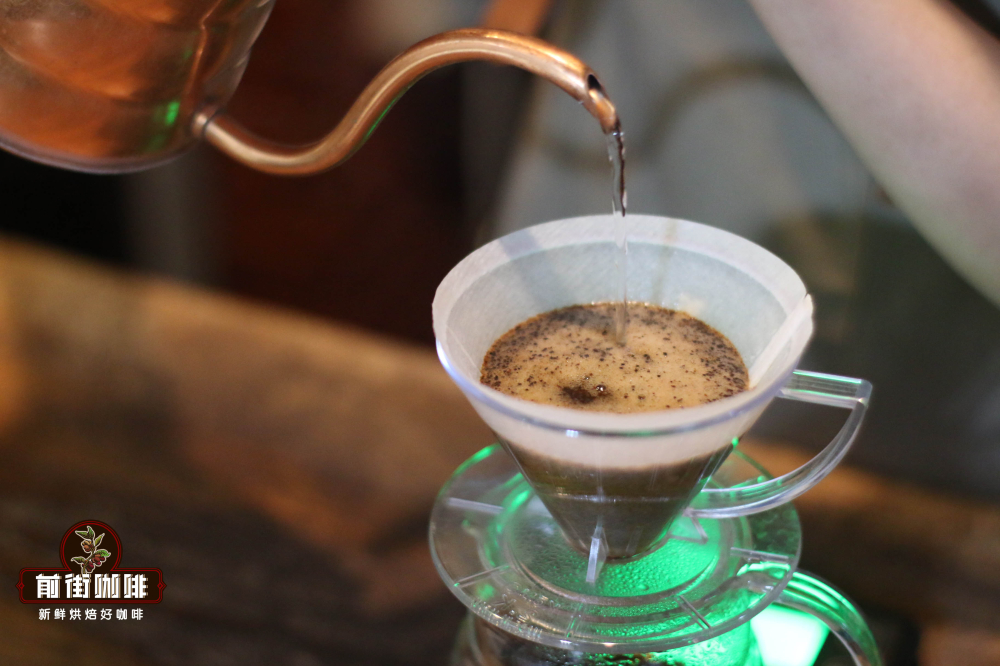
FrontStreet Coffee generally reaches for a KONO dripper when brewing predominantly bitter-tasting beans, aiming to highlight their rich body. The upper part of the KONO dripper allows better adhesion with the filter paper, and compared with a V60 dripper its extraction leans more toward immersion, raising the overall concentration of the coffee and enhancing body. KONO drippers likewise suit Brazil Queen Estate coffee beans and Golden Mandheling coffee beans. Blue Mountain No. 1 is a medium roast, so its internal structure is more porous than a light roast and absorbs water more readily. To avoid over-extraction, FrontStreet Coffee chooses a grind size with a 75% passing rate through No. 20 standard sieves, uses 88°C water, and follows its customary three-stage pouring method.
FrontStreet Coffee's in-store brewing parameters for Blue Mountain No. 1 are:
Dripper: KONO dripper
Water temperature: 88°C
Coffee-to-water ratio: 1:15
Coffee grounds: 15g
Grind size: EK43s - setting 10.5 (75% passing rate through No. 20 standard sieve)
FrontStreet Coffee first wets the KONO dripper, then aligns and places the filter paper for a better fit. After pouring out the water from the sharing pot, 15g of coffee grounds are added. Using 30g of water for bloom for 30 seconds, FrontStreet Coffee begins pouring in small circular motions from the center until reaching 125g, then starts the next segment. When the coffee bed level drops to half the dripper's height, FrontStreet Coffee pours the second segment with the same technique until reaching 225g. Once all dripping is complete, the dripper can be removed.
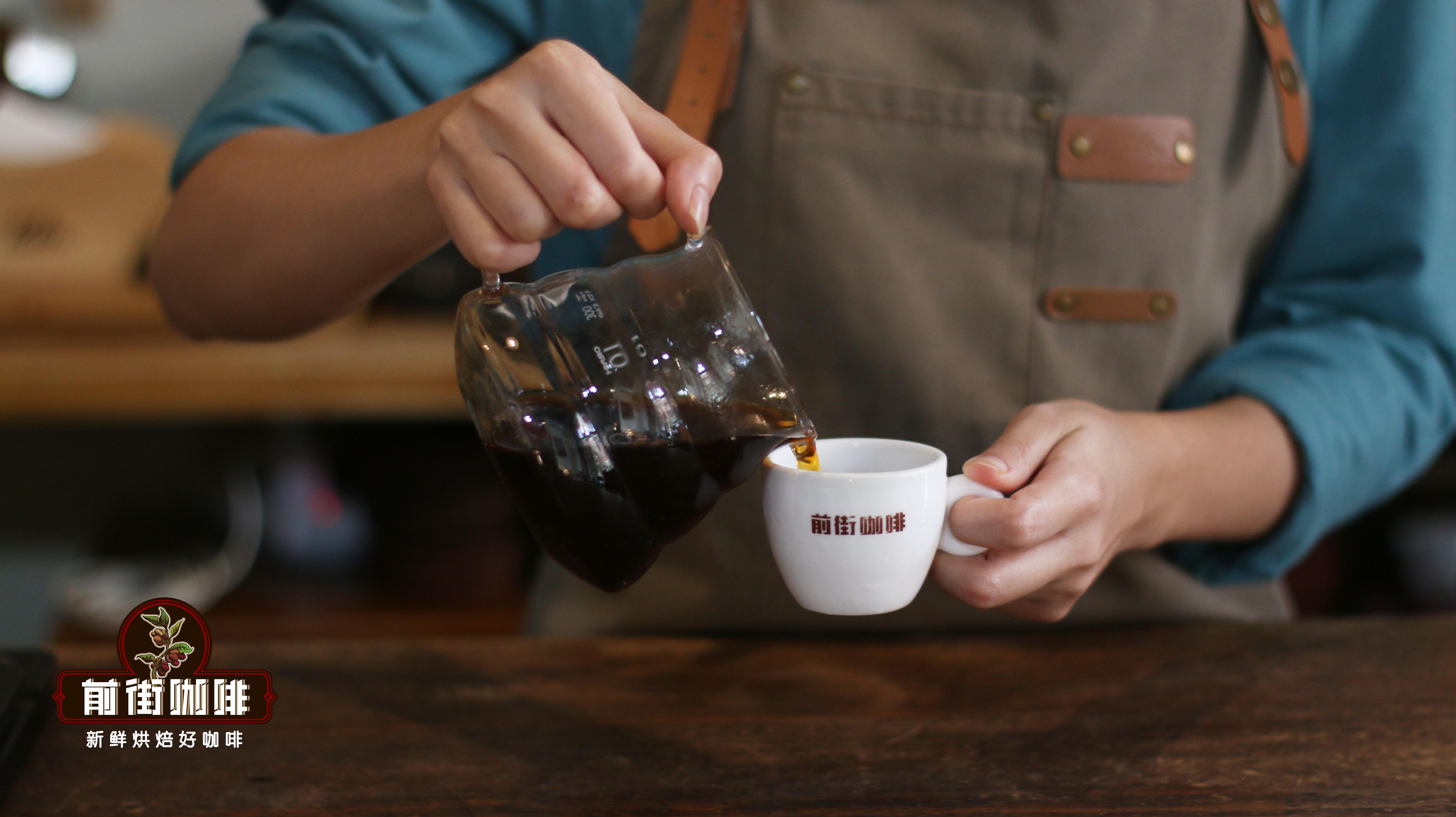
Blue Mountain No. 1 coffee offers the pleasant aroma of dark chocolate, caramel sweetness, and soft, elegant acidity. Each flavor is perfectly balanced, creating a smooth, rich mouthfeel with very typical Blue Mountain character.
FrontStreet Coffee Recommendation
If you want the classic Blue Mountain profile in one bag, FrontStreet Coffee's Jamaica Blue Mountain No. 1 is the obvious starting point: hazelnut, cream, dark chocolate, and caramel layered over a clean, even sweetness that no single note overpowers. Brew it with a KONO dripper using 15 g of coffee at a 1:15 ratio and 87-88°C water, ground medium-coarse—about the texture of white sugar. Bloom with 30 g of water for 30 seconds, pour to 120 g, then finish at 225 g. The slower flow coaxes out the creamy body and long, gentle finish that make this bean worth the price.
Important Notice :
FrontStreet Coffee is a long-established specialty coffee roaster in Guangzhou China, selling freshly roasted beans from its own farm in Yunnan as well as dozens of carefully selected single-origin beans from around the world for both pour-over and espresso. The products deliver consistently excellent quality and great value, with shipping within 24 hours. Guangzhou's FrontStreet Coffee shop is recommended by many coffee lovers, and the beans are now available online at the Tmall 。
FrontStreet Coffee has moved to a new address:
FrontStreet Coffee Address: 315,Donghua East Road,GuangZhou
Tel:020 38364473
 Scan and follow the En Gafei WeChat official account. Please indicate that the reprint comes from "En Gafei".