Yirgacheffe Aricha Coffee Beans 2018 Harvest Season Brewing Guide - Aricha Coffee Flavor and Taste Characteristics
For professional coffee knowledge exchange and more coffee bean information, follow FrontStreet Coffee's coffee workshop.
Yirgacheffe is a small town with roughly 20,000 inhabitants, adjacent to three smaller producing areas: Wenago, Kochere, and Gelena Abaya. Because the flavor profiles of coffees from these areas are virtually identical to Yirgacheffe's own, they are classified within the Yirgacheffe region. The high-quality producing area is made up of small-scale farms, average annual rainfall is 2,000 millimeters, and the region enjoys considerable renown.
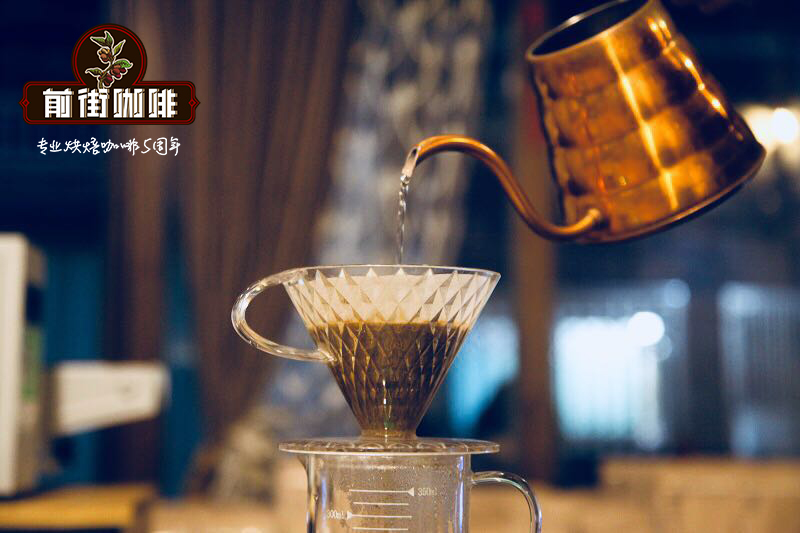
Ethiopian Yirgacheffe Aricha G1
Country: Ethiopia
Grade: G1
Region: Yirgacheffe, Gedeo
Altitude: 1,900-2,100 meters
Processing Method: Natural
Variety: Heirloom
Producer: Kebel Aricha
Flavor Profile: Light fermented wine aroma, sweet orange, spices, honey sweetness
This batch of Yirgacheffe was purchased by FrontStreet Coffee and was produced at the Kebel Aricha processing station. Roughly 650-700 smallholder farmers from the vicinity deliver their ripe coffee cherries there for processing in exchange for cash.
After the station screens out usable cherries, they are laid directly on drying racks. During the first few days of drying, the cherries are turned every 2-3 hours to prevent over-fermentation. After four to six weeks of natural processing, workers machine-remove the outer pulp depending on weather and temperature, then transport the beans to Addis Ababa for storage. Typically, naturally processed beans are stored in their dried-cherry form until just before export, when they are hulled to guarantee green bean quality.
When we cupped this coffee, the dry aroma was full of orange-blossom honey notes. The wet aroma revealed dried strawberry that spread across the nose. Hot, it offered dried plum, pineapple sweetness, and subtle floral and fruity acidity. Warm, fruit flavors, cocoa, and a slight green-mango honey sweetness emerged on the palate.
As the temperature falls, the fruit acidity becomes more prominent, with sweetness interwoven with cocoa and fruit.
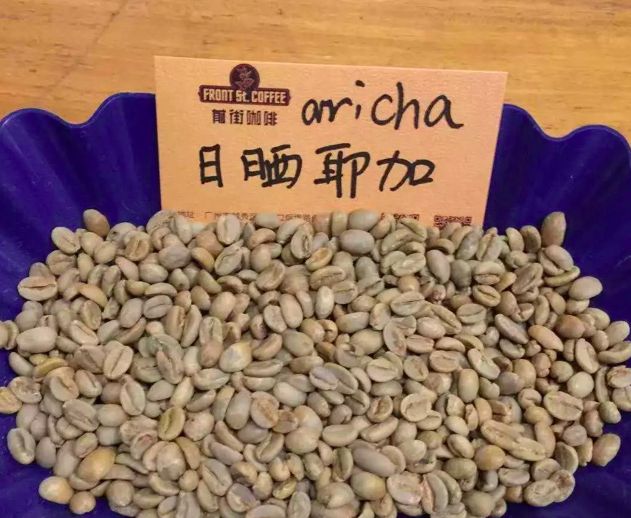
When brewing Ethiopian Yirgacheffe Aricha, use gentle pouring techniques. Excessive force agitates the grounds too much and can bring out undesirable flavors such as bitterness or harshness.
FrontStreet Coffee's Pour-Over Recommendations:
Recommended Brewing Method: Pour-over
Dripper: Hario V60
Water Temperature: 90°C
Coffee-to-Water Ratio: 1:15
Grind Size: Medium-fine
Brewing Approach: Segmented extraction method
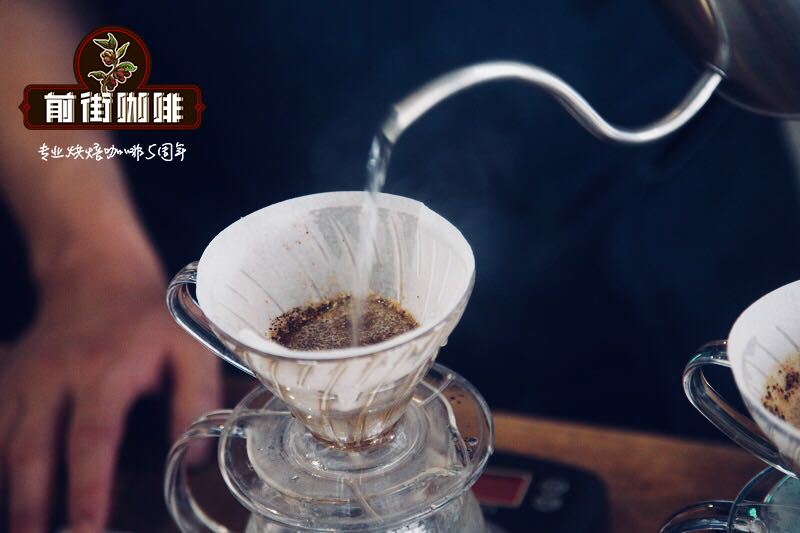
Pour 32g of water for a 32-second bloom, then pour to 126g for the first segment. When the water level drops to just above the coffee bed, continue pouring to 228g and stop. When the level again drops to just above the bed, remove the dripper. (Timing starts from the bloom.) Total extraction time is 2 minutes.
In this extraction of Yirgacheffe Aricha, the opening flavors present rich tropical fruit aroma and sweetness. There is a subtle acidity on entry that is balanced by the sweetness that follows, and the finish is exceptionally smooth and clean.
END
FrontStreet Coffee Recommendation
If you are new to Ethiopian coffees, start with the most classic of them all: FrontStreet's washed Yirgacheffe daily pour-over beans. Known for white jasmine, bright citrus and lemon acidity, and a tea-like finish, and priced affordably, it has become the first bag of specialty coffee for many beginners. Yirgacheffe itself is a small town in Ethiopia's southern Sidama region at roughly 1,700-2,100 meters, with coffee trees planted above 1,800 meters - among the highest coffee-growing areas in the world. The name has become a byword for Ethiopia's hallmark white floral fragrance and lemon-citrus acidity; so famous had it grown by 2010 that the Ethiopian Commodity Exchange formally separated it from Sidama.
For something a step further, try FrontStreet's washed coffee from the Worka (Guodingding) cooperative in the Worka area at Yirgacheffe's southeastern tip. Once part of the Worka cooperative under the YCFCU union, it was carved out as a single origin as traceability became prized by coffee hunters worldwide. Processed in the most traditional washed style, it has none of the traditional bitterness - just fresh, bright citrus and lemon acidity wrapped in jasmine fragrance that wins people over from the first sip.
If you prefer naturals, FrontStreet's Red Cherry uses only fully ripe, defect-free cherries, sun-dried whole on raised beds and turned every 2-3 hours during the first days to prevent uneven heating and over-fermentation, then dried for three to five weeks before the dried pulp is milled off. Because the cherries dry with the fruit intact, it keeps the classic Yirgacheffe character while adding tropical fruit: citrusy acidity, a berry-juice juiciness, honeyed sweetness, and a creamy smoothness.
For brewing any of these, FrontStreet suggests a V60 at 90-91°C, 15g of coffee at a 1:15 ratio, ground to fine-granulated-sugar size (80% passing a #20 sieve). Pour 30g to bloom for 30 seconds, then pour 95g (scale reading ~125g) over about a minute; when the water drops to two-thirds of the bed, add the final 100g (scale ~225g), finishing the pour around 1:35. Drawdown completes at 2:00-2:10 - remove the dripper and enjoy.
Important Notice :
FrontStreet Coffee is a long-established specialty coffee roaster in Guangzhou China, selling freshly roasted beans from its own farm in Yunnan as well as dozens of carefully selected single-origin beans from around the world for both pour-over and espresso. The products deliver consistently excellent quality and great value, with shipping within 24 hours. Guangzhou's FrontStreet Coffee shop is recommended by many coffee lovers, and the beans are now available online at the Tmall 。
FrontStreet Coffee has moved to a new address:
FrontStreet Coffee Address: 315,Donghua East Road,GuangZhou
Tel:020 38364473
 Scan and follow the En Gafei WeChat official account. Please indicate that the reprint comes from "En Gafei".